- first-year salary before tax, about $25,100, on the scale published by JET USA as of April 2026
- ¥4,020,000
- US applicants selected: 1,000 to 1,100 places for 4,000 to 5,000 applications a year, according to JET USA
- 1 in 4 to 5
- last 2027 deadline still open on 14 November 2026 (Ireland). New Zealand closes on 1 December
- 4 December 2026
On this page
The JET Program, officially the Japan Exchange and Teaching Programme, is a Japanese government scheme that hires foreign graduates for one-year contracts in public schools and local government offices. It pays ¥4,020,000 in the first year (about $25,100), covers the flight to Japan and recruits through Japanese embassies. For 2027 departures, the United States, Canada, the UK and Australia have already closed. New Zealand is open until 1 December 2026 and Ireland until 4 December.
What is the JET Program in Japan?
JET stands for Japan Exchange and Teaching. Americans search for the "JET Program", while the official name, used in the UK and by the organisers, is the "JET Programme". It is the same scheme. It began in 1987 with 848 participants from four countries, according to the Embassy of Japan in the UK, and marked its 40th anniversary with a ceremony on 2 November 2026.
Three ministries run it with CLAIR, the Council of Local Authorities for International Relations. Embassies and consulates select candidates in each country, then a Japanese local body hires you: a board of education, a city hall or a prefecture. JET calls that employer your contracting organization, and it is the one that signs your contract, pays your salary and sets your leave. The programme itself is not your employer.
The Consulate-General of Japan in Honolulu counted about 5,700 participants from 55 countries for 2026, and says up to half are American. The alumni association, JETAA, had about 24,000 members in 57 chapters in December 2025, according to Japan's Ministry of Foreign Affairs.
JET participants by country
The programme's website was offline for maintenance when we checked on 14 November 2026. The figures below come from CLAIR's own table for 2025 to 2026, counted on 1 July 2025: 5,933 participants from 54 countries in total.
| Country | JET participants in 2025 |
|---|---|
| United States | 3,032 |
| United Kingdom | 777 |
| Canada | 521 |
| Australia | 255 |
| Ireland | 119 |
| New Zealand | 171 |
These are people in post, across all contract years, which is why the US total is about three times the number selected each year.
JET Program salary in 2026: pay by contract year and what is left
The pay scale is the same in every prefecture and for every nationality. JET USA publishes it "as of April 2026", and the Embassy of Japan in the UK gave the same figures on 11 September 2026 for new participants. Neither announces a different scale for 2027 arrivals.
| Contract year | Salary before tax | In dollars | Per month |
|---|---|---|---|
| Year 1 | ¥4,020,000 | $25,125 | ¥335,000 ($2,094) |
| Year 2 | ¥4,140,000 | $25,875 | ¥345,000 ($2,156) |
| Year 3 | ¥4,260,000 | $26,625 | ¥355,000 ($2,219) |
| Years 4 and 5 | ¥4,320,000 | $27,000 | ¥360,000 ($2,250) |
Dollar amounts use 160 yen to the dollar, the rate on 14 November 2026. The monthly column is the annual figure divided by twelve.
Take-home pay after tax and social insurance
Your contracting organization deducts health insurance, the employees' pension, employment insurance and national income tax from each payslip. JET does not publish a net figure, so this is our estimate from the national rates for fiscal 2026, the same ones used in our cost of living in Japan guide.
| First-year payslip | Per month |
|---|---|
| Gross salary | ¥335,000 |
| Health insurance, about 5% | about ¥16,800 |
| Employees' pension, 9.15% | about ¥31,100 |
| Employment insurance | about ¥1,700 |
| National income tax withheld | ¥6,000 to ¥8,000 |
| Estimated take-home pay | ¥275,000 to ¥280,000 ($1,720 to $1,750) |
The exact health rate depends on the insurer your employer uses, so expect your payslip to differ by a few thousand yen. Count on keeping about 83% of the gross in year one.
Residence tax from the second year
Residence tax is charged on the previous calendar year's income to anyone living in Japan on 1 January. A JET who arrives in August pays nothing at first, then receives a small bill the following June, based on five months of pay. The full bill starts a year after that. On first-year pay we estimate it at around ¥180,000 a year, or ¥15,000 a month. It is often not deducted from the salary, and the remaining instalments are still due when you leave Japan. Set money aside for it.
Rent, and what is left at the end of the month
JET does not pay your housing. JET USA is explicit: the contracting organization helps you find a place, and all costs are yours. In practice many JETs take over a predecessor's flat, sometimes teacher housing at a low rent, sometimes an ordinary private lease. Outside Tokyo, a one-room flat runs about ¥40,000 to ¥70,000 a month in cities such as Sapporo, Fukuoka or Osaka, and less in small towns. With a rent of ¥55,000, a first-year JET keeps roughly ¥220,000 a month (about $1,380) for bills, food, a car if the placement needs one, and savings. Ask your predecessor what the flat costs and which move-in fees apply. Our guide to renting in Japan explains deposits and key money.
What the programme pays for
The flight to Japan is booked and paid for you. The return flight is covered if you complete your contract, leave within a month of its end and do not take another job in Japan. You also get a pre-departure orientation at home, a three-day orientation in Tokyo on arrival, then a local one in your prefecture. Your visa is arranged through the embassy, and a legal spouse and children under 18 can come as dependents.
CLAIR adds a few benefits during the contract: free online Japanese courses, a ¥7,500 refund of the JLPT exam fee, a grant towards a TEFL or TESOL certificate, and half of counselling costs up to ¥30,000 a year. When you leave Japan for good, you can claim back part of your pension contributions through the lump-sum withdrawal payment. The refund is calculated on a maximum of five years of contributions, the same as the JET limit. Our page on tax in Japan for foreigners covers the claim.
JET Program positions: ALT, CIR and SEA
| Position | Share of participants | Where you work | Japanese level |
|---|---|---|---|
| Assistant Language Teacher (ALT) | More than 90% | Public elementary, junior high and high schools | None required |
| Coordinator for International Relations (CIR) | Less than 10% | City halls and prefectural offices | Semi-advanced to advanced. UK: JLPT N2 or equivalent |
| Sports Exchange Advisor (SEA) | A handful | Local sports programmes, as a coach | Depends on the request |
ALT: assistant language teacher
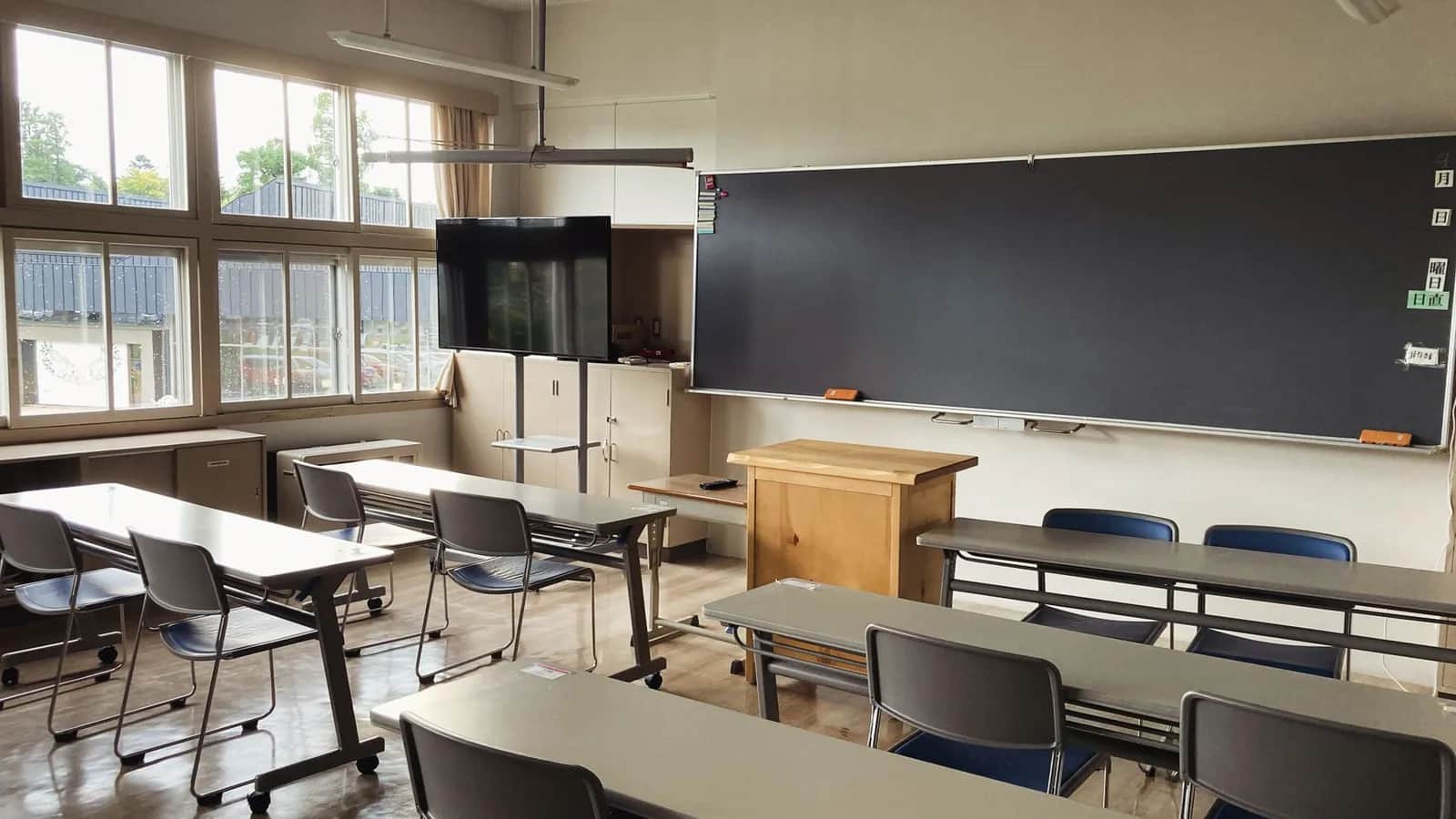
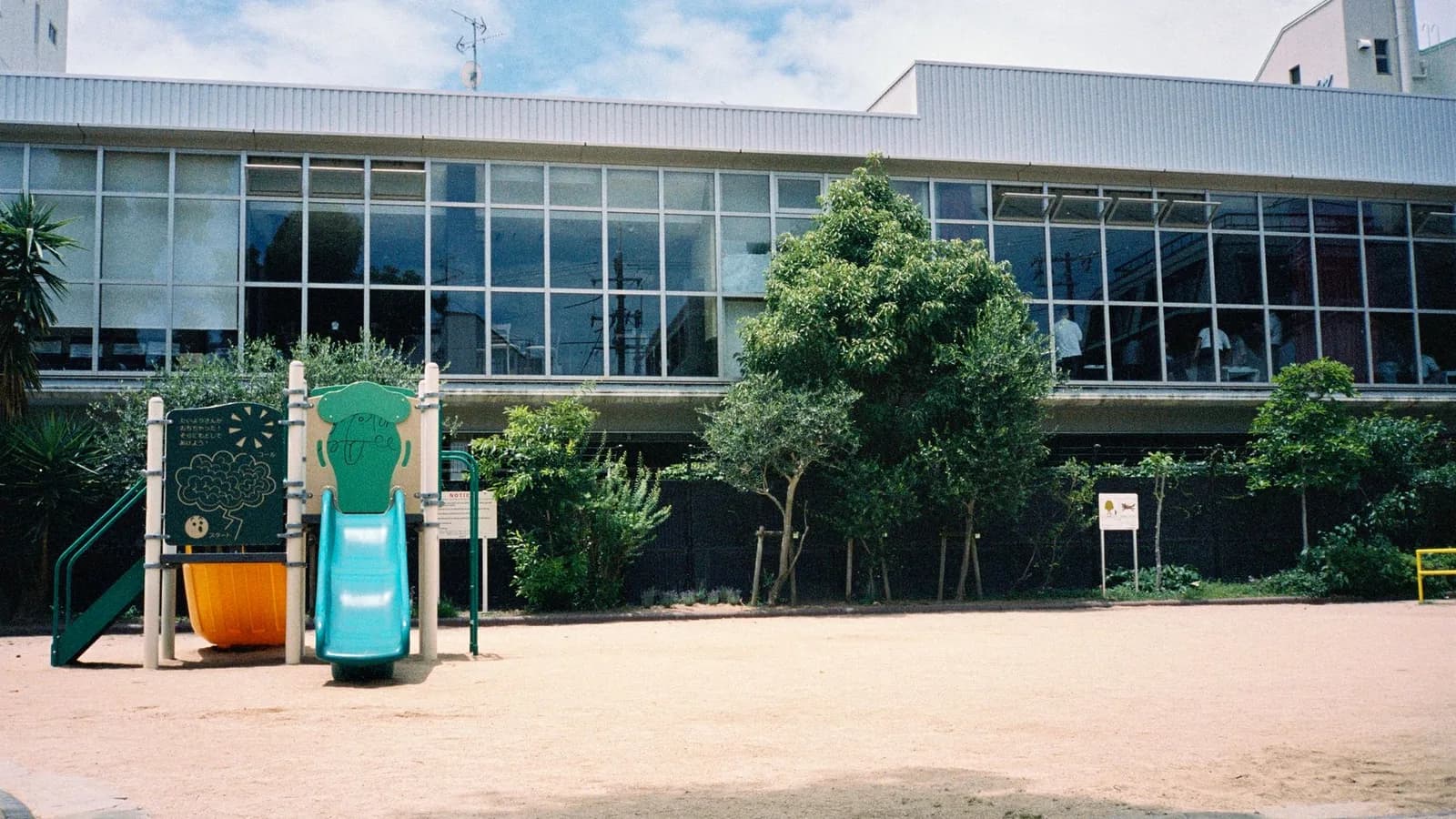
An ALT assists a Japanese teacher of English in class and does not run lessons alone. The job also covers preparing materials, helping with after-school activities and coaching pupils for speech contests. The UK embassy describes pupils aged 8 to 18 and says most ALTs work in more than one school. No teaching certificate is required. JET USA lists a TEFL qualification as an advantage and asks for clear, standard pronunciation.
CIR: coordinator for international relations
A CIR is an office job in Japanese: translation, interpreting, sister-city exchanges and events for foreign residents. JLPT N1 or N2 is expected in the US, though not a formal requirement, and the UK asks for N2 or an equivalent. The UK embassy notes that a CIR candidate whose Japanese falls short may be offered an ALT post instead.
SEA: sports exchange advisor
SEAs are coaches recruited when a contracting organization asks for one, outside the annual application round. The United States had three in 2024, one each for baseball, basketball and volleyball. You cannot apply for it the way you apply for ALT or CIR.
JET Program requirements: citizenship, degree, age and time already spent in Japan
The criteria are set in Japan and published by each embassy, with small differences between countries. The points below come from the 2027 criteria of JET USA and the Japanese embassies in the UK and Ireland.
Citizenship
You apply in the country whose citizenship you hold, and residence is not enough. US permanent residents cannot apply through the United States, and EU citizens with settled status cannot apply through the UK. Someone who also holds Japanese nationality must renounce it before accepting a place.
Bachelor's degree
A bachelor's degree in any subject, obtained before departure. For 2027 the US cut-off is 25 June 2027, and Ireland asks for the degree by July 2027. Final-year students can apply.
Age limit
There is no age limit in the criteria published for 2027 in the US, the UK or Ireland. Career changers apply every year.
Years already spent in Japan
Long-term residents are excluded. The UK wording is the clearest: you must not have lived in Japan for six or more years in the ten years before the year of departure. The US and Irish pages express the same rule as six years in total since 2017.
Former JET participants
You can do JET again after a gap. For 2027, you must not have been on the programme since the 2024 intake, and your total time must stay under the ceiling, which JET USA sets at five years and the UK and Irish embassies word as six years or more.
Two more rules catch people out. Declining a placement after you have been notified makes you ineligible the following year, and so does withdrawing after being shortlisted. Anyone with a job offer elsewhere should also compare JET with a sponsored Japan work visa before committing.
JET Program application dates for 2027 departures, by country
Each embassy runs its own calendar. This is the state of play on 14 November 2026, taken from the official page of each country. Where an embassy had not published a step, the table says so.
| Country | Application deadline | Status on 14 November 2026 | Interviews | Results | Departure |
|---|---|---|---|---|---|
| United States | 13 November 2026 (opened 21 September) | Closed | Late January 2027, online | Late March to mid-April 2027 | 24 July or 31 July 2027 |
| United Kingdom | 5 November 2026 | Closed | January and February 2027, in person in London or Edinburgh | March or April 2027 | 1 August 2027 |
| Canada | 13 November 2026, 3 pm Eastern | Closed | Not published on the page we read | Not published | Summer 2027 |
| Australia | 5 November 2026, 5 pm AEDT | Closed | Late January or February 2027, in person, to be confirmed | First screening results in mid to late December 2026 | Summer 2027 |
| New Zealand | 1 December 2026 | Open | Not yet published (late January in the last round) | Not yet published | Summer 2027 |
| Ireland | 4 December 2026, 11.59 pm, by email only | Open | January and February 2027, in person in Dublin | April 2027 | Late July 2027 |
United States: departure groups and the 2028 round
US participants leave from one of 19 consulate areas. Group A flies on Saturday 24 July 2027 and Group B on Saturday 31 July 2027, each arriving in Tokyo the next day. A small early intake leaves on 10 April (CIRs) and 22 May (ALTs), and JET USA says 97% to 98% of participants go in the summer. Placements are announced in May. Alternates can be upgraded from April until late in the year.
If you missed the deadline, JET USA's provisional timeline for the next round is an opening in September 2027, a deadline in November 2027 and interviews in late January or early February 2028. Americans looking for a faster route can read our guide to moving to Japan from the USA.
UK, Ireland, Canada, Australia and New Zealand
The UK also runs an early departure in April or May 2027 and a pre-departure orientation in June or July. Ireland announces placements in May. For Canada, Australia and New Zealand, check the embassy page for interview dates, which were not all online when we looked. These five countries, unlike the United States, also have a working holiday agreement with Japan, a simpler way in for under-30s who do not want to teach. See the Japan working holiday visa.
JET Program application: documents and statement of purpose
The file is the same in spirit everywhere: a form, an essay, two references, university transcripts and proof of degree and citizenship. The format differs by country, and embassies reject files that ignore it.
| Country | Essay | References | How to submit |
|---|---|---|---|
| United States | Statement of purpose, two pages, double-spaced | Two letters, academic or professional | Online portal |
| United Kingdom | Personal statement, 600 words maximum | Two references | Online portal, PDF files of 5 MB at most |
| Ireland | Essay of no more than two A4 pages, double-spaced | Two letters | Email only, no paper copies |
| New Zealand | Check the embassy page | Check the embassy page | PDF plus signed printed copies, transcripts through My eQuals |
In the US you need official transcripts from every institution you attended, including a semester abroad or a community college. Order them early, because they are the document that most often arrives late. JET USA does not accept CVs or photos. A medical self-report is part of the form, and a physician's statement is only needed if you declare a condition. The FBI background check is required only for early departure or if you have a record. In the UK, the health certificate and police certificate are requested at the offer stage or for early departure.
What to put in the statement of purpose
Two pages is short. Embassy guidance asks three things: why Japan, why this role, and what you would bring to a school and a town. The strongest essays answer with evidence: tutoring, coaching, volunteering, time spent adapting to somewhere unfamiliar. Say what you would do with pupils outside lessons, and what you plan to do with the experience afterwards, since the programme is funded as an exchange and expects alumni to stay connected to Japan. Stick to the length limit exactly.
JET Program interview: format and what is asked
About half of US applicants are invited to interview, according to JET USA. For 2027 the US interviews are online, in late January, and can be taken from abroad. The UK, Ireland and Australia interview in person only: London or Edinburgh for UK ALTs, London for CIRs, Dublin for Ireland. UK invitations go out in late December or early January.
Embassies do not publish the questions. Accounts from past candidates describe a panel of about three people and 20 to 30 minutes, with questions on your motivation, how you would handle a difficult class or an isolated placement, and sometimes a short demonstration of how you would teach a point of English. Treat these as testimony, since the format varies by consulate. CIR candidates are interviewed partly in Japanese, which the Irish embassy confirms.
JET Program acceptance rate
There is no official rate. JET USA says it typically receives 4,000 to 5,000 applications a year and selects 1,000 to 1,100 participants, which puts the US acceptance rate somewhere between 20% and 27%. The first cut is the paper file, which removes about half of applicants. After the interview, candidates are either shortlisted, named alternates or rejected, and alternates are called up as shortlisted candidates withdraw.
The UK embassy says it sends over 200 participants a year on average but does not publish application numbers, and we found none for Canada, Australia, Ireland or New Zealand.
JET Program placement: city or countryside, and can you choose?

You can list up to three preferences, and you should not count on getting any of them. Placement follows the requests of local governments. JET USA states that most posts are in rural or suburban areas and that only a very limited number are in urban locations. No official split between city and countryside is published.
The decision is final. The only alternative to accepting is to withdraw, which bars you from applying the following year. US and Irish participants learn their placement in May, two months before leaving.
The salary is identical everywhere, so a rural post usually leaves more money: rent is lower and there is less to spend on. The trade-off is distance. A small town can mean few English speakers, one train an hour and a car. JET USA warns that participants with a licence may be required to drive for work. CLAIR also told participants in October 2026 that converting a foreign licence has been stricter since October 2025 and can take several months, so bring an International Driving Permit if your country issues one valid in Japan, and start the conversion early.
How long is the JET Program? Contract, hours and daily life
The contract runs for about 12 months and is renewed one year at a time, by agreement between you and your contracting organization, up to a maximum of five years. The salary scale reflects that, with a single rate for years four and five.
Working hours and leave
Expect about 35 hours a week, roughly 8.30 am to 5.15 pm, Monday to Friday, with weekends and national holidays normally free. JET USA guarantees at least 10 days of paid leave. The UK embassy gives a range of 10 to 20 days depending on the employer, on top of Japan's 16 national holidays. School holidays are not automatically yours: many ALTs are expected at their desk when pupils are away, unless they take leave.
Rules during the contract
Outside work is not allowed, which rules out private tutoring on the side. You are enrolled in the public health system, which covers 70% of medical costs, and in a JET accident insurance policy with a ¥5,000 excess. How the public system works at a clinic is explained in our guide to healthcare in Japan.
After the JET Program: staying in Japan or going home
Most participants leave after one to three years. CLAIR runs an online Career Vision Conference each autumn (28 and 29 November 2026 this year), a job-hunting webinar, an After JET guide and an internship programme. JETAA chapters in 57 cities are the main network once you are home.
Staying in Japan means finding a new sponsor before your status of residence expires. ALTs normally hold Instructor status, which covers teaching in public schools only. A job at a private language school or a company falls under a different status, so you need an approved change of status before starting. The categories are described in our work visa guide. Taking a job in Japan also means giving up the paid return flight. To see where a post-JET salary sits, compare with average salaries in Japan.
JET Program vs dispatch companies and eikaiwa
JET is the best-paid entry-level teaching job in Japan, and also the slowest and least flexible way to get one. Dispatch companies place ALTs in the same public schools under a private contract. Eikaiwa are private conversation schools with evening and weekend hours.
| Employer | Pay before tax | Source |
|---|---|---|
| JET Programme, year 1 | ¥335,000 a month (¥4,020,000 a year) | JET USA, scale as of April 2026 |
| Interac (dispatch) | About ¥2.4 to ¥3.0 million a year, ¥200,000 to ¥250,000 a month | Interac job description, read 14 November 2026 |
| Borderlink (dispatch) | From ¥200,000 a month | Borderlink job description for April 2027 contracts |
| Large eikaiwa chains (AEON, ECC, Berlitz) | About ¥270,000 to ¥282,000 a month | The TEFL Academy guide, April 2025, not confirmed with the schools |
The gap with dispatch is ¥85,000 to ¥135,000 a month for similar work, and Borderlink notes that August is often not fully paid. JET also pays the flights. What dispatch and eikaiwa offer in return: they hire all year, decide in weeks instead of nine months, accept people who already live in Japan, and let you apply for a city. If you want Tokyo or Osaka, or need to start before next summer, JET is the wrong tool.
Employers, hiring seasons and qualifications outside JET are covered in our guide to teaching English in Japan, and the wider market in jobs in Japan for foreigners.