- countries and regions with an agreement on 1 November 2026, without the United States
- 33
- age at the time of application, for every nationality
- 18 to 30
- income tax withheld from wages on a stay of less than one year
- 20.42%
On this page
The Japan working holiday visa lets citizens of 33 countries and regions aged 18 to 30 spend up to a year in Japan and take paid work to fund the trip, with no employer sponsor. The UK, Canada, Australia, New Zealand, Ireland and 19 other EU countries are on the list. The United States is not, and Americans will find their real options in the second section. Everything below was checked against the Ministry of Foreign Affairs of Japan (MOFA) and the embassy pages on 14 November 2026. Dollar amounts are rounded at about 160 yen to the dollar.
Japan working holiday visa countries: the 33 agreements in 2026
MOFA's list is dated 1 November 2026 and counts 33 partners. Three joined this year: Italy on 1 April 2026, plus Malta and Panama. The quota is the number of visas Japan issues to that nationality each year. When it is reached, the embassy stops taking applications until the next period.
| Country or region | Agreement since | Visas per year |
|---|---|---|
| Australia | 1980 | No limit |
| New Zealand | 1985 | No limit |
| Canada | 1986 | 6,283 |
| South Korea | 1999 | 10,000 |
| France | 2000 | 1,800 |
| Germany | 2000 | No limit |
| United Kingdom | 2001 | 6,000 |
| Ireland | 2007 | 800 |
| Denmark | 2007 | No limit |
| Taiwan | 2009 | 10,000 |
| Hong Kong | 2010 | 1,500 |
| Norway | 2013 | No limit |
| Portugal | 2015 | No limit |
| Poland | 2015 | 500 |
| Slovakia | 2016 | 400 |
| Austria | 2016 | 200 |
| Hungary | 2017 | 200 |
| Spain | 2017 | 700 |
| Argentina | 2017 | 400 |
| Chile | 2018 | 200 |
| Iceland | 2018 | 30 |
| Czechia | 2018 | 400 |
| Lithuania | 2019 | 100 |
| Sweden | 2020 | No limit |
| Estonia | 2020 | 100 |
| Netherlands | 2020 | 200 |
| Uruguay | 2023 | 100 |
| Finland | 2023 | 200 |
| Latvia | 2023 | 100 |
| Luxembourg | 2024 | 100 |
| Malta | 2026 | 100 |
| Italy | 2026 | 500 |
| Panama | 2026 | 100 |
Seven EU members have no agreement: Belgium, Bulgaria, Croatia, Cyprus, Greece, Romania and Slovenia. Switzerland is absent too. What counts is your passport, not where you live. For most partners MOFA also requires that you live in your country of nationality when you apply, so a Briton settled in Spain or a Canadian living in the US is turned away. If your country is missing, the other routes are set out in our overview of Japan visas.
Japan working holiday visa for US citizens: no agreement, four alternatives
Americans who want a year of work and travel in Japan have four realistic routes. The rest of the move, from US taxes to driver's license conversion, is in our guide to moving to Japan from the USA.
A sponsored work visa
A Japanese employer applies for a Certificate of Eligibility on your behalf, and you take it to the consulate. There is no age limit and US citizens pay no visa fee, but you need the job offer first and, for most roles, a bachelor's degree. The categories and the paperwork are in our guide to the Japan work visa.
An English teaching job
It is the closest thing to a working holiday for an American: language schools and dispatch companies recruit from abroad, sponsor the visa and often help with housing. Salaries, employers and hiring seasons are covered in teaching English in Japan.
The JET Programme
The government-run scheme places assistant language teachers in public schools. It requires US citizenship and a bachelor's degree, and pays a starting salary of ¥4,020,000 a year (about $25,100), flights included. Applications for 2027 departures closed on 13 November 2026, according to the Consulate-General of Japan in Chicago. The next round opens in fall 2027 for a 2028 departure. See how the JET Programme works.
The digital nomad visa
For remote workers employed or contracted outside Japan. It gives six months, with no extension, and asks for an annual income of at least ¥10 million (about $62,500) and private insurance covering ¥10 million of medical costs. You may not work for a Japanese company. Details in our page on the Japan digital nomad visa.
Japan working holiday visa requirements: age limit and common rules
The agreements are bilateral, so amounts and paperwork change from one embassy to the next. The core conditions published by MOFA are the same everywhere:
- Age 18 to 30 inclusive when the application is filed.
- Citizen of a partner country and, for most of them, resident there.
- The stay is primarily a holiday. Work is allowed to supplement travel funds.
- No children or dependants travelling with you. A spouse needs a visa of their own.
- A valid passport and a return ticket, or enough money to buy one.
- Enough savings to live on at the start of the stay.
- Good health. Several embassies add a clean criminal record.
- No previous Japan working holiday visa, except for the nationalities allowed a second one.
On the age limit, MOFA's text still says 18 to 25 for Australia, Canada and South Korea unless the authorities agree to extend it to 30. In practice the Australian and Canadian embassy pages both give 18 to 30. Nobody is admitted after that: Canada's FAQ says no exceptions can be made, and the embassy in London wants the application received before your 31st birthday. You can enter Japan at 31 if the visa was issued in time.
MOFA also warns that no organisation in Japan is its partner for this programme. Agencies that sell placement packages are private businesses, and the visa itself is only issued by an embassy or consulate.
Working holiday visa Japan requirements by nationality: UK, Canada, Australia, New Zealand, Ireland and the EU
The table sums up what each embassy published on the date of our check. Funds are bank balances in your own name. Credit cards, loans and overdrafts are not accepted.
| Passport | Quota per year | Funds to show | Visa fee | Stay | Second visa |
|---|---|---|---|---|---|
| United Kingdom | 6,000 | £2,500, or £1,500 with a ticket | Not quoted, standard fee £77 | 1 year | Yes |
| Canada | 6,283 | CAD 3,500 | Free | 1 year, plus 1 year extension | Yes |
| Australia | No limit | A$2,500 with a return ticket | Free | 6 months, extendable | No |
| New Zealand | No limit | NZ$3,000, plus NZ$1,000 without a return ticket | Not stated | 1 year, no extension | Yes |
| Ireland | 800 | €1,600 with a ticket, or €3,200 | Free | 1 year | Yes |
| Germany | No limit | €2,000 with return flights, or €3,200 | Not stated | 1 year | Yes |
| France | 1,800 | €4,950, or €3,100 with a return ticket | Not stated | 1 year | No |
| Netherlands | 200 | €1,800 with a return ticket, or €3,800 | Free | 1 year | No |
| Spain | 700 | €2,000 to €4,000 depending on the ticket | Not stated | 1 year | No |
| Italy | 500 | €1,800 with a return ticket | Not stated | 1 year | No |
Japan working holiday visa for UK citizens
The quota rose from 1,000 to 6,000 visas per fiscal year on 1 April 2024, which ended the old rush for places. There is no application window: the embassy takes applications all year and stops only if 6,000 visas have been issued. You apply in person, by appointment, in London, or in Edinburgh if you live in Scotland or the north-east of England, and processing takes at least 5 working days. An interview is possible.
The Edinburgh consulate asks for £2,500 in cleared funds shown on three months of statements, or £1,500 with a return or onward ticket (£4,500 and £2,500 for a couple applying together). That page dates from December 2024 and the London checklist could not be read on the day of our check, so confirm the amount when you book. The visa is valid 12 months for entry and gives one year from the day you land. British citizens resident abroad are refused.
Canada
Canadians need a recent bank statement showing CAD 3,500 (CAD 4,500 for a couple), a ticket or extra money for one, and a doctor's note confirming good health. The visa is free. You apply by appointment at the embassy in Ottawa or the consulate for your province (Vancouver, Calgary, Toronto, Montreal). Toronto asks you to file at least 3 weeks before departure and takes 7 working days. The stay is one year and immigration in Japan can extend it by a second year.
Australia
Australia is the oldest partner and the only large one with a different clock: the initial stay is 6 months from the date of entry, and you then ask immigration in Japan for an extension, granted at its discretion. Funds are A$2,500 with a paid return ticket (A$3,500 for a couple), on statements covering three months. The visa is free, there is no quota, and you can apply up to a year ahead. One rule surprises applicants: the proposed schedule must detail the first six months and not keep you more than 3 months in one place. A second working holiday visa is not accepted.
New Zealand
No quota and no set season. The embassy asks for NZ$3,000 on at least three months of statements (NZ$4,500 for a couple), plus NZ$1,000 if you have not bought the return ticket. Applications are made in person only, in Wellington, Auckland or Christchurch, and take two to three weeks. The cover letter must be your own: the embassy states that an AI-generated letter is strictly prohibited. For this winter, the last filing day is Friday 11 December 2026 and the counter reopens on 5 January 2027. The one-year stay cannot be extended, but a second visa has been possible since December 2024.
Ireland
Ireland has the tightest quota among English-speaking partners: 800 a year, closed when reached. The visa is free. You need a return ticket and €1,600, or €3,200 without a ticket, and Ireland is one of the few countries that requires a travel insurance certificate covering the stay in the file. Applications go to the embassy in Dublin, in person and by appointment. The embassy's working holiday page dates from February 2025, so check the amounts before you apply.
EU countries: Germany, France, the Netherlands, Spain, Italy
Germany has no quota. You file between one year and 3 weeks before departure, at the counter in Berlin without an appointment or by post, with €2,000 if you hold return flights and €3,200 with a one-way ticket. The embassy closes over the holidays, so file before 11 December 2026 for a visa this year.
France works by calendar. The Paris embassy states that its 2026 appointments are closed for good and that the 2027 calendar opens during December 2026. Slots go fast for 1,800 places. France asks for the most money, €4,950 on a single statement, or €3,100 with a return ticket, plus an original medical certificate less than a month old.
The Netherlands (200 places per calendar year) has closed 2026 and reopens on 4 January 2027. Spain has used up its 2026 quota and takes 2027 applications by appointment from 1 December 2026. Italy, new in 2026, asks for €1,800 and a return ticket and allows one visa per person. For the other EU partners we could not read every embassy page, so treat the quota in the first table as the only confirmed figure and ask the Japanese embassy in your capital for funds and dates.
How to apply for a Japan working holiday visa, step by step
You apply before leaving, in your own country, at the Japanese embassy or consulate that covers your address. The working holiday status cannot be requested once you are in Japan as a tourist, as explained in our guide to the Japan tourist visa and entry rules.
Step 1: check the quota and the calendar
The UK, Canada, Australia, New Zealand and Germany accept files all year. France, Spain and the Netherlands open a yearly calendar that can fill within days. Most embassies let you apply up to 12 months before your planned arrival, and the visa then gives you a year to enter.
Step 2: build the file
The list is close to identical everywhere:
- Passport, plus a copy of the photo page.
- Visa application form with a 45 x 35 mm photo taken within six months.
- A typed CV, often on the embassy's own form.
- An itinerary or stay programme for the whole period: where you plan to be, month by month, and what work you have in mind.
- A one-page letter explaining why you want a working holiday in Japan.
- Bank statements in your name showing the required balance.
- The flight ticket, where the lower funds threshold depends on it.
- Depending on the country, a medical certificate (Canada, France, Spain) or proof of insurance (Ireland, Germany).
The itinerary is where files get sent back. New Zealand rejects entries such as "unknown", "as above" or plain "sightseeing". Name towns, regions and the kind of job (ski resort, hostel, farm, café) even if plans change later. Nobody will hold you to it.
Step 3: file in person and collect the visa
Almost every embassy wants you at the counter, by appointment in London, Dublin, Paris and most Canadian consulates. Germany accepts postal files. The passport usually stays with the embassy during processing: 5 working days in London, Paris and Berlin, a week in Australia and Canada, two to three weeks in New Zealand. Do not book a non-refundable flight before the visa is in your passport unless your embassy asks for the ticket.
How much does a Japan working holiday visa cost?
The visa is free for Canadians, Australians, Irish and Dutch citizens, as their embassy pages state. Elsewhere the general tariff applies. Japan raised it on 1 July 2026 to about ¥15,000 for a single-entry visa (about $94), and MOFA adds that the amount can differ or be waived by nationality. The London embassy's fee table of 1 July 2026 gives £77 for a single-entry visa and does not list the UK among the exempt countries. The New Zealand, German and French working holiday pages do not quote a fee, so ask when you book the appointment.
Count the rest of the budget too: the flight, the savings the embassy wants to see, and insurance for at least the first weeks. Our breakdown of the cost of living in Japan shows what a month of rent, food and transport comes to by city.
How long the Japan working holiday visa lasts: extension and second visa
The standard stay is one year from the day you enter Japan. Three cases differ. Australians get six months at a time and extend in Japan. Canadians can add a second consecutive year. New Zealanders, French, Dutch and Italians get one year with no extension.
Japan has also opened a second participation to ten partners, according to MOFA:
| Since | Passports | What is allowed |
|---|---|---|
| 1 December 2024 | United Kingdom, Canada | Two years in a row, or two separate one-year stays |
| 1 December 2024 | New Zealand, Denmark, Austria | Two separate one-year stays |
| 1 January 2025 | Germany, Ireland, Slovakia | Two separate one-year stays |
| 1 October 2025 | South Korea | Second participation |
| 1 February 2026 | Taiwan | Second participation |
Australia, France, the Netherlands and Italy are not on that list. The visa is single entry: if you leave Japan for a trip to Seoul or a visit home, tick the special re-entry permit box on the departure card at the airport, otherwise the status ends when you exit.
Staying on with a job afterwards is less simple than forums suggest. The Dutch embassy page states that it is not possible to change your residence status or extend your stay, and the Italian page also rules out a change of status. Immigration decides case by case when an employer sponsors you, and some participants do have to leave and come back with a Certificate of Eligibility. Ask the regional immigration bureau before you sign a contract.
Working holiday Japan jobs: what you can and cannot do
MOFA's wording is that participants may work as an incidental activity of their holiday, to supplement their travel funds. You need no sponsor and can change employer freely. None of the official pages we read sets a weekly limit on hours, unlike the 28 hours of a student permit.
One category is closed. You may not work in bars, cabarets, nightclubs, dance halls, gambling establishments such as pachinko parlours, or any adult entertainment business covered by the public morals law (Fueiho). MOFA treats it as a breach of immigration law that can end in deportation. A restaurant or café that serves alcohol with meals is not the target, a hostess bar is. If a job ad is vague about the venue, ask.
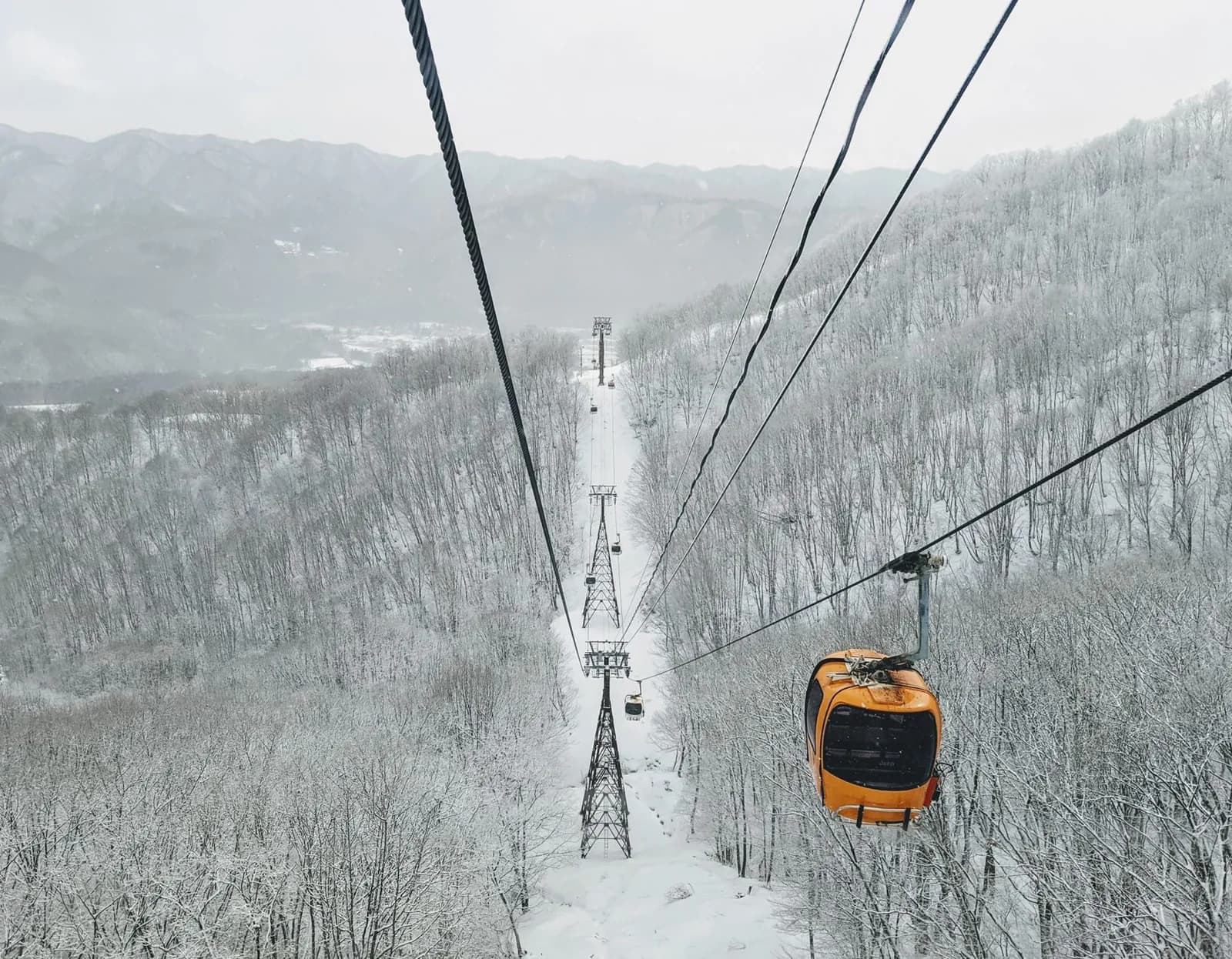
In practice the work is seasonal and service-based: ski resorts in winter, hotels and hostels, farms, restaurants, English conversation schools. Speaking some Japanese widens the choice well beyond resorts with foreign guests. Japan runs free Employment Service Centers for Foreigners in Tokyo, Nagoya, Osaka and Fukuoka, and the public Hello Work offices are open to you as well. Our guides to jobs in Japan for foreigners and to the minimum wage and average salaries give the pay to expect.
Income tax on a working holiday: 20.42% and no refund
The National Tax Agency treats a working holiday maker who stays less than one year as a non-resident. Your employer withholds a flat 20.42% from each payslip, and because a non-resident cannot file a final return, nothing is refunded when you leave. On a wage of ¥200,000 a month (about $1,250), that is ¥40,840 (about $255) gone before rent. Budget on the net figure. The rules for residents are in our page on Japan tax for foreigners.
Health insurance for a working holiday in Japan: required or recommended?
Two layers apply, and they are often confused. The first is what the embassy wants in the file:
- Ireland: a copy of a travel insurance policy valid for the stay is required.
- Germany: travel health insurance for the whole period, or a written commitment to join Japan's National Health Insurance.
- Netherlands: a signed commitment to join National Health Insurance. Italy accepts that commitment or proof of private cover.
- UK, Canada: insurance is recommended, not required.
- New Zealand: optional, but the embassy may ask for it if you plan to ski or snowboard.
The second layer is Japanese law. Anyone who resides in Japan for more than three months must join National Health Insurance (NHI) at the town hall, as the New Zealand and German embassy pages remind applicants. It pays 70% of medical bills and leaves 30% to you. With no income in Japan the previous year, the Dutch embassy puts the premium at about ¥3,500 a month (about $22). The Japan Pension Service also enrols residents aged 20 to 59 in the national pension, so ask at the same counter how that applies to a one-year stay. Both systems are explained in health insurance in Japan.
NHI has gaps that matter on a working holiday. It does not start until you have registered an address, and the Dutch embassy notes that it does not cover emergency medical repatriation, death or disability. That is the case for a private policy alongside it, at least for the first weeks and for the whole stay if you plan a ski season. SafetyWing's Nomad Insurance Essential is built for long stays outside your home country and can be bought for up to 364 days at a time. It does not replace NHI, it excludes pre-existing conditions, and claims payable under workers' compensation are excluded, so a workplace injury goes through your employer's cover first.
After you land: residence card, address registration and housing
Fill in your arrival details beforehand with Visit Japan Web if you like, then go to the immigration counter with your passport and visa. As a mid to long-term resident you receive your residence card (zairyu card) on the spot at seven airports: Narita, Haneda, Kansai, Chubu, New Chitose, Hiroshima and Fukuoka. Land anywhere else and the card is posted to you after you register an address. Carry it at all times, the police can ask for it.
Then the clock starts. You must declare your address at the city or ward office within 14 days of finding a place to live, with the residence card. A hotel does not count as an address, according to the Dutch embassy. A share house, a monthly apartment or staff accommodation does. The same visit is the moment to join NHI.
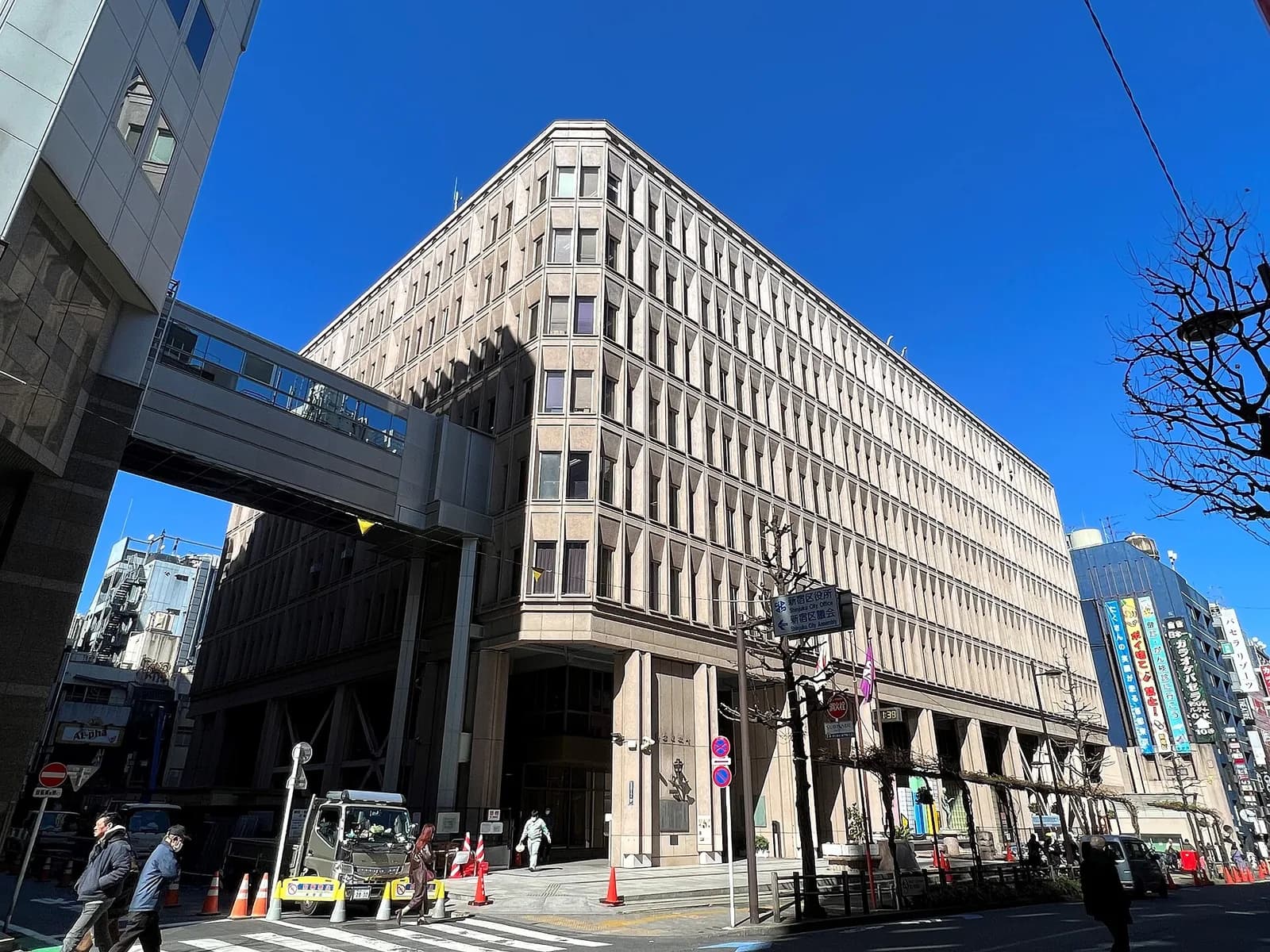
Housing is the practical hurdle of the first month. A standard lease asks for a guarantor, several months of upfront costs and often a two-year term, which rarely suits a one-year stay. Most working holiday makers start in a share house or a furnished monthly rental, both of which give you a registrable address quickly. Costs and contract types are in our guide to renting in Japan. A registered address and the residence card are also what phone carriers and banks usually ask to see, so do the ward office first and the rest afterwards.