- 24 hours in Toyota Rent a Car's smallest class outside Tokyo, about $65, before insurance (base rate read on 14 November 2026)
- ¥10,340
- countries and regions whose drivers use a JAF translation instead of an International Driving Permit: Switzerland, Germany, France, Belgium, Monaco and Taiwan
- 6
- the non-operation charge (NOC) you pay after any damage, even with CDW, at Toyota Rent a Car, about $125 to $313
- ¥20,000 to ¥50,000
On this page
Car rental in Japan is easy for visitors, as long as you bring the right paperwork and rent in the right place. You need your licence, your passport and either an International Driving Permit under the 1949 Geneva Convention (US, UK, Canada, Australia and most countries) or an official JAF translation (Switzerland, Germany, France, Belgium, Monaco and Taiwan). A small car costs about ¥10,000 to ¥12,000 for 24 hours at Toyota Rent a Car ($65 to $76), plus about ¥1,100 of insurance. Skip the car in Tokyo, Kyoto and Osaka. Rent one in Hokkaido, Okinawa, Kyushu, Shikoku and the mountains, where it saves hours every day. Prices, rules and passes below were checked on 14 November 2026.
Car rental in Japan: three cars for three kinds of trip
Japanese companies and international brands at the same airports, compared in one search, with the insurance shown before you pay.
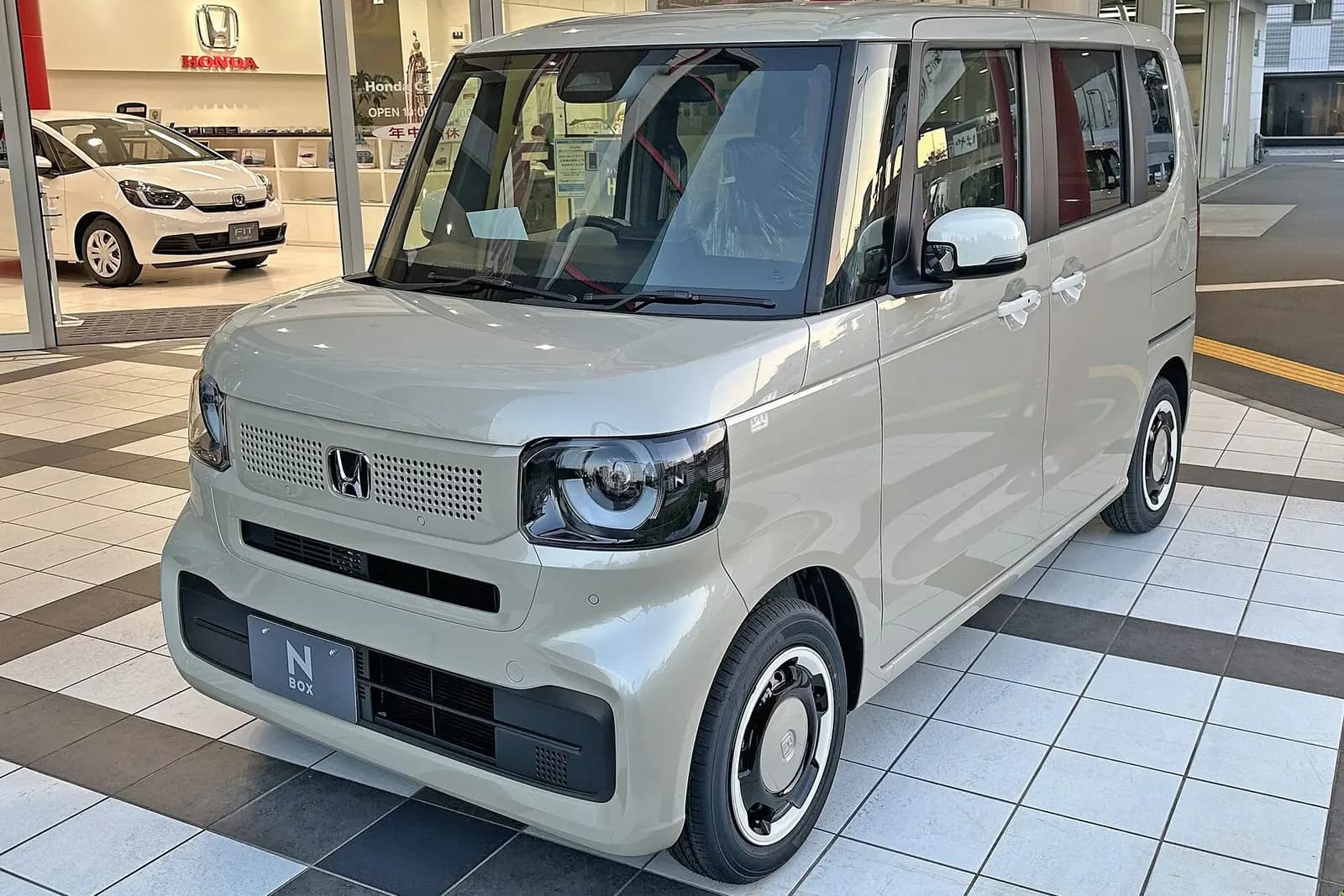 Photo Tokumeigakarinoaoshima, CC BY-SA 4.0, Wikimedia Commons
Mini (kei car)
Honda N-Box or similar
- Engine:
- 660 cc, yellow number plates
- Seats:
- 4 in theory, 2 adults with luggage in practice
- Best for:
- Islands, mountain roads, the cheapest expressway passes
from $20.86 per day
See prices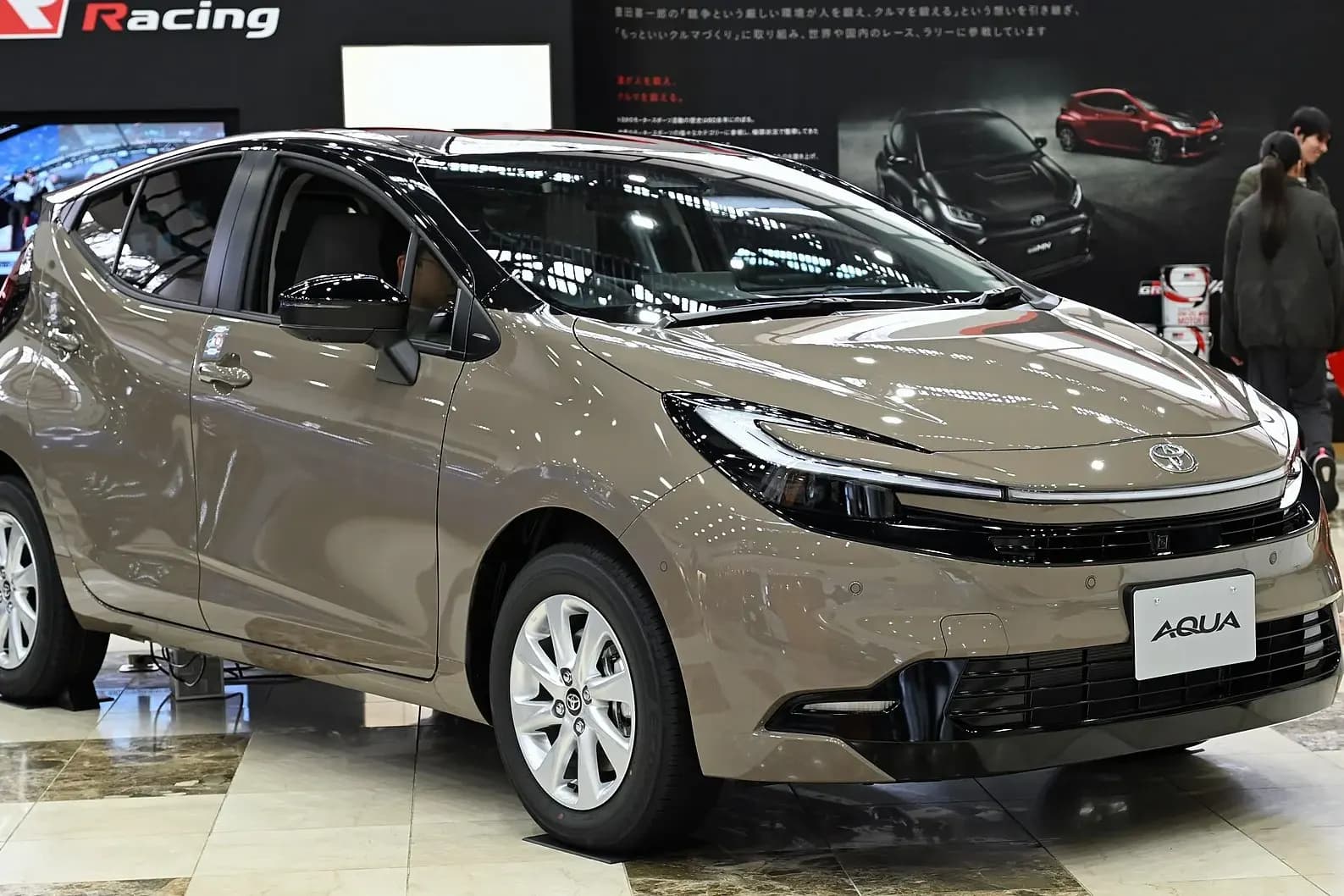 Photo TTTNIS, CC0, Wikimedia Commons
Economy
Toyota Aqua or similar
- Type:
- Compact hybrid
- Price read at:
- Osaka Kansai airport
- Best for:
- Two to four people on longer drives
from $29.54 per day
See prices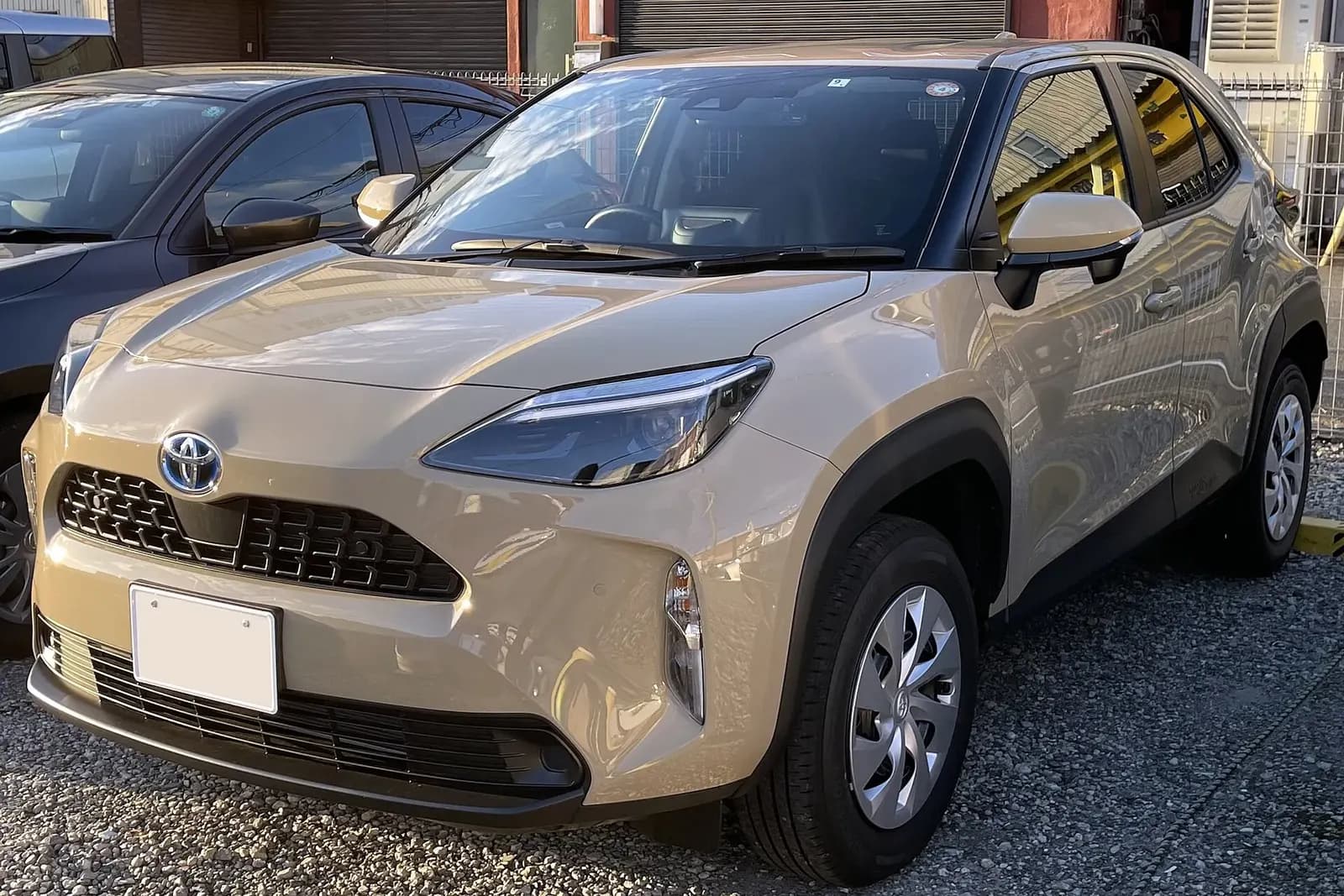 Photo Tokumeigakarinoaoshima, CC BY-SA 4.0, Wikimedia Commons
Compact SUV
Toyota Yaris Cross or similar
- Price read at:
- New Chitose airport (Sapporo)
- Best for:
- Hokkaido: Furano, Biei and Shiretoko
- Winter:
- Ask for winter tyres from December to March
from $34.13 per day
See prices
DiscoverCars prices shown on 13 November 2026 for an eight-day rental starting on 16 November: mini and economy at Osaka Kansai airport, compact SUV at New Chitose. Prices per day, before options, and they rise at Golden Week, Obon and New Year. Main pick-up points: New Chitose (Sapporo), Naha, Fukuoka, Kansai, Narita and Haneda airports.
Is renting a car a good idea in Japan? Where you need one and where you don't
In the big cities, a car is a handicap. Tokyo, Kyoto and Osaka have dense train and subway networks, streets are narrow and hourly parking costs ¥200 to ¥400 for 20 to 30 minutes in central Tokyo, with daily caps around ¥1,000 to ¥2,500. Two days in Toyota's smallest class picked up in central Tokyo cost ¥22,550 (about $141) before insurance, fuel, parking and the city expressway tolls. The same money buys a lot of train rides on a Suica card, and the trains are faster.
Outside the cities, the picture flips. Rural buses may run a few times a day, and the best viewpoints, onsen and coast roads are far from any station. Most travellers combine the two: train between cities, then a car for two to five days in one region. Our Japan itinerary shows where those driving days fit, and the Japan Rail Pass guide covers the train legs.
| Region | Car worth it? | Why |
|---|---|---|
| Tokyo, Kyoto, Osaka | No | Trains and subways reach every sight, parking is expensive, traffic is slow |
| Hokkaido | Yes | Long distances, few trains east of Sapporo, Furano, Biei and Shiretoko are best by car |
| Okinawa | Yes | The main island has a monorail around Naha only, beaches and the north are by road |
| Kyushu | Yes, outside Fukuoka | Aso, Takachiho, Kurokawa Onsen and Kirishima have very few buses |
| Shikoku | Yes | Iya Valley, the Shimanto river and the coast roads are hard to reach by train |
| Japanese Alps (Nagano, Gifu) | Yes, outside winter | Mountain villages and passes, but some roads close and snow is heavy in winter |
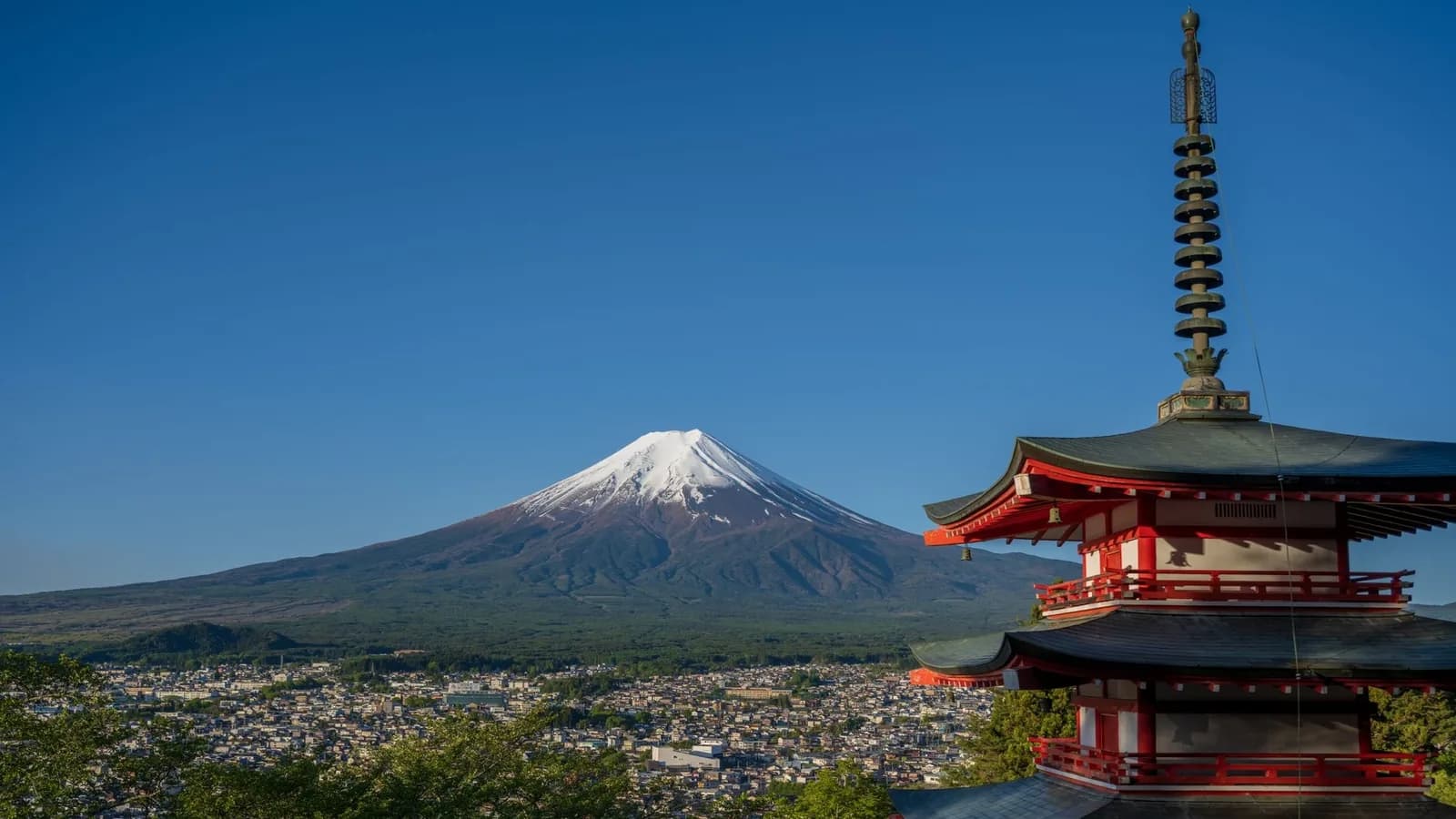
| Fuji Five Lakes | Useful | Viewpoints around Lake Kawaguchi, Saiko and Motosu are spread out |
For the regions themselves, see our guides to Hokkaido, things to do in Okinawa and Mount Fuji and Hakone, which list what is reachable without a car.
Can foreigners rent a car in Japan? International Driving Permit or JAF translation
A foreign licence alone is never enough to drive in Japan as a visitor. What you add depends on the country that issued your licence, and the rental company checks it at the counter with your passport.
| Licence issued in | Document you need | Where to get it |
|---|---|---|
| US, UK, Canada, Australia, New Zealand, Ireland and most countries | International Driving Permit (1949 Geneva Convention), paper booklet | At home, before you leave (AAA or AATA in the US, Post Office in the UK, CAA in Canada, state motoring clubs in Australia) |
| Switzerland, Germany, France, Belgium, Monaco, Taiwan | Official Japanese translation of your licence | JAF (Japan Automobile Federation), online or at its offices, or your embassy or consulate in Japan |
| Countries that only issue 1968 Vienna Convention permits | No valid option | You cannot drive in Japan as a visitor |
International Driving Permit: Geneva 1949 only, on paper
Japan only accepts permits issued under the 1949 Geneva Convention. JAF states that permits issued under other treaties, such as the 1968 Vienna Convention, are not valid, and we found no change to this rule as of 14 November 2026. The permit must be the paper booklet issued by your country's authorised body. Toyota Rent a Car refuses online permits and the "international licences" sold on websites, and digital versions on a phone are not accepted either. You cannot get an IDP once you are in Japan, so apply a few weeks before the flight.
JAF translation for Swiss, German, French, Belgian, Monegasque and Taiwanese licences
These six countries and regions have a bilateral arrangement with Japan. Their drivers carry their national licence with an official Japanese translation, which JAF issues in 2 to 3 working days for these licences. Some of these countries also issue an IDP, but a Vienna-format permit from Germany or France is not valid in Japan, so the translation is the safe route. A renewed licence, or a new address on it, needs a new translation.
How long the permit lasts, minimum age and what happens without it
Both documents let you drive for one year from your date of entry into Japan, and an IDP also expires one year after it was issued, whichever comes first. A translation stops when your own licence expires. The minimum age is 18: Nippon Rent-A-Car rents to any driver aged 18 or over, with no minimum years of experience listed. Without the right document, the company refuses to hand over the car, and every driver named on the contract needs one. If you drive anyway, you are driving without a licence under Japanese law, and the rental insurance does not cover you.
How much does it cost to rent a car in Japan? Prices by car class
Japanese companies price by the hour band (up to 6 hours, 12 hours, 24 hours) and then by each extra 24 hours, with unlimited mileage. These are the published prices we read on 14 November 2026, tax included where shown. Toyota's grid still lists peak periods for 2022 and 2023, so treat it as its current base rate rather than a 2026 price list.
| Company and class | Example models | Price | About |
|---|---|---|---|
| Toyota C1 (compact, 5 seats) | Vitz, Passo, Roomy | ¥10,340 per 24 h, ¥11,990 in central Tokyo and Narita, then ¥8,690 per extra day | $65 to $75 |
| Toyota C2 (compact hybrid) | Aqua, Vitz Hybrid, Corolla | ¥12,100 per 24 h, ¥14,960 in central Tokyo, then ¥9,900 per extra day | $76 to $94 |
| Nippon Rent-A-Car kei car | 660 cc kei | From ¥7,700 up to 6 h | $48 |
| Nippon Rent-A-Car wagon (4 to 10 seats) | Minivan | From ¥12,430 up to 6 h | $78 |
| Orix compact | Compact | From ¥6,160 up to 6 h | $39 |
| Orix RV and minivan (5 to 7 seats) | RV, minivan | From ¥8,360 up to 6 h | $52 |
Comparison sites can be cheaper because they also list small local companies. On 13 November 2026, DiscoverCars showed mini cars from $20.86 a day (Honda N-Box) and economy cars from $29.54 (Toyota Aqua) at Osaka Kansai airport, compact SUVs from $34.13 (Toyota Yaris Cross) at New Chitose, for an eight-day rental starting on 16 November. Toyota charges more in Hokkaido in July and August and in Okinawa at Golden Week, in mid-August and over New Year.
Example: four days in Hokkaido with insurance and tolls
A Toyota C1 picked up in Hokkaido outside July and August costs ¥10,340 for the first 24 hours and ¥8,690 for each of the next three, so ¥36,410. Add CDW at ¥1,100 a day (¥4,400) and a four-day Hokkaido Expressway Pass for a standard car (¥7,700): ¥48,510, about $303, before fuel. With a kei car the pass drops to ¥6,200. Split between two people, that is about $150 each for four days of total freedom on the island.
Best car rental companies in Japan: Toyota, Nippon, Orix, Times and Nissan
The five big Japanese companies have offices at the main airports and stations and English booking pages. Toyota Rent a Car has the largest network and the clearest English price list, insurance included. Nippon Rent-A-Car publishes a detailed English FAQ and sells the Hokkaido pass with extended durations up to 18 days. Orix often has the lowest 6-hour prices and a wide minivan range. Times Car Rental and Nissan Rent a Car complete the list, with English sites we could not read on 14 November 2026. International brands such as Hertz, Avis and SIXT also operate in Japan.
The cheapest way to rent is usually a kei car, the small 660 cc cars with yellow number plates. They seat four in theory, two adults with luggage in practice, and they are fine on island and mountain roads but slow on long expressway climbs. If you want a sports car, a Skyline or another JDM model for a day in Tokyo, specialist companies rent them, at prices far above those in this guide, and with the same permit rules.
Car rental insurance in Japan: CDW, NOC and what you still pay
Every Japanese rental includes compulsory insurance for injury and third-party liability. On top of that, two extras matter. Here is how they work at Toyota Rent a Car, read on 14 November 2026 (other companies follow the same model with their own amounts).
- CDW (collision damage waiver): ¥1,100 per 24 hours (¥2,200 for the larger classes). Without it, you pay the first ¥50,000 of damage to the car and ¥50,000 of damage to property yourself.
- NOC (non-operation charge): what you pay for the days the car is off the road after damage, even if you bought CDW. ¥20,000 if the car can still be driven back, ¥50,000 if it cannot.
- Double Protection Package: ¥1,650 per 24 hours (¥2,750 for larger classes), which removes the NOC.
On a scraped bumper in a narrow street, the NOC is the bill most visitors do not expect. A credit card's rental cover or your travel insurance for Japan may refund it later, but check the policy wording before you rely on it. The rental company will charge it on the spot.
Japan expressway tolls: ETC cards and the expressway passes for foreign visitors
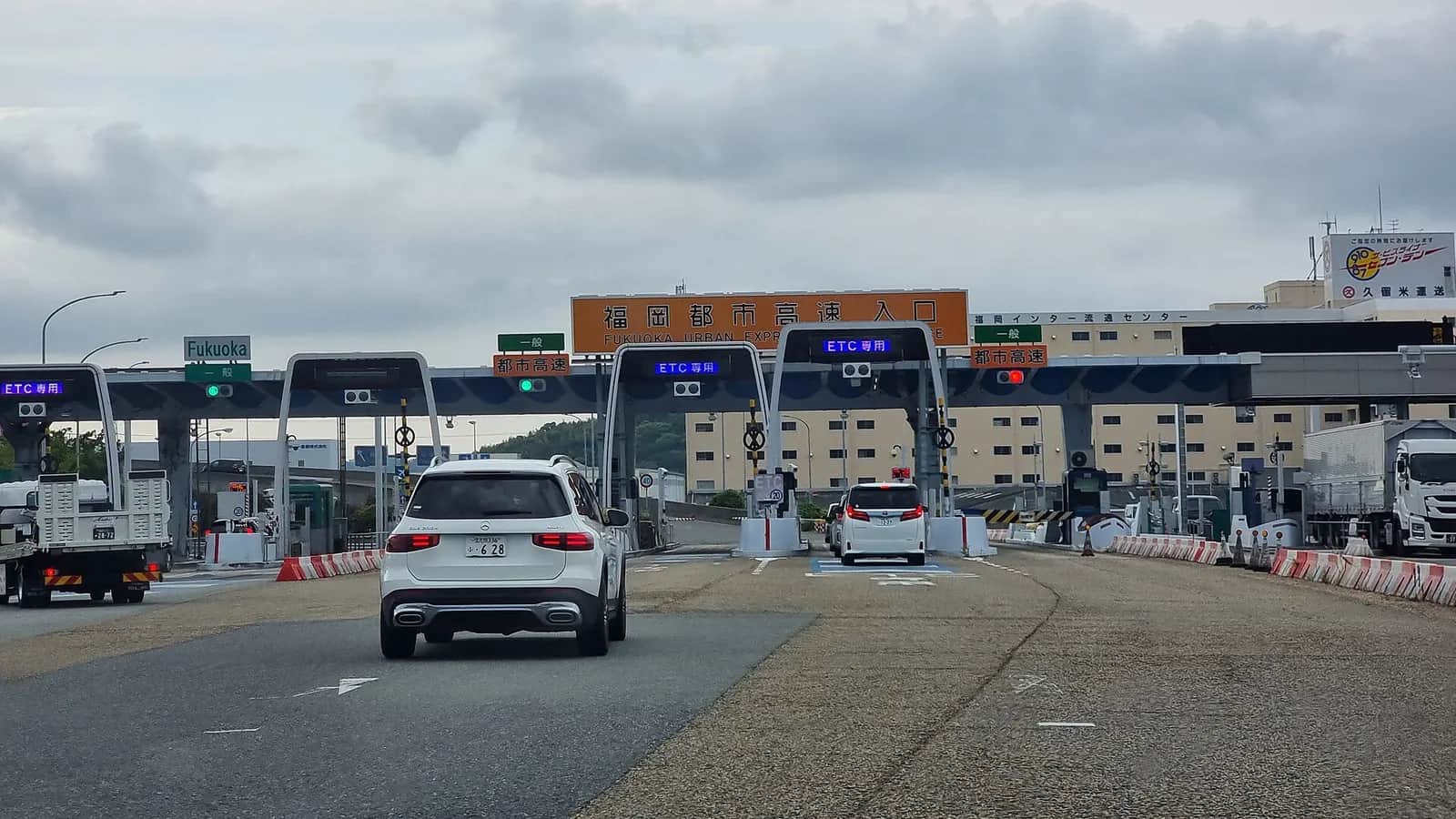
Japanese expressways are excellent and expensive. You pay by distance, either in cash or by card at the lanes marked 一般 (general), or automatically with an ETC card slotted into the car's reader, using the purple ETC lanes. Ask for the ETC card when you book: you need one for the passes below, and the ETC lanes are faster. Never drive into an ETC lane without a card in the reader, because the barrier stays closed.
Visitors can buy flat-rate expressway passes with a rental car. According to the JNTO page updated on 22 January 2026, the Japan Expressway Pass and the Central Nippon Expressway Pass are no longer sold, so there is no pass for the Japanese Alps or the Tokyo to Kyoto run. Four regional passes remain.
| Pass | Area | Prices |
|---|---|---|
| Hokkaido Expressway Pass | All Hokkaido expressways | 4 days ¥7,700 (kei ¥6,200), 7 days ¥13,500 (kei ¥10,800), up to 18 days ¥34,600 at Nippon Rent-A-Car |
| Tohoku Expressway Pass | Aomori, Akita, Iwate, Miyagi, Yamagata, Fukushima | 4 days ¥8,500 (kei ¥6,800), 7 days ¥14,900 (kei ¥11,900) |
| San'in-Setouchi-Shikoku Expressway Pass | Hyogo, Okayama, Hiroshima, Yamaguchi, Tottori, Shimane and the four Shikoku prefectures | 3 days ¥10,700, 7 days ¥14,700, 10 days ¥17,700 |
| Kyushu Expressway Pass | All seven Kyushu prefectures | 2 days ¥6,200, 4 days ¥10,600, 7 days ¥17,200, 10 days ¥23,800 |
To buy one, you need a non-Japanese passport (or a Japanese passport with permanent residence abroad), your licence with its IDP or translation, and a rental car with an ETC card from a participating company. The pass covers expressway tolls only, not the rental or the ETC card fee. It cannot be extended, and nothing is refunded if you return the car early.
Fuel and parking in Japan: petrol prices, Tokyo parking and the shako shomeisho
Regular petrol cost around ¥170 a litre in 2026 (about $1.06 a litre, $4 a US gallon), a level the government has held with subsidies since a spike in March 2026, according to Japanese press reports. Most rental cars take regular (レギュラー), the red nozzle at the pump. Many stations are self-service with Japanese screens: choose regular, the amount (満タン means a full tank) and pay. You return the car with a full tank and keep the receipt, because the company charges its own refuelling fee otherwise,.
Parking on the street is rare and mostly forbidden. In cities you use coin car parks, with a plate that rises under the car until you pay, or multi-storey car parks. In central Tokyo, expect ¥200 to ¥400 per 20 or 30 minutes, with daily caps of roughly ¥1,000 to ¥2,500 in many car parks and much higher rates in Ginza. Hotels outside the big cities often have free parking, city hotels charge for it. Residents who buy a car meet another rule: you must prove you have a parking space near home, the shako shomeisho (parking space certificate) from the police, before the car can be registered.
Driving in Japan: left-hand traffic, road rules, signs and zero alcohol
Japan drives on the left, like the UK, Ireland and Australia, with the steering wheel on the right. Drivers from the US and Canada should take the first hour slowly, and expect to switch on the wipers instead of the indicator a few times, because the stalks are reversed too. Roads are well kept and drivers are calm, but streets in towns are narrow and often have no pavement.
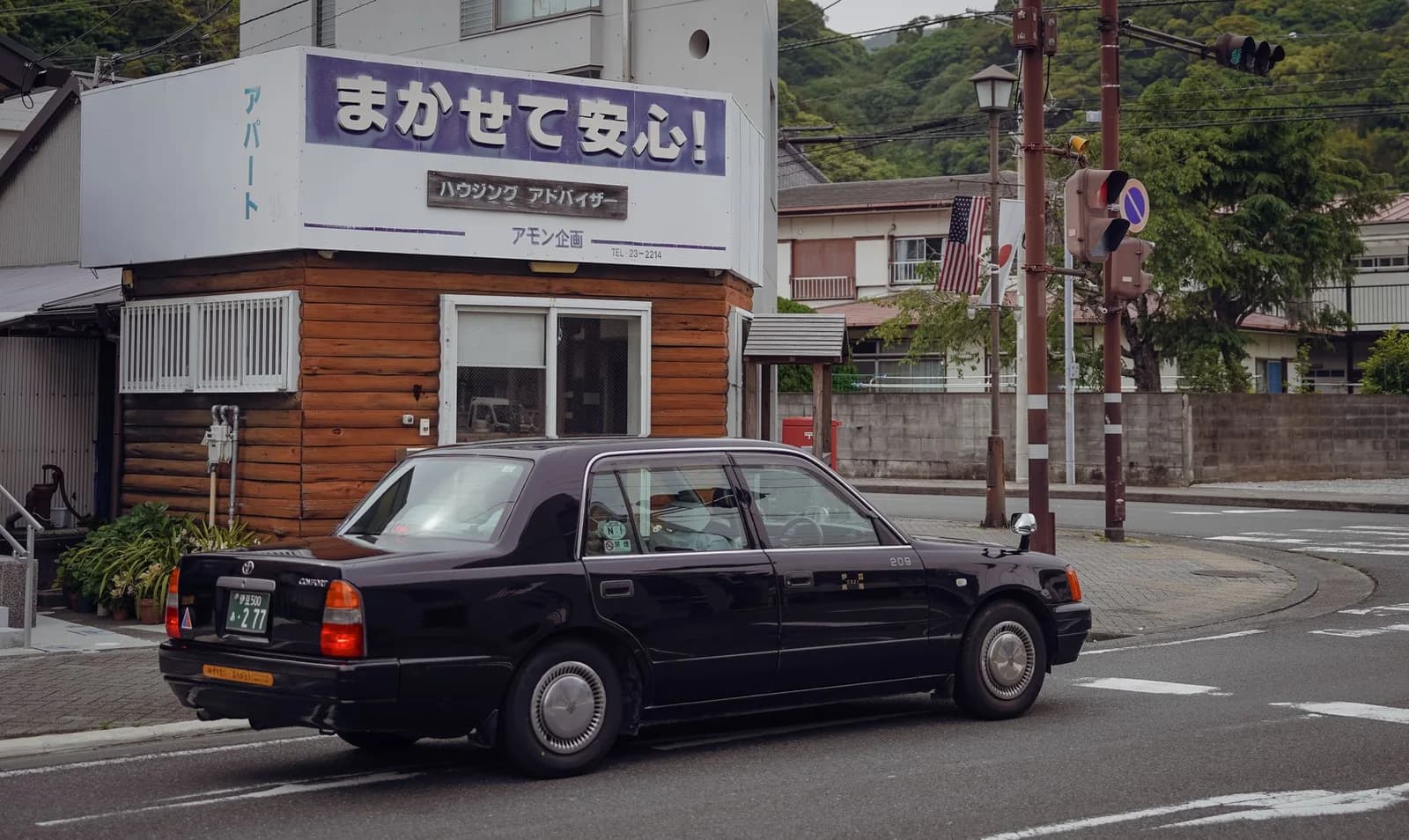
- Speed limits: 60 km/h on general roads unless signed (often 30 to 50 in towns), 100 km/h on expressways unless signed.
- Red light means stop, with no turning on red, left or right, unless a green arrow allows it.
- Stop at every level crossing, look and listen, then cross.
- Stop sign: an inverted red triangle marked 止まれ. Come to a full stop before the line.
- Seat belts for every seat, front and back, and a child seat for children under 6. Toyota rents child seats for ¥1,650 and boosters for ¥1,100.
- No phone in your hand while driving, even at a red light.
Drink-driving in Japan: zero tolerance in practice
The legal limit is 0.15 mg of alcohol per litre of breath, and a single drink can put you over it, so the only safe amount is none. According to Kanagawa Prefectural Police, driving over the limit carries up to 3 years in prison or a ¥500,000 fine, and driving visibly drunk up to 5 years or ¥1,000,000. Japan also punishes the people around the driver: a passenger who knowingly rides with a drunk driver, the person who served the alcohol and the person who lent the car all face prison. Plan dinners with sake for days without the car.
Driving in Japan in winter: snow tyres and Hokkaido roads
Winter tyres are required on snowy or icy roads. In Hokkaido and other snowy areas, Nippon Rent-A-Car fits them free of charge in winter, and elsewhere they cost ¥2,200 to ¥3,300 a day. Book them online for pick-ups from October to May, because a walk-in customer gets standard tyres. For one-way rentals from 1 December to 31 March that start in a snow-free area and end in Tohoku, Nagano, Niigata, Hokuriku or the San'in coast, winter tyres are compulsory. Our guide to Japan in winter covers snow roads, chains and when to take the train to the ski resorts instead.
English GPS, michi-no-eki and what to do after an accident in Japan
The navigation systems in Japanese rental cars can usually be switched to English, and you can set a destination by the phone number of a hotel or sight, or by its map code, a short number listed in many tourist guides, especially in Okinawa and Hokkaido. Ask for a quick demonstration at the counter and keep a phone map as a backup, with an eSIM for Japan or a pocket WiFi for data. On long drives, the michi-no-eki (roadside stations) have free parking, clean toilets, local food and farm produce, and make the best breaks.
After an accident, even a small one, call the police on 110 and an ambulance on 119 if anyone is hurt, then the rental company. Both drivers must report it, whoever is at fault, and the police issue the accident certificate. Do not settle anything privately at the roadside: without a police report, the rental insurance may not pay.
Living in Japan: converting your foreign licence to a Japanese one
An IDP or translation only works for your first year in Japan. Residents who want to keep driving convert their licence at the prefectural licence centre (gaimen kirikae), and must show they lived at least three months in the issuing country after getting it. Since 1 October 2025, applicants need a registered address in Japan, and the written test for those who take it has grown to 50 questions with a 90 percent pass mark, according to the Japanese press. Licences from some countries convert without a test: our guide to moving to Japan from the USA lists the exempt US states, and the guide to moving to Japan covers the rest of the paperwork.