
- visa-free stay for US, UK, Canadian, Australian and EU passports
- 90 days
- countries and regions on Japan's visa exemption list
- 74
- departure tax per person since 1 July 2026 (about $19)
- 3,000 yen
On this page
Most English-speaking travelers do not need a Japan tourist visa. Citizens of the United States, the United Kingdom, Canada, Australia, New Zealand and every EU country enter visa-free for up to 90 days, with a passport valid for the length of the stay. Everyone else applies for a short-term visa before flying, at a consulate or online. This guide was checked against Japanese government sources on 14 November 2026, and three numbers changed this year: the visa fee, the departure tax and the extension fee. Dollar amounts are rounded at about 160 yen to the dollar.
Who needs a tourist visa for Japan in 2026
Japan waives the visa for short stays for 74 countries and regions, according to the list kept by the Ministry of Foreign Affairs (MOFA). If your passport is on that list, you get a landing permission stamp or sticker at the airport and the status of Temporary Visitor. If it is not, you need a visa in your passport, or an eVISA, before you board.
The rule follows your nationality, not where you live. A US green card, a UK residence permit or Canadian permanent residence does not give you the waiver. An Indian or Filipino citizen living in New York still applies for a visa, at the Japanese consulate that covers their US address.
Countries whose citizens need a visa for tourism include India, China, the Philippines, Vietnam, Pakistan, Bangladesh, Nigeria and Russia. The waiver also has limits for exempt passports: it does not cover paid work, stays longer than 90 days prepared with a Certificate of Eligibility, or journalists on assignment. For those cases, start from our overview of Japan visas.
Visa-free stays in Japan by nationality
The length of the visa-free stay is set per country. The table below covers the passports our readers ask about most, with the MOFA list as the source (consulted 14 November 2026).
| Passport | Tourist visa needed? | Stay granted on arrival | Good to know |
|---|---|---|---|
| United States | No | 90 days | No 6-month passport validity rule |
| United Kingdom | No | 90 days | Can apply in Japan to extend to 6 months in total |
| Canada | No | 90 days | Paid business activity requires a visa |
| Australia, New Zealand | No | 90 days | Same conditions as US travelers |
| EU countries, Norway, Iceland | No | 90 days | Japan is outside Schengen, the 90 days are counted separately |
| Ireland, Germany, Austria, Switzerland, Liechtenstein, Mexico | No | 90 days | Can apply in Japan to extend to 6 months in total |
| Singapore, South Korea, Malaysia, Taiwan, Hong Kong | No | 90 days | Malaysia needs an ePassport, Taiwan a passport with an ID number |
| Brunei, Qatar | No | 30 days | Qatar: ePassport registered in advance |
| Thailand, Indonesia | No | 15 days | ePassport required, registered in advance for Indonesia |
| Philippines, Vietnam | Yes | 15 days with the eVISA | eVISA through a designated travel agency, on a package tour |
| China | Yes | 15 or 30 days with the eVISA | Application through an accredited agency |
| India | Yes | Up to 90 days | Reduced visa fee of $6 at Japanese consulates in the US |
Two details in that list are worth a second look. Brazil, the UAE, Serbia, Peru and a few others are exempt only with an ePassport (the one with a chip symbol on the cover). And the 90 days are not a rolling right to live in Japan: an officer who sees back-to-back 90-day stays can ask what you are doing in the country and refuse entry.
The 6-month rule for UK, Irish, German, Swiss, Austrian and Mexican citizens
Seven countries have older bilateral agreements that allow a stay of up to 6 months: the UK, Ireland, Germany, Austria, Switzerland, Liechtenstein and Mexico. You still receive 90 days at the airport. To stay longer, MOFA states that you must apply for an extension of the period of stay at a regional immigration bureau before the 90 days expire. It is an application with a fee and supporting documents, and the decision belongs to the immigration bureau. Do not book a 5-month trip on the assumption that it will be granted.
Japan entry requirements at the airport
Entry requirements for Japan are short in 2026. There is no Covid test, vaccination certificate or quarantine, and no pre-travel authorization yet. What the immigration officer can check comes down to the following.
- A passport valid for your whole stay. The Japanese embassy in Washington states that there is no 6-month validity rule. Your airline or a transit country may be stricter, so check both.
- A blank page for the landing permission. UK government advice asks for at least one.
- An onward or return ticket dated within your permitted stay. Airlines often check this at check-in, before Japan does.
- An address in Japan for the first night at least (hotel name and phone number), written on the disembarkation card.
- Enough money for the trip. No amount is published. A bank card and a hotel booking are what officers usually accept.
- Fingerprints and a photo, taken from foreign visitors at the immigration desk.
You also fill in a disembarkation card and a customs declaration. Both exist on paper, and both can be done in advance online, which gives you a QR code to scan on arrival. That service is optional, and we cover it step by step in our guide to Visit Japan Web.
Once in the country, the law requires foreign visitors to carry their passport at all times. Police can ask for it, and hotels photocopy it at check-in. A refusal of entry is rare but final: the US embassy in Tokyo says it can do almost nothing in that case, and the traveler goes back on the next flight.
How to apply for a Japan tourist visa
If your passport is not exempt, you apply for a short-term stay visa for tourism in your country of residence, at the embassy or consulate that covers your address. Japan does not issue visas on arrival. The process is the same almost everywhere.
- Find your consulate. Each one serves a set of states or regions. The Japanese embassy in Washington, for example, only takes applicants from its own jurisdiction, in person or through a proxy, and not by mail. The consulate in New York accepts mail from its area.
- Check whether you must use an agency. In China, the Philippines, Vietnam and India, among others, tourist applications go through accredited travel agencies and not directly to the consulate.
- Gather the documents listed on your consulate's website. The list changes by nationality.
- Submit, then wait. The consulates in New York and Washington quote 5 business days once the file is complete, with no express service.
- Collect the passport with the visa sticker and check the name, passport number and validity dates before you leave the counter.
Documents for a Japan tourist visa
Each consulate publishes its own checklist and it is the only one that counts. The core of the file is the same in most countries: the visa application form with a recent photo, your passport, a day-by-day schedule of the stay, the flight booking, and proof that you can pay for the trip, such as bank statements or a tax certificate. People visiting family or friends add an invitation letter and documents from the host. The Washington embassy asks for at least one and a half blank pages in the passport.
Applicants living outside their country of nationality also show their residence status there (green card, visa, residence permit). A minor traveling without both parents needs a birth certificate, a parental consent form and a copy of the parent's ID, according to the New York consulate.
When to apply
The window is narrow on both sides. Consulates in the US do not accept applications more than 3 months before the date of entry, because a single-entry visa is valid for 3 months from issue (6 months for a double-entry visa). They advise applying 1 to 2 months before departure. Some files take over a month when the consulate refers them to Tokyo, and a refused application cannot be filed again for the same purpose for 6 months.
Japan tourist visa fees and processing time in 2026
Japan raised its visa fees on 1 July 2026, the first increase in decades. The amounts below are those posted by the Consulate-General of Japan in New York and the embassy in Washington.
| Visa | Fee since 1 July 2026 | Fee before |
|---|---|---|
| Single entry | $101 | $20 |
| Double or multiple entry | $201 | $40 |
| Indian nationals | $6 | $6 |
Press reports give the base amounts in yen as 15,000 yen for a single entry and 30,000 yen for multiple entries, up from 3,000 and 6,000 yen. Each consulate converts the fee into local currency, so the figure on your consulate's page is the one you pay. In Washington the fee is paid in cash only.
Many nationalities pay nothing because of reciprocal agreements. The US consulates list 63 fee-exempt countries, which matters when an exempt passport still needs a visa, for a long stay for instance. Citizens of the Philippines, Pakistan, Bangladesh and Russia are on that list for short stays. Citizens of China, Vietnam, Indonesia and Thailand are not.
Here is what that means for a family of three Vietnamese citizens living in Texas who apply at a US consulate for one trip: $303 in visa fees since July 2026, against $60 before. An Indian family of three pays $18.
Japan eVISA: who can apply online
The Japan eVISA is an online version of the single-entry tourist visa, valid for a stay of up to 90 days. It is open by place of residence, and MOFA's list was last updated on 15 May 2026.
- Direct online application for people who live in Australia, Brazil, Cambodia, Canada, Saudi Arabia, South Africa, Taiwan, the United Kingdom or the United States and whose nationality is not visa-exempt.
- Through an accredited travel agency for residents of Hong Kong, India, Indonesia, Macao, Mongolia, South Korea, Singapore and the UAE, and for Chinese nationals living in China.
- Package tours only for Filipino and Vietnamese nationals living in their own country, through designated agencies. Their eVISA allows 15 days.
The eVISA works with ordinary passports only, and you pay the fee by card. At the airport you show the visa issuance notice live on your phone, with an internet connection. MOFA states that a PDF, a screenshot or a printout is refused. The consulate can still call you in for an interview, and incomplete applications are cancelled, so apply early. MOFA also warns about copycat websites: the real portal sits on a mofa.go.jp address.
What you can do in Japan as a tourist (Temporary Visitor status)
Whether you came in visa-free or with a tourist visa, your status of residence is Temporary Visitor, the status that also makes you eligible for the Japan Rail Pass. It covers more than sightseeing.
| Allowed | Not allowed |
|---|---|
| Tourism, visiting family and friends | Any job paid by a Japanese employer or client |
| Business meetings, trade fairs, contract signing, market research, without pay from Japan | Business activity for which you are compensated in Japan |
| Conferences, short courses, amateur sports events | Paid performances, paid teaching, part-time work |
| Transit | Switching to a work or study status from inside Japan |
The last line catches many people. The Canadian government's advice puts it plainly: you cannot apply for a work, business or student visa once you have entered as a tourist. You can come to interview or look at apartments, but the long-stay visa is issued abroad, on the basis of a Certificate of Eligibility. The routes are described in our guides to the Japan work visa and the working holiday visa.
Remote work for a foreign employer is a grey area that official pages do not settle for tourists. If working from Japan is the plan, the digital nomad visa exists for that purpose and allows a stay of up to 6 months.
Overstaying is a criminal offence, even by a day. It can mean detention, a fine, deportation and a ban on coming back for several years. If a cancelled flight pushes you past your date, go to an immigration bureau before it expires, with the airline's notice.
Extending a tourist stay in Japan
An extension of the period of stay exists for Temporary Visitors, but it is not a way to add a month of travel. The Immigration Services Agency (ISA) states that it is granted, in principle, only for unavoidable humanitarian reasons, with medical treatment given as the example. A typhoon that grounds flights or an accident fits. Wanting to see more of Hokkaido does not.
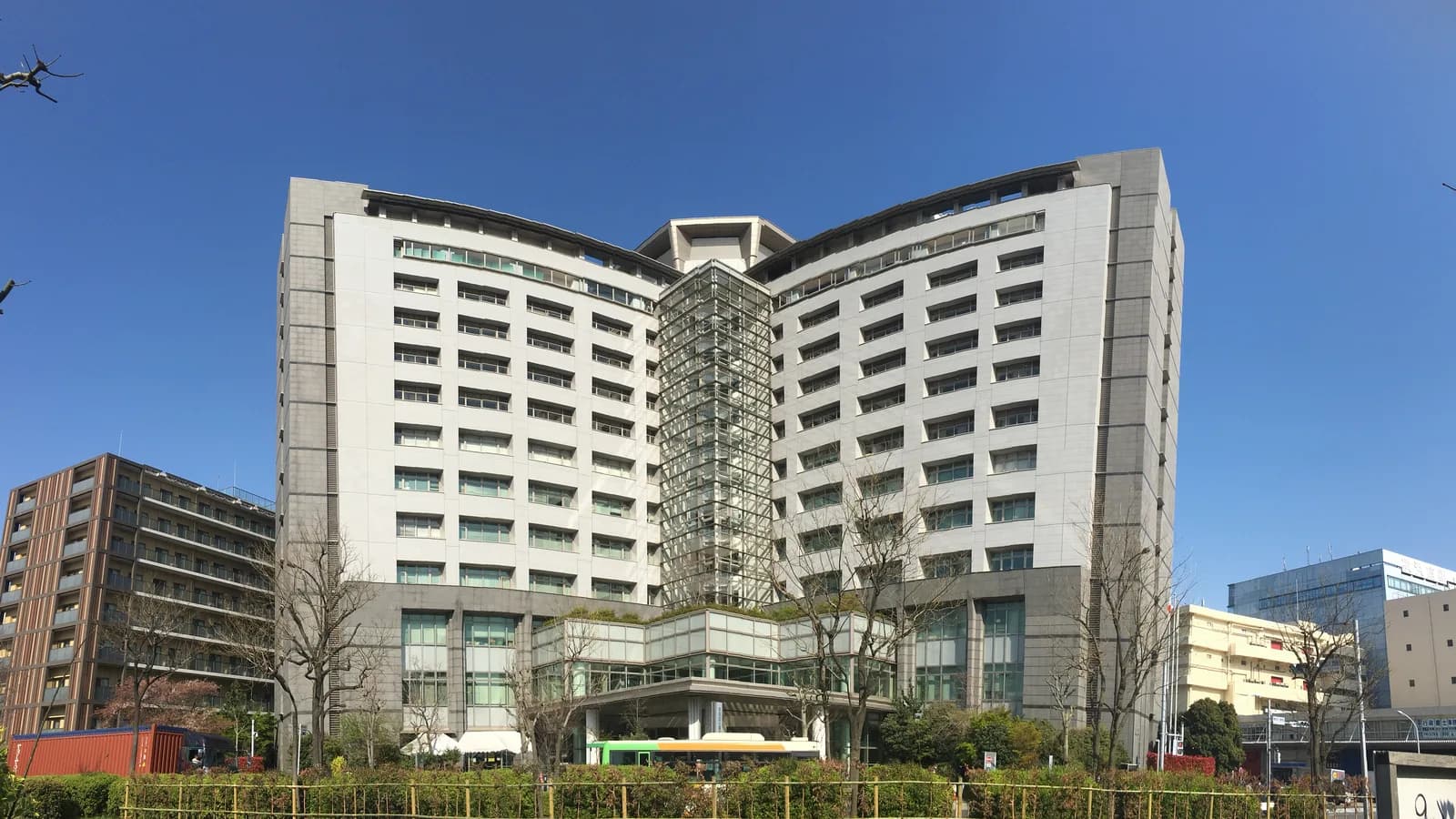
You apply in person at the regional immigration bureau for the area where you are staying, before your current permission expires. The ISA lists these documents:
- the application form for extension of period of stay and a photo
- your passport
- proof of the reason, such as a medical certificate
- a written account of what you have done since you entered Japan
- proof that you can pay for the extra time (bank statement) and a ticket out of Japan
The fee went up on 1 October 2026: 10,000 yen (about $63) when the period granted is 3 months or less, against 6,000 yen for applications filed until 30 September. It is paid with a revenue stamp, only if the extension is approved. Guides that still quote 4,000 yen are two price changes behind.
Citizens of the seven 6-month countries use the same application to go beyond 90 days. The usual and safer alternative for everyone else is to leave and come back later, keeping in mind that officers look at the total time you spend in Japan over a year.
Japan customs rules, medication and the departure tax
Duty-free allowances and cash
Each adult can bring in 3 bottles of alcohol (760 ml each), 200 cigarettes or 50 cigars, 2 ounces of perfume, and other goods up to a total value of 200,000 yen (about $1,250). Cash, cheques and securities above 1 million yen (about $6,250) must be declared, and so must any gold. Narcotics, cannabis in any form, firearms and counterfeit goods are prohibited, and Japan prosecutes small quantities.
Bringing medication into Japan
This is the rule that surprises travelers the most. The US embassy in Tokyo warns that many medicines that are common in the United States are illegal in Japan, even with a prescription, in particular stimulant-based drugs. For permitted medicines, you can bring up to a 2-month supply of prescription drugs without paperwork. Above that, or for injectables and some devices, you need an import certificate called Yunyu Kakunin-sho, issued before you travel, and it takes several weeks.
If you take prescription medication, carry it in its original packaging with a copy of the prescription and a doctor's letter, and check the active ingredient with the Ministry of Health, Labour and Welfare before you fly. The ministry answers by email when you send the drug name, the active ingredient, the dosage and the quantity.
Departure tax: 3,000 yen since July 2026
The international tourist tax, paid by everyone leaving Japan by air or sea, tripled from 1,000 to 3,000 yen (about $19) on 1 July 2026. It is included in the price of your ticket, so there is nothing to pay at the airport. The National Tax Agency confirms that tickets bought before 1 July 2026 keep the old 1,000 yen rate, unless the departure date was left open at purchase. A family of four now pays 12,000 yen (about $75) in departure tax on a return trip, against 4,000 yen before.
Tax-free shopping: refund at departure since November 2026
The tax-free system changed on 1 November 2026. Shops no longer take the 10% consumption tax off at the till. You pay the full price, and the tax is refunded once customs confirms at departure that the goods are leaving with you. The minimum is still 5,000 yen (excluding tax) per shop per day, the confirmation must happen within 90 days of purchase, and it is done at a tax-free kiosk before you check your bags. Keep the items reachable: goods already used up or shipped separately do not qualify.
JESTA: where Japan's travel authorization stands in November 2026
JESTA (Japan Electronic System for Travel Authorization) is the planned online pre-screening for visa-exempt travelers, modelled on the American ESTA. As of 14 November 2026, it is not in operation and there is nothing to apply for. Any website selling a JESTA today is a scam.
| Date | Step |
|---|---|
| 10 March 2026 | The cabinet approves the bill amending the immigration act |
| 29 May 2026 | The House of Councillors passes the bill, which completes its passage through the Diet |
| Fiscal year 2028 (April 2028 to March 2029) | Target for the launch announced by the government |
| 31 March 2029 | Latest possible start date written into the law |
Once it starts, citizens of the 74 visa-exempt countries will have to submit their passport details, purpose of travel and address in Japan online before departure, and airlines will refuse boarding without an approval. The visa waiver itself stays.
The fee has not been set. It will be fixed by a later ordinance. Figures of 2,000 to 3,000 yen come from the parliamentary debate, and the $40 quoted on some sites is a guess based on the US ESTA. The validity period is not official either. For trips in 2026 and 2027, plan without it. We will update this page when the ISA publishes the launch date.