- things to do in 12 Tokyo neighbourhoods, plus four day trips, with entry prices and hours read on the official sites on 14 November 2026
- 30
- to see the main districts at a calm pace, one side of the city per day, before a day trip to Kamakura, Nikko or Hakone
- 4 to 5 days
- that sell timed tickets: Shibuya Sky, the Ghibli Museum, both teamLab museums, the Pokémon Café and Tokyo Skytree
- 6 places
On this page
The best things to do in Tokyo are spread over a dozen neighbourhoods, so plan them by area: Asakusa and Ueno for temples and museums, Shibuya, Harajuku and Shinjuku for the crossing, Meiji Jingu and the night alleys, and Roppongi or Odaiba for the views and teamLab. Most sights are free or cost under ¥1,000 ($6), and only a handful need a ticket booked ahead. Below are 30 of them by neighbourhood, with prices and hours checked on the official sites on 14 November 2026, then four day trips and a budget.
The 10 best things to do in Tokyo for a first trip
| What | Neighbourhood | Adult price |
|---|---|---|
| Senso-ji Temple and Nakamise street | Asakusa | Free |
| Shibuya Crossing, then Shibuya Sky at sunset | Shibuya | Free, then from ¥2,700 ($17) |
| Meiji Jingu shrine and Takeshita Street | Harajuku | Free |
| Imperial Palace East Gardens | Marunouchi | Free |
| Breakfast at Tsukiji Outer Market | Tsukiji | Free entry, food from ¥500 |
| Omoide Yokocho and Golden Gai at night | Shinjuku | Pay per drink |
| teamLab Planets or teamLab Borderless | Toyosu or Azabudai | From ¥3,400 ($21) |
| Arcades and anime shops of Akihabara | Akihabara | Free to wander |
| Yanaka Ginza and Nezu Shrine | Yanaka | Free |
| Tokyo National Museum | Ueno | ¥1,000 ($6) |
Tours and activities in Tokyo
Six guided experiences with strong reviews, chosen to fill the gaps a self-guided visit leaves: sumo, food, sushi and history.

Tokyo: Shinjuku Sumo Show & Experience with a Photo
A 90-minute sumo show in Shinjuku with a photo alongside the wrestlers. Handy in the months with no tournament in Tokyo.
4.9(10,124 reviews)
- 1.5 hours
- Free cancellation
From $43per person
See prices & availability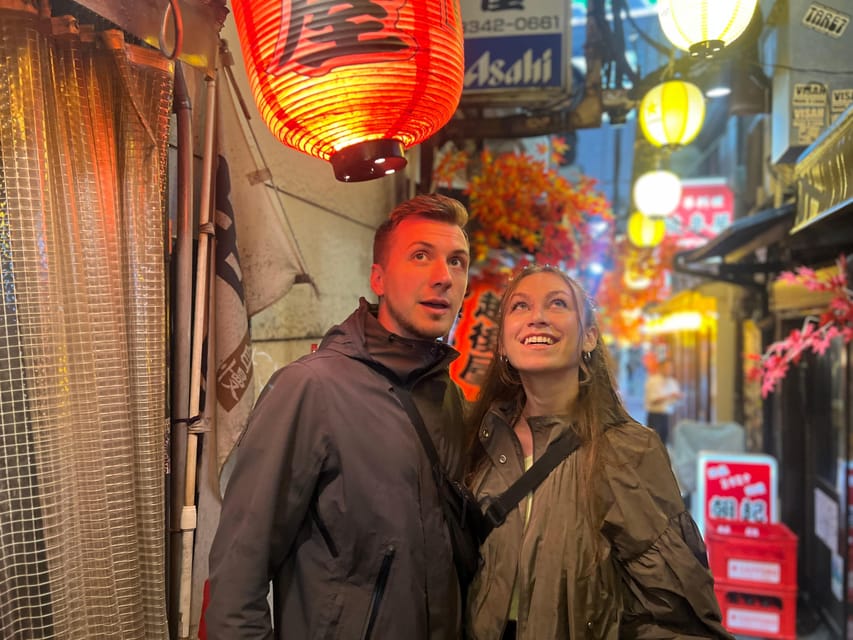
Tokyo: Shinjuku Food Tour (13 Dishes and 4 Eateries)
Three hours with a guide through Shinjuku, 13 dishes in 4 local restaurants. Dinner and an introduction to the area in one go.
4.9(3,993 reviews)
- 3 hours
- Free cancellation
From $83per person
See prices & availability
Tokyo: Asakusa Walking Tour with Sensoji Temple Visit
A two-hour guided walk around Asakusa and Senso-ji, with the history of the temple, Kaminarimon and Nakamise street.
4.8(2,036 reviews)
- 2 hours
- Free cancellation
From $22per person
See prices & availability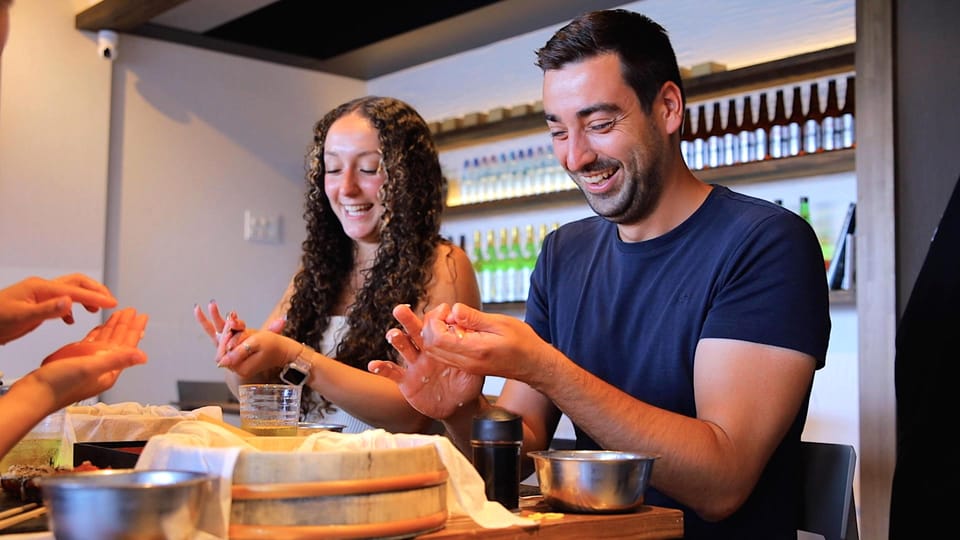
Tokyo: Roll and Authentic Sushi Making Class in Asakusa
A 100-minute class in Asakusa where you make rolled sushi and classic sushi yourself, then eat what you made.
4.9(2,309 reviews)
- 100 minutes
- Free cancellation
From $57per person
See prices & availability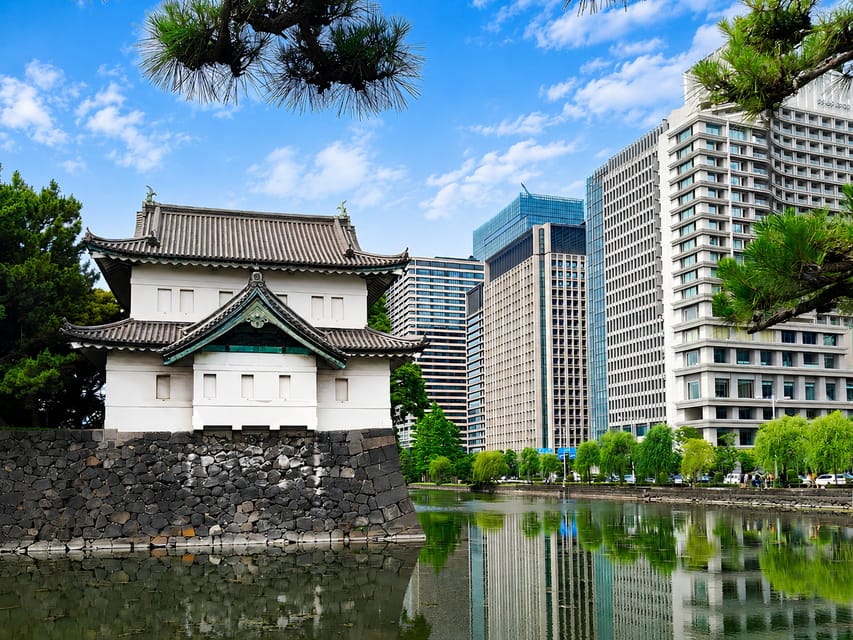
Tokyo: Imperial Palace and Shogun Walking Tour
Two hours on foot around the Imperial Palace grounds with a guide who explains Edo Castle and the shoguns who ruled from it.
4.8(2,525 reviews)
- 2 hours
- Free cancellation
From $6per person
See prices & availability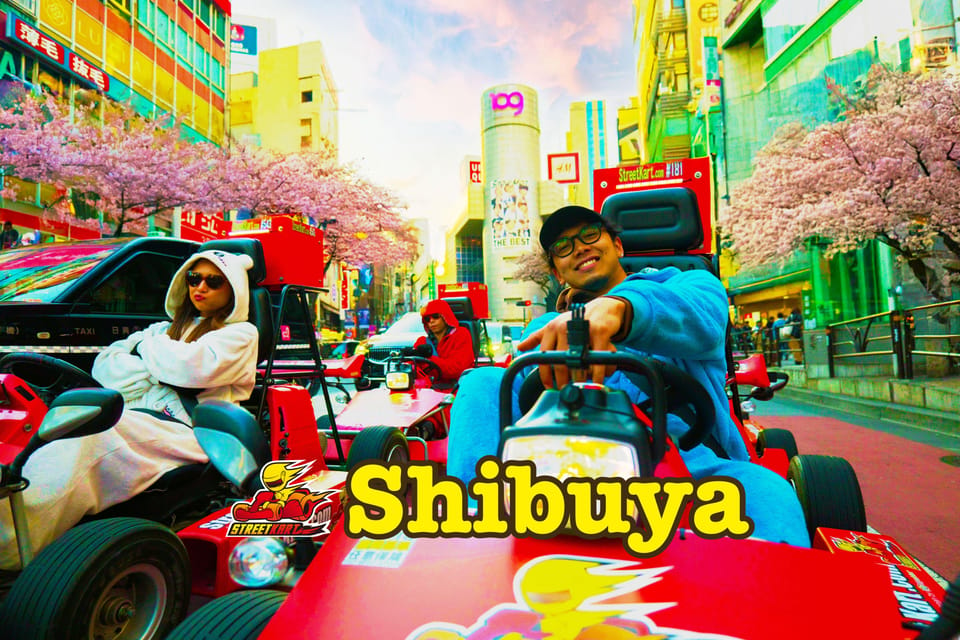
Tokyo: Street Kart Experience in Shibuya
One hour on public roads around Shibuya in a go-kart. Bring your passport and an International Driving Permit.
4.9(1,984 reviews)
- 1 hour
From $103per person
See prices & availability
Tokyo attractions that need a reservation in 2026
Temples, shrines, parks, markets and neighbourhoods take you as you come. Six places sell timed tickets only, and two of them, the Ghibli Museum and the Pokémon Café, open their sales on a fixed date and sell out within hours.
| Place | Adult price | When to book |
|---|---|---|
| Ghibli Museum, Mitaka | ¥1,000 ($6) | The 10th of each month at 10:00 Japan time, for the following month. No tickets at the door |
| Pokémon Café, Nihonbashi | Menu from about ¥2,090 | One month at a time at 18:00 Japan time, announced on the café's news page |
| Shibuya Sky | ¥2,700 before 15:00, ¥3,400 after | As soon as your date opens, weeks ahead for sunset |
| teamLab Planets, Toyosu | From ¥3,800 ($24), varies by date | As soon as your dates are fixed, weekends and school holidays first |
| teamLab Borderless, Azabudai | From ¥3,400 ($21), varies by date | A few weeks ahead, ¥200 more on site when tickets remain |
| Tokyo Skytree | From ¥1,800 ($11) | Not required. Buying at the counter adds ¥500 per ticket |
For April, Ghibli tickets go on sale on 10 March at 10:00 in Japan, which is the evening of 9 March in North America and the early hours of 10 March in the UK and Ireland. Set an alarm. Our Japan itinerary places these bookings day by day for a 10-day trip.
Things to do in Asakusa: Senso-ji, Skytree and Kappabashi
Asakusa is the old merchant quarter on the Sumida River and the best place to start a trip. Go to Senso-ji before 9:00, before the tour groups arrive, then cross the river to Skytree.
 1Photo Stephen Kelly, CC BY 2.0, Wikimedia Commons
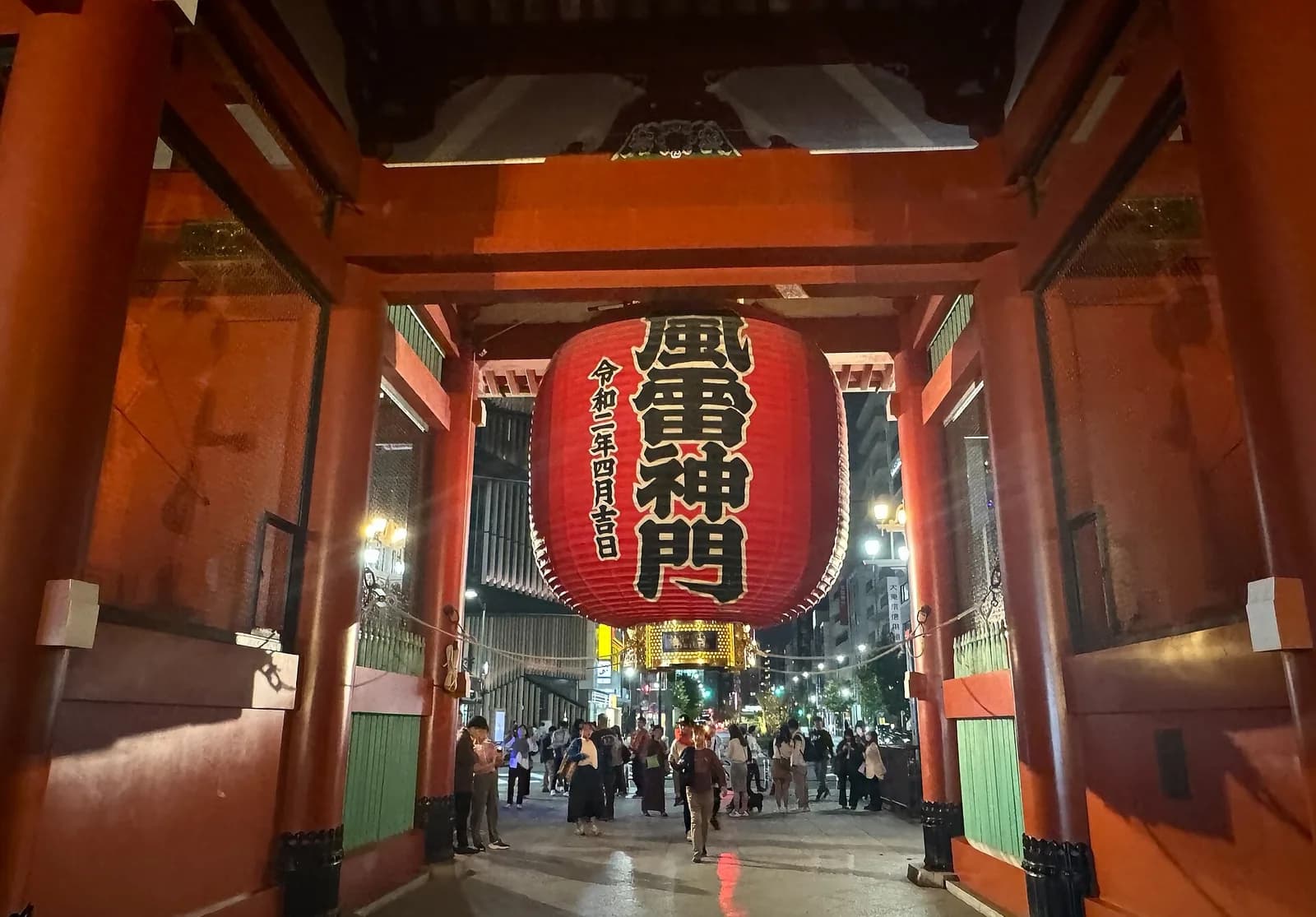
Asakusa, Tokyo's oldest temple
Senso-ji Temple and Nakamise street
Walk in through the Kaminarimon gate and its giant red lantern, then up Nakamise, the shopping street that leads to the main hall. There is no ticket, and the grounds stay open after the hall closes, which makes the temple a good stop for the evening as well. Our guide to Senso-ji covers the best times, the rituals and the side streets.
- Entry
- Free
- Main hall
- 6:00 (6:30 Oct to Mar) to 17:00
- Booking
- Not needed
 2Photo IQRemix, CC BY-SA 2.0, Wikimedia Commons
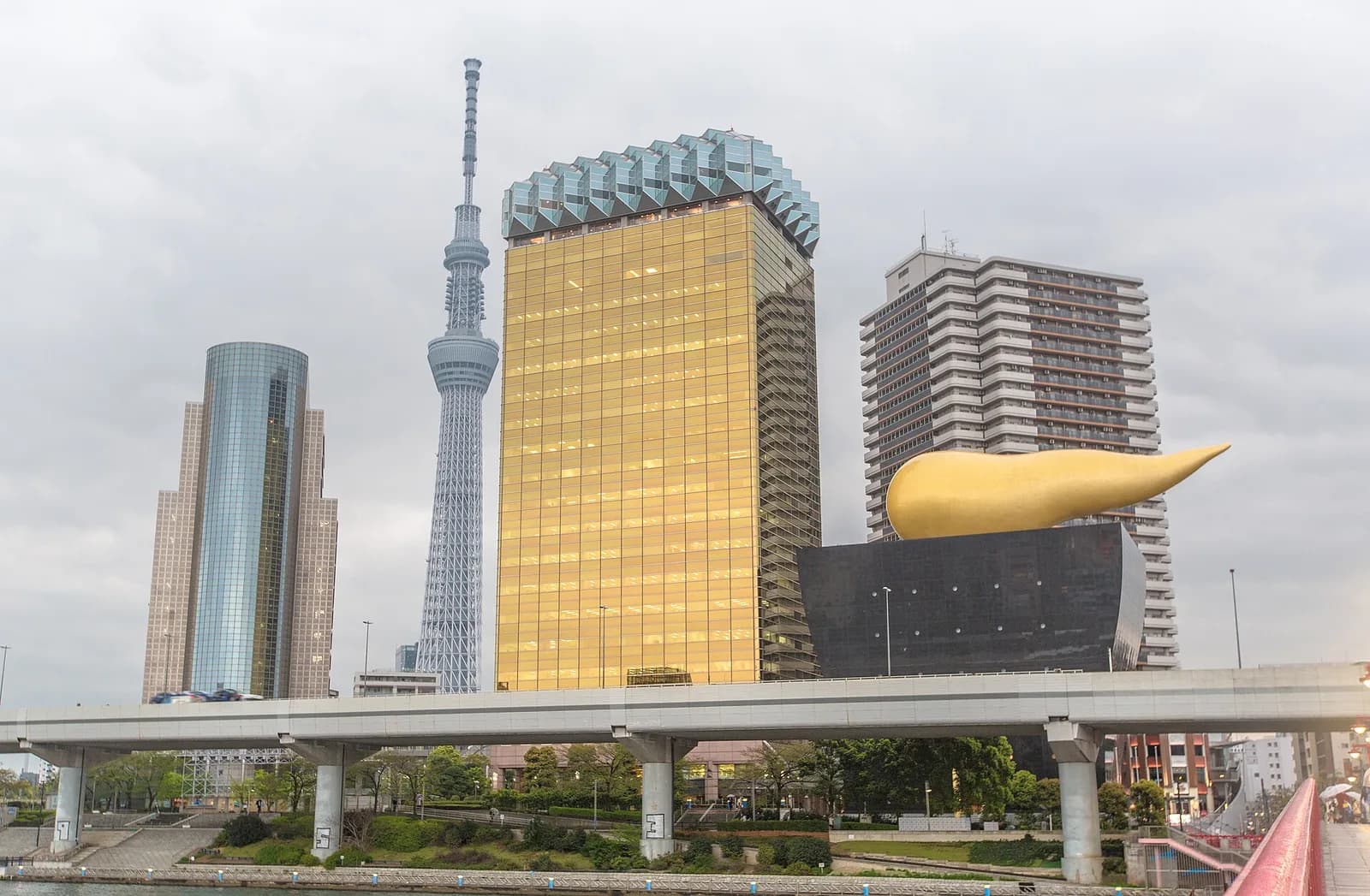
Oshiage, 15 minutes on foot from Senso-ji
Tokyo Skytree
The 634-metre tower has two decks, the Tembo Deck at 350 m and the Tembo Galleria at 450 m. Tickets start at ¥1,800 ($11) for the lower deck and ¥3,000 ($19) for both, and the price changes with the day. Buy online: the counter adds ¥500. Our Tokyo Skytree guide compares it with Shibuya Sky.
- Entry
- From ¥1,800 ($11)
- Hours
- 9:00 to 22:00, last entry 21:00
- Booking
- Online, ¥500 less than at the counter
3.
Between Asakusa and Ueno
Kappabashi kitchen street
A street of wholesale shops for restaurant owners, selling knives, ceramics, lacquered bowls, noren curtains and the plastic food models you see in Japanese windows. It is the best place in Tokyo to buy a Japanese kitchen knife, with shops that engrave the blade and pack it for the flight. Walk it from Asakusa on the way to Ueno, in the daytime, when the shops are open.
- Entry
- Free, a public street
- Best for
- Knives, tableware
 View on Google Maps
Things to do in Ueno and Yanaka: museums, the zoo and old Tokyo
Ueno Park holds several of Tokyo's major museums, a zoo and a pond within a 15-minute walk, and Yanaka starts just behind it. Note that the museums and the zoo are closed on Mondays, so plan this side of the city for another day.
1.
Ueno Park
Tokyo National Museum
Japan's oldest and largest museum holds samurai armour, swords, Buddhist statues, kimono and screens painted over a thousand years. One visit to the main Honkan building takes about two hours. The collections cost ¥1,000 ($6), and visitors under 18 and over 70 enter free. Special exhibitions have their own ticket.
The museum is closed on Mondays (or on Tuesday when Monday is a holiday), on 15 December and from 26 to 31 December 2026.
- Entry
- ¥1,000 ($6), free under 18
- Hours
- 9:30 to 17:00, some weekends to 20:00
- Closed
- Mondays
 2Photo Ximonic (Simo Räsänen), CC BY-SA 4.0, Wikimedia Commons
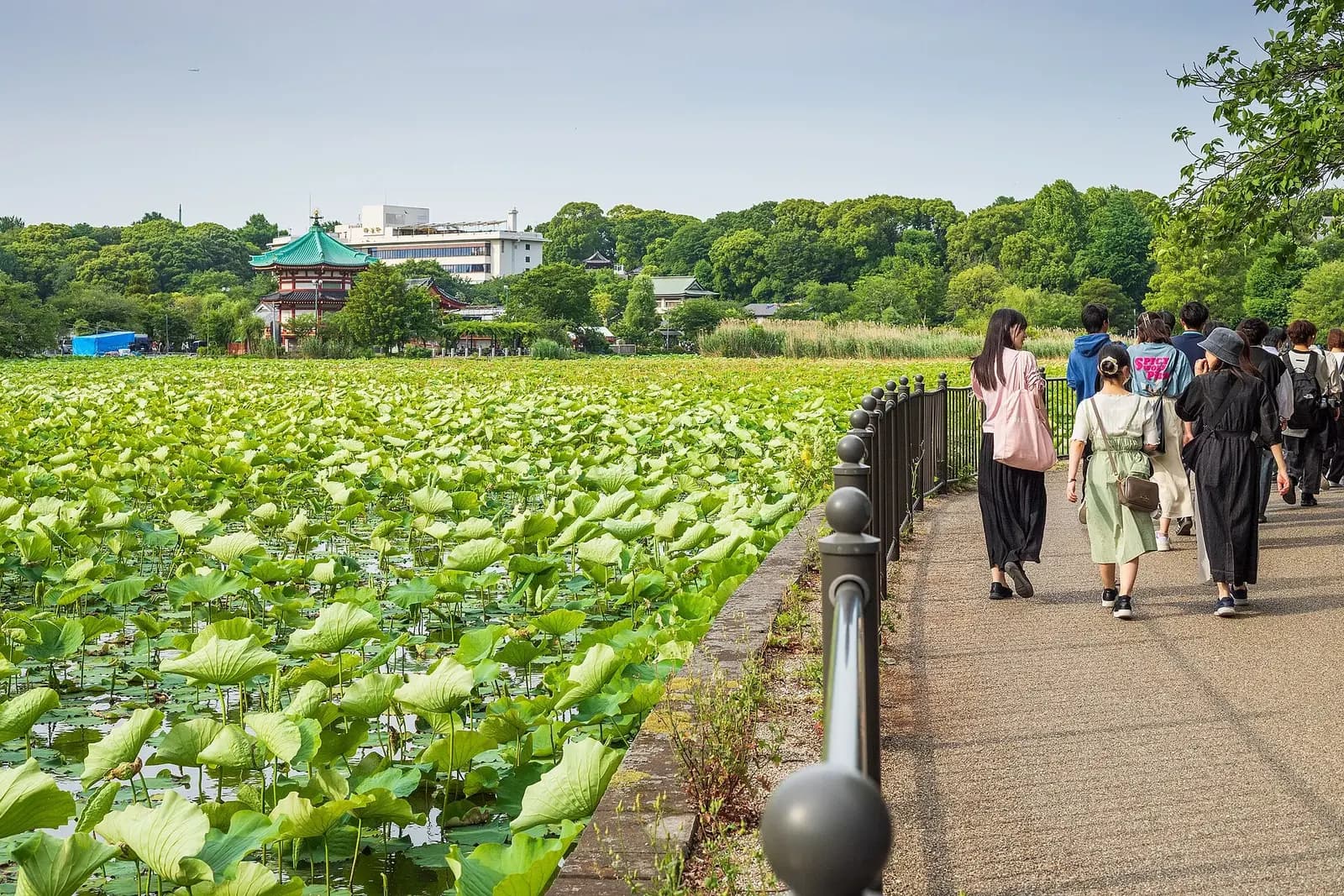
Ueno
Ueno Park and Ueno Zoo
The park around the museums has Shinobazu Pond and its lotus beds, Kaneiji and Toshogu shrines, and one of the busiest cherry blossom avenues in the city. Ueno Zoo, Japan's oldest, has giant pandas and is a good half-day with children at ¥600 ($4) for adults, free up to the end of primary school. It is closed on Mondays and is free on 1 October, Tokyo Citizens' Day.
- Park
- Free
- Zoo
- ¥600, 9:30 to 17:00
- Zoo closed
- Mondays
3.
Between Ueno and Okachimachi stations
Ameyoko market street
A loud, crowded market street that runs under and beside the JR tracks south of Ueno station, with fish and dried food stalls, cheap sneakers, cosmetics and standing bars. Come at lunchtime for seafood bowls and grilled skewers, or late afternoon for a beer under the railway arches. Nothing needs booking, and most stalls take cash.
- Entry
- Free
- Best for
- Street food, cheap shopping
 4Photo Dick Thomas Johnson, CC BY 2.0, Wikimedia Commons
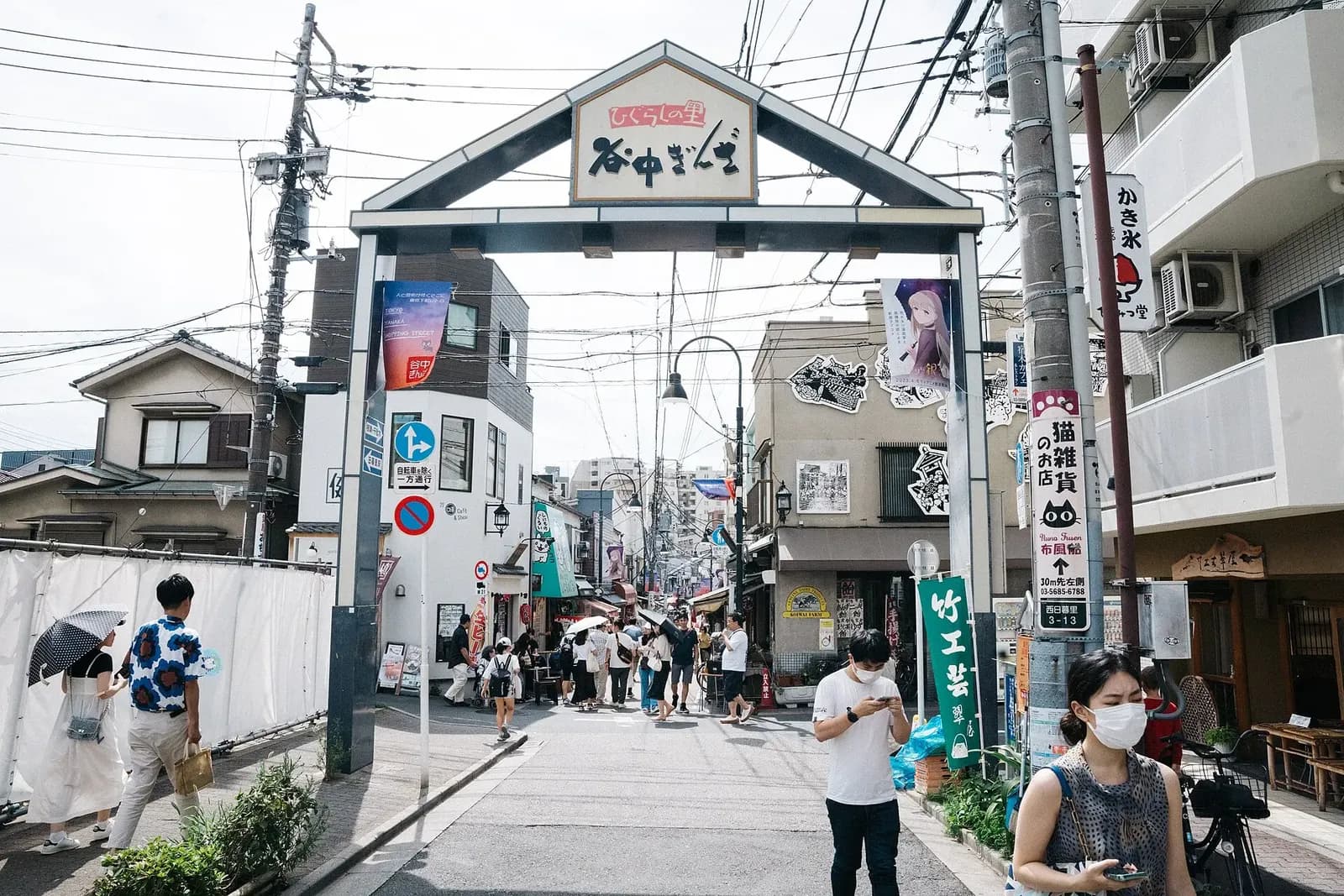
Yanaka, 10 minutes on foot from Nippori station
Yanaka Ginza and Yanaka Cemetery
Yanaka is the part of old Tokyo that survived the 1923 earthquake and the wartime bombing, with wooden houses, small temples and a shopping street, Yanaka Ginza, of family shops selling croquettes, rice crackers and sweets. Walk in from Nippori station through Yanaka Cemetery, then down the Yuyake Dandan steps into the street. It is one of the most unique things to do in Tokyo, and it costs nothing.
- Entry
- Free
- Station
- Nippori (JR)
5.
Nezu, 15 minutes on foot from Yanaka
Nezu Shrine
A shrine with a lacquered gate, a row of small red torii gates on a hillside and, in April, thousands of azaleas. It is a quiet version of the torii tunnels people travel to Kyoto for, ten minutes from the busiest museums in Tokyo. Entry to the shrine is free.
- Entry
- Free
- Best month
- April, azaleas
Things to do in Akihabara, Tokyo's anime and electronics district
 1Photo Jakub Hałun, CC BY 4.0, Wikimedia Commons
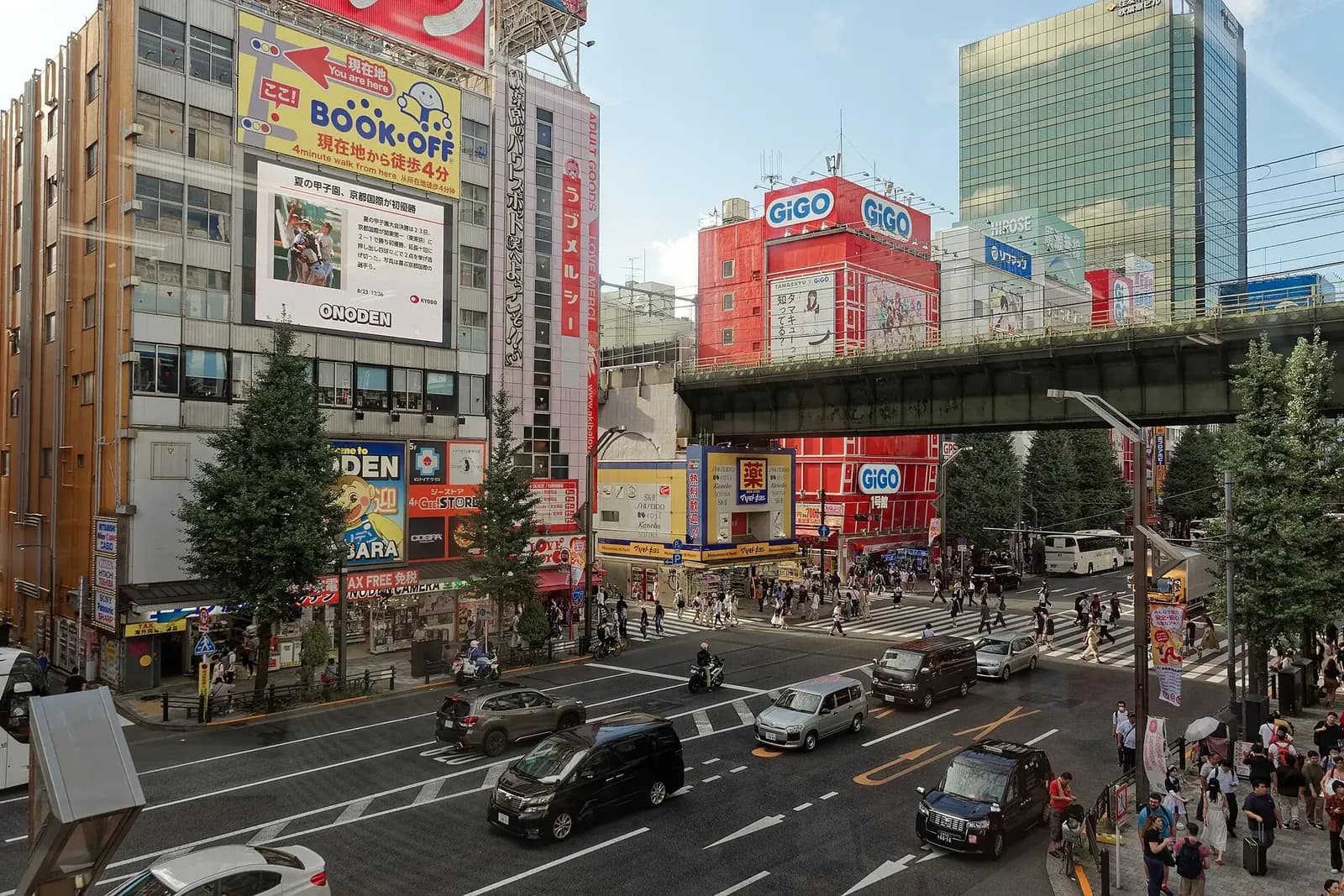
Akihabara, two stops from Ueno
Akihabara Electric Town
Multi-storey arcades, retro game shops, anime figures, maid cafés and electronics stores line Chuo-dori and its side streets. It is the first stop for things to do in Tokyo for anime fans, and it is free to wander. Our Akihabara guide lists the arcades and shops worth the climb.
- Entry
- Free to wander
- Best time
- Afternoon and evening
Imperial Palace, Ginza and Tsukiji: things to do in central Tokyo
These three areas sit within 25 minutes' walk of each other. A good order is Tsukiji for a late breakfast, the department stores of Ginza, then the East Gardens of the palace in the afternoon, except on Mondays and Fridays, when they are closed.
 1Photo Tony Wu, Pexels
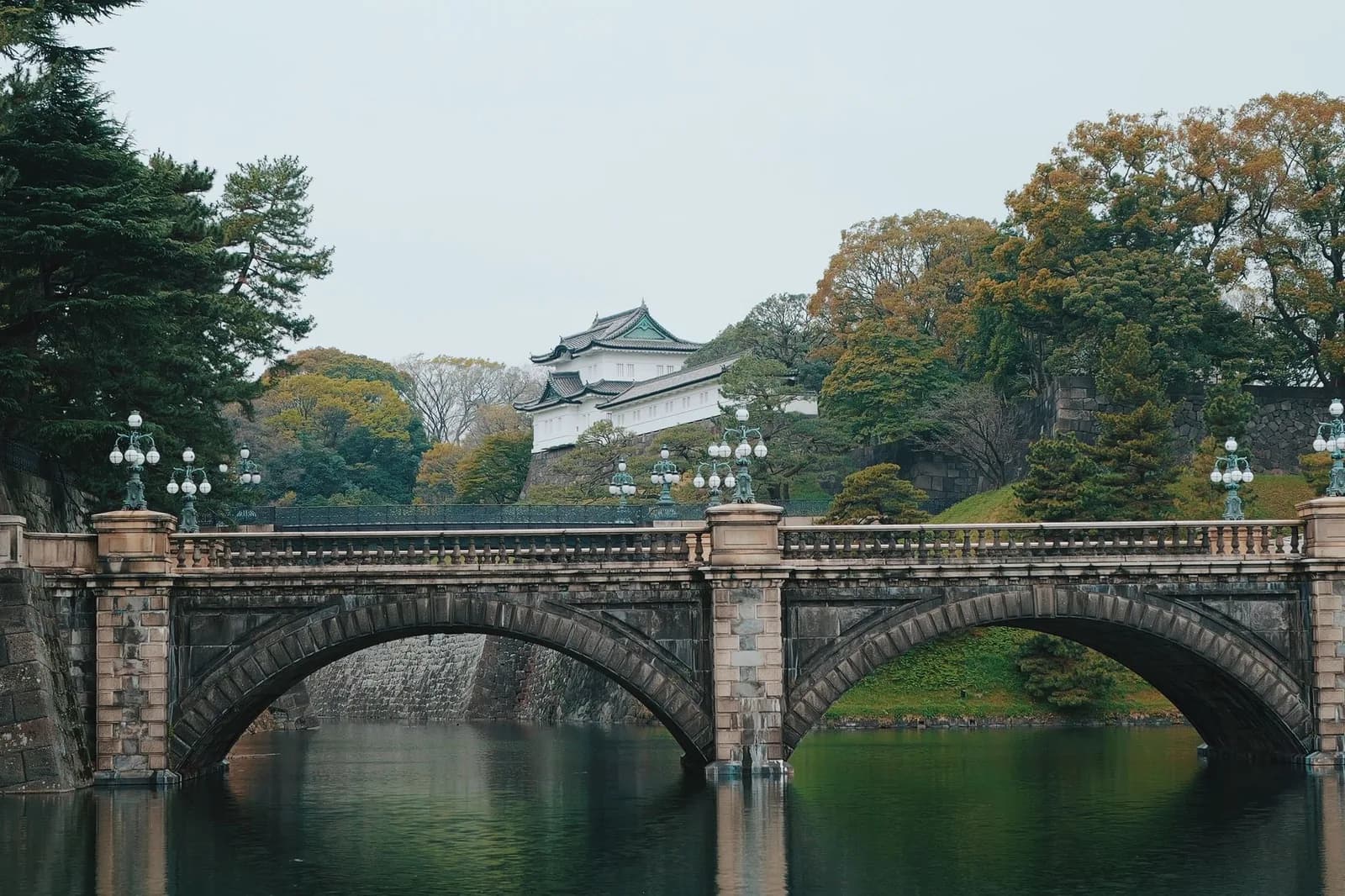
Marunouchi, 10 minutes on foot from Tokyo Station
Imperial Palace East Gardens
The palace itself is closed to visitors, but the East Gardens, on the grounds of the old Edo Castle, are open with free entry. You walk past massive stone walls, the base of the former keep and a Japanese garden, then out to the Nijubashi bridge view from the plaza. Bags are checked at the gate.
The gardens are closed on Mondays and Fridays, and close at 16:00 from November to February, with last entry at 15:30.
- Entry
- Free
- Hours
- From 9:00, closing 16:00 to 18:00 by season
- Closed
- Mondays and Fridays
2.
Tsukiji, next to Ginza
Tsukiji Outer Market
The wholesale fish market moved to Toyosu in 2018, but the outer market stayed: a few blocks of stalls selling tamagoyaki, grilled scallops, sushi breakfasts and knives. Shops keep their own hours, and the public is welcome from around 9:00 to 14:00, so come for a late breakfast, not dinner. The page on Tsukiji and Toyosu markets explains what is where.
- Entry
- Free
- Best time
- 9:00 to 11:00
- Booking
- Not needed
3.
Ginza
Kabuki at the Kabukiza theatre
A full kabuki programme lasts several hours. The single-act tickets (hitomakumi) are the way in for a first visit: one act, a seat on the 4th floor, and in the November 2026 programme they cost ¥1,600 to ¥3,000 ($10 to $19), sold at the theatre on the day. Ginza's department store food halls, two minutes away, make a good lunch before or after.
- Single act
- ¥1,600 to ¥3,000 (Nov 2026)
- Booking
- On the day, at the theatre
Things to do in Shibuya: the crossing and Shibuya Sky
 1Photo Joli Rumi, CC BY-SA 4.0, Wikimedia Commons
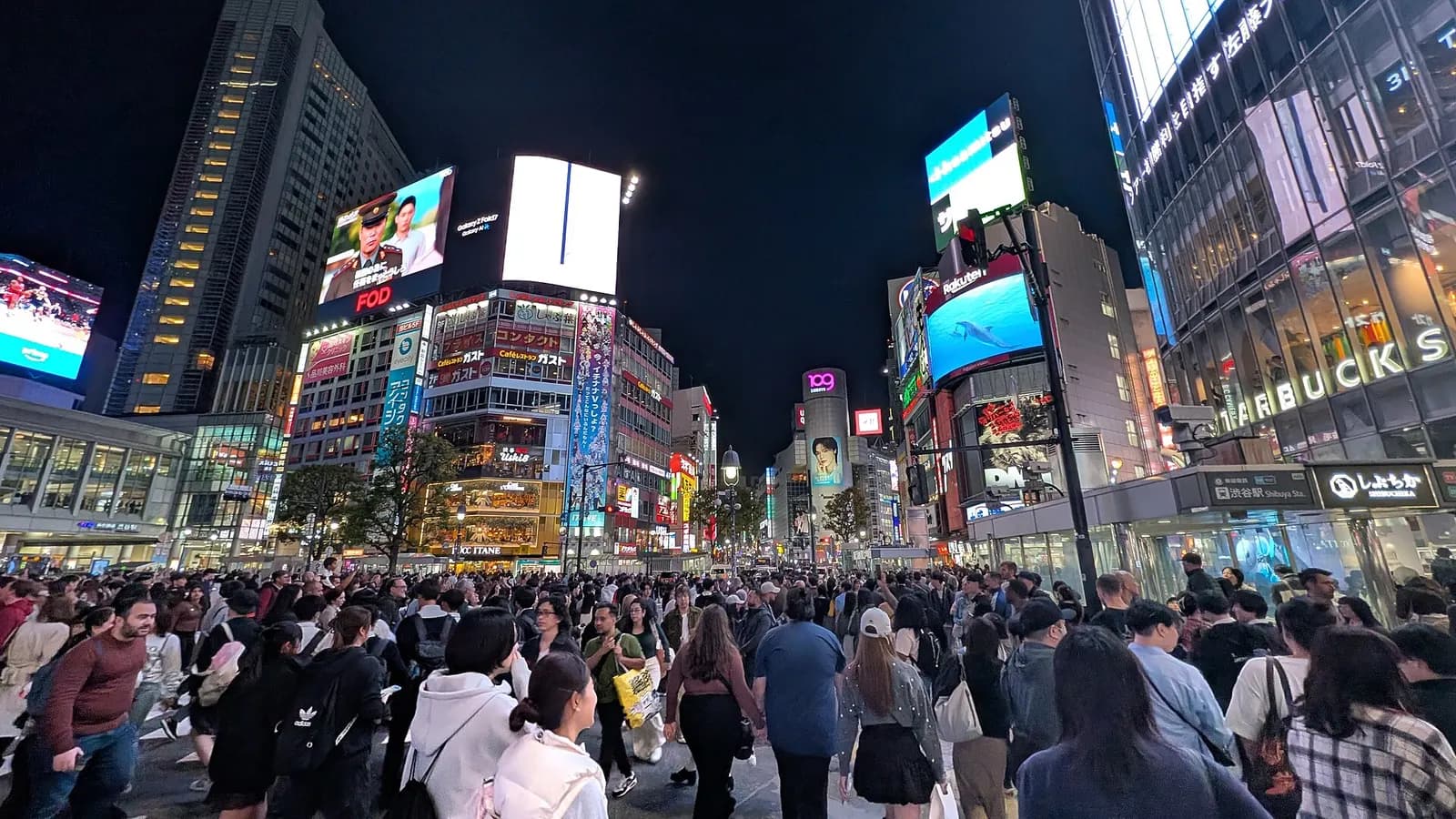
Shibuya station, Hachiko exit
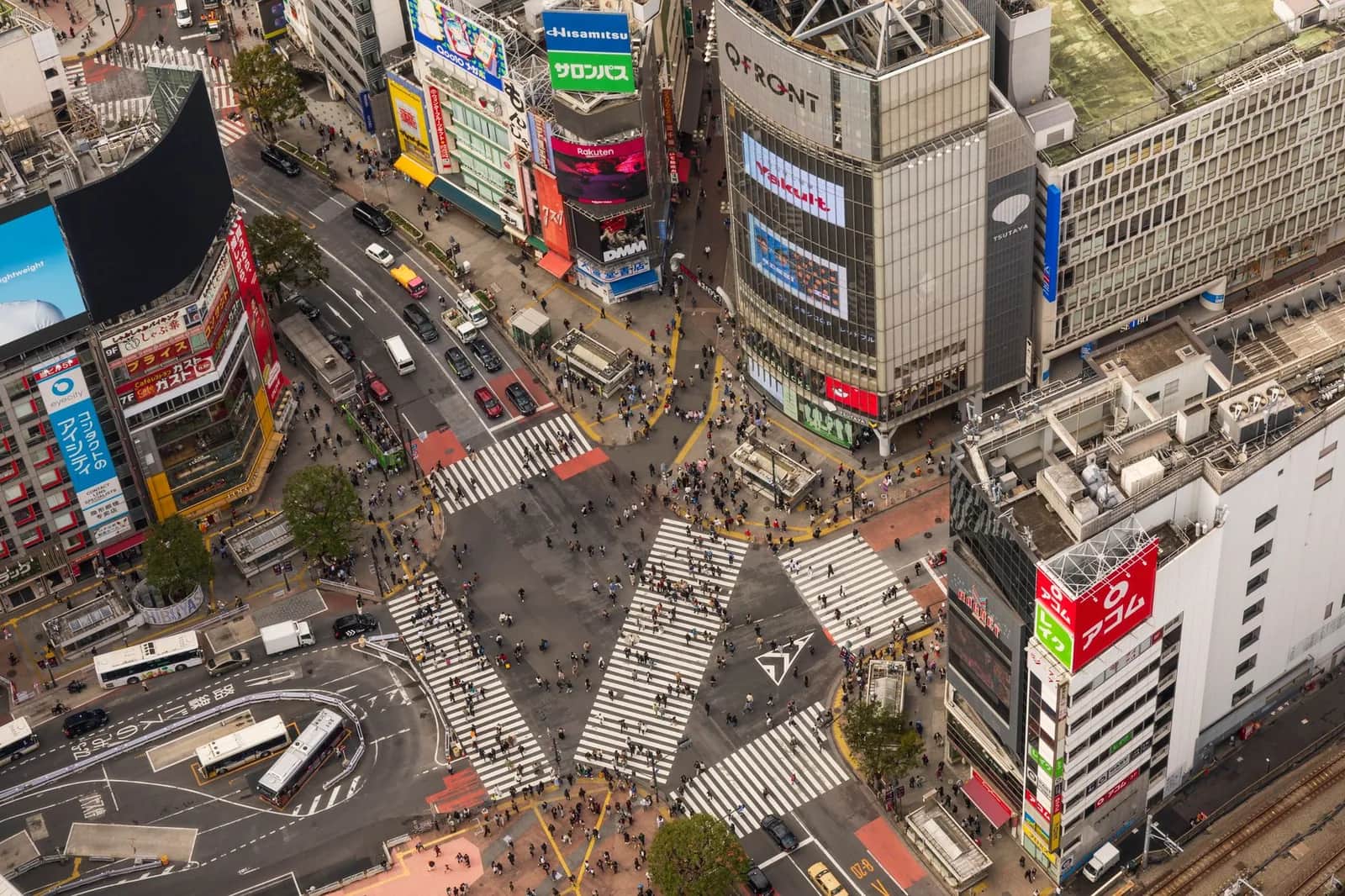
Shibuya Crossing and the Hachiko statue
Up to several thousand people cross at each green light from five directions at once. Walk it once at street level, then watch it from above, from the windows of the station buildings or from Shibuya Sky. The bronze statue of Hachiko, the dog who waited for his owner at the station for years, stands next to the exit of the same name and is the classic meeting point. Both are free, and the crossing is at its busiest after dark.
- Entry
- Free
- Best time
- Evening, 18:00 to 21:00
2.
Roof of Shibuya Scramble Square
Shibuya Sky
An open-air rooftop 230 metres above the crossing, with a view to Tokyo Tower, Skytree and, on clear days, Mount Fuji. Adult tickets bought online cost ¥2,700 ($17) before 15:00 and ¥3,400 ($21) from 15:00, and ¥300 more at the counter when there are any left. The sunset slots sell out first, so book as soon as your date opens, and keep a cloudy-day option in mind.
- Entry
- From ¥2,700 ($17) online
- Hours
- 10:00 to 22:30, last entry 21:20
- Booking
- Yes, timed tickets
Harajuku and Meiji Jingu: what to do between the shrine and Omotesando
Harajuku is one stop from Shibuya on the JR Yamanote line, or a 20-minute walk. Start with Meiji Jingu in the morning, while the forest is quiet, then walk down into the shopping streets.
 1Photo Zairon, CC BY-SA 4.0, Wikimedia Commons
Harajuku station, west side
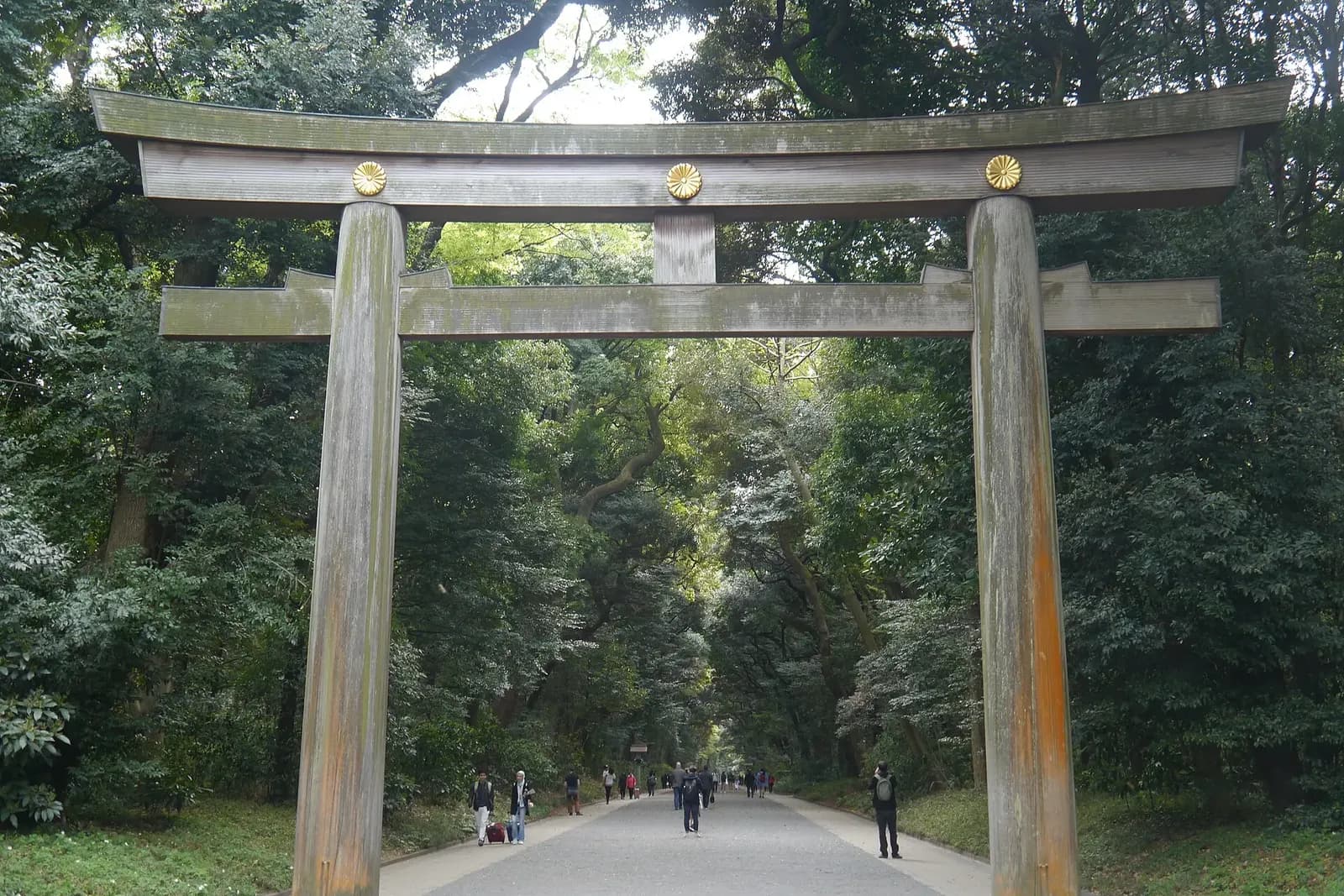
Meiji Jingu shrine
Tokyo's great Shinto shrine sits in a forest of about 100,000 trees planted for it a century ago. A wide gravel path leads under tall wooden torii gates to the shrine buildings, a 10 to 15-minute walk from Harajuku station. Entry is free, and the gates open at sunrise and close at sunset, at 16:10 in November and 16:00 in December, earlier than most visitors expect.
- Entry
- Free
- Hours
- Sunrise to sunset, every day
- Booking
- Not needed
2.
Harajuku
Takeshita Street and Omotesando
Takeshita Street, opposite Harajuku station, is the narrow lane of crêpe stands, rainbow candy floss and teenage fashion. Five minutes south, Omotesando is its grown-up neighbour, a tree-lined avenue of flagship stores by Japanese architects, with the backstreets of Ura-Harajuku for vintage clothing in between. Go on a weekday morning to avoid the weekend crush on Takeshita.
- Entry
- Free
- Quietest
- Weekday mornings
Things to do in Shinjuku: free views, a garden and the night alleys
1.
Nishi-Shinjuku, 10 minutes on foot from Shinjuku station
Tokyo Metropolitan Government Building observatories
Two free observation floors on the 45th floor of City Hall, 202 metres up, with a view west to Mount Fuji on clear winter mornings. It is the best free view of Tokyo. The two towers close on different days each month for maintenance, and opening hours vary, so check the official calendar the day before. There is a security check but no booking.
- Entry
- Free
- Hours
- From 9:30, closing time varies
- Booking
- Not needed
 2Photo Basile Morin, CC BY-SA 4.0, Wikimedia Commons
Shinjuku, south-east of the station
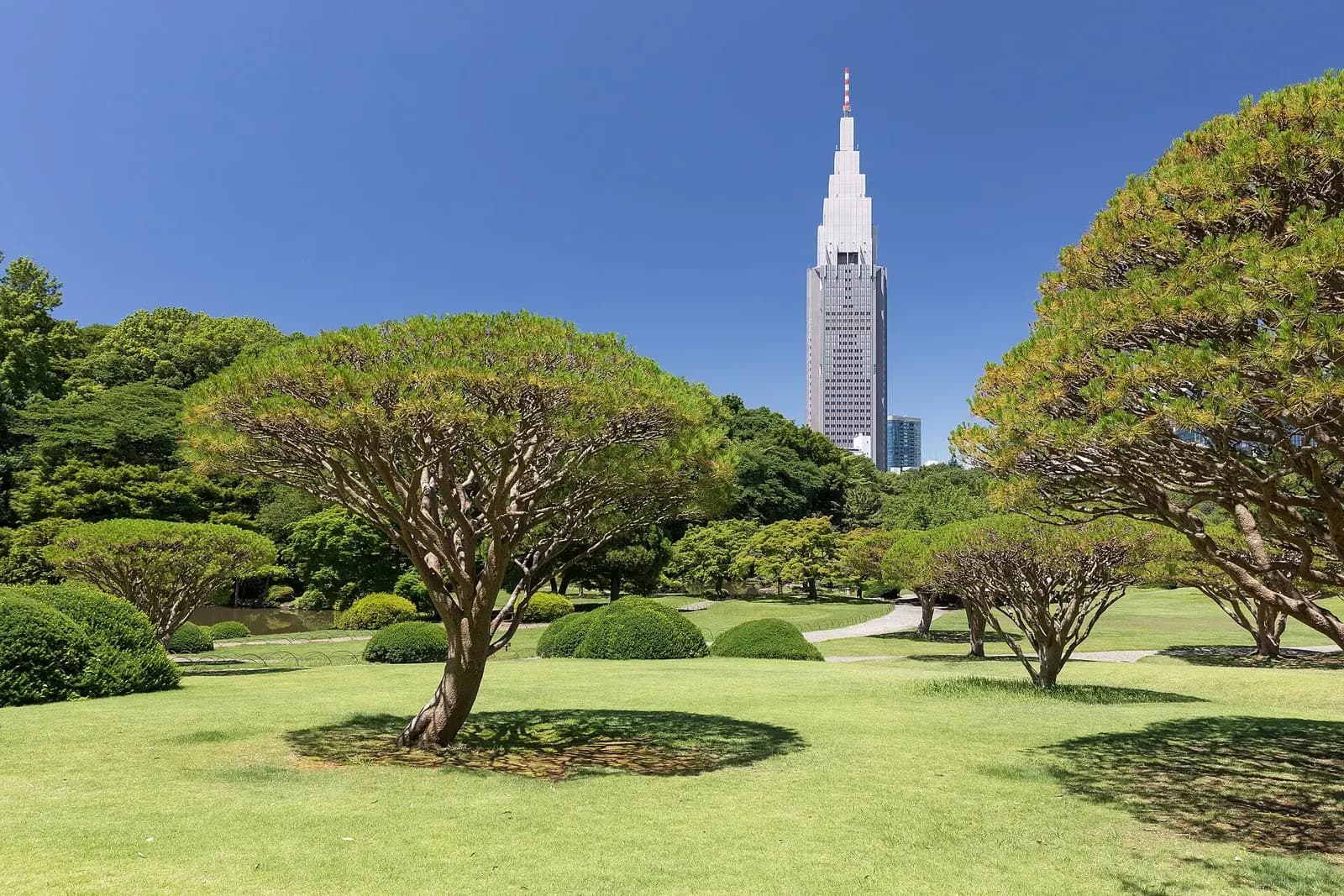
Shinjuku Gyoen National Garden
A former imperial garden of 58 hectares with French, English and Japanese sections, a greenhouse and more than a thousand cherry trees. Adult entry is ¥500 ($3), payable with a Suica card at the gates. It is closed on Mondays, except from 25 March to 24 April and during the chrysanthemum show in early November, when it opens every day.
- Entry
- ¥500 ($3), free 15 and under
- Hours
- 9:00 to 16:30 (Oct to mid-Mar)
- Closed
- Mondays, outside spring
3.
Shinjuku, west and east of the station
Omoide Yokocho and Golden Gai
Omoide Yokocho, next to the west exit, is a pair of alleys of yakitori counters under paper lanterns, each with a dozen seats. Golden Gai, on the east side near Kabukicho, packs about 200 tiny bars into six lanes, some for regulars only, others with English menus. Several bars charge a cover fee on top of drinks, so read the sign on the door. Both are among the best things to do in Tokyo at night for adults.
- Entry
- Free, pay per drink
- Best time
- From 19:00
Things to do in Roppongi and Azabudai Hills: art and towers
1.
Azabudai Hills
teamLab Borderless
A digital art museum without a fixed route, where projected flowers, waterfalls and light installations move between dark rooms. Adult tickets start at ¥3,400 ($21) with prices that change by date, and entry is by timed ticket only. Our page on teamLab Planets and Borderless explains how the two museums differ.
- Entry
- From ¥3,400 ($21)
- Hours
- Usually 8:30 to 21:00
- Booking
- Yes, timed tickets
2.
Roppongi Hills Mori Tower
Tokyo City View and the Mori Art Museum
The 52nd-floor indoor deck of Roppongi Hills faces Tokyo Tower head-on. From 13 November 2026 to 14 February 2027 the side facing Mount Fuji is closed, so tickets are reduced to ¥2,200 ($14) online or ¥2,400 at the counter. The Mori Art Museum, one floor up, shows Mariko Mori until 28 March 2027, for ¥2,600 online on weekdays. Go before the summer of 2027: the museum closes for renovation from September 2027 to April 2028.
- Deck
- ¥2,200 online until 14 Feb 2027
- Hours
- 10:00 to 22:00
- Booking
- Online is cheaper
 3Pexels
Shiba Park, 15 minutes on foot from Roppongi Hills
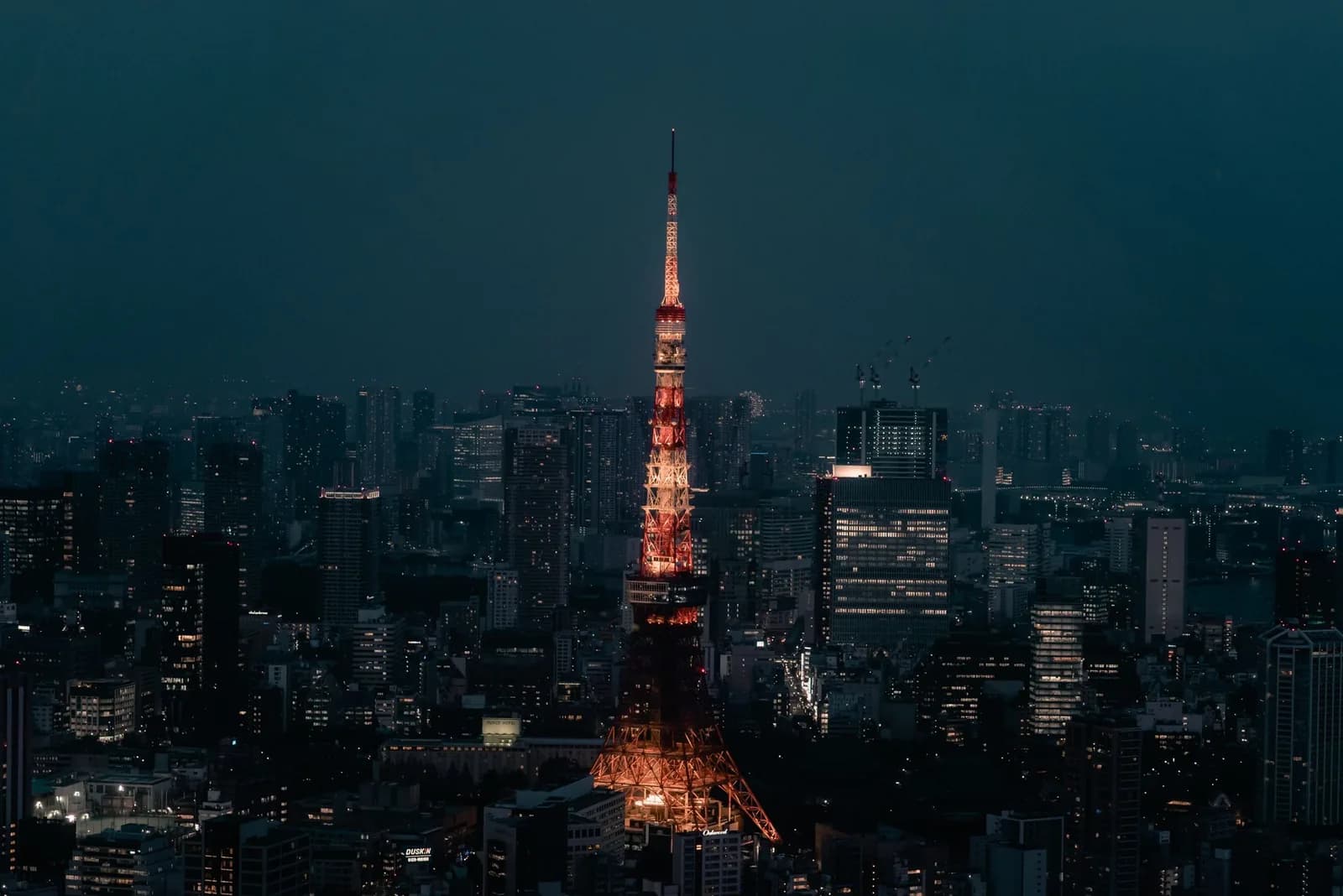
Tokyo Tower
The red and white tower of 1958 is shorter than Skytree but sits in the middle of the city, so its Main Deck at 150 m and the guided Top Deck Tour at 250 m look straight down on central Tokyo. It is open late, until 23:00 for the Main Deck, and the best photos of the tower itself are free, from Shiba Park or Zojo-ji temple at its foot.
- Hours
- 9:00 to 23:00, last entry 22:30
- Top Deck
- Guided tour, book online
Things to do in Odaiba and Toyosu: teamLab Planets and the bay
Odaiba and Toyosu are linked by the Yurikamome line. Combine teamLab Planets with a walk on the Odaiba waterfront at sunset, and leave the Toyosu tuna auction for a separate early morning.
1.
Toyosu, Shin-toyosu station
teamLab Planets
The other teamLab museum, where you walk barefoot through knee-deep water and a room of floating orchids. Adult tickets start at ¥3,800 ($24), with timed slots that sell out on weekends and in school holidays. It is scheduled to stay open until the end of 2027. The teamLab guide has the booking details.
- Entry
- From ¥3,800 ($24)
- Hours
- 8:00 to 22:00
- Booking
- Yes, timed tickets
2.
Shijo-mae station, Yurikamome line
Toyosu Market
The wholesale market that replaced Tsukiji, where you watch the tuna auction through the windows of a second-floor gallery, without a reservation, early in the morning (the auction runs from about 5:30). The market is closed on Sundays, public holidays and some weekdays, so check its calendar before setting an alarm. The restaurants in the market buildings serve sushi breakfasts from early morning.
- Entry
- Free gallery
- Closed
- Sundays, holidays, some weekdays
 3Photo DXR, CC BY-SA 4.0, Wikimedia Commons
Odaiba-kaihinkoen station, Yurikamome line
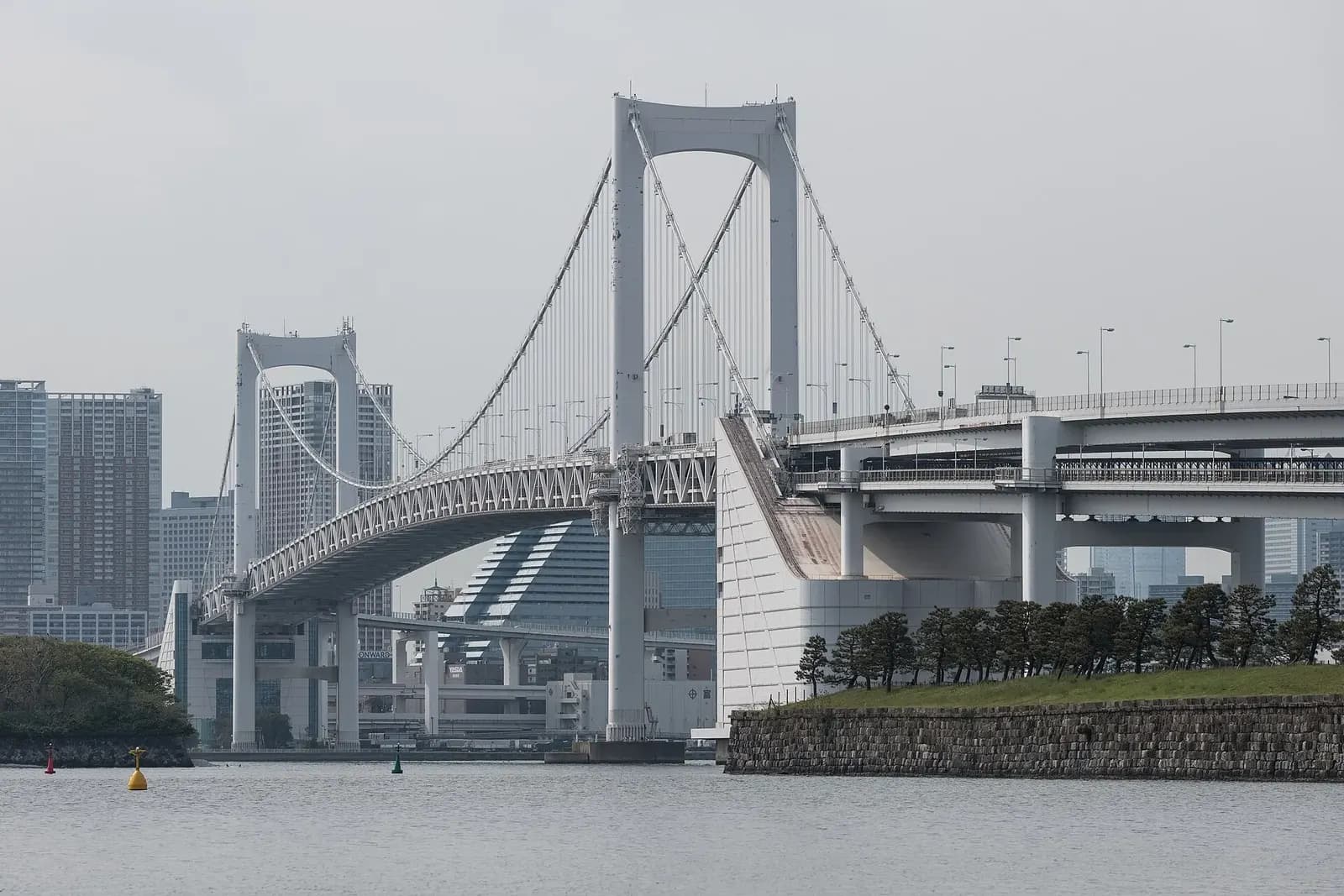
Odaiba waterfront and Rainbow Bridge
The man-made island on Tokyo Bay has a sandy beach park, the Rainbow Bridge lit up at night and malls with arcades and indoor attractions. Ride the driverless Yurikamome train over the bridge from Shimbashi and sit at the front. Two things in older guides are gone: the life-size Unicorn Gundam statue at DiverCity ended its display on 31 August 2026, and the Oedo Onsen Monogatari hot spring park closed in 2021.
- Entry
- Free
- Best time
- Sunset and evening
Things to do in Ikebukuro: Sunshine City and Pokémon
1.
Ikebukuro, east exit
Sunshine 60 observatory and Sunshine City
The Sunshine City complex packs a 60th-floor observatory, an aquarium on the roof and a mall into one block. It is one of the easiest things to do in Tokyo with kids on a rainy day. The observatory was open from 11:00 to 21:00 when we checked. Its prices and those of the aquarium are listed on the ticket site, not on the main page.
- Observatory
- 11:00 to 21:00
- Good for
- Rainy days, children
2.
Sunshine City, Alpa 2F
Pokémon Center Mega Tokyo
The biggest official Pokémon shop in Tokyo, with plush toys, cards and Japan-only merchandise, next to the area's anime and arcade shops on Otome Road. The official page lists it as open every day from 10:00 to 20:00 and warns that hours can change, so check its notice page on the day.
- Entry
- Free shop
- Hours
- 10:00 to 20:00
Shimokitazawa, the unique neighbourhood west of Shibuya
1.
Keio Inokashira line from Shibuya, Odakyu line from Shinjuku
Shimokitazawa
Low-rise streets of vintage clothing shops, record stores, coffee bars and live music venues, a few minutes by train from Shibuya or Shinjuku. Come after 12:00, when the second-hand shops open, and stay for a small concert or an izakaya in the evening. It is the neighbourhood locals point to when you ask for things to do in Tokyo for young adults.
- Entry
- Free
- Best time
- Afternoon and evening
Ghibli Museum, Pokémon Café and sumo: Tokyo's hardest tickets
These three are outside the neighbourhoods above, and all three depend on a date: a sales day for Ghibli and the Pokémon Café, a tournament month for sumo.
1.
Mitaka, 20 minutes by JR Chuo line from Shinjuku
Ghibli Museum
Hayao Miyazaki's museum shows the studio's sketches, a rooftop robot from Laputa and a short film that plays nowhere else. Adult tickets cost ¥1,000 ($6), but there is no ticket at the door: they go on sale on the 10th of each month at 10:00 Japan time for the whole following month, through Lawson Ticket, and popular days sell out within hours. From Mitaka station, take the community bus (¥230) or walk 15 minutes along the canal.
- Entry
- ¥1,000 ($6)
- Hours
- 10:00 to 18:00
- Booking
- Required, the 10th at 10:00
2.
Nihonbashi Takashimaya, East Building 5F
Pokémon Café
A themed café where Pikachu comes out among the tables and every dish is shaped like a Pokémon, from about ¥2,090 for a parfait. Reservations are compulsory and taken online only. The old rule of booking 31 days ahead has gone: the café now opens one month at a time, at 18:00 Japan time, and the slots for December 2026 went on sale on 1 November. Watch the news page of the official site for the next opening.
- Hours
- 10:30 to 21:00
- Booking
- Required, monthly release
3.
Ryogoku, one stop from Akihabara
Sumo at Ryogoku Kokugikan
Tokyo hosts three of the six grand sumo tournaments each year, in January, May and September, at the Kokugikan arena. The next one runs from 10 to 24 January 2027, with tickets on sale from 5 December 2026 on the official Ticket Oosumo site in English. The May 2027 tournament runs from 9 to 23 May. Outside those weeks, a sumo show such as the one in the tours above is the alternative.
- Next tournament
- 10 to 24 Jan 2027
- Tickets on sale
- 5 Dec 2026
Day trips from Tokyo: Kamakura, Nikko, Hakone and Yokohama
Kamakura, temples and the Great Buddha
Kamakura was the capital of Japan in the 13th century and is the easiest day trip from Tokyo: about one hour on the JR Yokosuka line from Tokyo Station, for around ¥1,000 each way on a Suica card. The 11-metre bronze Great Buddha of Kotoku-in costs ¥300 to see, and the walk between the Zen temples of Kita-Kamakura and the Tsurugaoka Hachimangu shrine fills the rest of the day. Go on a weekday: the narrow streets around Komachi-dori are packed at weekends, and in mid-June for the hydrangeas.
Nikko, the shrines of the Tokugawa shoguns
Nikko is a mountain town of lacquered shrines and waterfalls, about two hours from Asakusa on a Tobu limited express (around ¥2,850 to ¥3,540 one way, depending on the train). Tobu sells a Nikko Pass World Heritage Area at ¥3,000 for two days to foreign visitors, which covers the train and local buses but not the limited express surcharge. Leave early: a day gives you Toshogu shrine and Kegon Falls, not much more.
Hakone and Mount Fuji
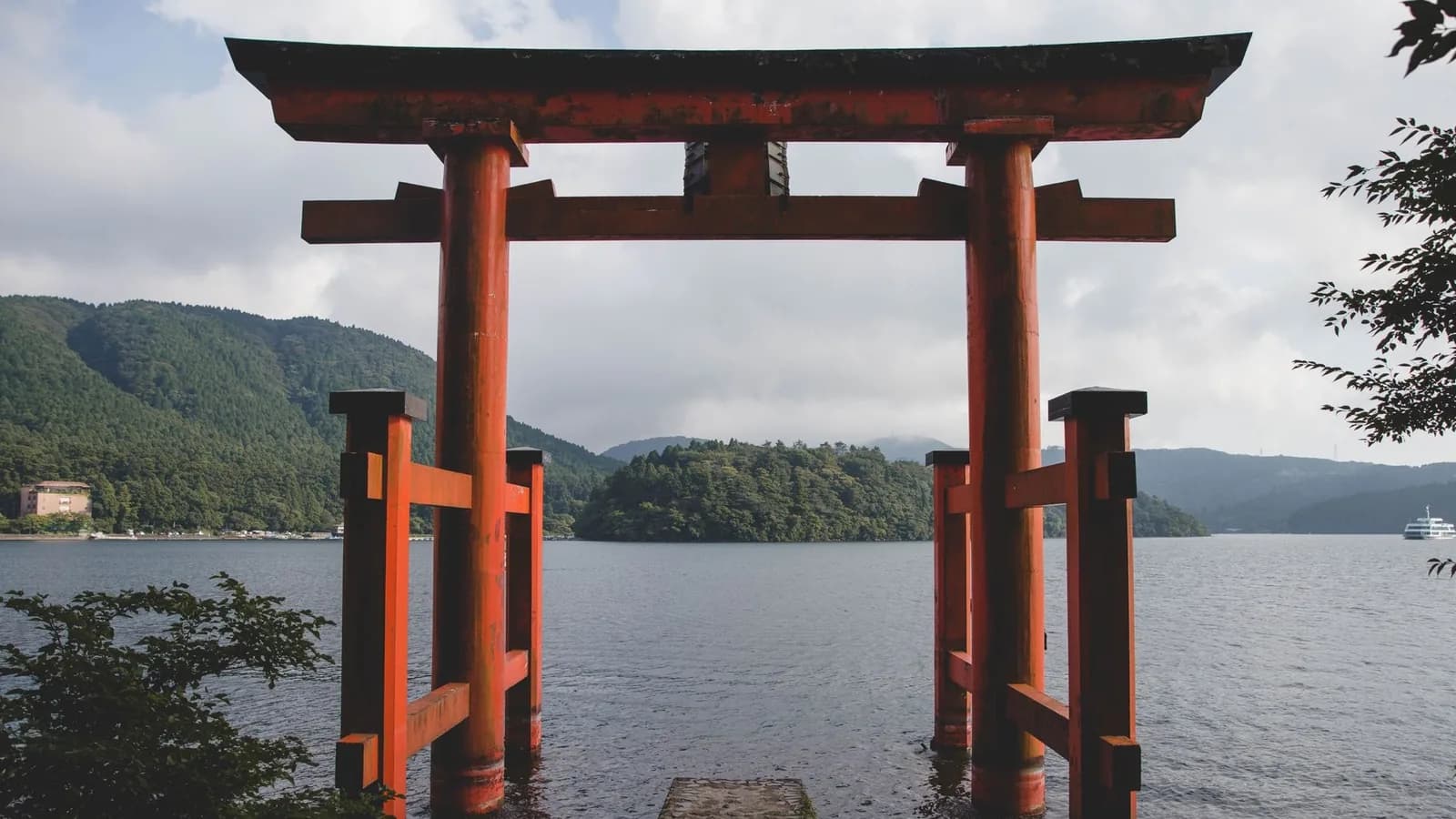
Hakone combines hot springs, a ropeway over the volcanic valley of Owakudani and a boat on Lake Ashi with Mount Fuji in the background when the sky is clear. The Odakyu Romancecar runs from Shinjuku to Hakone-Yumoto, and the Hakone Freepass costs ¥7,100 ($44) for two days from Shinjuku since its price rise in October 2025, plus ¥1,200 for a Romancecar seat. Our Mount Fuji and Hakone guide explains which viewpoints have the best odds of a clear view.
Yokohama, Chinatown and the harbour
Yokohama is Japan's second city and only about 30 minutes by train from Shibuya on the Tokyu Toyoko line, or from Tokyo Station on JR. Spend it between Chinatown for lunch, the Minato Mirai waterfront and the Cup Noodles Museum, or go to Shin-Yokohama for the Ramen Museum. It is the easiest half-day of the four, and works well on an evening when you want a view of a different skyline.
In winter, a longer trip goes to the snow monkeys of Jigokudani, in the mountains of Nagano, by Shinkansen and bus. Count a very full day.
How many days in Tokyo, and how to group the sights
Plan four to five days for a first visit. Tokyo is huge, so the rule is one side of the city per day, which keeps the train rides short.
| Day | Area | What to do |
|---|---|---|
| 1 | East | Senso-ji at 8:30, Kappabashi, Ueno Park and a museum, Yanaka at dusk |
| 2 | Centre | Tsukiji breakfast, Ginza, Imperial Palace East Gardens, a single act at Kabukiza |
| 3 | West | Meiji Jingu, Harajuku, Shibuya Crossing, Shibuya Sky at sunset |
| 4 | Shinjuku and the bay | teamLab, Shinjuku Gyoen or the Ghibli Museum, then Omoide Yokocho and Golden Gai |
| 5 | Day trip | Kamakura, Nikko, Hakone or Yokohama |
With three days, keep days 1 to 3 and add Akihabara to the evening of day 1. Our 10-day Japan itinerary builds on this Tokyo base before heading to Kyoto and Osaka.
Getting around Tokyo: Suica, subway passes and airport trains
The subway and JR lines reach every place on this page, and you pay with a Suica or Pasmo card tapped at the gates, also usable in shops and lockers. On iPhone, you can add a Suica to Apple Wallet before you fly. Our Suica card guide explains which version to get. For more than three rides a day on the subway, the Tokyo Subway Ticket, sold to visitors for 24, 48 or 72 hours, can work out cheaper.
From Narita, the Narita Express reaches Tokyo Station in about an hour for ¥3,140 ($20). Haneda is much closer, 20 to 30 minutes from central Tokyo. A Japan Rail Pass is not worth buying for Tokyo alone: it pays only with long Shinkansen trips.
Tokyo budget per day for tourists in 2026
These are our estimates per person and per day, two people sharing a room, at 160 yen to the dollar. They exclude flights and shopping.
| Per person, per day | Budget | Mid-range | Comfort |
|---|---|---|---|
| Where you sleep | Hostel, capsule: ¥6,000 | 3-star hotel: ¥12,000 | 4 to 5-star hotel: ¥30,000 |
| Food | ¥3,500 | ¥7,000 | ¥15,000 |
| Subway and trains | ¥1,000 | ¥1,000 | ¥3,000 with taxis |
| Sights and tickets | ¥1,500 | ¥3,000 | ¥5,000 |
| Total | about ¥12,000 ($75) | about ¥23,000 ($144) | about ¥53,000 ($331) |
Hotels make up about half of the bill. Food is cheaper than in London, New York or Sydney: a bowl of ramen costs ¥1,000 to ¥1,500, a convenience store breakfast under ¥600. The free sights on this page (Senso-ji, Meiji Jingu, the East Gardens, the City Hall observatories, the markets) keep the ticket line low.
Best time to visit Tokyo for sightseeing
The best months are late March to May and October to early December. Cherry blossoms reached full bloom in Tokyo around 26 to 29 March in 2026, and the autumn leaves turn from mid-November to early December. The hardest period is late June to mid-July for the rainy season, then August, with highs above 31 °C. Our best time to visit Japan guide gives the weather month by month, and the cherry blossom guide lists the best spots in Tokyo.
Where to stay in Tokyo for sightseeing
Shinjuku and Shibuya suit a first trip, with direct trains to the airports and the west-side sights, while Asakusa and Ueno are cheaper and quieter at night. Our guide on where to stay in Tokyo compares the areas and hotels, from capsules to ryokan. After Tokyo, most trips continue to Kyoto and Osaka by Shinkansen.