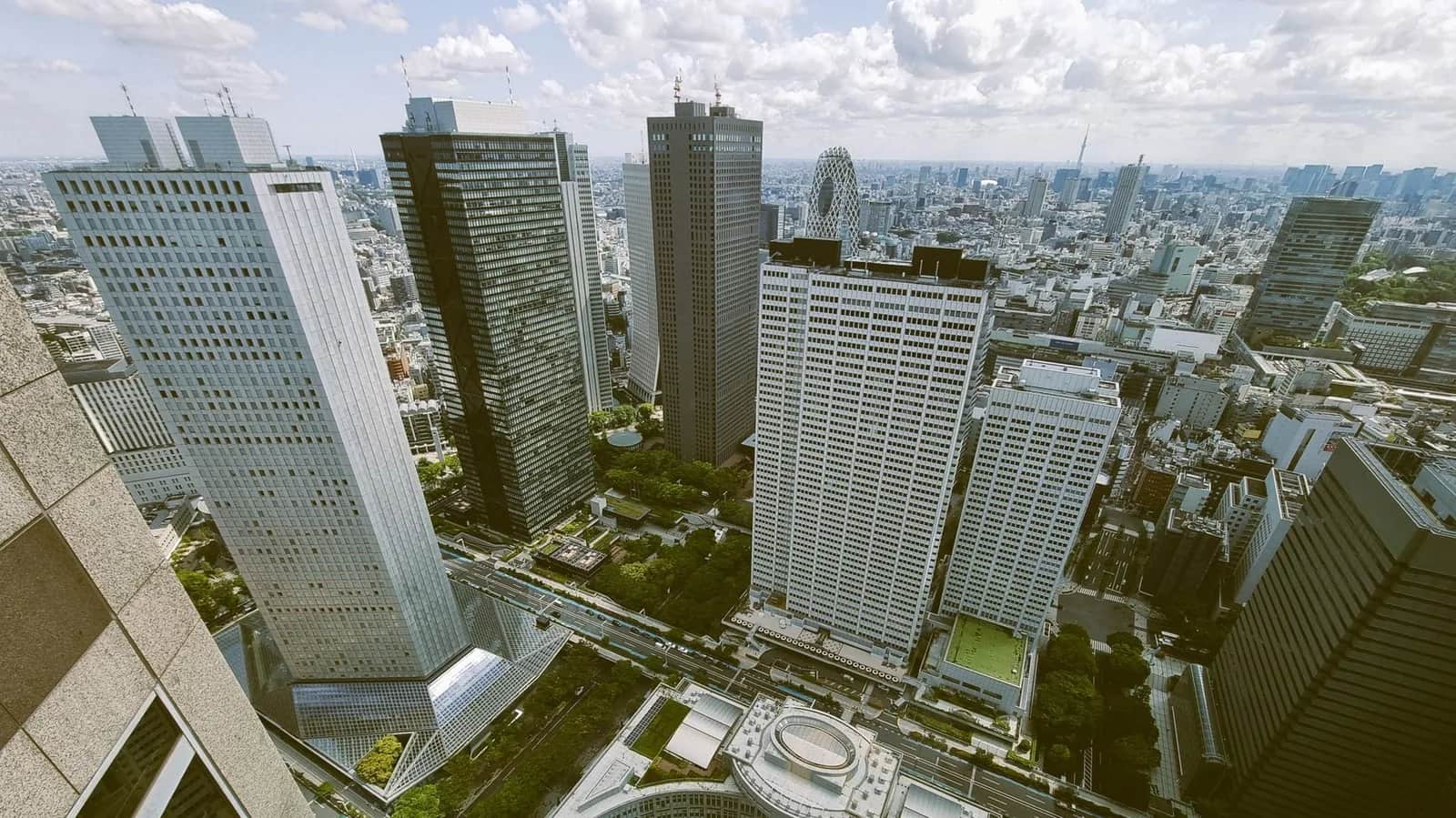
- foreign workers in Japan at the end of October 2025, a record and 11.7% more in a year (labour ministry, January 2026)
- 2,571,037
- job openings per applicant nationwide in September 2026, all workers together (labour ministry, 30 October 2026)
- 1.19
- weekly limit on part-time work for students and dependants, with a permit from immigration
- 28 hours
On this page
Most jobs in Japan for foreigners sit in six areas: English teaching, software and engineering, tourism and hotels, finance, translation and other international services, and the labour-short sectors of the Specified Skilled Worker status. Which of them is open to you depends on three things: your status of residence, your degree and your Japanese. This guide covers who hires in 2026, where to look, how to apply from abroad and what a Japanese contract gives you, for American, British, Canadian, Australian and EU readers alike.
What jobs can a foreigner get in Japan?
Japan has no general work permit. Your right to work is printed on your residence card, and it decides the kind of job you can take before any employer does. The table sums up the five situations that cover almost every reader.
| Your situation | Jobs open to you | Main condition |
|---|---|---|
| Degree holder hired by a company (Engineer / Specialist in Humanities / International Services) | Office and technical work: software, engineering, finance, sales, marketing, translation, teaching in a private language school | Related university degree or 10 years of experience, and an employer in Japan |
| Assistant language teacher in a public school (Instructor) | Teaching in elementary, junior high and high schools | Degree and 12 years of schooling in the language taught |
| Specified Skilled Worker (i) and (ii) | 19 sectors, among them nursing care, food manufacturing, construction, agriculture and accommodation | Skills test and Japanese test, no degree |
| Working holiday maker, aged 18 to 30 | Almost any job, except bars, nightclubs, pachinko parlours and adult entertainment | Passport from one of 33 partner countries and regions, which do not include the United States |
| Student or dependant | Part-time work up to 28 hours a week | Permit from immigration |
| Permanent resident, spouse of a Japanese national, long-term resident | Any job, with no limit on hours or sector | None linked to work |
Two consequences follow. A sponsored work status covers a type of activity, not any job: an engineer cannot wait tables in the evening, and a job made mostly of shop floor, service or factory tasks does not qualify for the Engineer status even with a degree. And a visitor cannot work at all. The statuses, their conditions and the refusal patterns are detailed in our guide to the Japan work visa.
How many foreigners work in Japan: the official 2025 count
Every employer must report its foreign staff to the labour ministry (MHLW), which publishes the total once a year. At the end of October 2025, Japan had 2,571,037 foreign workers, up 268,450 or 11.7% in a year and the highest figure since reporting became compulsory in 2007. They worked in 371,215 workplaces, also a record. The next count, for October 2026, is due in January 2027.
| Status of residence | Foreign workers, end of October 2025 | Share |
|---|---|---|
| Professional and technical statuses (Engineer / Humanities, Specified Skilled Worker and similar) | 865,588 | 33.7% |
| Statuses based on family or residence (permanent residents, spouses of Japanese nationals) | 645,590 | 25.1% |
| Technical intern trainees | 499,394 | 19.4% |
| Permitted part-time work, mostly students | 449,324 | 17.5% |
| Designated activities (working holiday and others) | 111,074 | 4.3% |
Vietnam comes first with 605,906 workers (23.6%), ahead of China with 431,949 and the Philippines with 260,869. The fastest growth is from Indonesia (up 34.6%) and Myanmar (up 42.5%). Workers from English-speaking countries are a small minority, and the ministry's summary does not rank them. One in four foreign workers is in Tokyo (652,251), followed by Aichi (249,076) and Osaka (208,051), and 36.1% work in workplaces of fewer than 30 people.
The wider market is tight but not wide open. In September 2026 the ministry counted 1.19 job openings per applicant nationwide, and 1.01 for permanent full-time positions. That ratio covers all workers and all jobs registered with the public employment service. It says that employers struggle to hire, not that they hire in English.
Jobs in Japan for foreigners by sector in 2026
By headcount, manufacturing employs the most foreign workers (24.7%), then other services (15.2%) and wholesale and retail (13.3%). Most of those jobs are filled through the trainee and Specified Skilled Worker routes. For a reader arriving with a degree and a Western passport, the map looks different, and it has six parts.
English teaching
Teaching is the widest door for a graduate with no Japanese, because the employers recruit abroad and sponsor the visa. Public schools employed 18,127 assistant language teachers in December 2023, and conversation school chains hire all year. Pay is modest: dispatch companies and chains advertise ¥200,000 to ¥280,300 a month in 2026 (about $1,250 to $1,750), below the national average. The government-run JET Programme pays more, ¥4,020,000 in the first year (about $25,100). Employers, hiring calendar and contract traps are compared in our guide to teaching English in Japan, and the application dates by country are on our page about the JET Programme.
IT, software and engineering
This is the sector where English alone goes furthest after teaching, and where pay is highest. Full-time staff in information and communications earned ¥406,000 a month in June 2025 (about $2,540). English-speaking developers surveyed by TokyoDev in 2025 reported a median of ¥9.5 million a year ($59,400), a self-selected sample tilted towards Tokyo and international companies. Employers range from Japanese web companies with English-speaking engineering teams to the Tokyo offices of foreign groups. Experience counts more than Japanese: junior roles hired from abroad are rare, and most sponsored offers go to engineers with a few years behind them. Mechanical, electrical and automotive engineering is concentrated around Aichi and usually done in Japanese.
Tourism, hotels and restaurants
Hotels, ryokan, ski resorts and tour operators in tourist areas need staff who speak English, Chinese or Korean. Pay is at the bottom of the scale: ¥277,200 a month full time (about $1,730) and ¥1,234 an hour part time ($7.71) in accommodation and food services. Who can take these jobs is the catch. Reception, sales and guest relations can qualify for the Engineer / Humanities status, but cleaning, serving and kitchen work cannot. Those tasks are done by working holiday makers, students, residents with an unrestricted status and Specified Skilled Workers. Winter resorts in Hokkaido and Nagano hire seasonal staff every year and often house them.
Finance, consulting and recruitment
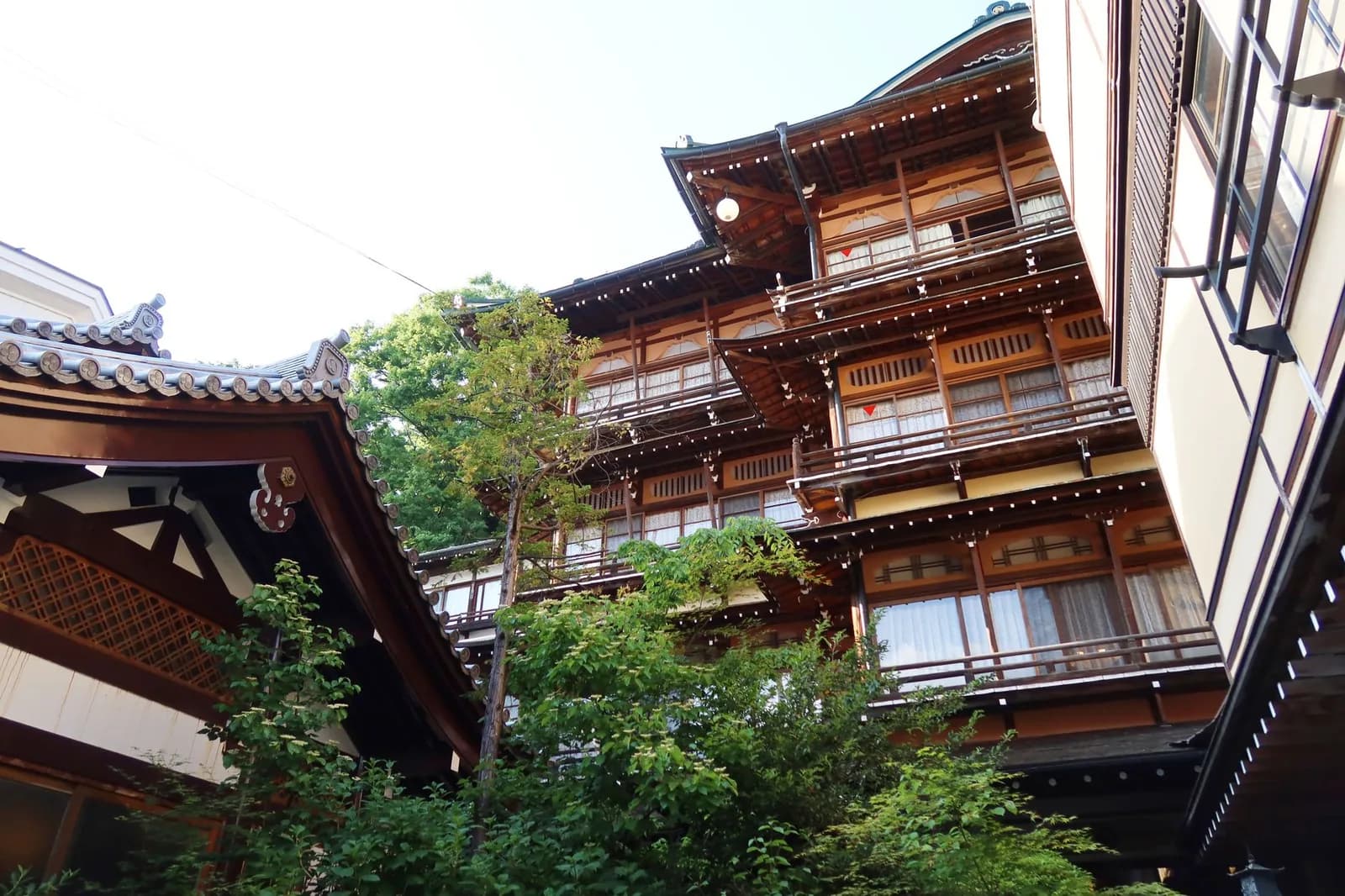
Finance and insurance is the second best-paid sector in Japan, at ¥7.26 million a year on average (about $45,400). Foreign banks, asset managers, consulting firms and recruitment agencies in Tokyo hire bilingual staff, and some back-office, technology and compliance roles work in English. Recruitment itself is a common first job for foreigners without technical skills: agencies that place bilingual candidates hire consultants in English and pay partly on commission. Most of these positions are filled by people already in Japan or transferred by their company.
Translation, sales and other international services
Translation, interpreting, overseas sales, marketing for foreign markets and trade fall under the International Services part of the main work status. It asks for 3 years of experience, a condition waived for university graduates hired to translate, interpret or teach a language. One 2026 rule applies here: since 15 April 2026, when the employer is a small or recent company and the job relies mostly on language, the file must include proof of language ability at CEFR B2 level, for which JLPT N2 is the example immigration gives.
Specified Skilled Worker sectors
The Specified Skilled Worker (SSW) status was created for sectors short of labour, and it is the fastest-growing route: 286,225 workers at the end of October 2025, up 38.3% in a year. SSW (i) covers 19 sectors, among them nursing care, building cleaning, construction, shipbuilding, car maintenance, aviation, accommodation, agriculture, fisheries, food manufacturing, food service, road transport, railways, forestry and timber. It requires a skills test and a Japanese test, is capped at 5 years in total and does not allow family to join. SSW (ii) covers 11 sectors, has no cap and allows a spouse and children.
Pay averaged ¥221,400 a month in June 2025 (about $1,384), and by law it must match what a Japanese worker earns in the same job. Two dated points: the food service quota is full, so Certificate of Eligibility applications received from 13 April 2026 are refused in principle, and from 1 April 2027 the Technical Intern Training programme is replaced by a new status, Ikusei Shuro, designed to lead into SSW. In practice the tests are sat mostly in Japan and in Asian countries, which is why few Western applicants use this route.
Jobs in Japan without Japanese: what each JLPT level opens
The Japanese-Language Proficiency Test (JLPT) has five levels, from N5 for beginners to N1, and is held in July and December. No official statistic says what level job adverts ask for. The table is our reading of adverts and recruiter pages in November 2026, so treat it as a guide to the market, not a rule.
| Level | What it means at work | Jobs it opens |
|---|---|---|
| None, N5 or N4 | Greetings and simple exchanges | English teaching, software roles in English-speaking teams, some finance and research posts, resort work with foreign guests. N4 is the usual level asked for SSW (i) |
| N3 | Everyday conversation, slow reading | International companies where Japanese is a plus, hotels, shops and restaurants in tourist areas, customer support in English with some Japanese |
| N2 | Meetings, email and documents in Japanese | The level most Japanese companies name as business Japanese: sales, administration, engineering in Japanese teams. Also the proof of CEFR B2 for language-based jobs |
| N1 | Near-native reading, formal Japanese | Translation, legal and client-facing roles, management in Japanese firms |
Two caveats. The JLPT tests reading and listening, not speaking, so a certificate gets your CV past the first filter and the interview decides the rest. And in software the trade-off runs the other way: the stronger your technical profile, the less Japanese is asked. For everyone else, N2 is the point where the number of adverts you can answer changes scale. A language test also earns points for the Highly Skilled Professional status.
Where to find jobs in Japan: job sites, recruiters and Hello Work
The search runs through four channels. Each has its own public, and most candidates use two or three at once.
| Channel | Best for | Good to know |
|---|---|---|
| GaijinPot Jobs | English teaching, hospitality, entry-level jobs in English | Adverts state whether overseas applicants are accepted |
| Daijob, CareerCross | Bilingual mid-career roles in sales, finance, IT and administration | Most adverts state the Japanese and English level required |
| TokyoDev, Japan Dev | Software jobs at companies that work in English | Both flag the positions open to candidates living abroad and those with visa sponsorship |
| International companies, finance, consulting, tech | Used mainly by foreign firms and recruiters. Japanese companies rely more on domestic job sites | |
| Recruitment firms: Robert Walters, Michael Page, Hays, Morgan McKinley, Robert Half | Bilingual professionals with experience, usually already in Japan | The employer pays the fee, not the candidate |
| Hello Work | Residents with a valid status, part-time and local jobs | Free public service, mostly in Japanese |
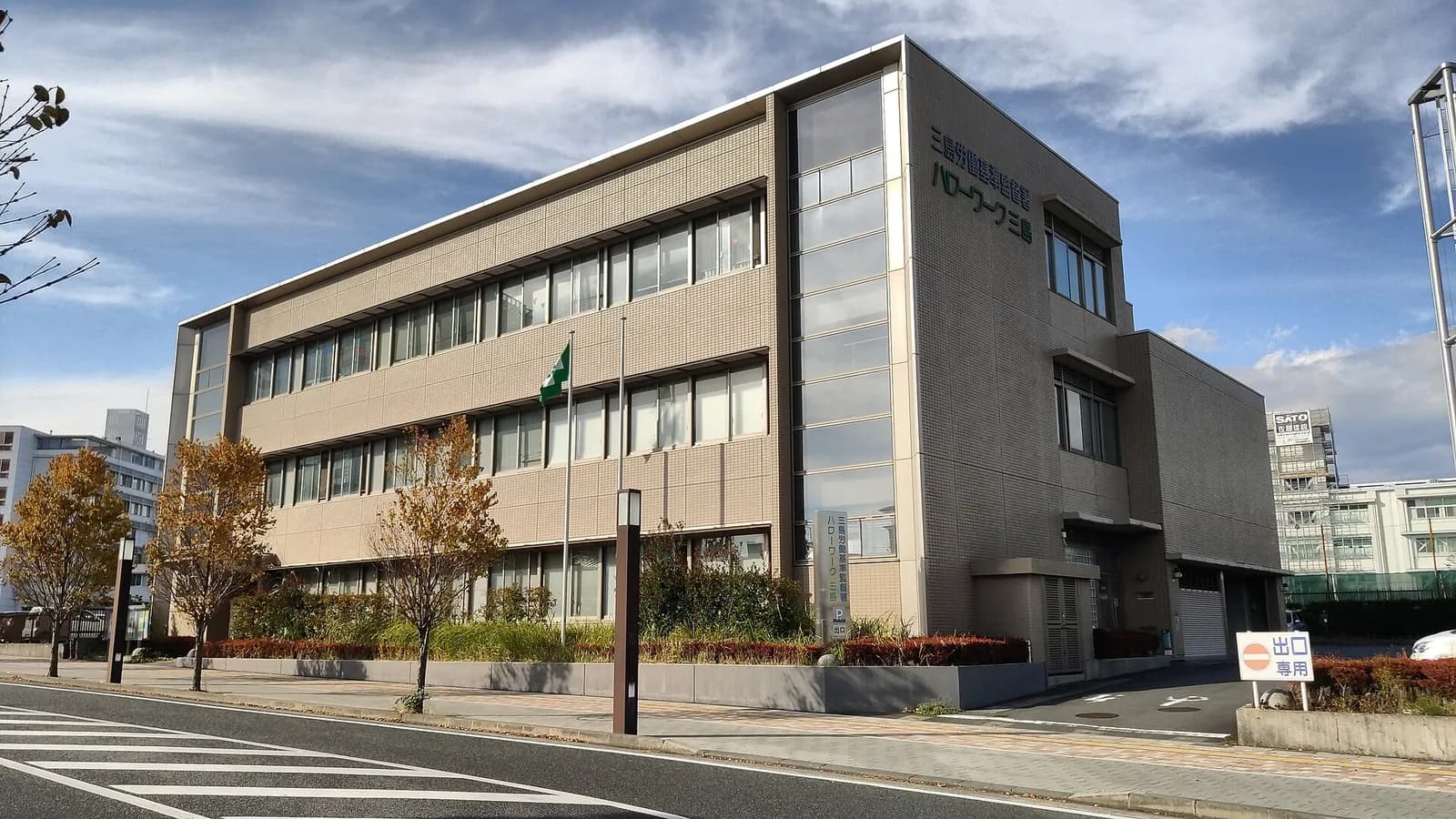
Hello Work is the public employment service, with offices in every city. It is free, open to any foreigner whose status allows work, and it is also where you claim unemployment benefits. Its listings are in Japanese, but the ministry runs Employment Service Centers for Foreigners in Tokyo, Nagoya, Osaka and Fukuoka. The Tokyo centre is on the 13th floor of Yotsuya Tower in Shinjuku and works with foreign residents and international students.
Three habits save time. Filter on visa sponsorship and overseas applications from the start, since many adverts are reserved for people already holding a status. Read the Japanese level line before the job title. And apply directly on company career pages when you can: large employers of foreign engineers and teachers publish their openings there first.
Japanese resume and interview: rirekisho and shokumu keirekisho
A Japanese application has two documents. The rirekisho is a standard form, the same for everyone: identity, a photo, education and work history in date order, licences and qualifications, a short motivation and your commuting time. The labour ministry publishes a model form, and stationery shops and convenience stores sell it. The shokumu keirekisho is free in form, one or two A4 pages where you describe each position, your tasks and your results. It is the document a recruiter reads to judge you.
- International companies and tech employers take an English resume and often nothing else. Send the Japanese pair only if the advert is in Japanese or asks for it.
- Keep the dates exact. Schools and employers are listed by year and month, with no gap left unexplained. The same history goes into the Certificate of Eligibility file, and the two must match.
- State your status of residence and its expiry date, or write that you need sponsorship. Recruiters filter on it first.
- Mention your Japanese precisely: the JLPT level and year, or what you can do at work if you have no certificate.
Expect two or three rounds, the first one often online, and for technical jobs a coding test or a case. Three questions come up almost every time for a foreign candidate: why Japan, how long you plan to stay, and what your visa situation is. Employers who have paid for a relocation fear a departure after a year, so a concrete answer on the second question carries weight. Offers arrive in writing, and the start date is negotiable.
Jobs in Japan with visa sponsorship: getting hired from abroad
You cannot apply for a work visa alone. The employer in Japan files for a Certificate of Eligibility (COE) at the regional immigration bureau, you take the certificate to the Japanese embassy or consulate in your country, and you enter Japan within three months of its issue date.
- Get a written offer for a job that matches your degree or your experience. A related university degree or 10 years of experience is the base condition of the Engineer / Specialist in Humanities / International Services status.
- Send your documents to the employer: passport copy, photo, CV, degree certificate, and certificates from past employers if you rely on experience.
- Wait for the COE. The official standard is 1 to 3 months. For the Engineer status, permits granted in June 2026 took 51 days on average.
- Apply for the visa at the embassy or consulate. A single-entry visa has cost ¥15,000 (about $94) since 1 July 2026, converted into local currency.
- Enter Japan and receive your residence card at the airport. A realistic total is 2 to 3 months from filing to arrival.
Sponsor is a misleading word. In Japan the status is attached to an activity, not to one company: you can change employer later without the first one's consent, with a notification to immigration within 14 days. Immigration sets no minimum salary for the standard status, but you must be paid at least what a Japanese employee would receive in the same role. In June 2025, foreign workers on professional statuses earned ¥313,200 a month on average (about $1,958).
Who gets hired from abroad? Teachers, experienced engineers, researchers and people transferred by their own company. For most other profiles, employers prefer candidates in Japan. That is why many careers start with a first status obtained another way: a working holiday visa for the nationalities that have one, a student status at a language school, or J-Find, a job-search status of up to 2 years for recent graduates of top-ranked universities. Once you are in the country with a degree, changing to a work status is routine.
Working in Japan: contract, probation, hours and paid leave
The Labour Standards Act applies to every employee in Japan whatever the nationality or the status of residence. Before you start, the employer must give you the working conditions in writing: contract period, workplace and duties, hours, wages and how the contract ends.
| Point | What the law says |
|---|---|
| Working time | 8 hours a day and 40 hours a week, with a break of 45 minutes beyond 6 hours and 1 hour beyond 8 |
| Overtime | Paid at 25% more at least, 50% beyond 60 hours in a month, 25% more at night and 35% on the statutory day off. Ceiling of 45 hours a month and 360 hours a year in normal times |
| Paid leave | 10 days after 6 months of work with 80% attendance, rising with seniority to 20 days |
| Probation | No length fixed by law. Contracts usually set 3 to 6 months |
| Dismissal | 30 days of notice or pay in place of notice, and a reason a court would accept. The notice rule applies to probation after the first 14 days |
| Resignation | In principle 2 weeks of notice under the Civil Code for an open-ended contract. Company rules often ask for 1 month |
| Minimum wage | Set by prefecture: ¥1,177 an hour on average for fiscal 2026 ($7.36), ¥1,280 in Tokyo ($8.00) |
Three contract types matter. Seishain is the open-ended regular contract, with bonuses and the strongest protection. Keiyaku shain is a fixed-term contract, usually one year and renewable, the norm for teachers and many first jobs. Gyomu itaku is a service agreement that makes you a contractor with no paid leave, no employment insurance and no employer share of social insurance. Read the pay line with care too: many offers include fixed overtime, a number of overtime hours already counted in the monthly salary.
A full-time employee is enrolled in health insurance, the employees' pension and employment insurance, and the employee's share comes off each payslip: about 5% of pay for health, 9.15% for the pension and 0.5% for employment insurance in fiscal 2026. Residence tax follows from the second year. Net pay examples from ¥3 million to ¥12 million are in our guide to the average salary in Japan, and monthly budgets by city in our page on the cost of living in Japan.
Part-time jobs in Japan for foreigners: the 28-hour rule
Part-time work (arubaito) is where most students and working holiday makers earn their living, in convenience stores, restaurants, hotels, warehouses and language schools. What you may do depends on your status.
| Status | Limit on work | Conditions |
|---|---|---|
| Student | 28 hours a week, 8 hours a day during the school's long holidays | Permit from immigration, valid only while enrolled. No bars, pachinko parlours or adult entertainment |
| Dependant | 28 hours a week | Same permit, same excluded businesses |
| Working holiday | No weekly limit in the official texts we read | Work must stay incidental to the holiday. Same excluded businesses |
| Engineer / Humanities and other work statuses | Side jobs only within the same type of activity | Anything else needs a permit first |
| Spouse, permanent resident, long-term resident | No limit | None |
The 28 hours are counted across all your jobs, not per employer, and employers report their foreign staff to the ministry, so the total is visible. A student who goes over risks a refused renewal. Do the sum before you plan to live on it: 28 hours a week at Tokyo's minimum wage of ¥1,280 gives about ¥155,000 a month ($970) before tax, well under the average single budget of ¥265,835 in the 23 wards. Working holiday makers who stay less than a year also lose a flat 20.42% of their wages in income tax.
Remote work in Japan for a foreign employer
Working from Japan for a company abroad is legal only under a status that covers it. A visitor entry does not allow paid work. A standard work status rests on a contract with an organisation in Japan, so a job with a foreign company that has no Japanese entity does not fit it. Three situations work.
- The digital nomad visa. Six months, not renewable, for citizens of the 50 eligible countries and regions with an annual income of at least ¥10 million (about $62,500). It gives no residence card. Conditions and the application file are on our page about the Japan digital nomad visa.
- An unrestricted status. Spouses of Japanese nationals, permanent residents and long-term residents can work for anyone, including a foreign employer, from home.
- A Japanese contract behind the foreign job. Some overseas companies hire through a Japanese entity or an employer of record, a company in Japan that signs the contract, runs payroll and sponsors the status. Developers working this way reported the highest pay in the TokyoDev survey, a median of ¥13.5 million.
A resident paid from abroad has no employer in Japan to withhold tax and enrol them in insurance. You file your own tax return, join National Health Insurance and the national pension at the ward office, and pay residence tax on that income. The rules for residents are set out in our page on Japan tax for foreigners.
Freelancing and starting a business in Japan as a foreigner
Japan has no freelance visa. Whether you can work for yourself depends, again, on the status you hold.
- Unrestricted statuses (spouse, permanent resident, long-term resident): you register as a sole proprietor at the tax office and start.
- Engineer / Humanities status with service contracts. Immigration accepts a service or commission agreement with an organisation in Japan as the base of a work status. Freelance developers, translators and teachers use this, with one or several Japanese clients whose contracts show a stable income. The work must stay inside the status.
- Business Manager status, to run your own company. It was tightened on 16 October 2025: the minimum capital went from ¥5 million to ¥30 million (about $187,500), with at least one full-time employee who is Japanese or a resident with an unrestricted status, 3 years of management experience or a relevant graduate degree, Japanese at about B2 level for the applicant or a full-time employee, and an office that is not your home. People who already held the status have until 16 October 2028 to adapt.
A side business next to a salaried job follows the same logic as any side job: inside your status it is allowed, outside it needs a permit. Self-employed residents pay for National Health Insurance and the national pension themselves, which costs about ¥23,000 a month in a first year in Tokyo and more from the second year, when the health premium follows your income. Our healthcare in Japan guide explains the two insurance systems.
Finding a job in Japan: mistakes foreigners make
- Working on a tourist entry. An employer who offers to start you as a visitor is asking you to work illegally, and the risk is yours: deportation and a ban on re-entry.
- Reading the openings ratio as an invitation. 1.19 openings per applicant describes the whole market, mostly jobs in Japanese. The English-speaking part is small and competitive.
- Applying without saying you need sponsorship. It wastes weeks on both sides. Filter adverts on it and state it on the CV.
- Taking a job outside your status. An engineer who moves to a role made of service tasks finds out at renewal. When the new job is in another field, ask for a Certificate of Authorized Employment (¥1,600) before the renewal comes.
- Letting a gap between jobs drift. A work status can be revoked after 3 months without the authorised activity and without a valid reason.
- Counting 28 hours per job. The limit is for all your part-time work together.
- Comparing gross offers. Remove fixed overtime, check whether the employer enrols you in social insurance, and remember that residence tax arrives in June of the second year.
- Planning a company on the old rules. The Business Manager status asks for ¥30 million of capital since October 2025, not ¥5 million.
- Waiting for N1. Outside translation and client-facing roles, N2 with real work experience opens more doors than another year of study.
If you have not chosen a route into the country yet, our guide on how to move to Japan puts the steps in order, from the status of residence to the first 14 days after arrival.
In this section
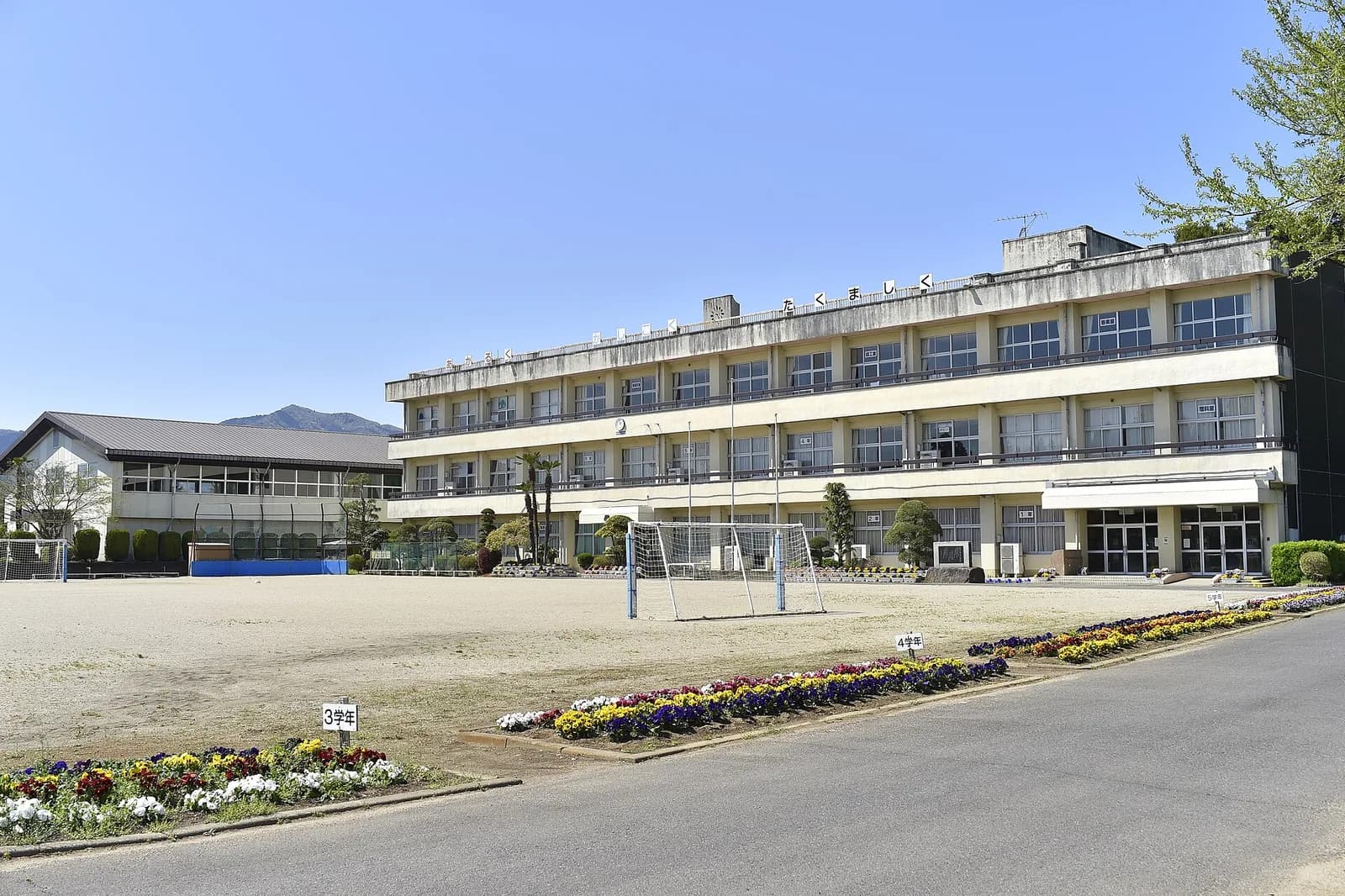 Photo 小石川人晃, CC BY-SA 4.0, Wikimedia Commons
Teaching English in Japan in 2026: ALT, eikaiwa, international school and university pay in yen and dollars, requirements, visas, hiring calendar and traps.
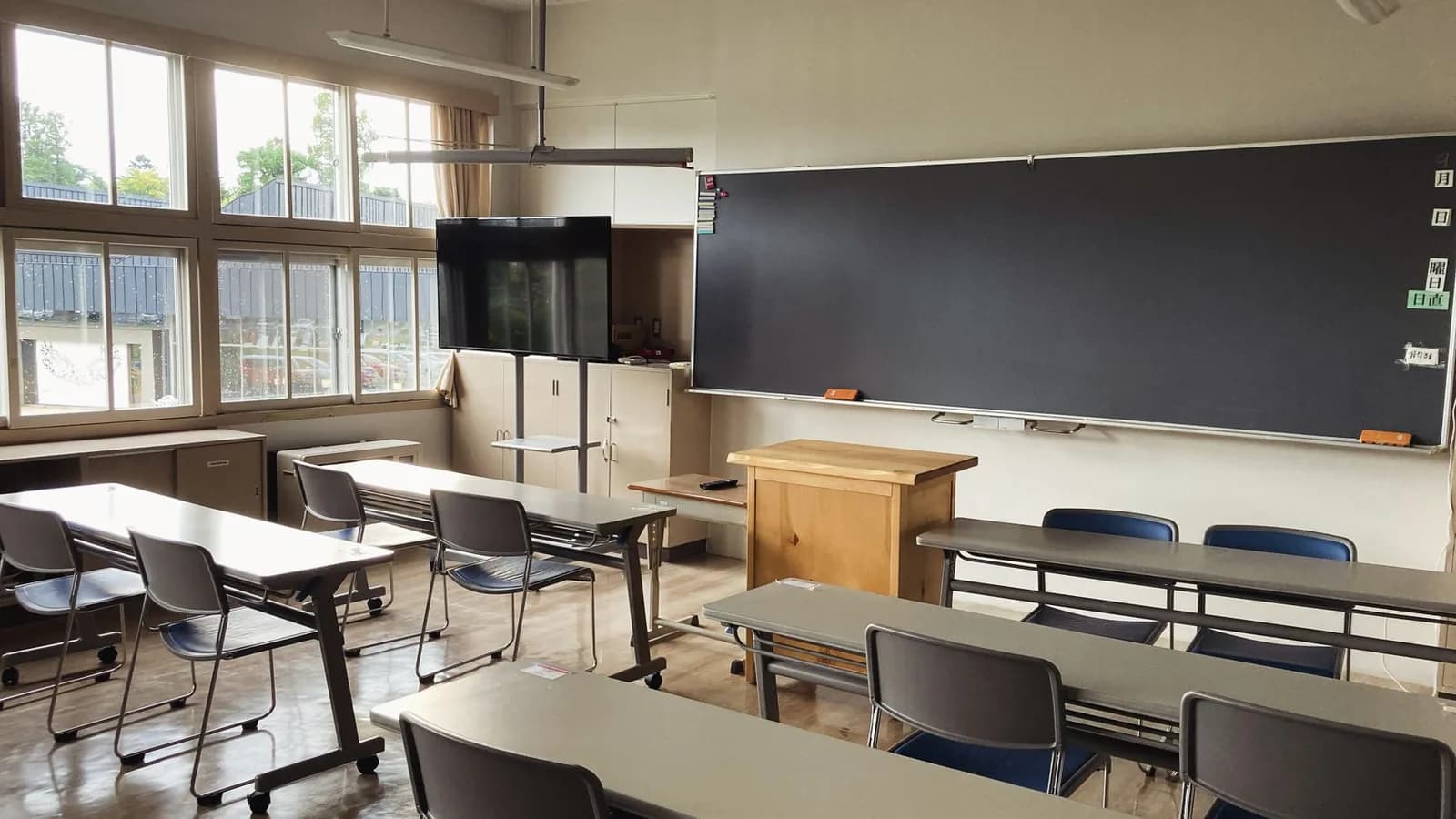 Photo ON VIXION, Pexels
How the JET Programme works: ¥4.02 million starting salary in 2026, take-home pay, requirements and 2027 application dates for the US, UK, Canada and more.
 Photo Hakan Nural, Pexels
Average salary in Japan: ¥4.87 million ($30,440) in 2025, median near ¥4.2 million. Pay by age, industry and prefecture, 2026 minimum wage, net pay examples.