- of the bill paid at the counter by an insured adult aged 6 to 69
- 30%
- base monthly cap on medical bills for a middle income since August 2026, plus 1% above ¥286,000
- ¥85,800
- minimum extra fee at a large hospital if you arrive without a referral letter
- ¥7,000
On this page
Healthcare in Japan runs on universal public insurance. Every resident staying more than three months joins National Health Insurance or an employer plan, pays 30% of each bill and goes straight to any clinic or specialist, with no family doctor acting as gatekeeper. Prices are fixed nationally and a monthly cap protects you in a bad month. Tourists sit outside this system and pay the full price.
This hub covers how the system works for a foreigner, where to find a doctor who speaks English, what to do in an emergency and what a visit costs, with figures checked on 14 November 2026. Amounts are in yen, with dollars at about ¥160 to $1.
How healthcare in Japan works: universal insurance and the 30% co-pay
Japan has had universal health insurance since 1961. You do not pick a plan from a market: your situation decides which public insurer covers you, and medical cover is the same in all of them.
- Who pays what. The insurer pays 70% and you pay 30% at the counter from primary school to age 69. Children before primary school and people aged 70 to 74 pay 20%, and most towns cover the children's share.
- One national price list. The fee schedule sets the price of each consultation, test and drug in points worth 10 yen, so the same treatment costs the same in Sapporo or Osaka.
- Direct access. You can book a dermatologist, a gynaecologist or an orthopaedic clinic yourself. Japan has no GP system, and family medicine has only been a certified specialty since 2009.
- A monthly ceiling. The high-cost medical expense benefit caps what you pay in a calendar month by income bracket. The caps rose on 1 August 2026.
- Mostly private providers. According to the Commonwealth Fund, 81% of hospitals and 96% of clinics are privately run, but all of them bill the public insurer at the same rates.
| Who you are | Access to public healthcare | What you pay for care |
|---|---|---|
| Employee of a Japanese company | Employer plan (shakai hoken), enrolled by the company | 30% co-pay, capped each month |
| Freelancer, student, working holiday maker, retiree under 75 | National Health Insurance at the city or ward office | 30% co-pay, capped each month |
| Tourist or stay of three months or less | None | Full price, set by each hospital |
| Digital nomad visa holder | None, private policy required by the visa | Full price, refunded by your insurer |
Is healthcare in Japan good? Strengths and weak points
On outcomes, Japan is among the best performers in the world. The Commonwealth Fund's country profile gives a life expectancy of 84.1 years in 2023 (81 for men, 87.2 for women), infant mortality of 2 per 1,000 births and public funding for 87% of health spending. Equipment is abundant and hospitals keep patients longer than in the West, with an average stay of 16 days in 2023.
The weak points are the ones a foreigner notices first. There are 2.74 doctors per 1,000 people, fewer than in most rich countries, so large hospitals have long waits and short consultations. English is far from universal outside international clinics, and the US Embassy warns that English-speaking physicians are "expensive and not widespread". Mental health care in English is the biggest gap, covered below.
National Health Insurance in Japan and employer plans: who joins which
If you work for a Japanese company, your employer enrolls you in its health plan and deducts the premium from your pay. Everyone else who lives in Japan, freelancers, students, working holiday makers and people between jobs, joins National Health Insurance (NHI, kokumin kenko hoken) at the ward or city office, within 14 days of registering an address. It is compulsory, and a foreign or private policy does not exempt you.
What changes between the two is the premium. In Tokyo, an employee on standard monthly pay of ¥300,000 pays about ¥15,100 a month ($95) for health insurance, and the employer pays the same again. An NHI member pays a flat amount plus a share of last year's income: about ¥26,100 a month in Tokyo's 23 wards for a single person under 40 who earned a ¥4 million salary the year before. In your first year, with no Japanese income on record, you pay only the flat part, ¥67,073 a year in Tokyo, often cut by 70% once you file the income report.
Our full guide to health insurance in Japan details NHI premiums in Tokyo and Fukuoka, the monthly cap by income bracket, enrolment step by step and what happens with unpaid premiums. Payment matters beyond your health: immigration checks that social insurance is paid when you renew a visa, and a permanent residency application looks at the payment dates.
How to find an English-speaking doctor in Japan
Most clinics will treat you with a mix of simple Japanese, gestures and a translation app, but for anything beyond a cold you will want a doctor who speaks your language. Three free tools do most of the work.
| Service | Contact | What it does |
|---|---|---|
| Himawari, Tokyo Metropolitan Health and Medical Information Center | 03-5285-8181, every day 9 am to 8 pm | Finds clinics and hospitals in Tokyo that speak your language and explains how Japanese healthcare works, in English, Chinese, Korean, Thai and Spanish. Free apart from the call |
| JNTO medical institution search | Online, all of Japan | Filters medical institutions by area, language and specialty, with up to 30 results. JNTO asks you to contact each one before visiting |
| Japan Visitor Hotline (JNTO) | 050-3816-2787, 24 hours | Help for visitors in English, Chinese and Korean during illness, accidents and disasters. It does not interpret three-way or book appointments |
| Your embassy | Embassy website | Most embassies, including the US, UK and Australian ones, publish lists of English-speaking doctors and hospitals, without endorsing them |
Outside Tokyo, several prefectures run their own foreign-language medical information services, and the JNTO search covers the whole country. Hospitals certified for foreign patients under the JMIP scheme have international desks and interpreters, and you will find them in every large city. An international clinic may charge above the public price list even for a resident, so ask whether it bills your Japanese insurance before booking.
Bring your My Number card registered for health insurance or your eligibility certificate (shikaku kakunin sho), a list of your current medicines with their generic names, and cash. JNTO notes that credit cards are mainly accepted at major hospitals, while clinics generally take only cash.
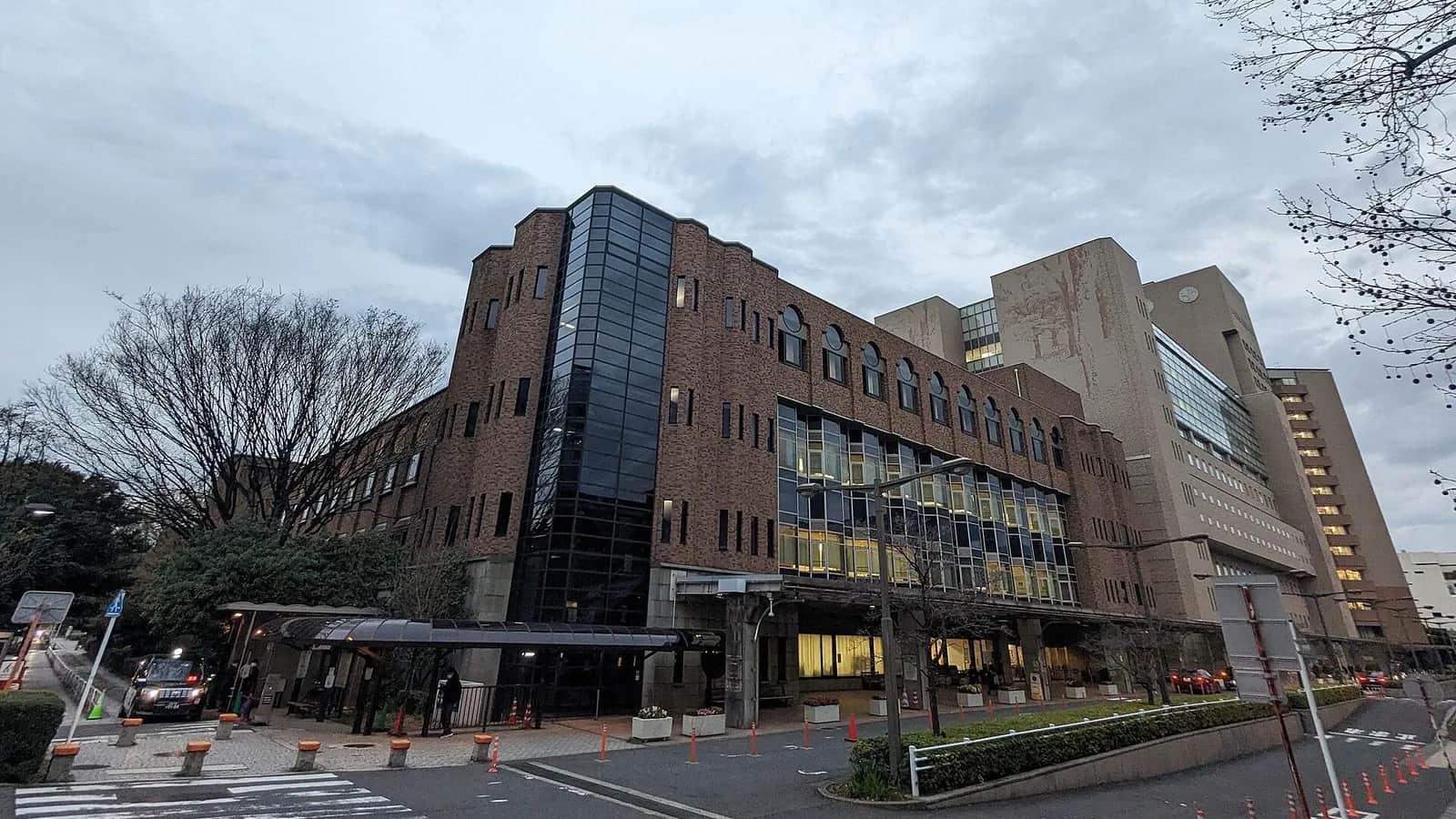
Clinics vs hospitals in Japan: where to go first and the no-referral fee
Japan has two levels of care. A clinic (kurinikku or iin) is a small practice, often a single doctor with a specialty written on the sign: naika for internal medicine, hifuka for skin, seikei geka for bones and joints, jibika for ear, nose and throat. A hospital (byoin) has beds, emergency services and specialists. For everyday problems, start at a clinic: the wait is shorter and the bill lower.
Large hospitals actively push walk-in patients back to clinics. Since October 2022, specialised hospitals and regional hospitals with 200 or more general beds must charge an extra fee of at least ¥7,000 ($44) for a first visit without a referral letter (shokaijo), and at least ¥3,000 for a follow-up after they have told you to return to a clinic. In dentistry, the minimums are ¥5,000 and ¥1,900. The fee is not covered by insurance, each hospital can set a higher amount, and it does not apply in an emergency or when you arrive by ambulance. A clinic writes the letter for you when you need a hospital.
Opening hours follow clinic logic: mornings and late afternoons on weekdays, a half day on Saturday, often closed on Thursday or Sunday afternoon. In the evening and on public holidays, towns run emergency clinics (kyubyo shinryosho) for minor problems, and the city website lists which clinic is on duty.
Emergency care in Japan: 119, #7119 and what you pay
Dial 119 for an ambulance or fire and 110 for the police, from any mobile, landline or public phone. The ambulance service is open to anyone in Japan, and in Tokyo the 119 line offers three-way interpreting in English, Chinese, Korean, Portuguese and Spanish. You cannot choose the hospital the ambulance takes you to. The useful phrase is "Kyukyusha wo yonde kudasai" (please call an ambulance).
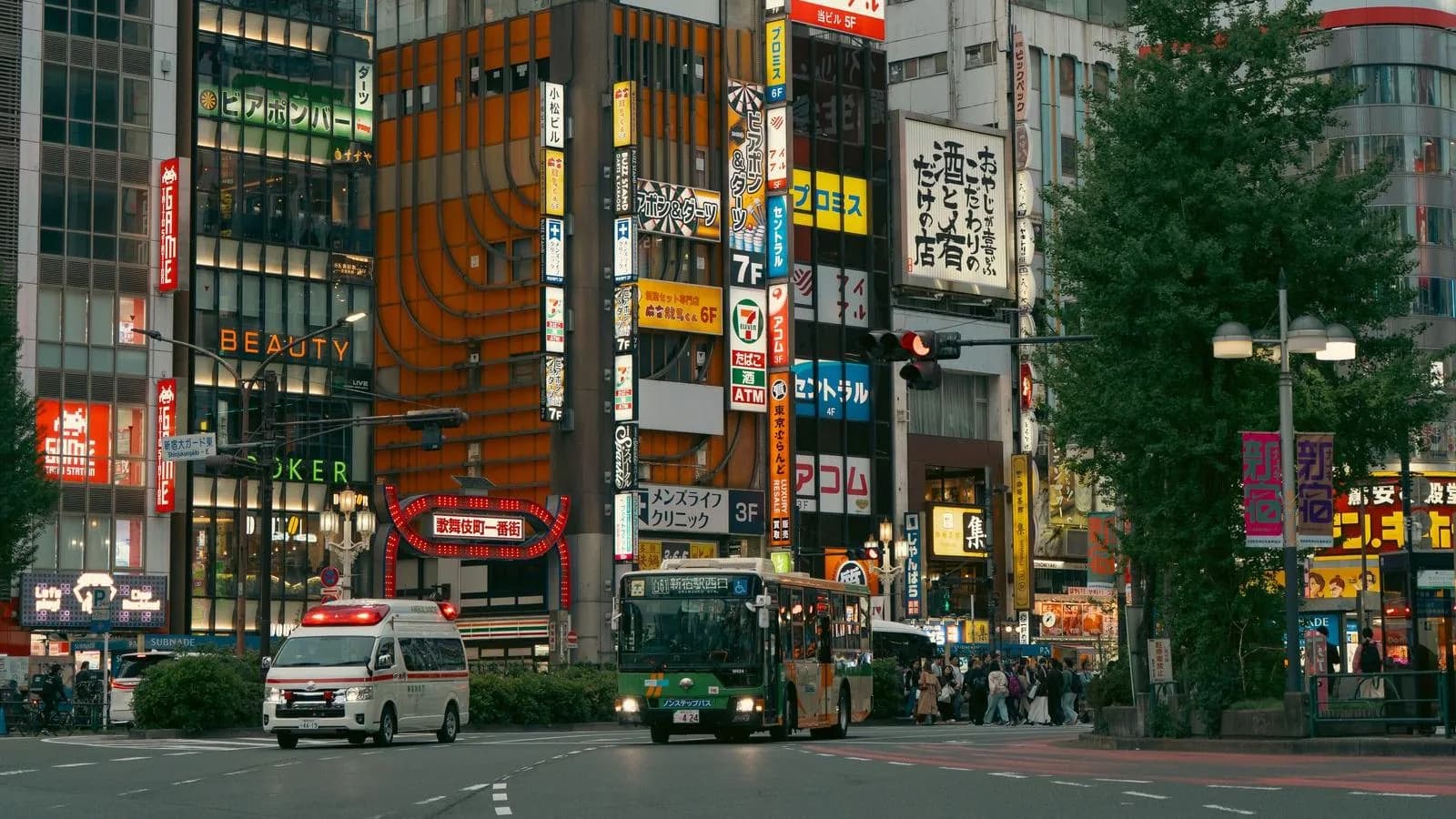
If you are not sure whether it is an emergency, call #7119. Doctors, nurses and paramedics tell you whether to call an ambulance, go to a hospital now or wait for a clinic in the morning, and which hospital is open. The Fire and Disaster Management Agency counts 42 areas with the service, so it is not yet national, and some run only at night. In Tokyo it answers 24 hours a day on #7119 or 03-3212-2323. The service is mainly in Japanese, so ask a Japanese speaker to help, or call Himawari first during its hours.
The ambulance ride is usually free, but some cities now charge for non-urgent transports. Matsusaka, in Mie, has billed ¥7,700 since June 2024 when a patient taken to one of its three main hospitals is not admitted. The treatment at the hospital is always billed: 30% for a resident, the full price for a tourist.
Pharmacies and medication in Japan: prescriptions and banned medicines
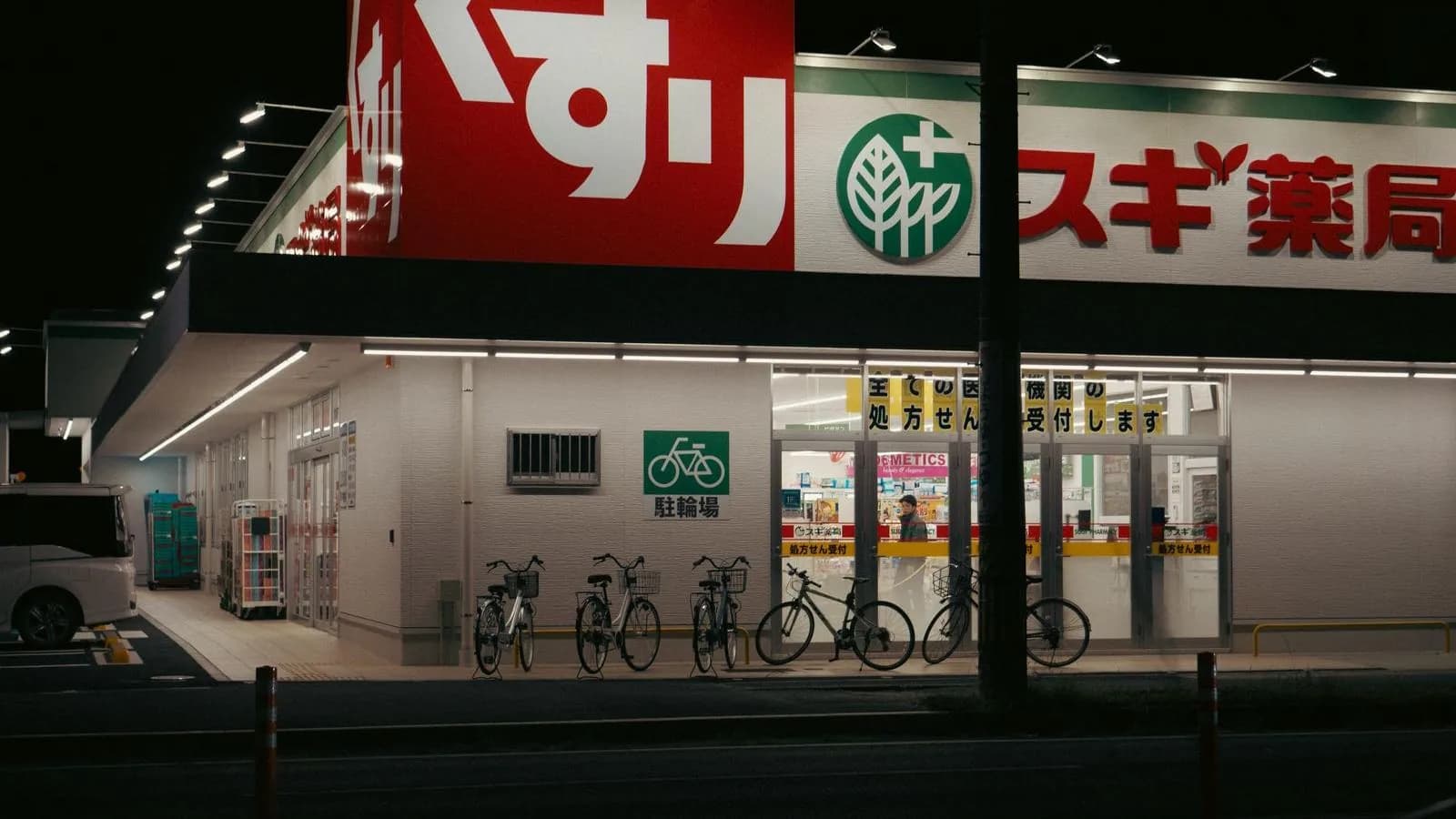
Most clinics do not hand out medicine. The doctor gives you a prescription (shohosen), and you take it to a dispensing pharmacy (chozai yakkyoku), usually next door, which fills it at the same 30% co-pay. Drugstores sell over-the-counter medicine, cosmetics and food, and many larger ones have a dispensing counter too. Look for the sign 処方せん, which means they take prescriptions.
A foreign prescription is not valid in Japan, as the US Embassy states, so you need a Japanese doctor to prescribe a repeat. Japanese doses are often lower and some Western brands are not sold, so bring a letter from your doctor with the generic names. Before you travel, check what you carry: Adderall and other amphetamines are banned, decongestants with more than 10% pseudoephedrine are prohibited, and more than one month of a prescription medicine needs an import certificate (Yunyu Kakunin-sho). Our guide to moving to Japan from the USA lists the rules medicine by medicine, and they apply to every nationality.
Mental health care in Japan in English
Psychiatric care is covered by public insurance like any other specialty: a consultation with a psychiatrist and prescribed medicine cost the usual 30%. For long-term outpatient treatment, a public support scheme (jiritsu shien iryo) lowers the share to about 10%, on application at the ward office with a doctor's certificate. Talking therapy is different: counselling by a psychologist is usually private and paid in full.
The difficulty is language and supply. Japan had 13 psychiatrists per 100,000 people according to the Commonwealth Fund, very few of them working in English, and the US Embassy warns that extended psychiatric care for foreigners "is difficult to obtain at any price". Some ADHD and antidepressant medicines common in the US or the UK are not available, so plan with your doctor before the move.
TELL, a non-profit, runs the main English-language services. Its TELL Lifeline on 0800-300-8355 is free and open to anyone in Japan who speaks English: from 9 am Saturday to 11 pm Monday without a break, 9 am to 11 pm Tuesday to Thursday and 9 am to 2 am on Friday, with a chat service every day from 4 pm. TELL Counseling offers therapy in English, Japanese, Chinese and Cantonese in Tokyo, in Okinawa or online, with fees adjusted to income.
Dentists in Japan: what insurance covers
Dental care is part of public insurance at the same 30%: check-ups for a problem, fillings, extractions, root canals, standard crowns and basic dentures. Dental clinics are everywhere, open in the evening and on Saturdays, and most work by appointment. Implants, adult orthodontics, whitening and most ceramic work are private, and the dentist will tell you before starting what falls outside insurance. Ask for the insured option (hoken shinryo) if cost matters, since a private ceramic crown can cost many times the insured metal one.
Pregnancy and giving birth in Japan: the ¥500,000 grant
When you are pregnant, register the pregnancy at the ward office. You receive the maternal and child health handbook (boshi techo), which follows the pregnancy and the child's vaccinations, and vouchers that cover most routine prenatal check-ups. A normal birth is not treated as an illness, so it is not covered at 30%. Instead, NHI and employer plans pay a childbirth lump sum of ¥500,000 ($3,125) per baby, usually straight to the hospital.
A caesarean section and complications are covered as medical treatment, under the monthly cap. Epidurals are less common than in the US or the UK and are offered by fewer hospitals, often at extra cost, so ask about them when you choose where to give birth. Employees also receive a maternity allowance of two thirds of pay, and a law passed in June 2026 sets free standard births as its goal within two years. Our guide to health insurance in Japan details both benefits.
Vaccinations in Japan for children and adults
Routine vaccines (teiki sesshu) are listed by the Ministry of Health and given through your town, which sends vouchers to your address. The programme starts with rotavirus from two months, includes HPV from age 12 and, since 2025, shingles at 65. Routine childhood vaccines are paid for by the municipality, and a national compensation system covers the rare cases of harm. A child who arrives mid-programme can catch up at a local paediatric clinic, so bring the vaccination record from home.
Vaccines outside the programme are not covered by insurance. Adults usually pay for flu shots, travel vaccines and any vaccine required by an employer, at a price set by the clinic. Some towns subsidise flu vaccines for older residents, so check the city website each autumn.
Annual health checks in Japan: at work and through NHI
Japan screens a lot. Under Article 66 of the Industrial Safety and Health Act, employers must give staff a health check when they are hired and once a year after that: height, weight, blood pressure, eyesight and hearing, a chest X-ray, blood and urine tests, at no cost to the employee. NHI members aged 40 to 74 receive a free or low-cost check from their town. A full private check-up, the ningen dokku, is popular with older residents and paid in full, with prices that vary by clinic.
What a doctor's visit costs in Japan: insured vs tourist
For a resident, everyday care is cheap. The national household survey for 2025 puts out-of-pocket medical spending at ¥8,754 a month ($55) for a one-person household. A tourist pays the whole fee, and each hospital may set its own price for foreign visitors.
| Example | Insured resident | Tourist, hospital at 10 yen a point | Tourist, hospital at 20 yen a point |
|---|---|---|---|
| First consultation, 291 points | About ¥870 ($5) | ¥2,910 ($18) | ¥5,820 ($36) |
| One-week hospital stay billed at ¥1 million | ¥92,940 ($581) with the monthly cap | ¥1 million ($6,250) | ¥2 million ($12,500) |
These are base prices: tests, medicine and, for a tourist, interpreting, a private room or a night visit come on top. In a Ministry of Health survey from September 2023, 39.5% of hospitals certified for foreign patients billed visitors more than 20 yen a point. For residents, the cap means a middle income pays about ¥86,000 to ¥93,000 in the worst month. Our page on the cost of living in Japan puts health insurance and medical spending in a full monthly budget, and average salaries in Japan shows the premium on a real payslip.
Healthcare in Japan for tourists and short stays
Visitors and anyone staying three months or less cannot join public insurance. Hospitals treat emergencies, but they expect payment, often before you leave, and JNTO warns that visitors who leave medical bills unpaid may be denied entry on a later trip. The Japan Tourism Agency found that about 1 in 10 visitors treated in Japan paid $700 or more. Our guide to travel insurance for Japan compares the options for a holiday, including the OMOTENASHI policy promoted by JNTO.
Longer stays without NHI need private cover too. The Japan digital nomad visa requires a policy with at least ¥10 million of medical cover, because its holders are not registered as residents. A working holiday visa holder joins NHI after registering an address, but needs private cover for the first days and for repatriation, which NHI does not pay. SafetyWing's Nomad Insurance Essential can be bought for 5 to 364 days, covers unexpected illness and injury up to $250,000 and medical evacuation up to $100,000, and excludes pre-existing conditions and maternity care. It does not replace NHI for a resident.
If you are planning a longer move, our guide on how to move to Japan places the NHI visit in the order of your first weeks, and the guide to Japan tax for foreigners explains why your premium and residence tax jump in your second year.
In this section
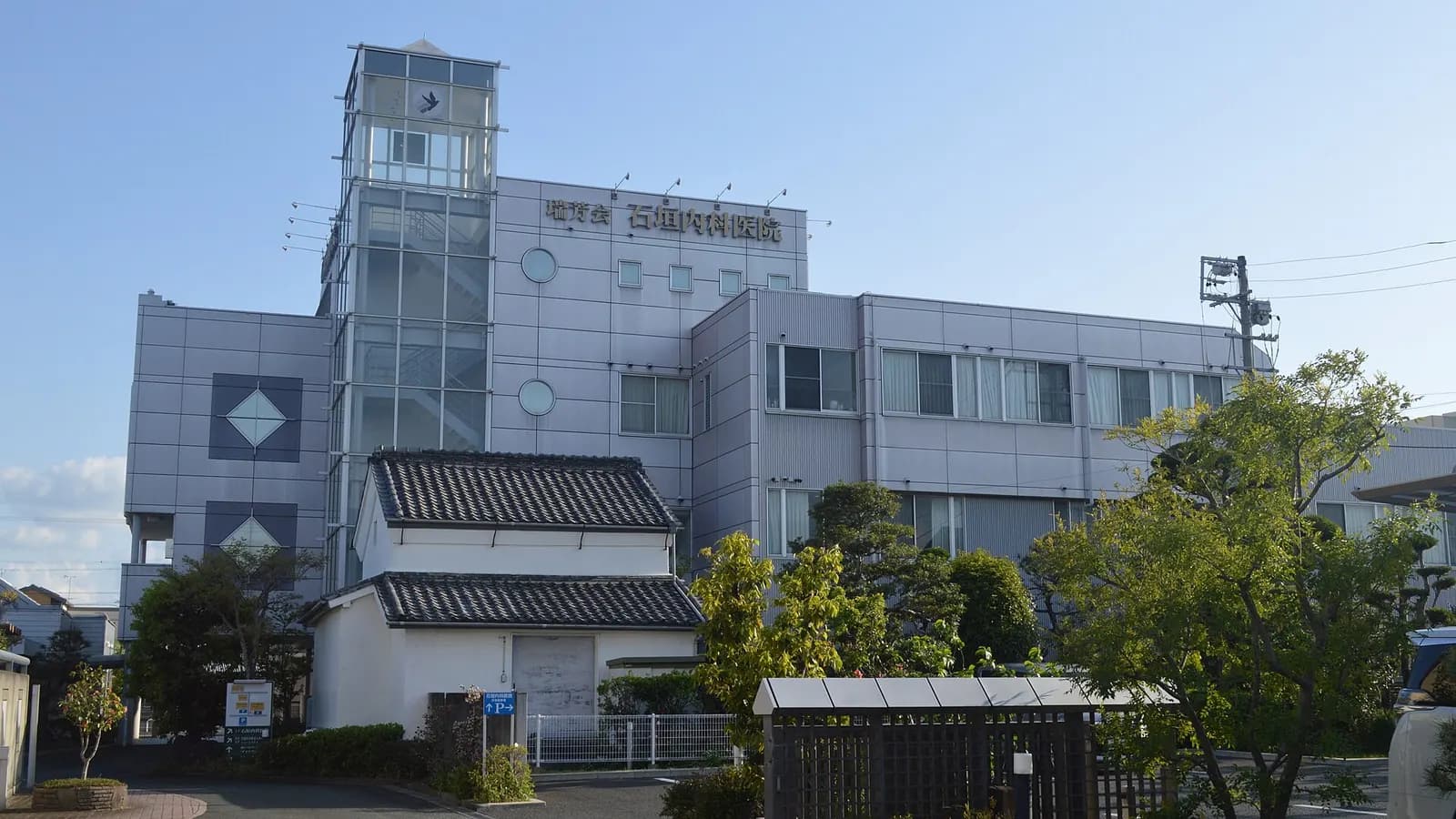 Photo Asturio Cantabrio, CC BY-SA 4.0, Wikimedia Commons
How health insurance in Japan works for foreigners in 2026: who must join NHI or an employer plan, premiums in Tokyo and Fukuoka, the 30% co-pay and the cap.