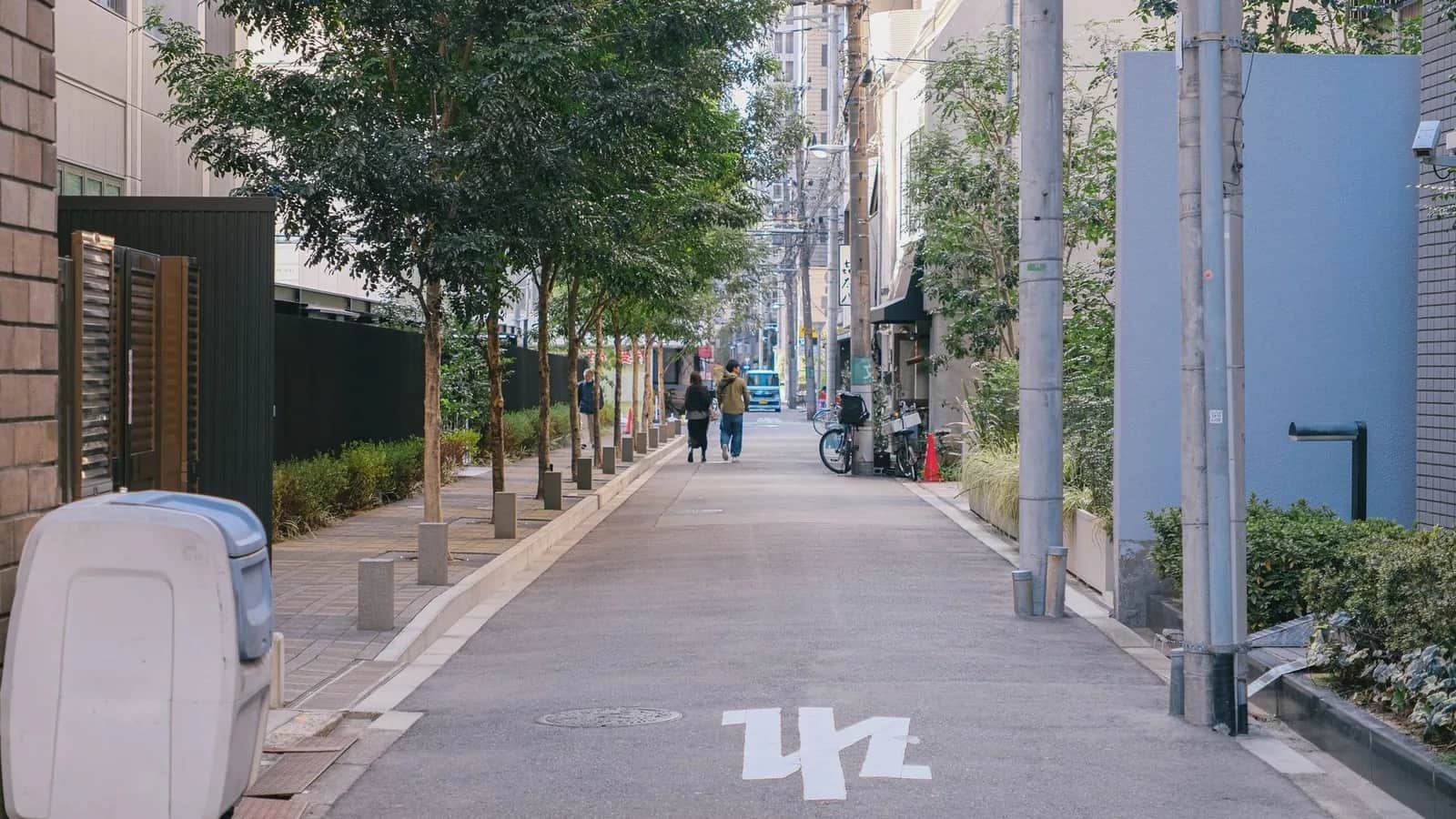
- official time to obtain the Certificate of Eligibility that every long-stay visa starts with
- 1 to 3 months
- to move into an average small flat in Tokyo's 23 wards, about $3,541 or five months of rent
- ¥566,516
- to register your address at the city or ward office after you move in
- 14 days
On this page
To move to Japan you need four things in this order: a status of residence that matches your reason for going, savings for the first months, a first address, and a short list of registrations done in the 14 days after you move in. This guide walks through each step for American, British, Canadian, Australian and EU readers, with the rules and prices in force on 14 November 2026. Dollar amounts use a rate of about 160 yen to the dollar.
Can you move to Japan? Who is allowed to live there
Anyone can, provided they qualify for a status of residence. Japan sets no nationality quota and no points test at entry. What it asks for is a reason that fits one of about thirty statuses: a job with an employer who sponsors you, a place at a school, a marriage, a working holiday agreement or a high remote income. At the end of June 2026, 4,281,026 foreign residents lived in Japan according to the Immigration Services Agency, a record, and 824,486 of them were in Tokyo.
What you cannot do is arrive as a tourist and stay. Citizens of 74 countries and regions enter without a visa, in most cases for 90 days, but a visitor may not take paid work, gets no residence card and in principle cannot change to a work or study status from inside the country. Buying property does not help either: foreigners can own a home freely, and ownership gives no right to live in it.
How to move to Japan: the steps in order
- Choose a status of residence and find the sponsor that goes with it: an employer, a school or a spouse. For a working holiday or a digital nomad visa, you apply on your own.
- Let the sponsor obtain the Certificate of Eligibility (COE) from immigration in Japan. It is free and takes one to three months.
- Apply for the visa at the Japanese embassy or consulate for your place of residence, usually about five working days.
- Build the budget: flight, about five months of rent to enter a flat, furniture and a month or two of living costs.
- Book temporary housing for the first four to eight weeks, since an ordinary lease can rarely be signed from abroad.
- Land and receive your residence card at the airport.
- Register your address at the city or ward office within 14 days of moving in, and enrol in health insurance and the pension system at the same counter.
- Get a phone number, then a bank account, then sign a long-term lease.
- Convert your driving licence within the first year if you drive, and keep tax, pension and insurance payments up to date for the renewal of your status.
The rest of this page takes these steps one at a time, then covers where to live, the language, work and the mistakes that cost newcomers the most.
Step 1: choose a status of residence to move to Japan
The status decides everything that follows: whether you may work, for how long you stay and whether you receive a residence card. Except for the working holiday and digital nomad visas, the process starts in Japan, where your sponsor files for a Certificate of Eligibility. For permits granted in June 2026, the average was 51 days for the main work status, 43 days for students and 112 days for spouses of Japanese nationals. The certificate is valid for three months, so the visa and the flight follow quickly.
| Your situation | Status to aim for | Main condition | Length | Can you work? |
|---|---|---|---|---|
| Job offer from an employer in Japan | Work status, most often Engineer / Specialist in Humanities / International Services | Sponsor, and a related degree or about 10 years of experience | 3 months to 5 years, renewable | Yes, in the field of the status |
| Aged 18 to 30, no job lined up | Working holiday visa | Passport of one of 33 partner countries and regions, not the US | 6 months to 1 year, by agreement | Yes, casual work to fund the stay |
| Language school or university | Student | Admission by the school and proof of who pays | Up to 4 years and 3 months | Up to 28 hours a week with a permit |
| Married to a Japanese national or a permanent resident | Spouse status | A genuine, registered marriage | 6 months to 5 years, renewable | Yes, without restriction |
| Remote work for clients or an employer abroad | Digital nomad visa | Income of ¥10 million a year (about $62,500), private insurance, one of 50 nationalities | 6 months, no extension | Only for the foreign employer or clients |
| Senior or highly paid career | Highly Skilled Professional | 70 points on the official grid | 5 years | Yes |
| Starting a company | Business Manager | ¥30 million of capital and a full-time employee since 16 October 2025 | 3 months to 5 years, renewable | Yes, running the company |
Most people who settle do it on a work status. There is no general work permit: each status covers a type of job and the employer sponsors the file, as detailed in our guide to the Japan work visa. Conditions, fees and processing times for every route are in our Japan visa guide.
Moving to Japan without a job offer
Four routes work without an employer. A student visa is the usual answer for adults over 30 or without a partner-country passport: language schools sponsor it, and the work permit allows 28 hours a week. The Japan working holiday visa gives young people from 33 partner countries and regions a year to live and work without a sponsor. The UK has 6,000 places a year, and Britons and Canadians can now take part twice. A spouse status has no work restriction at all. The digital nomad visa is a six-month trial rather than a move, because it comes with no residence card, so no ordinary lease and no public health insurance.
None of these is permanent on arrival. Permanent residency in Japan comes after 10 years of continuous residence, or one to three years for Highly Skilled Professionals and spouses of Japanese nationals.
Step 2: how much money do you need to move to Japan?
The visa is the cheap part. The Certificate of Eligibility is free and a single-entry visa costs about ¥15,000 ($94), or nothing for US citizens. The money goes into the flat: a standard lease asks for about five months of rent before you get the keys, and the place comes empty, often without a fridge, a washing machine or ceiling lights. The table is for one person renting the average small flat in Tokyo's 23 wards, advertised at ¥114,460 a month in September 2026.
| Item | Amount | Where the figure comes from |
|---|---|---|
| Certificate of Eligibility | Free | Immigration Services Agency |
| Visa, single entry | About ¥15,000 ($94), free for US citizens | Consular fee since 1 July 2026, varies by nationality |
| One-way flight, economy | $500 to $1,200 from North America | Our estimate, depends on origin and season |
| Move-in costs on a ¥114,460 flat | ¥566,516 ($3,541) | Deposit, key money, agency fee, guarantor company, insurance, lock change and first month |
| Appliances, bedding and basic furniture | ¥100,000 to ¥200,000 ($625 to $1,250) | Our estimate, less with second-hand shops |
| First month of living costs, rent excluded | ¥151,375 ($946) | Statistics Bureau household survey, 2025 |
| Total for one person in Tokyo | About ¥900,000 to ¥1.1 million ($5,600 to $6,900) | Before temporary housing, shipping and any reserve |
Add two to four weeks of temporary housing, and remember that a first Japanese salary usually arrives at the end of the first full month. $10,000 in savings (about ¥1.6 million) is a sensible floor for a single person, and $15,000 to $20,000 for a couple. Three things lower the bill: an employer who provides housing, as the JET Programme and some teaching jobs do, a share house, where moving in costs two to three months of rent instead of five, and a cheaper city. In Fukuoka the same small flat was advertised at ¥67,115, which puts the move-in costs near ¥330,000 ($2,060) at the same ratio.
Once settled, a single person spends about ¥265,800 a month in Tokyo ($1,661) with average rent, and ¥203,000 to ¥226,000 in Sendai, Fukuoka or Osaka, before tax and social insurance. A couple in Tokyo is near ¥447,100 and a family near ¥559,920. The full breakdown by city, household and expense is in our guide to the cost of living in Japan.
Step 3: find housing in Japan before and after you land
An ordinary two-year lease is hard to sign from abroad. Screening relies on your residence card, a Japanese phone number and often a Japanese bank account, which you only have after landing. The sequence that works is temporary housing booked from home for four to eight weeks, then the apartment hunt once your card shows an address.
- Share house: a furnished private room in Tokyo's 23 wards costs ¥44,272 to ¥76,399 a month ($277 to $477) plus a common fee of ¥12,000 to ¥20,000, generally with no guarantor.
- Monthly furnished apartment: roughly ¥140,000 to ¥180,000 a month for a 1K in Tokyo ($875 to $1,125), with no deposit, key money or agency fee.
- Ordinary lease: ¥75,000 to ¥121,000 a month for a 1K across Tokyo's 23 wards, three to six months of rent upfront and a guarantor company.
- UR public housing: no key money, no agency fee, no renewal fee and no guarantor, against a deposit of two months of rent.
Expect some refusals. In the Immigration Services Agency's 2024 survey, looking for housing was the most cited situation of discrimination among foreign residents, at 17.4%. Agencies that work with foreign tenants and UR are the two reliable ways around it. Rents by city and ward, the move-in bill line by line and the documents landlords ask for are in our guide to renting in Japan as a foreigner.
Buying instead of renting
Foreigners can buy land and buildings with no visa, no residence status and no minimum investment, and closing costs add 5% to 8% to the price. A 70 m² resale condo in Tokyo's 23 wards was advertised at ¥126.29 million on average in September 2026 (about $789,300). A purchase gives no right to live in Japan, and a mortgage is realistic mainly for permanent residents, so most newcomers rent first. The process is in our guide to buying a house in Japan.
At the other end of the market, Japan counts 9.0 million vacant homes, and some rural houses sell for less than a used car: the cheapest listing in the Tome city vacant home bank was ¥200,000 (about $1,250) in November 2026. The renovation of an old wooden house typically costs ¥10 to 20 million. Our akiya guide covers where to search and what these houses really cost.
Step 4: what to do in your first 14 days in Japan
The order matters, because each step needs the document produced by the one before.
Residence card at the airport
Anyone admitted for more than three months on a work, study, family or working holiday status receives a residence card (zairyu card) at passport control at the main international airports, including Narita, Haneda, Kansai and Chubu. At other ports of entry it is posted to you once you have registered an address. The card shows your status, its expiry date and whether you may work. It replaces your passport as ID inside Japan, and anyone aged 16 or over must carry it at all times. Each time you move, the new address is written on the back at the ward office within 14 days. Digital nomads and short-term visitors do not get one.
Address registration at the city or ward office
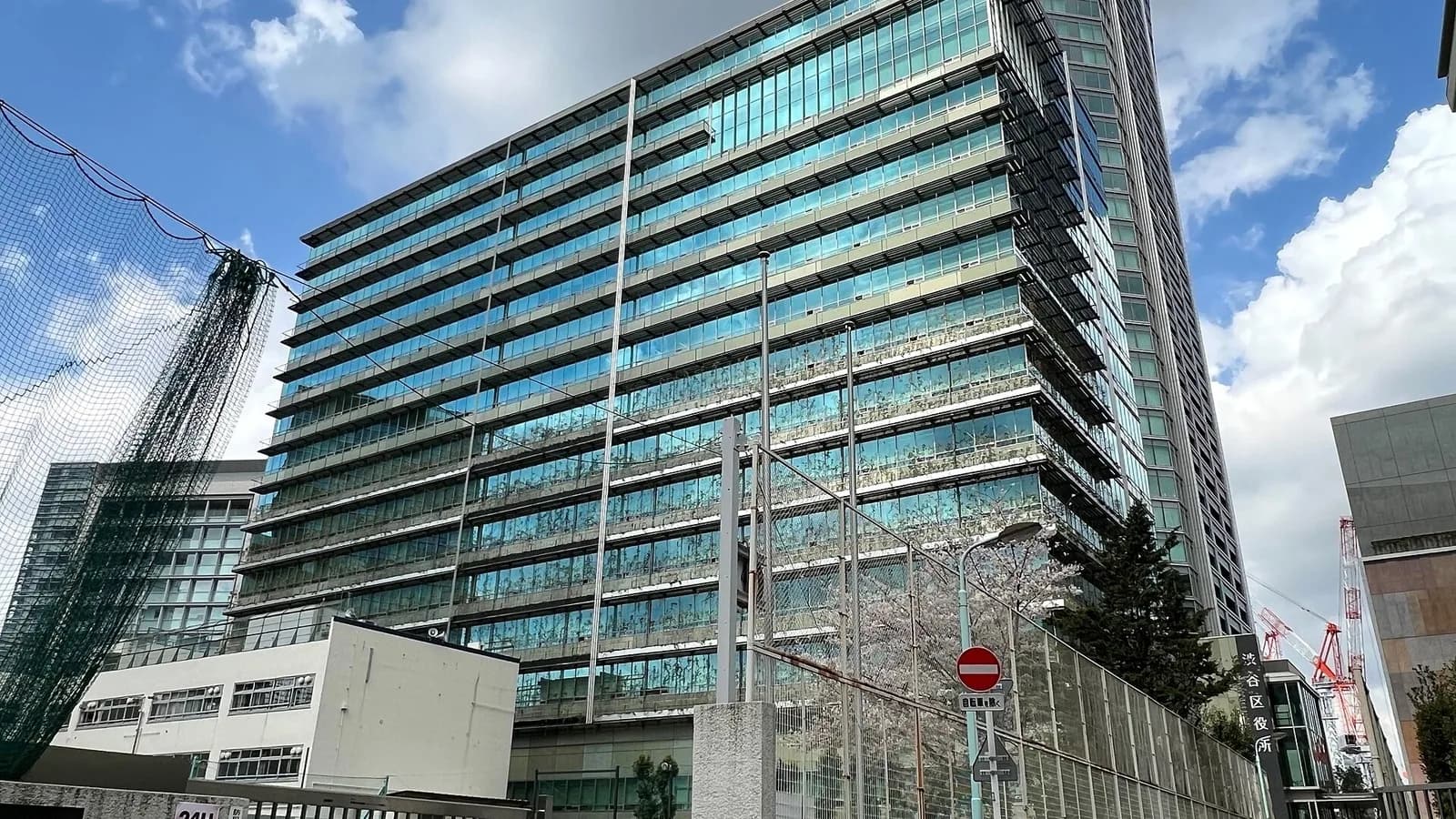
You have 14 days after moving into a home to declare your address at the municipal office, with your passport and residence card. A share house or monthly apartment counts as an address. This registration creates your resident record (juminhyo), the paper that banks, phone carriers, landlords and licence centres ask for. Go in the morning, and take the name and phone number of your landlord or employer.
My Number
Registration assigns you a 12-digit My Number, used for tax, social insurance and bank reporting. The notice arrives by post at your registered address a few weeks later. The plastic My Number card is a separate application. It is worth making, because paper health insurance cards stopped being valid on 2 December 2025: at a clinic you now show either a My Number card registered as your insurance card, or the eligibility certificate that your insurer issues free of charge.
National Health Insurance and pension
Everyone living in Japan for more than three months must join the public health system, which pays 70% of medical bills. Employees are enrolled by their company and pay about 14% of pay for health and pension together. Everyone else (students, freelancers, working holiday makers) joins National Health Insurance at the ward office on registration day. In Tokyo's 23 wards the flat part is ¥67,073 a year for a member under 40, and you pay close to that in your first year. The national pension is compulsory from age 20 to 59 and costs ¥17,920 a month in fiscal 2026. Students and low earners can ask for an exemption or deferral at the same counter.
If you leave Japan for good, you can claim part of your pension contributions back as a lump-sum withdrawal payment, within two years of leaving. Our pages on healthcare in Japan and tax in Japan for foreigners explain what you are covered for and what you can recover.
Phone number
A Japanese number comes before the bank account, because banks, landlords and delivery services all call or text it. Carriers ask for your residence card with your address on it and a means of payment. The online brands are the cheap option: Rakuten Mobile charges ¥1,078 a month up to 3 GB and ¥3,278 for unlimited data. For the first days, before you have a card and an address, a travel eSIM for Japan covers maps and messaging.
Bank account
You can apply with a residence card, a registered address and a phone number, but two rules slow newcomers down. Some banks, SMBC Trust Bank among them, refuse an application when your period of stay has less than three months to run. And under the foreign exchange rules, someone who entered Japan less than six months ago and is not employed at an office in Japan counts as a non-resident, which is why several banks ask for six months of residence or proof of employment before opening a full account. With a job, ask your employer which bank handles payroll and open it there. Until then, most people live on a foreign card and a transfer service, as explained in our guide to money and banking in Japan.
Moving to Japan timeline: from the first application to the first lease
One clock sets the schedule: the Certificate of Eligibility, which takes one to three months and expires three months after it is issued. Work backwards from your start date.
| When | What to do |
|---|---|
| 9 to 12 months before | Choose your status. Apply for jobs or schools, which set their own deadlines months before the April and October intakes. For a working holiday, check your embassy's quota and application windows. |
| 4 to 6 months before | Sign the job offer or enrolment. Your sponsor files the Certificate of Eligibility. Order degree certificates and transcripts, and check that your passport covers the first period of stay. |
| 2 to 3 months before | Certificate issued. Apply for the visa at the consulate for your place of residence, about five working days. Book the flight and four to eight weeks of temporary housing. |
| 1 month before | Get an International Driving Permit if your country issues one under the 1949 Geneva Convention. Check any prescription medicine against Japan's import rules. Set up a way to move money and keep a home bank account open. |
| Arrival day | Residence card issued at the airport. |
| First 14 days | Register your address at the city or ward office. Enrol in National Health Insurance and the national pension if your employer does not cover you. |
| First month | Phone contract, bank account, My Number card application. |
| Months 2 and 3 | Sign a long-term lease and move in, then update your address within 14 days. Book the driving licence conversion. |
| June of the second year | First residence tax bill, based on the income of your first year. |
Where to live in Japan: Tokyo, Osaka, Fukuoka or a mid-sized city
Between cities, rent is the gap. Groceries, phone plans and electricity cost nearly the same everywhere, so the choice comes down to jobs against housing. The rents below are At Home's average asking rents for a flat of up to 30 m² in September 2026, and the budget is our monthly estimate for one person, rent included.
| City | Rent, up to 30 m² | Monthly budget, single | Who it suits |
|---|---|---|---|
| Tokyo 23 wards | ¥114,460 ($715) | ¥265,835 ($1,661) | The widest choice of jobs in English, international schools and foreigner-friendly services |
| Osaka | ¥74,525 ($466) | ¥225,900 ($1,412) | A large job market with rents about 35% below Tokyo |
| Fukuoka | ¥67,115 ($419) | ¥218,490 ($1,366) | A compact city with a start-up scene and an airport ten minutes from the centre by subway |
| Sendai | ¥51,953 ($325) | ¥203,328 ($1,271) | A regional capital where a family flat rents for under ¥100,000 |
Tokyo holds 19.3% of all foreign residents, 824,486 people at the end of June 2026, and most sponsored jobs that do not require Japanese. The suburbs take a quarter to a third off the rent: ¥83,161 in Kanagawa, ¥77,356 in Chiba and ¥73,078 in Saitama for the same small flat. Osaka prefecture comes second with 389,846 foreign residents, ahead of Aichi, the Nagoya region, with 369,849.
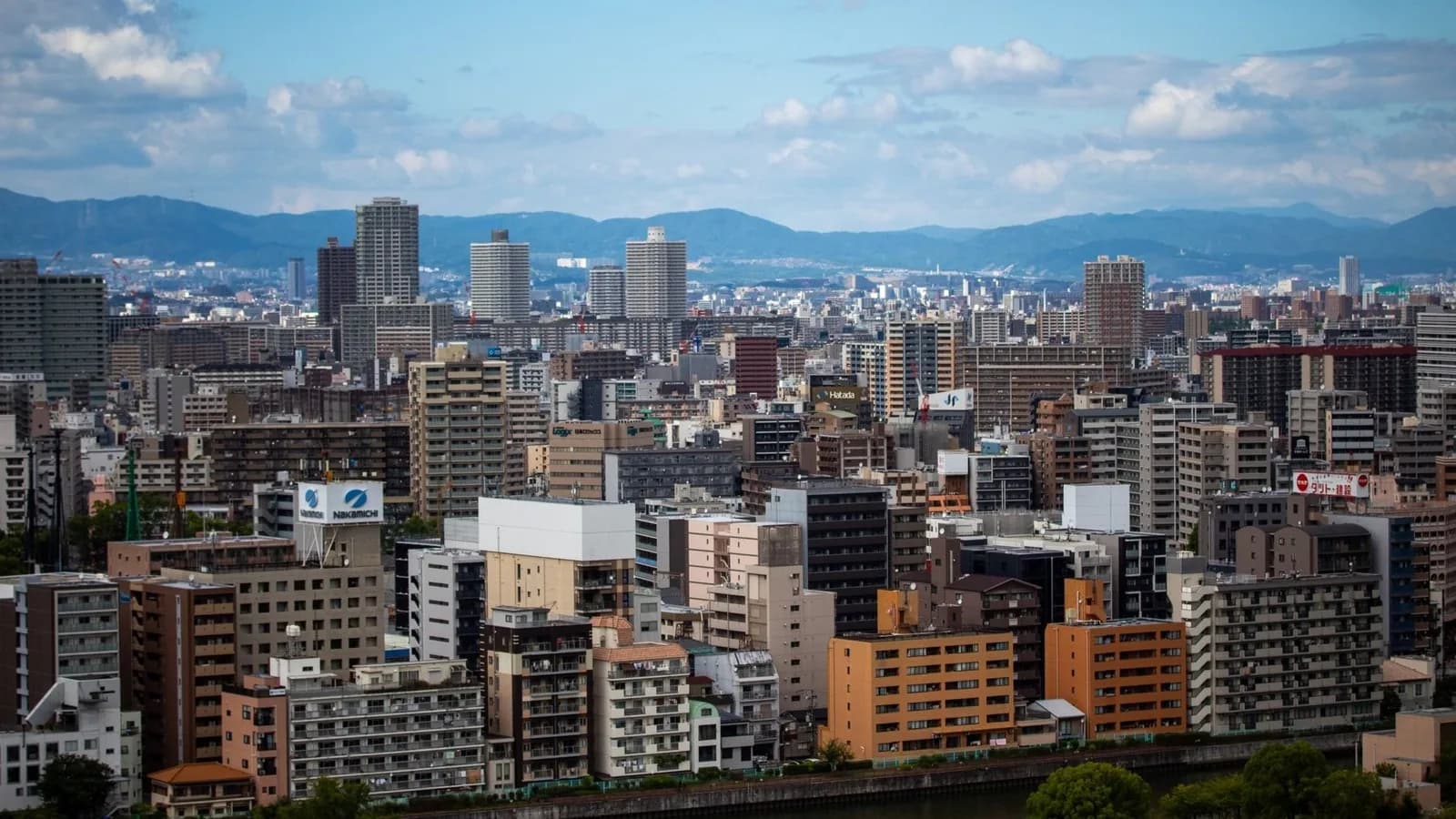
Fukuoka is the usual compromise for people who want a large city without Tokyo rents, 41% lower for a single flat. Among the other big cities, a small flat was advertised at ¥65,084 in Nagoya, ¥62,869 in Kyoto, ¥46,664 in Hiroshima and ¥45,287 in Sapporo, the cheapest of them. In mid-sized cities and the countryside, housing is cheap and space generous, but jobs open to foreigners are scarce outside teaching, factories and remote work, daily life runs in Japanese, and you will probably need a car.
Can you live in Japan without speaking Japanese?
You can move without it. The common work, student and working holiday statuses come with no general language test, and English teaching, the JET Programme and many roles in international companies are done in English. The exceptions are specific: Specified Skilled Worker jobs include a Japanese test, the Business Manager status has required Japanese at B2 level from the applicant or a full-time employee since 16 October 2025, and since 15 April 2026 small or recent companies that sponsor a language-based job such as translation must show proof of ability at B2 level.
Living without it is harder than moving without it. Ward office forms, leases, bank applications, tax letters and most medical appointments are in Japanese, and landlords check whether they can reach you in Japanese before they accept you. In Tokyo and Osaka you get by with translation apps, English-speaking agencies and patient counter staff. In a small town you will need help for anything official. Japanese also counts later: it earns points on the Highly Skilled Professional grid, and it is expected for naturalisation.
Learning Japanese before and after you move
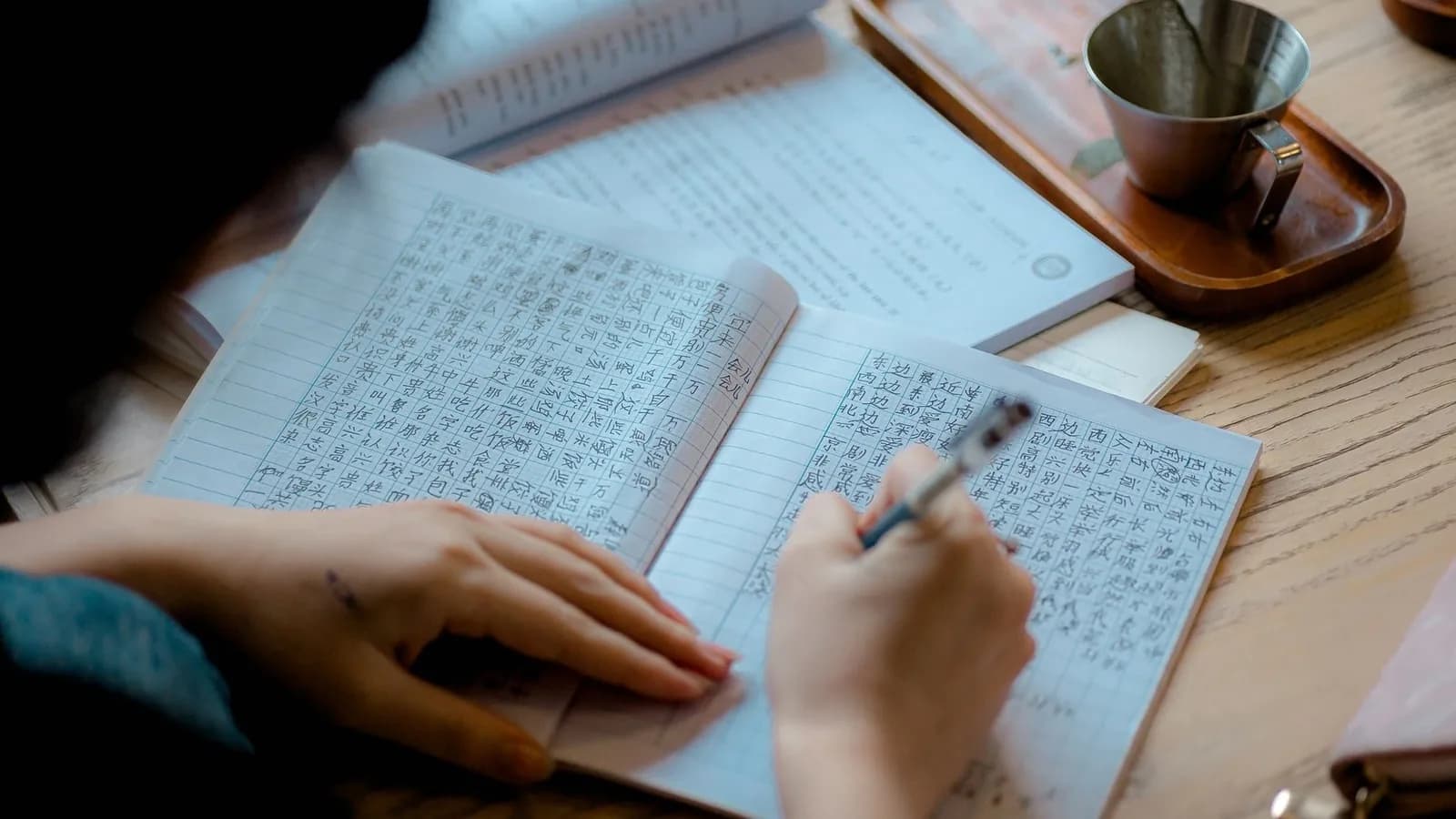
The benchmark is the Japanese-Language Proficiency Test (JLPT), held in July and December, with five levels from N5 (beginner) to N1. Employers outside English-speaking roles usually ask for N2. Two habits pay off before departure: learn the two phonetic alphabets, hiragana and katakana, which takes a few weeks, and practise the phrases of a counter visit. Once in Japan, many city halls and volunteer groups run free or very cheap classes for residents, and a full-time language school is itself a way to move, since it sponsors a student visa and leaves you 28 hours a week to work.
Working in Japan as a foreigner: what your status allows
Your right to work is printed on your residence card. A work status ties you to a type of job: the main one, Engineer / Specialist in Humanities / International Services, was held by 516,184 people in June 2026 and asks for a related degree or about 10 years of experience. Changing employer within the same field needs only a notification within 14 days, but changing activity needs a new status first. Students and dependants are limited to 28 hours a week with a permit. Spouses of Japanese nationals, permanent residents and working holiday makers can take almost any job.
For a graduate with no Japanese, teaching is the widest door: language schools and dispatch companies recruit from abroad and sponsor the visa, and the government-run JET Programme pays a starting salary of ¥4,020,000 a year (about $25,100). Our page on teaching English in Japan compares the employers. Beyond teaching, the sectors that hire in English are IT, engineering, finance, recruitment and tourism, covered in our guide to jobs in Japan for foreigners.
Set your expectations on pay. The average private-sector salary was ¥4.87 million in 2025, about ¥406,000 a month before tax, and the minimum wage in Tokyo has been ¥1,280 an hour ($8.00) since 1 October 2026. A full-time minimum-wage job pays less than the average single budget in Tokyo, Osaka, Fukuoka and Sendai alike, which matters if you plan to live on part-time work as a student or on a working holiday.
Driving licence, international schools and retiring in Japan
Driving in Japan and converting your licence
A foreign licence alone is not valid. You drive on an International Driving Permit issued under the 1949 Geneva Convention, for up to one year from your date of entry. Permits issued under the 1968 Vienna Convention are not accepted. Holders of German, French, Swiss, Belgian, Monegasque and Taiwanese licences use an official Japanese translation instead, as our guide to car rental in Japan explains. To keep driving after that year, you convert your licence at the prefectural licence centre (gaimen kirikae), and you must show that you lived at least three months in the issuing country after obtaining it. Licences from 29 countries and regions, among them the UK, Ireland, Canada, Australia, New Zealand and most of western Europe, convert with no written or driving test, according to the Tokyo Metropolitan Police list updated in September 2026. In the United States only seven states are on it. Everyone else takes both tests, and the written one has been harder since 1 October 2025: 50 questions, with 45 correct answers needed.
International schools and Japanese public schools
Japanese public elementary and junior high schools accept foreign children and charge no tuition, with lessons in Japanese. International schools teach in English and are priced accordingly. For the 2026-27 school year, the American School in Japan charges ¥3,143,000 to ¥3,826,000 in tuition depending on the grade (about $19,600 to $23,900), plus one-off fees that include a ¥300,000 registration fee and a ¥1,525,000 building maintenance fee. The British School in Tokyo charges ¥2,960,000 to ¥3,070,000 (about $18,500 to $19,200). Places are limited, so apply as soon as the job offer is signed, and ask your employer whether the package covers school fees.
Retiring in Japan
Japan has no retirement visa. The nearest option is a Designated Activities status for a long stay for sightseeing and recreation. It is open to adults from visa-exempt countries who hold savings above ¥30 million with their spouse (about $187,500) and private medical insurance. It runs for six months, can be extended to one year at most, and children cannot accompany you. People who retire in Japan permanently do so on a spouse status or on permanent residency earned during a career there. Owning a house changes nothing.
Mistakes to avoid when you move to Japan
- Arriving as a tourist to look for work. You can attend interviews, but you cannot start working, and the change to a work status is in principle refused from inside Japan.
- Booking flights before the Certificate of Eligibility arrives. Family files regularly reach the three-month ceiling. Once issued, the certificate expires after three months and is not reissued.
- Budgeting one month of rent to move in. Count about five months for an ordinary lease, plus furniture for an empty flat.
- Trying to sign a two-year lease from abroad. Book four to eight weeks of temporary housing and search once you hold a residence card and a phone number.
- Missing the 14-day registration. Health insurance, the pension, the bank and the phone contract all wait on it.
- Skipping pension or health insurance payments. Immigration checks them at renewal, and late payments are a leading cause of shorter periods of stay and of permanent residency refusals.
- Forgetting residence tax. The bill comes in June of your second year, and the remaining instalments are still due if you leave Japan mid-year.
- Letting the International Driving Permit run out. It is valid for one year from entry and a short trip home does not reset it. Start the conversion months before.
- Buying a house to get a visa. No property purchase, at any price, gives a status of residence.
- Relying on pre-2026 prices. Visa fees rose on 1 July 2026 and immigration fees in Japan on 1 October 2026: a one-year renewal now costs ¥33,000 at the counter, and permanent residency ¥200,000.
In this section
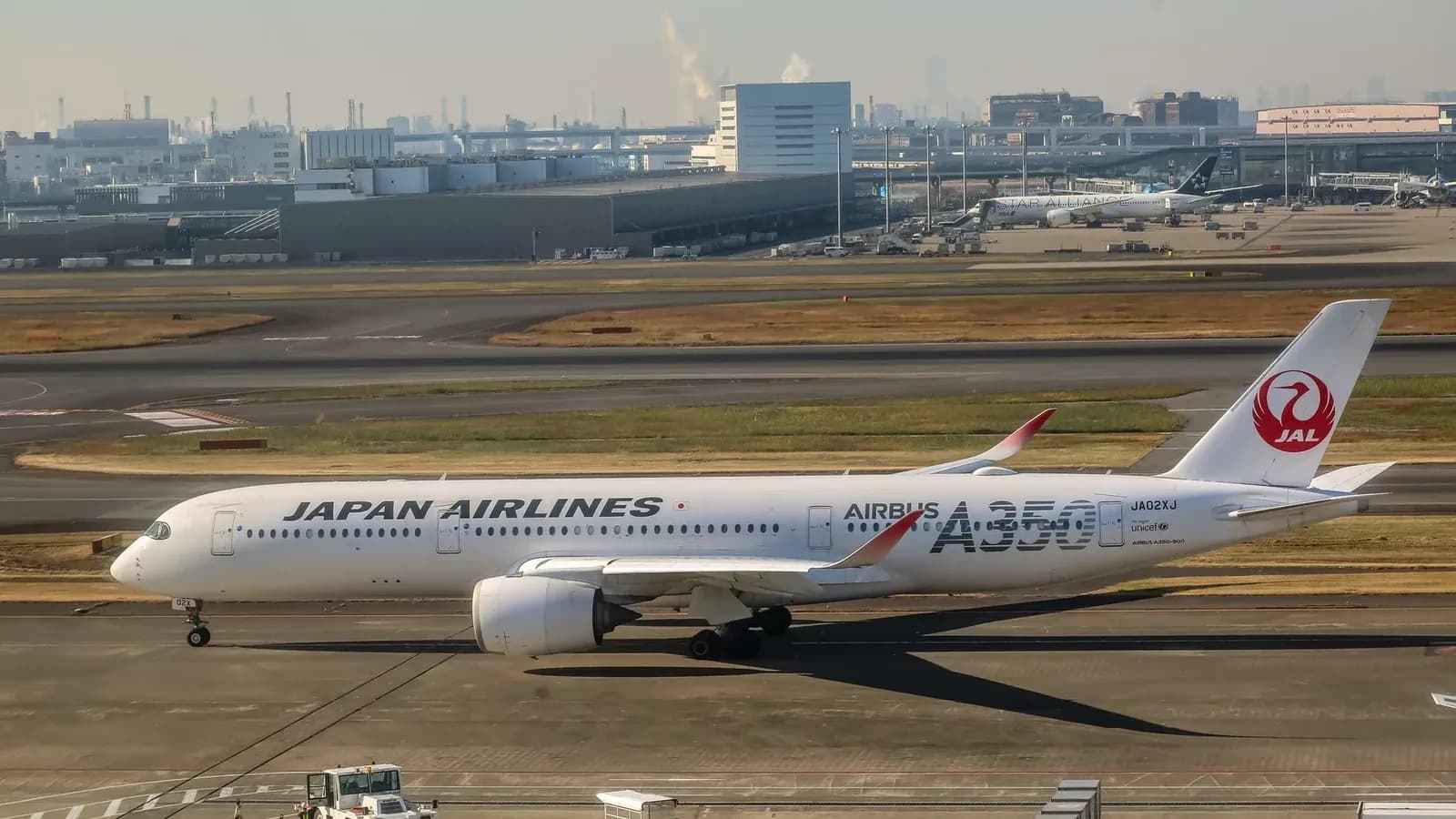
Moving to Japan from the USA in 2026: visa routes with no working holiday, a 12-month timeline, US taxes abroad, licence rules by state, pets and costs.
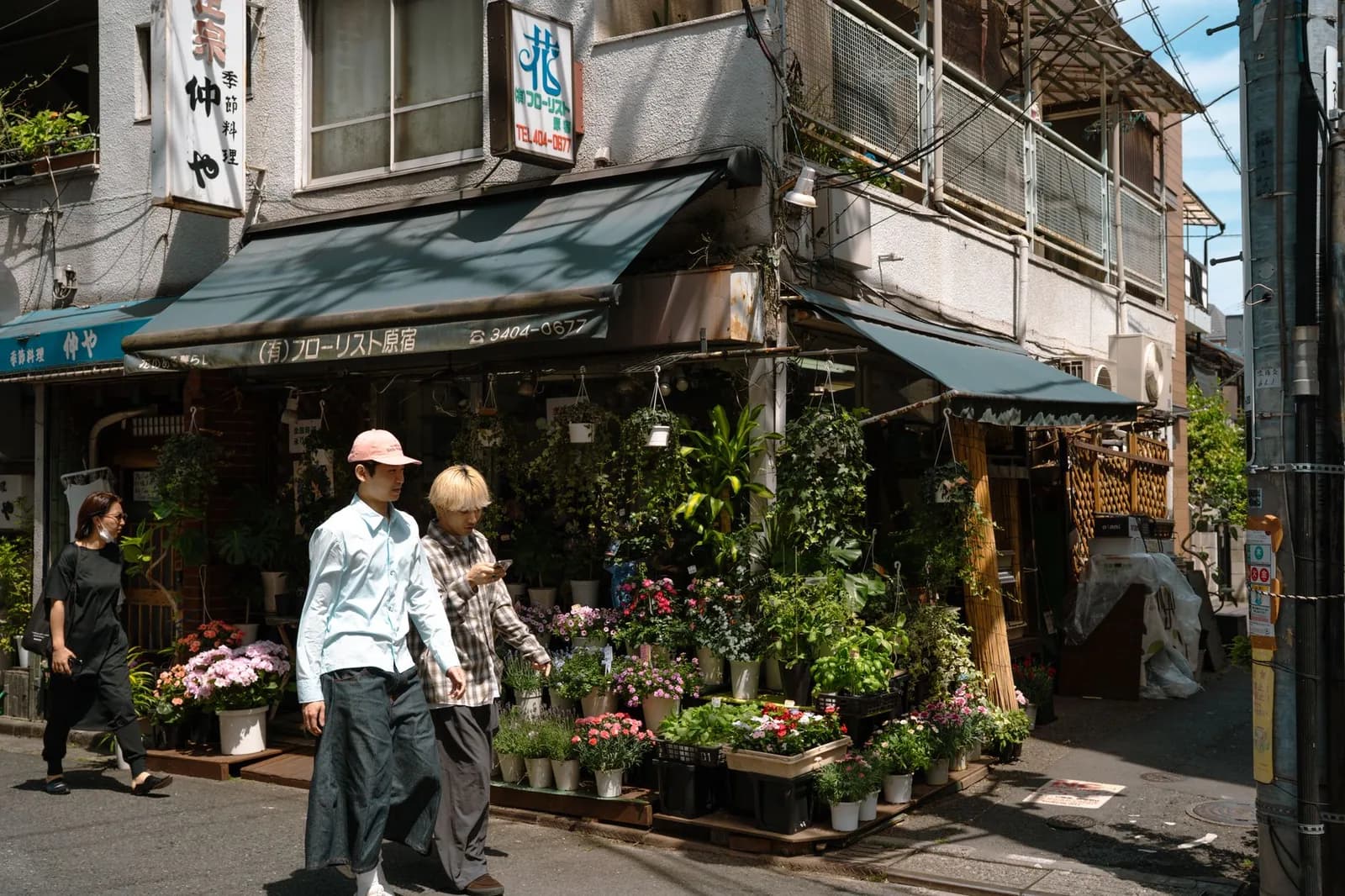 Photo Iban Lopez Luna, Pexels
What it costs to live in Japan in 2026: monthly budgets in yen and dollars for Tokyo, Osaka, Fukuoka and Sendai, with rent, bills, health insurance and taxes.
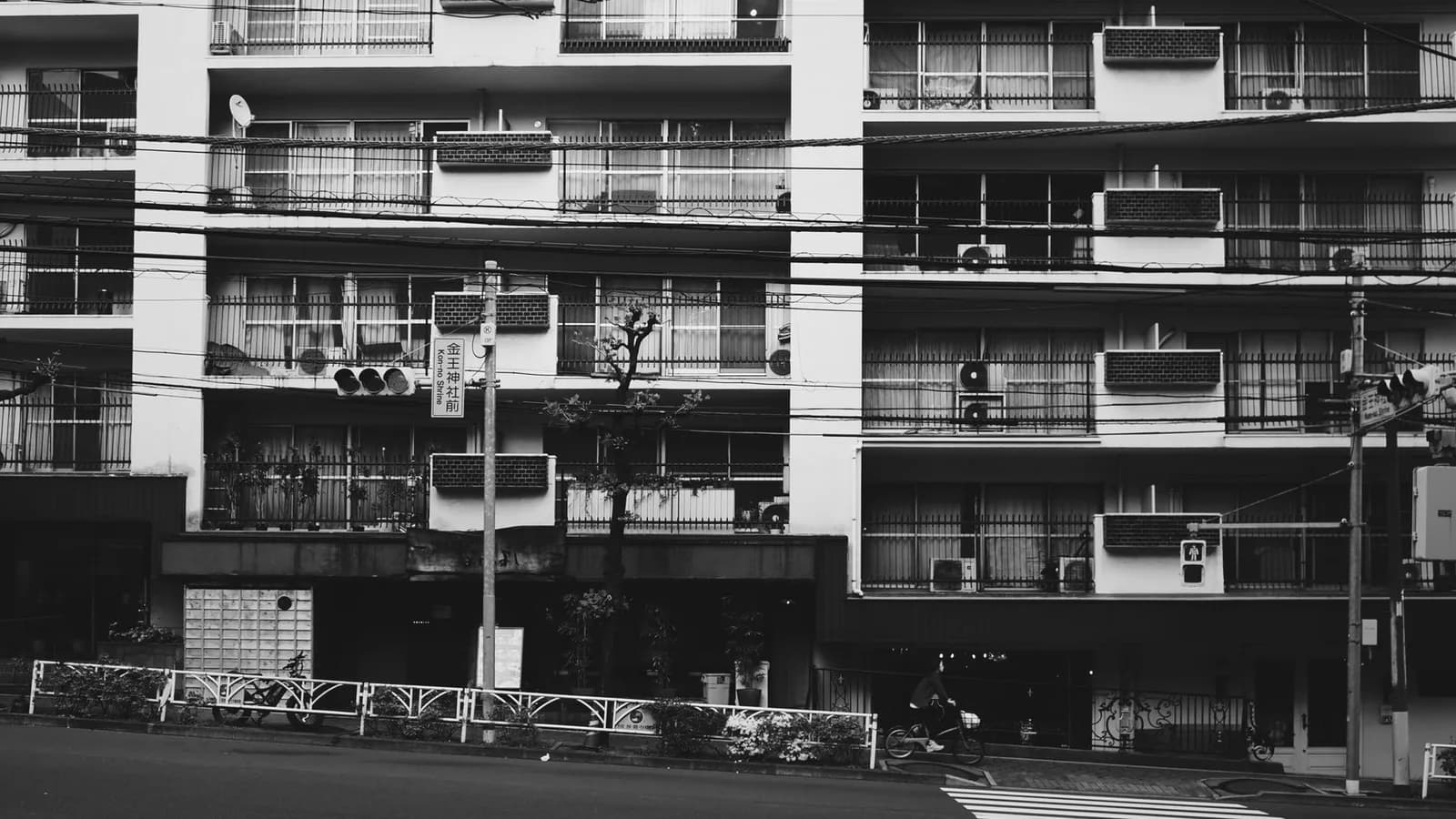
Renting in Japan as a foreigner in 2026: average rent by city and Tokyo ward, upfront costs with a worked example, guarantor companies and UR housing.
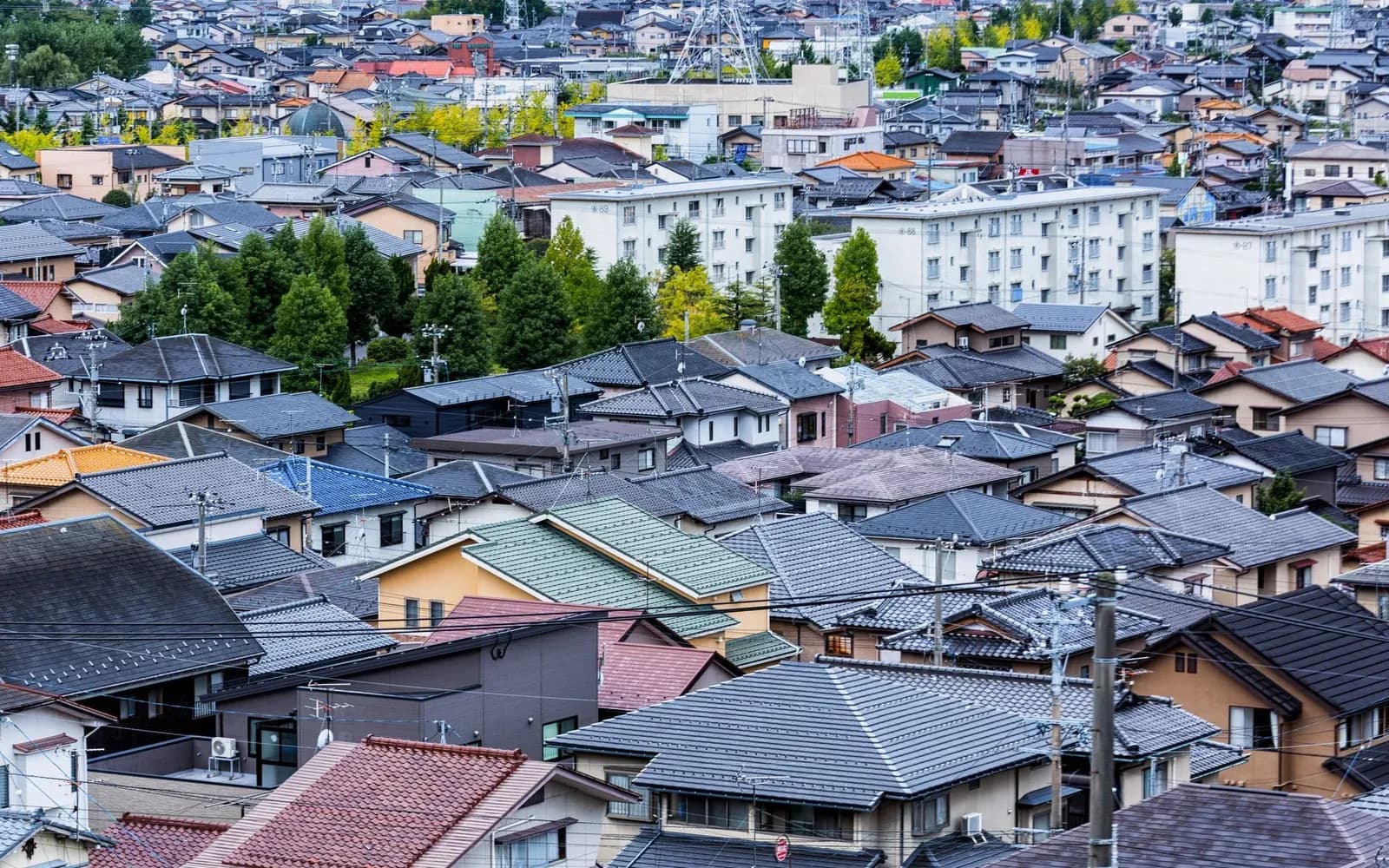 Photo Daven Hsu, Pexels
Can foreigners buy property in Japan? Yes, with no visa needed. 2026 rules, prices by city, buying steps, closing costs, taxes and mortgages explained.
 Photo Giuseppe Paoletti, Pexels
Akiya in Japan in 2026: 9 million vacant homes, real listings from ¥200,000, renovation costs, akiya banks, subsidies and the rules for foreign buyers.