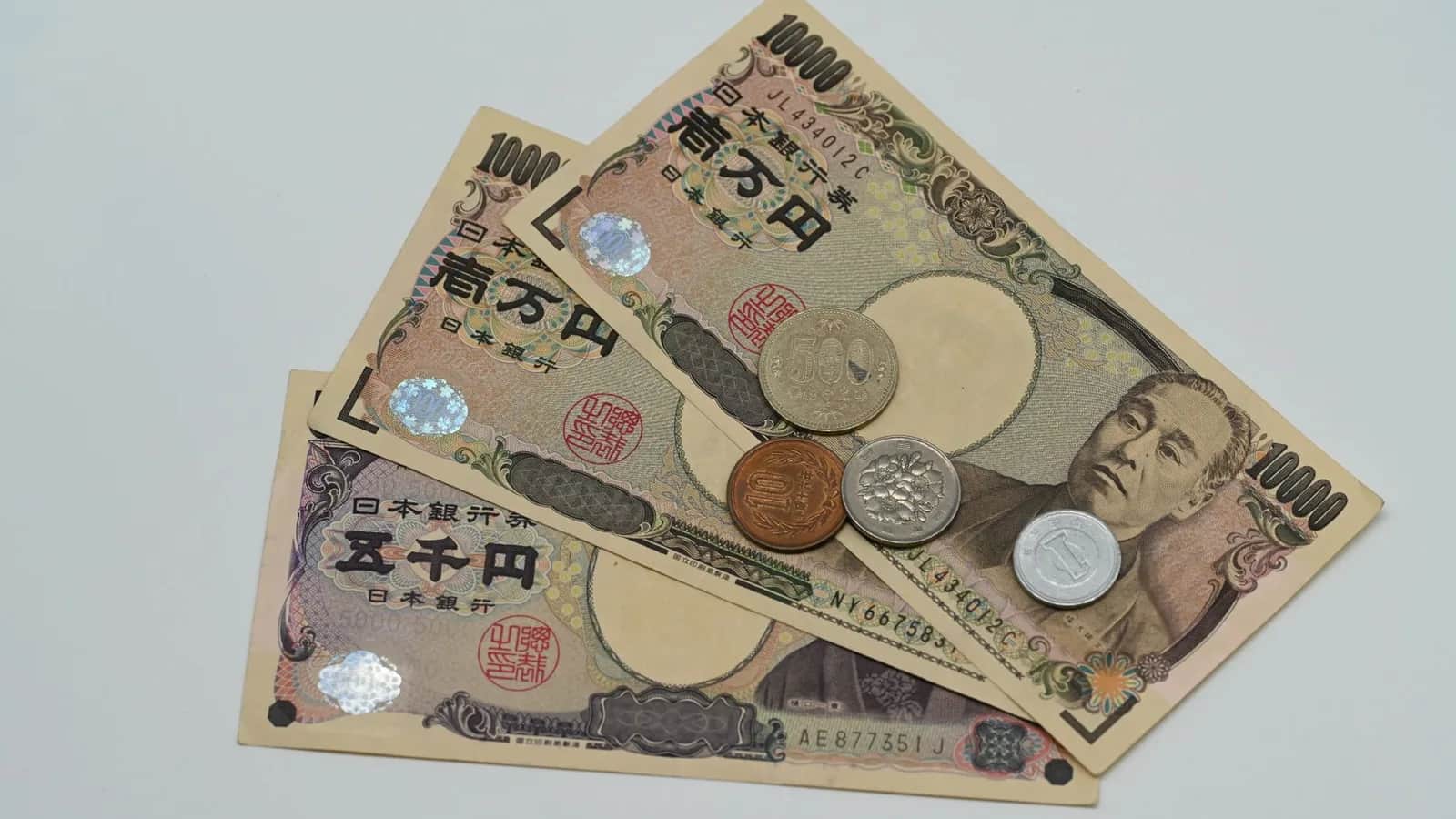
- real cost of sending $1,000 to Japan on 14 November 2026, fee plus exchange-rate margin, across seven providers
- $11.59 to $47.12
- taken by MUFG and SMBC to receive a wire from abroad, before intermediary banks' deductions
- ¥1,500
- above this, a payment between Japan and abroad has to be reported under the Foreign Exchange Act
- ¥30 million
On this page
The cheapest way to send money to Japan is a transfer service that converts at the mid-market rate and pays out through the Japanese domestic system: on 14 November 2026 it cost about 1% on $1,000 and under 0.4% on £5,000, against 2% to 5% through a bank or PayPal. The exchange-rate margin, not the fee, is what separates them. To receive, you need a Japanese bank account and its exact details, and anything above ¥1 million is reported to the tax office by the bank.
The cheapest way to send money to Japan in 2026
We priced the same transfer at every major provider on 14 November 2026, and the ranking was the same from every currency. Wise came first from the dollar, the pound, the euro, the Canadian and the Australian dollar, because it converts at the mid-market rate and charges a visible fee. Western Union and Remitly sit in the middle, high-street banks and Xoom behind them, and PayPal last. A bank that advertises a free wire still takes its cut on the rate: Barclays charged no fee on £5,000 but delivered ¥23,739 less than Wise, about £112 at the day's rate.
Wise and Revolut are the two services most newcomers end up using, one for one-off transfers and the other as a multi-currency account and card. Both pay into an ordinary Japanese bank account, and both show the yen amount before you confirm. Revolut was not in the dataset we used, so its cost is not in the tables below.
Two ways to convert money into yen
Wise, international money transfers
For one-off or regular transfers to a Japanese bank account
- Converts at the mid-market rate and shows the fee and the yen amount before you send
- Pays most yen transfers out inside Japan, to accounts at MUFG, SMBC, Mizuho, Japan Post Bank and others
- Check fees, limits and eligibility on the partner's website
Revolut, multi-currency account and card
For holding yen and paying in Japan with the same card
- Multi-currency account: exchange in the app, hold yen and send to a Japanese bank account
- Exchange fees and allowances depend on your plan, your country and the day of the week
- Check fees, limits and eligibility on the partner's website
Cost of sending $1,000 to Japan from the US
At the mid-market rate of 159.68 yen to the dollar (xe.com, 14 November 2026, 09:41 UTC), $1,000 is worth ¥159,682. The table shows what actually reaches the Japanese account and what is lost on the way, fee and margin together.
| Provider | Fee | Margin on the rate | Yen received | Real cost |
|---|---|---|---|---|
| Wise (paid by bank transfer) | $11.67 | 0% | ¥157,831 | $11.59 (1.16%) |
| Western Union | $0.99 | 1.96% | ¥156,410 | $20.49 (2.05%) |
| Wells Fargo | $0 | 3.09% | ¥154,759 | $30.83 (3.08%) |
| Remitly | $6.99 | 2.43% | ¥154,721 | $31.07 (3.11%) |
| OFX | $5.00 | 2.67% | ¥154,662 | $31.44 (3.14%) |
| Xoom (PayPal) | $0 | 4.03% | ¥153,257 | $40.23 (4.02%) |
| PayPal | $4.99 | 4.24% | ¥152,157 | $47.12 (4.71%) |
On Wise's own US page the fee for $1,000 depends on how you pay it: $7.26 by direct debit, $11.67 by bank transfer, $20.90 by debit card and $69.81 by credit card. Paying by credit card can also count as a cash advance at your card issuer. Remitly lists a $6.99 fee under $1,000 and none above, which is why it gets cheaper on larger sums while its margin stays.
Americans moving over have extra planning to do on the first months of rent and deposits, covered in our guide to moving to Japan from the USA. One US rule is new this year: since 1 January 2026, a 1% federal excise tax applies to remittances paid for in cash, by money order or by cashier's check. Transfers funded from a US bank account or a US-issued card are exempt.
How we measured the cost
Quotes come from the public comparison feed that Wise publishes, which records each provider's fee and rate for a given amount (most quotes on 14 November 2026, Wells Fargo on 13 November, PayPal on 10 November). We took the mid-market rate from xe.com at 09:41 UTC that morning, multiplied it by the amount sent and subtracted the yen received. The difference, converted back into dollars or pounds, is the real cost. Bank prices can vary with your account type, rates move by the minute, and the Japanese bank's receiving fee comes on top for a SWIFT wire.
Cost of sending £5,000 to Japan from the UK
At 210.96 yen to the pound (xe.com, same morning), £5,000 is worth ¥1,054,779. On a sum this size the margin dominates everything: the free bank transfers were the most expensive after PayPal.
| Provider | Fee | Margin on the rate | Yen received | Real cost |
|---|---|---|---|---|
| Wise | £21.41 | 0% | ¥1,050,786 | £18.93 (0.38%) |
| HSBC | £0 | 0.98% | ¥1,044,934 | £46.67 (0.93%) |
| OFX | £0 | 1.57% | ¥1,038,783 | £75.83 (1.52%) |
| Western Union | £2.99 | 1.83% | ¥1,035,345 | £92.12 (1.84%) |
| Remitly | £6.99 | 1.95% | ¥1,033,253 | £102.04 (2.04%) |
| NatWest and RBS | £0 | 2.30% | ¥1,030,989 | £112.77 (2.26%) |
| Nationwide | £15.00 | 2.12% | ¥1,029,800 | £118.41 (2.37%) |
| Barclays | £0 | 2.68% | ¥1,027,047 | £131.46 (2.63%) |
| PayPal | £2.99 | 4.97% | ¥1,002,242 | £249.04 (4.98%) |
Two details matter on a UK transfer of this size. £5,000 converts to more than ¥1 million, so the Japanese bank will report the credit to the tax office, which is routine and needs nothing from you. And the HSBC figure was recorded on 13 November and may reflect a premium account tier, so check the rate your own account gets before assuming it.
Sending money to Japan from Canada, Australia and Europe
The same comparison on 1,000 units of each currency, on 14 November 2026 unless stated, shows the cheapest provider against the big local banks. Mid-market rates were about 111.9 yen to the Canadian dollar, 108.2 to the Australian dollar and 176.0 to the euro.
| From | Cheapest | Main banks | Most expensive |
|---|---|---|---|
| CA$1,000 | Wise ¥110,922 (cost CA$8.72) | RBC ¥108,873, BMO ¥108,523 (13 Nov), TD ¥107,933 | PayPal ¥106,433 |
| A$1,000 | Wise ¥107,483 (cost A$6.34) | Westpac ¥107,175 (10 Nov), NAB ¥104,828, ANZ ¥104,263, CommBank ¥102,290 | PayPal ¥101,920 |
| €1,000 | Wise ¥174,758 (cost €7.14) | BNP Paribas ¥174,260, Commerzbank ¥171,624, ING Germany ¥168,529 (13 Nov), Sparkasse ¥167,157 (13 Nov) | La Banque Postale ¥152,760 (12 Nov) |
European banks behave differently from British and North American ones. Several, such as Deutsche Bank and Sparkasse, convert close to the mid-market rate but charge a flat fee of €36 to €50, so they become competitive only on large sums. In Australia, Westpac's margin was the lowest of any bank in the dataset at 0.44%, while CommBank's was 5.44%.
Ways to send money to Japan: bank wire, transfer service or multi-currency card
An international bank wire (SWIFT)
Your bank sends the payment through the SWIFT network, often via one or two correspondent banks, to the Japanese bank. It works for any amount and any bank, and it is what a property seller or a lawyer in Japan will expect for a large sum. The weak points are the margin your bank adds when it converts, the deductions made by correspondent banks along the way, and the Japanese bank's own receiving fee. Ask your bank whether it converts before sending or sends dollars, because that decides who charges what.
Specialist transfer services
Wise, Remitly, Western Union, OFX and Xoom collect your money at home and pay the recipient from an account they hold in Japan. The transfer usually arrives as a domestic yen payment, so the international receiving fee and intermediary deductions described below normally do not apply. Each service has its own limits by currency and by account history, so check the ceiling before relying on one for a large balance. Wise, for example, only uses SWIFT for a Japanese recipient on transfers of ¥1 million or more.
Multi-currency accounts and cards
Revolut and Wise both let you hold yen in an app and spend it with a card in Japan, which covers most daily spending before you have a local account. Revolut's page for Japan gives 3 to 5 working days for a bank transfer to a Japanese account and about 20 seconds between two Revolut users. Exchange costs depend on your plan and its monthly allowance, and weekend conversions can cost more. Our guide to Japanese currency and banking covers cards, cash and ATMs once you are there.
Zelle, Venmo and PayPal
Zelle, Venmo and Cash App only work between US accounts and cannot pay a Japanese bank. PayPal can send to a PayPal account in Japan, but it was the dearest option in every currency we tested, at 4.2% to 5.2% above the mid-market rate, before its fee.
How long does it take to send money to Japan?
A transfer service that holds your money already can credit a Japanese account the same day or the next working day. Wise quoted delivery by Tuesday 17 November for a $1,000 bank transfer set up on Saturday 14 November. A SWIFT wire from a bank takes three to five working days, sometimes a week when it passes through two correspondent banks.
Japanese banks credit nothing at weekends, on national holidays and from 31 December to 3 January. The next holidays are 23 November 2026, then 1 January, 11 January, 11 February and 23 February 2027, and Golden Week from 29 April to 5 May. Add time for a compliance check on a large or unusual transfer: Japan Post Bank warns that a credit can take more than a month when it asks for documents.
What you need to receive money in Japan
The recipient needs an account at a Japanese bank, which in practice means a residence card and an address in Japan. Newcomers who arrive without one pay their first costs from a foreign card or a multi-currency account, and open the local account once registered at the city office. Moving-in costs are due by bank transfer before you get the keys, as our guide to renting in Japan explains.
For a SWIFT wire, give the sender the following, exactly as the bank holds it:
- The account holder's name in Latin letters, spelled as registered at the bank. Banks match the romanised name on an international wire. The katakana name is what domestic transfers use, so it helps the sender to know it, but it does not replace the romanised one.
- The bank's SWIFT code, its English name, the branch name and the branch address.
- The 3-digit branch number and the 7-digit account number, written without a dash. Japan has no IBAN, sort code or routing number.
- The recipient's address in Japan, and the purpose of the payment.
| Bank | SWIFT code | Point to know |
|---|---|---|
| MUFG Bank | BOTKJPJT | Same code for every branch, give the branch name in English |
| Sumitomo Mitsui Banking Corporation (SMBC) | SMBCJPJT | Branch and account numbers without a dash |
| Mizuho Bank | MHCBJPJT | Accounts at its Internet branch cannot receive transfers from abroad |
| Sony Bank | SNYBJPJT | Head Office, Tokyo. Branch "001" plus the 7-digit number |
| SBI Sumishin Net Bank | NTSSJPJT | Receiving fee charged in the currency sent |
| Japan Post Bank | JPPSJPJ2 | US dollars or euros only, see below |
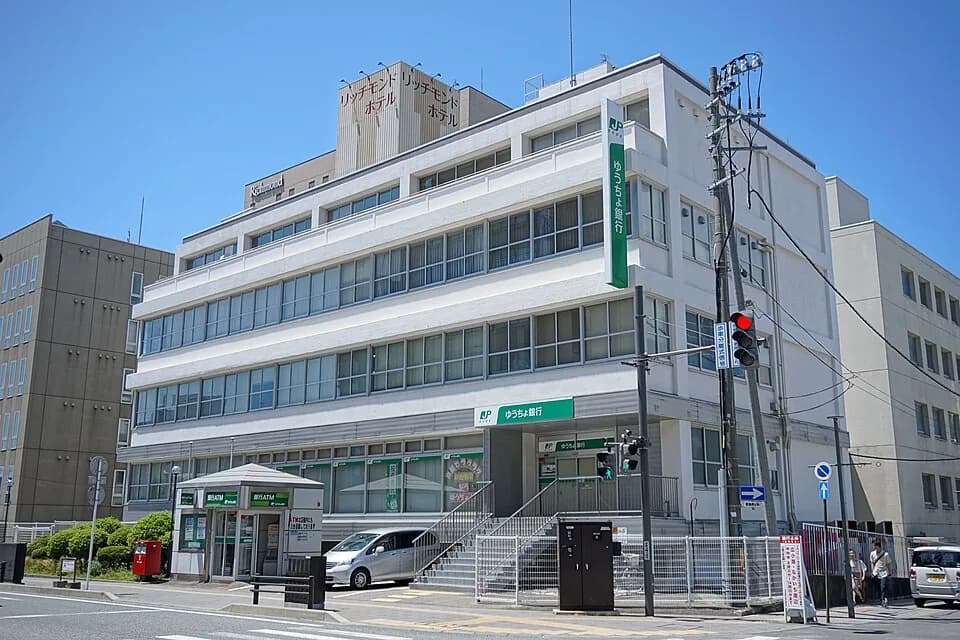
Receiving at Japan Post Bank
Japan Post Bank (Yucho Ginko) is the account many foreigners open first, and it has its own rules. Its page for incoming transfers, read on 14 November 2026, gives the BIC JPPSJPJ2, not the JPPSJPJ1 that many older guides still print. It accepts US dollars or euros only, routed through Deutsche Bank Trust Company Americas (BKTRUS33) for dollars and Deutsche Bank AG (DEUTDEFF) for euros, and converts to yen at its own rate on the day of credit.
The account number is the 5-digit symbol (kigo) followed by the number (bango) of up to 8 digits from the passbook, written together. A wire that carries only the number is returned. The account has to be a personal one in the recipient's own name, and the sender must state the purpose of the payment.
Receiving fees at Japanese banks (lifting fees)
A SWIFT wire pays three times: your bank's fee, the deductions of the correspondent banks in the middle (often called lifting fees) and the Japanese bank's receiving fee. The middle one is the hardest to predict, because the route is chosen by the banks and the amount is taken from the transfer before it lands. In an example published by Wise Japan, $1,000 wired to a Sony Bank account arrived as $980.
| Bank | Receiving fee for an individual | Source, checked 14 November 2026 |
|---|---|---|
| MUFG Bank | ¥1,500 for a foreign-currency wire credited in yen. A yen wire adds a 0.05% handling charge, minimum ¥2,500. Free into a foreign-currency account | MUFG fee page |
| SMBC | ¥1,500 for a foreign-currency wire credited in yen. ¥1,500 plus 0.05% (minimum ¥2,500) for a yen wire or a credit to a foreign-currency account | SMBC fee page |
| Mizuho Bank | ¥2,500 per transfer into a yen account | Reported by Wise Japan, March 2026 (Mizuho's page was unreadable) |
| Japan Post Bank | No receiving fee listed. About $10 (on $100 or more) or €5 (on €100 or more) deducted by the intermediary bank | Japan Post Bank page |
| Sony Bank | Free, no limit on amount or number, 11 currencies including USD, GBP, EUR, CAD and AUD | Sony Bank page |
| SBI Sumishin Net Bank | 35 units of the currency (USD, EUR, GBP, AUD, CAD and others) below 50,000 units, ¥3,500 for a yen wire, since 16 April 2026 | SBI Sumishin notice |
| Rakuten Bank | ¥2,450, taken from the yen balance, which must cover it | Rakuten Bank page (not readable, figure from its search listing) |
| PayPay Bank | Cannot receive transfers from a foreign bank | PayPay Bank page |
The currency you send in changes the bill. Send dollars or pounds to MUFG or SMBC and you pay ¥1,500 plus the bank's buying rate, which for the megabanks sits about one yen below the mid rate per dollar. Send yen and the bank charges its handling fee instead, so a yen wire into a megabank costs at least ¥4,000 on arrival. MUFG also changes its rule for small transfers: from arrivals on 14 December 2026, a wire below ¥8,000 loses half its value in fees.
Limits, reporting and anti-money laundering checks on transfers to Japan
Japanese law sets no ceiling on what an individual may send into the country. The limits you meet are those of your bank or transfer service, and three layers of reporting and checks.
The ¥30 million payment report
Under the Foreign Exchange and Foreign Trade Act, a resident of Japan who makes or receives a payment between Japan and abroad of more than ¥30 million (about $187,500) reports it to the Minister of Finance through the Bank of Japan. Exactly ¥30 million needs no report, and non-residents are exempt (Bank of Japan FAQ, September 2026 edition). When the money goes through a bank, the bank hands the customer the form and passes it on.
The ¥1 million report to the tax office
Every Japanese bank files a report with the tax office for each international transfer, in or out, above ¥1 million (about $6,250), with the names, addresses and amount, according to the National Tax Agency. You have nothing to file and nothing to pay because of it. It does mean the tax office sees the money, and splitting a transfer into smaller ones to stay under the threshold attracts more attention, not less.
Why a transfer to Japan gets held or refused
Japanese banks apply anti-money laundering checks strictly, and an unclear purpose is enough to hold a transfer. Japan Post Bank may ask for documents on the purpose, the source of the funds and your relationship with the sender, even for a transfer similar to earlier ones, and may refuse the credit and return the money. SMBC warns that transfers can be delayed or sent back for the same checks, and asks customers to register their My Number. Write a precise purpose ("own savings for living costs", "deposit for a flat in Osaka", "salary from a UK employer") and keep the matching documents ready.
Sending money to Japan to buy a property
A house purchase is where the exchange rate matters most. Unless a Japanese bank lends, the price arrives from abroad in two instalments, the deposit at contract and the balance at settlement. On a ¥50 million ($312,500) home, a 1% difference in the exchange rate is ¥500,000 ($3,125), more than the registration tax. Buyers without a Japanese account usually pay into the agent's or the scrivener's client account named in the contract, and should send the money several working days before settlement because the bank will ask for the sale contract and proof of funds.
¥50 million is above the ¥30 million threshold, so the payment report applies to the resident side of the transaction. A buyer who lives abroad also reports the purchase itself to the Bank of Japan within 20 days, and since 1 April 2026 a home for your own use is no longer exempt. Our guide to buying a house in Japan covers the whole process, and the one on akiya covers cheap rural houses, which are nearly always bought in cash.
Receiving a salary from abroad while living in Japan
Remote workers and people paid by a foreign employer face two choices: where the salary lands and how often to convert it. Keeping the salary in its home account and moving a lump sum each month through a transfer service is usually cheaper than asking a foreign payroll to wire yen, because a monthly SWIFT wire repeats the receiving fee twelve times a year. Our page on salaries in Japan shows what a yen income is worth against foreign pay.
Tax is the part that catches people out. Pay for work done while living in Japan is Japanese income wherever it is paid. And a resident who has lived in Japan for less than five of the past ten years is taxed on foreign income other than that only when it is paid in or remitted to Japan, which makes the transfer itself a taxable event in some cases. The rules are on our page on tax in Japan for foreigners.
Sending money from Japan back home
Leaving Japan, paying a loan at home or saving for retirement abroad means converting yen the other way. Japanese banks ask for your residence card and My Number before an international transfer, as the law on overseas remittance reports requires, and charge several thousand yen per outgoing wire plus their margin on the rate. Wise operates in Japan and is usually far cheaper on ordinary amounts, once your identity is verified.
The ¥1 million tax office report and the ¥30 million payment report apply in this direction too. Sending your own savings home is not taxed, but a transfer to a family member can count as a gift, and leaving Japan has consequences for pension contributions and the final tax return. Those points, including the lump-sum pension refund for people who leave, are covered in our guide to Japanese tax and pension refunds. For a sense of how far yen go before you send any, see our breakdown of the cost of living in Japan.