- 7-day Ordinary Japan Rail Pass bought on the official website, about $313 (price read on 14 November 2026)
- ¥50,000
- Tokyo, Kyoto, Osaka and back to Tokyo on single Nozomi tickets, about $184, far below the price of the pass
- ¥29,470
- extra ticket a pass holder pays to ride a Nozomi between Tokyo and Kyoto, about $31 each way
- ¥4,960
On this page
The Japan Rail Pass costs ¥50,000 for 7 days, ¥80,000 for 14 days and ¥100,000 for 21 days in Ordinary class on the official website (about $313, $500 and $625), and since 1 October 2026 it costs 5 to 6% more through an overseas agency. At that price the JR Pass no longer pays for a Tokyo, Kyoto and Osaka trip. It still wins on a fast loop that adds Hiroshima and Kanazawa within one week. Prices below were read on 14 November 2026 and converted at 160 yen to the dollar.
Japan Rail Pass, Shinkansen tickets and rail trips to book online
These are the rail products GetYourGuide sells for Japan, from the nationwide pass to the tickets that fill its gaps.

Japan: 7, 14 or 21-Day Japan Rail Pass
The nationwide Japan Rail Pass for 7, 14 or 21 consecutive days, bought before you travel.
4.8(658 reviews)
- 7 to 21 days
From $368per person
See prices & availability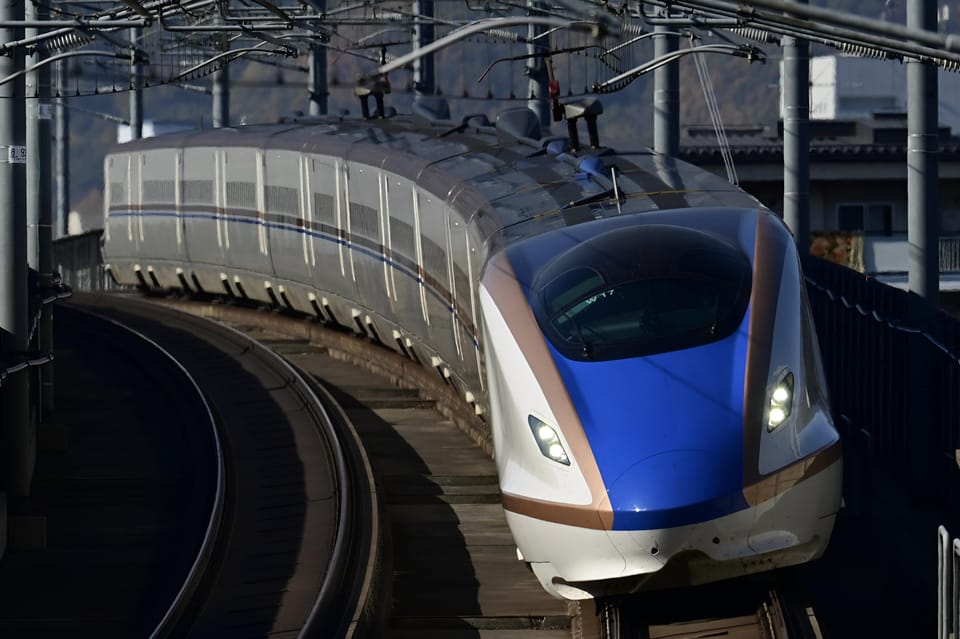
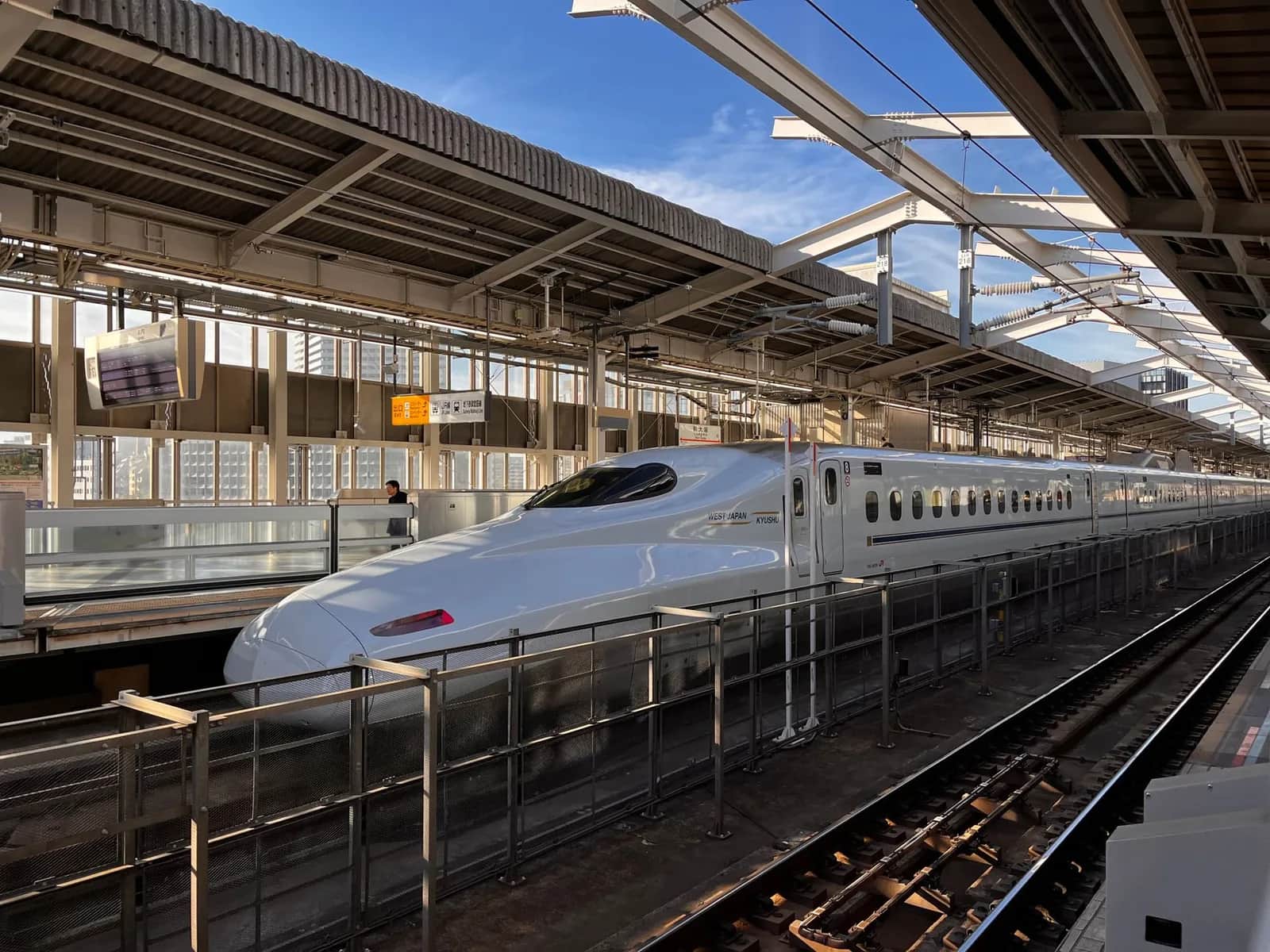
One-Way Bullet Train Ticket - Sanyo Shinkansen
One-way tickets on the Sanyo Shinkansen, the line that links Shin-Osaka, Himeji, Hiroshima and Hakata.
4.6(42 reviews)
From $16per person
See prices & availability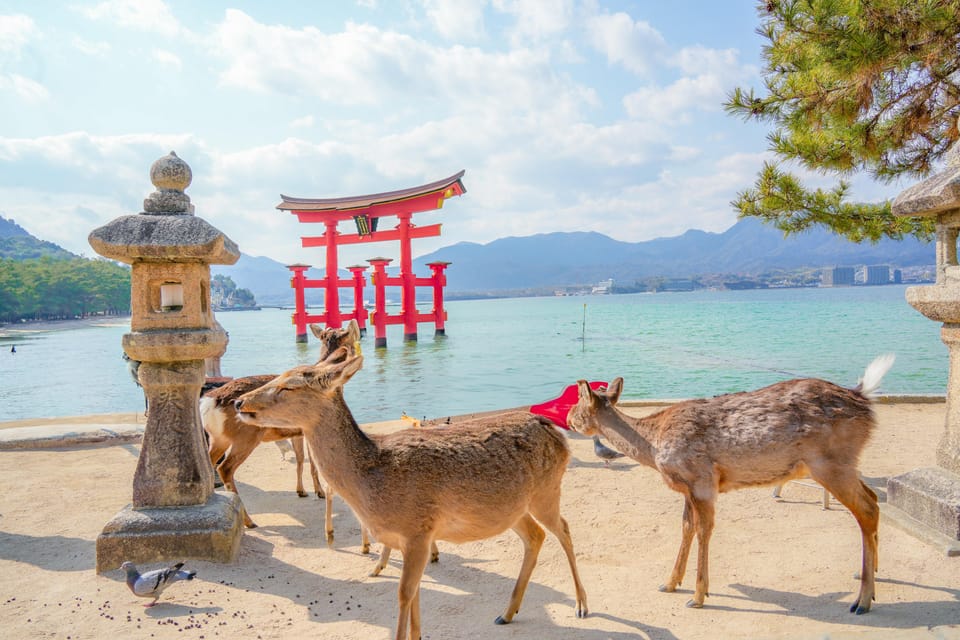
From Kyoto: Hiroshima & Miyajima Day Trip by bullet train
A day in Hiroshima and Miyajima from Kyoto by Shinkansen. Check on the listing whether the train fare is included.
4.7(109 reviews)
- 8 to 12 hours
- Free cancellation
From $95per person
See prices & availability
Tokyo: 24-hour, 48-hour, or 72-hour Subway Ticket
Unlimited rides on the Tokyo Metro and Toei subway lines for 24, 48 or 72 hours. The Japan Rail Pass does not cover them.
4.4(2,839 reviews)
From $6per person
See prices & availability
Tokyo: Skyliner Train Skip The Line E-Ticket (Narita Airport)
Keisei Skyliner e-ticket between Narita Airport and central Tokyo, a non-JR train that the Japan Rail Pass leaves out.
4.7(1,315 reviews)
From $14per person
See prices & availability
Hakone: Train Pass with Unlimited Rides & Activity Discounts
Two days of unlimited rides on Hakone area trains with discounts on activities, in a region JR trains barely reach.
4.3(198 reviews)
- 2 days
From $44per person
See prices & availability
Japan Rail Pass price in 2026: 7, 14 and 21 days, Ordinary and Green
There are now two price lists. The JR Group raised the price of the pass on 1 October 2026, a rise announced on 9 April 2026 and relayed by the Japan National Tourism Organization. On 14 November 2026 the official site, japanrailpass.net, applied the new price to exchange orders sold by overseas agencies and still showed the previous price for online purchases, which JR describes as a limited-time price with no end date announced.
| Pass | Official website | In dollars | Overseas agency | In dollars |
|---|---|---|---|---|
| Ordinary, 7 days | ¥50,000 | $313 | ¥53,000 | $331 |
| Ordinary, 14 days | ¥80,000 | $500 | ¥84,000 | $525 |
| Ordinary, 21 days | ¥100,000 | $625 | ¥105,000 | $656 |
| Green, 7 days | ¥70,000 | $438 | ¥74,000 | $463 |
| Green, 14 days | ¥110,000 | $688 | ¥116,000 | $725 |
| Green, 21 days | ¥140,000 | $875 | ¥147,000 | $919 |
Children aged 6 to 11 pay half, rounded up on the agency list (¥25,000 online and ¥27,000 through an agency for 7 days in Ordinary class). The age that counts is the age on the day you pay online or the day the exchange order is issued, and a 12-year-old pays the adult price. An agency converts the yen price into your currency at its own rate on the day of issue, so the amount in dollars, pounds or euros changes from one seller to the next.
Per day, the Ordinary pass works out at about ¥7,140 for 7 days, ¥5,710 for 14 days and ¥4,760 for 21 days. Those are the numbers to hold against your own route. A day spent walking around Kyoto with an activated pass still costs ¥7,140.
The Green pass gives access to Green Cars, the first-class carriages with wider seats and more legroom. It costs about 40% more than the Ordinary pass, and Ordinary cars on the Shinkansen already have more legroom than an economy seat on a plane. The Green pass makes most sense at New Year, Golden Week (late April to early May) and Obon (mid-August), when Ordinary reserved seats sell out first.
Is the Japan Rail Pass worth it in 2026? Three itineraries costed
The pass pays when the single tickets you would buy inside its validity add up to more than its price. Here are the fares for the legs most visitors ride, for an adult with a reserved seat in regular season. JR does not publish a simple English fare table, so these come from fare databases and travel sites consulted on 14 November 2026. They can move by a few hundred yen with the season, and the totals are accurate to within about ¥1,000.
| Leg | Train | Single fare | In dollars |
|---|---|---|---|
| Tokyo to Kyoto | Nozomi, about 2 h 15 min | ¥14,170 | $89 |
| Tokyo to Shin-Osaka | Nozomi, about 2 h 30 min | ¥14,720 | $92 |
| Kyoto to Osaka | JR Special Rapid, about 30 min | ¥580 | $4 |
| Kyoto to Hiroshima | Nozomi, about 1 h 40 min | about ¥11,940 | $75 |
| Hiroshima to Tokyo | Nozomi, about 4 h | ¥19,760 | $124 |
| Tokyo to Kanazawa | Kagayaki, about 2 h 30 min | about ¥14,600 | $91 |
| Kanazawa to Kyoto | Shinkansen to Tsuruga, then Thunderbird | about ¥7,720 | $48 |
| Narita Airport to Tokyo | Narita Express | ¥3,140 | $20 |
One thing skews every comparison. The single fares above are for the Nozomi, the fastest train, and the pass does not include it. With a pass you ride the Hikari (Tokyo to Kyoto in about 2 h 40 min instead of 2 h 15 min) and the Sakura, or you pay the Nozomi supplement on top. Hikari and Sakura single tickets cost about ¥300 to ¥850 less than the Nozomi fares in the table, which narrows the advantage of the pass a little more.
Tokyo, Kyoto, Osaka and back to Tokyo: the pass loses by about ¥20,000
Tokyo to Kyoto (¥14,170), Kyoto to Osaka (¥580) and Shin-Osaka back to Tokyo (¥14,720) come to ¥29,470, about $184. Add a Narita Express round trip at full fare and you reach ¥35,750. The 7-day pass costs ¥50,000, so you would pay roughly ¥14,000 to ¥20,000 more for slower trains. A day trip to Nara (about ¥1,440 return from Kyoto on JR) or to Himeji Castle does not close the gap. This is the route most first-time visitors follow, and it is why the pass stopped being the default choice after the 2023 price rise. Our Shinkansen guide explains how to buy those single tickets.
Tokyo, Kyoto, Hiroshima and back in 7 days: close to break-even
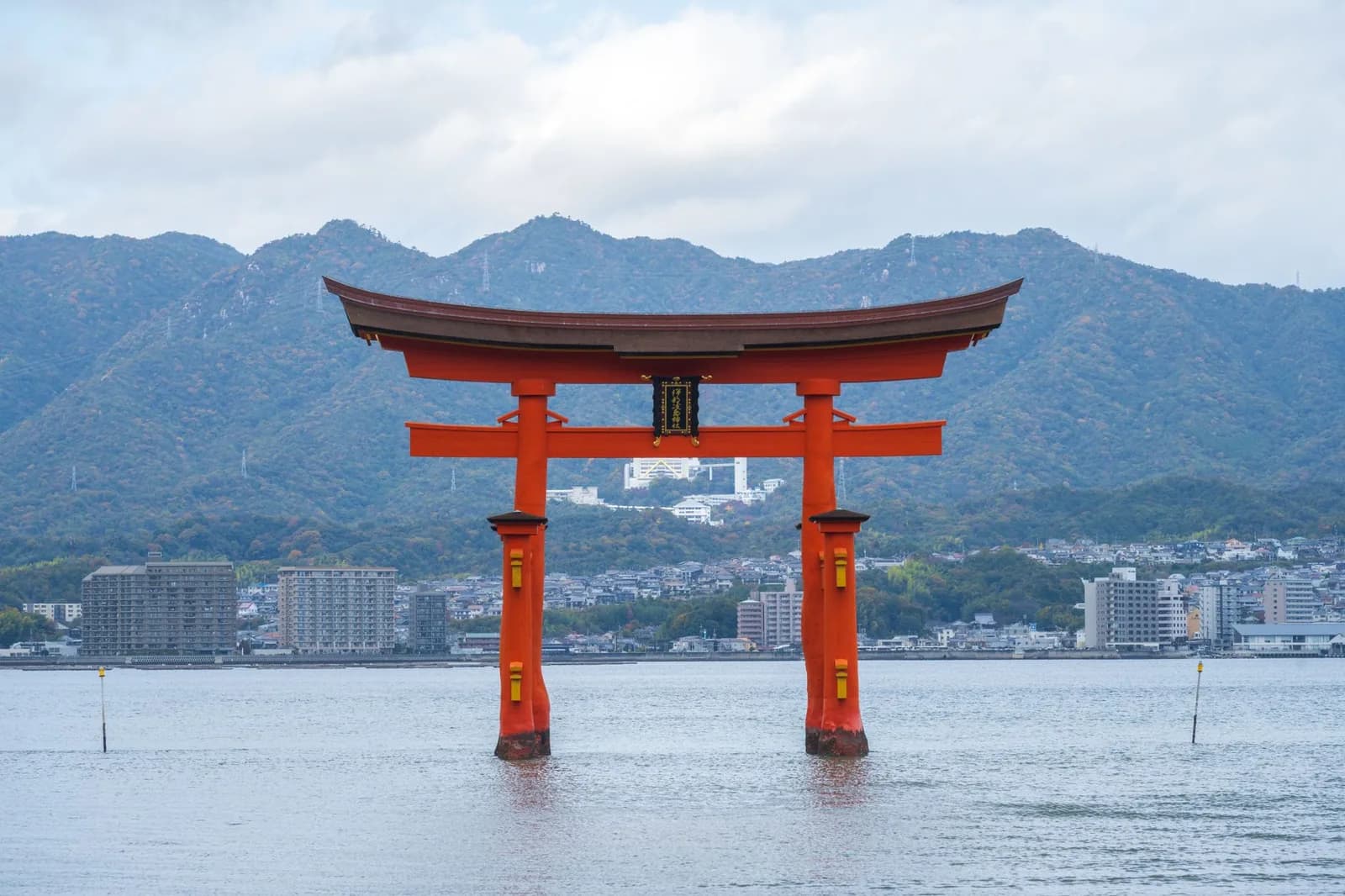
Tokyo to Kyoto (¥14,170), Kyoto to Hiroshima (about ¥11,940) and Hiroshima to Tokyo (¥19,760) total about ¥45,870, or $287. The pass also covers the JR train from Hiroshima to Miyajimaguchi and the JR ferry to Miyajima, the Kyoto to Osaka hop and the Narita Express, which lifts the value of what you ride to about ¥51,000 to ¥54,000. Against a ¥50,000 pass bought online that is a saving of ¥1,000 to ¥4,000 at best, and nothing against the ¥53,000 agency price.
The saving also has a cost in time. Without the Nozomi there is no direct train from Hiroshima to Tokyo: you take a Sakura to Shin-Osaka or Shin-Kobe and change to a Hikari, about 5 hours in all against 4 hours. Paying the supplement on the three long legs adds ¥15,630 and wipes out the saving. On this loop, a Kansai-Hiroshima Area Pass with two single Nozomi tickets costs about the same as the nationwide pass and keeps the fast trains between Tokyo and Kansai.
14 days with Kanazawa: buy the 7-day pass, not the 14-day one
A two-week loop from Tokyo to Kanazawa (about ¥14,600), Kanazawa to Kyoto (about ¥7,720), Kyoto to Hiroshima (about ¥11,940) and Hiroshima back to Tokyo (¥19,760) adds up to about ¥54,020, or $338. With the Kyoto to Osaka hop, Miyajima and one Narita Express ride, the total is close to ¥59,000.
The 14-day pass at ¥80,000 loses by more than ¥20,000. The 7-day pass at ¥50,000 wins by ¥4,000 to ¥9,000, on one condition: the four long legs must fall within 7 consecutive days. The usual way to do that is to spend the first days in Tokyo without a pass, start it on the morning you leave for Kanazawa, and be back in Tokyo by the evening of the seventh day. If your Japan itinerary spreads those legs over 10 or 12 days, single tickets are cheaper than any nationwide pass.
What the Japan Rail Pass covers and what it does not
The pass is valid on trains run by the six JR companies across the country, in the class you bought.
- Shinkansen on every line, on Hikari, Kodama, Sakura, Hayabusa, Kagayaki and the other services, except Nozomi and Mizuho without the supplement.
- Limited express, rapid and local JR trains, including the Narita Express, the Haruka to Kansai Airport, the Yamanote loop in Tokyo and the Osaka Loop Line.
- The Tokyo Monorail between Haneda Airport and Hamamatsucho.
- The JR ferry to Miyajima. The ¥100 visitor tax of the island is paid separately.
- Some local JR buses, and a few non-JR track sections needed to reach isolated JR lines, such as Kanazawa to Tsubata.
What stays outside matters as much, because it is where visitors spend without expecting to.
- Subways and private railways: the Tokyo Metro and Toei lines, the Kyoto and Osaka subways, and the Keisei, Odakyu, Tobu, Kintetsu, Hankyu and Nankai networks. That includes the Skyliner from Narita and the trains into Hakone, on the way to Mount Fuji.
- City buses in Kyoto and elsewhere, and JR highway buses.
- Green Cars with an Ordinary pass: you pay the full Green surcharge and the express charge, not a small upgrade.
- Sleeping berths and private compartments, which carry extra charges.
For everything the pass leaves out, an IC card is the simplest way to pay. Our Suica card guide covers how to get one as a visitor. The pass is personal, with your name and passport number on it, and it counts calendar days from midnight to midnight, not 24-hour periods. A pass first used at 6 pm has used up its first day.
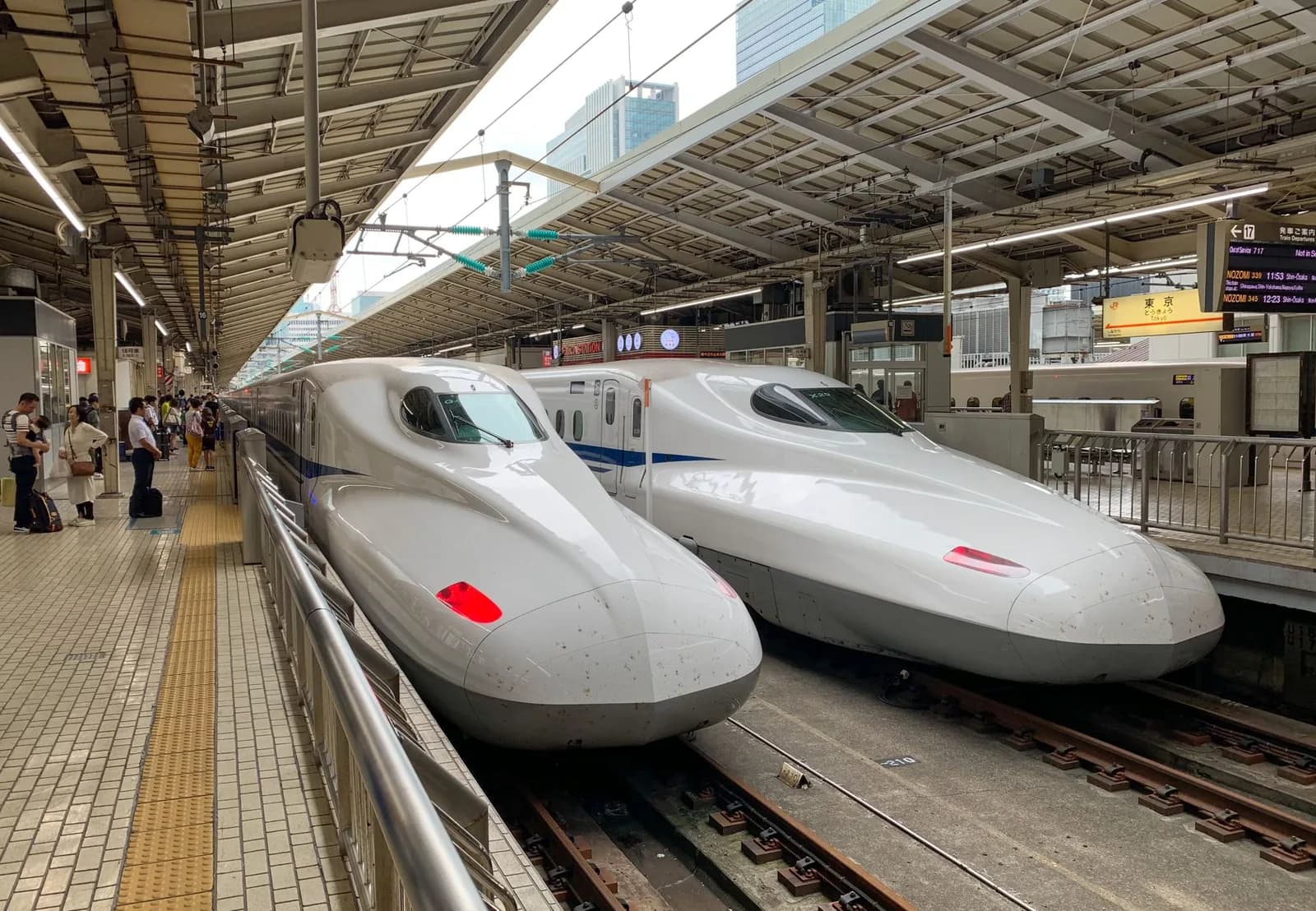
Nozomi and Mizuho with a JR Pass: the extra ticket and its price
Nozomi trains run up to 12 times an hour between Tokyo and Shin-Osaka, against about two Hikari an hour. Since October 2023 a pass holder can board a Nozomi or a Mizuho by buying a special ticket for each ride. The official price list gives these amounts for adults, with children at half.
| Section | Extra ticket, one way | In dollars |
|---|---|---|
| Tokyo to Nagoya | ¥4,180 | $26 |
| Tokyo to Kyoto, Shin-Osaka or Shin-Kobe | ¥4,960 | $31 |
| Tokyo to Himeji | ¥5,390 | $34 |
| Tokyo to Hiroshima | ¥6,500 | $41 |
| Tokyo to Hakata (Fukuoka) | ¥8,140 | $51 |
| Nagoya to Kyoto | ¥2,530 | $16 |
| Kyoto or Shin-Osaka to Hiroshima | ¥4,170 | $26 |
| Shin-Osaka to Hakata | ¥4,960 | $31 |
| Hakata to Kagoshima-Chuo (Mizuho) | ¥5,150 | $32 |
The ticket is sold in Japan only, from one month before the ride, at JR ticket offices, travel service centres and reserved-seat ticket machines. It cannot be booked online before you arrive. The price is the same for a reserved or a non-reserved seat, the ticket is valid for one day on the section and direction printed on it, and an Ordinary pass holder cannot use it for a Green Car. Some websites still quote ¥4,500 for Hakata to Kagoshima-Chuo, but the official list read on 14 November 2026 says ¥5,150.
Who can buy a Japan Rail Pass: the Temporary Visitor rule
The pass is reserved for foreign travellers who enter Japan as a Temporary Visitor, the status stamped or stuck in your passport at the airport for a short stay. It does not depend on nationality: Americans, Britons, Canadians, Australians and EU citizens who arrive visa-free for up to 90 days all receive it, and so do travellers who needed a visa for tourism. Our page on the Japan tourist visa and entry requirements explains who gets it and how.
Staff check the stamp or sticker when they hand over the pass, and you must carry the passport itself, not a copy, whenever you travel with it. Three points catch people out.
- Automated gates: if you use an immigration e-gate, ask an officer for the landing stamp or sticker. Without it the pass cannot be issued.
- Residents are excluded: anyone with a work, student, dependent, spouse or working holiday status cannot use the pass, whatever their passport. Regional passes follow the same rule with a few exceptions.
- Japanese nationals living abroad qualify only with proof of at least 10 years of residence overseas, and only through an exchange order from an agency. The official website does not sell to them.
Where to buy the Japan Rail Pass and how to activate it
You cannot walk up to a station counter in Japan and buy the nationwide pass: station sales ended in 2023. That leaves two routes, and since October 2026 they no longer cost the same.
The official website, the cheaper route for now
The JR Group sells the pass on its own reservation site, japanrailpass-reservation.net, open from 4 am to 11:30 pm Japan time. You pay in yen with a card in the name of the buyer, and one order can include up to six more travellers. You choose the start date when you buy, within the following month. You then collect the pass in Japan with your order number and passport, at a JR ticket office or, since 1 April 2026 according to JNTO, at some JR East reserved-seat machines fitted with a passport reader.
Two things set this route apart beyond the price. A pass bought here lets you reserve seats online before you arrive, which no agency voucher allows. And a refund before first use costs a flat ¥560 per pass.
An exchange order from an overseas agency
Authorised agencies outside Japan, such as JTB and Japan Airlines, and online resellers sell an exchange order. It is not a ticket. You must swap it for the pass at an exchange office in a large JR station or at Narita, Haneda and Kansai airports within three months of its issue date. At the counter you pick a start date up to one month ahead, and it cannot be changed once the pass is printed. Refunding an unused exchange order costs 10% of its yen price.
The agency route still has a use. You pay in your own currency, sometimes with delivery to your door before departure, and some travellers prefer a seller with customer service in English by phone. Compare the final price in your currency with the yen price on the official site before paying, since each agency applies its own rate.
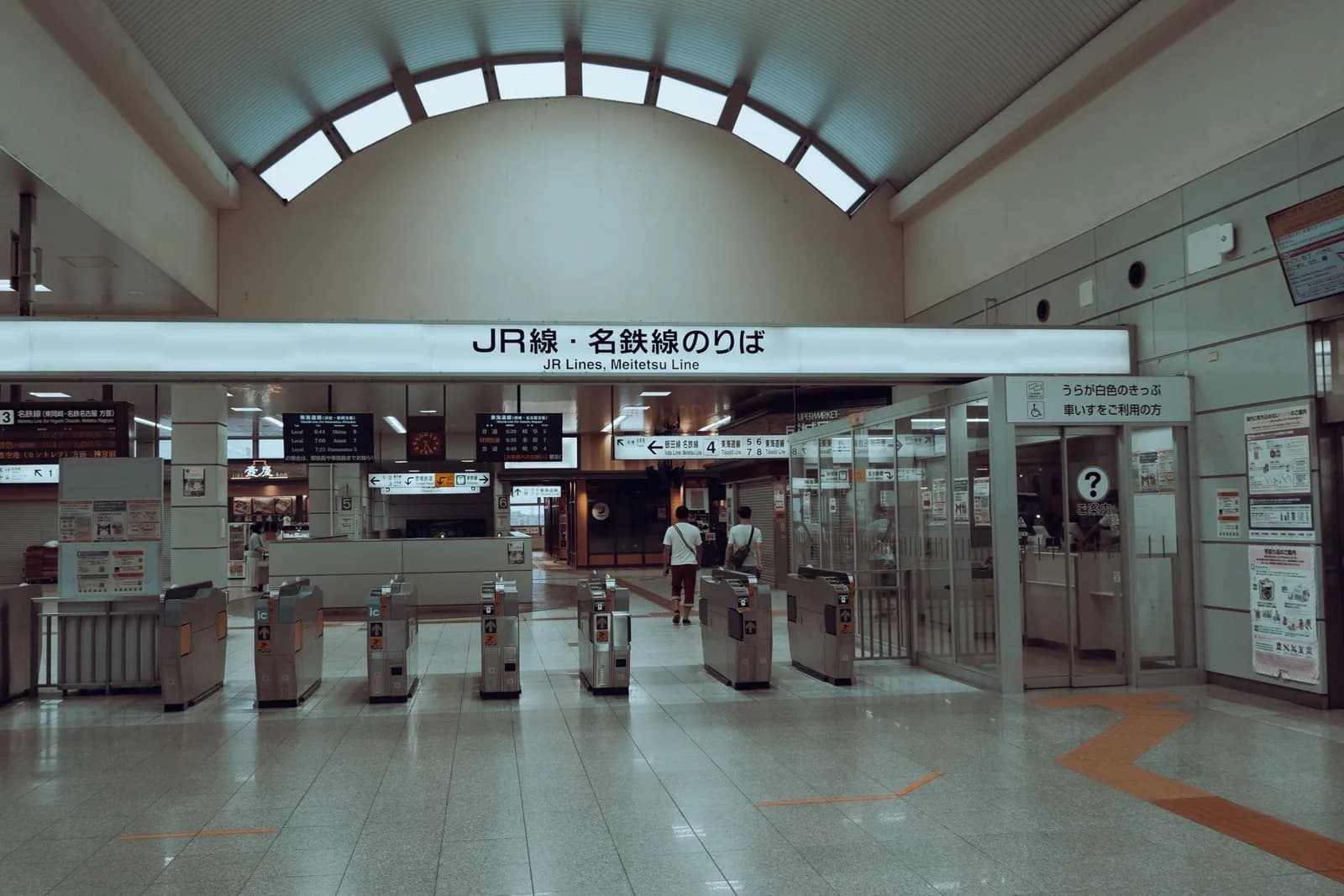
How to reserve seats with a Japan Rail Pass, and the oversized luggage rule
Seat reservations are free and unlimited for pass holders. You can make them at reserved-seat ticket machines with the QR code printed on the pass, at JR ticket offices (the counters marked with a green sign, called Midori no Madoguchi), or online if you bought the pass on the official site. Most Shinkansen also have non-reserved cars, at the front of the train, where you sit in any free seat without a reservation.
A reservation is compulsory on some trains because they have no non-reserved cars at all. That is the case of the Hayabusa, Komachi and Kagayaki Shinkansen, the Narita Express and many limited express trains. Reserve a few days ahead in ordinary weeks and as soon as you have your pass around New Year, Golden Week and Obon.
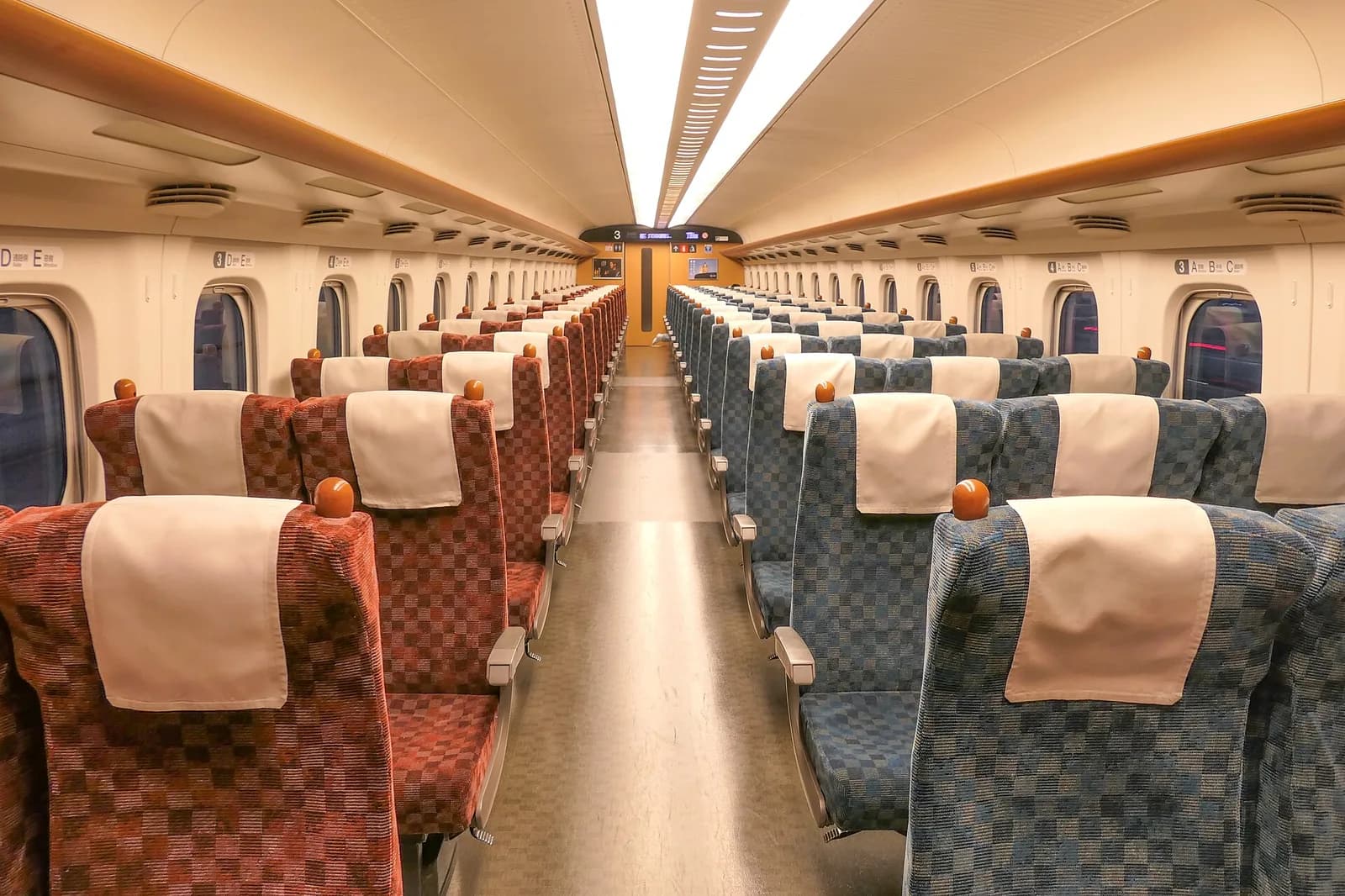
On the Tokaido, Sanyo, Kyushu and Nishi-Kyushu Shinkansen, a bag whose length, width and height add up to between 160 and 250 cm needs a reservation for a seat with an oversized baggage space, at the back of the car. It costs nothing when booked with the seat. Turn up without one and JR Central charges ¥1,000 and decides where the bag goes. A standard checked suitcase of about 158 cm stays just under the limit, and a bag over 250 cm is not allowed on board.
Regional JR passes that often beat the Japan Rail Pass
Each JR company sells passes for its own region, at a fraction of the nationwide price. For a trip centred on one or two regions, they are usually the better buy. Prices are for adults, with children at half, as read on the JR West, JR Kyushu and JR Hokkaido websites and on JNTO for JR East on 14 November 2026.
| Pass | Validity | Price | In dollars | Best for |
|---|---|---|---|---|
| JR Tokyo Wide Pass | 3 days | ¥16,000 | $100 | Day trips from Tokyo, such as Nikko and Karuizawa |
| JR East Pass | 5 or 10 days | ¥35,000 or ¥50,000 | $219 or $313 | Tohoku, Nagano and Niigata from Tokyo |
| Hokuriku Arch Pass | 7 days | ¥35,000 | $219 | Tokyo to Kanazawa, then Kyoto and Osaka |
| Kansai WIDE Area Pass | 5 days | ¥12,000 | $75 | Kyoto, Osaka, Himeji, Okayama, Kinosaki |
| Kansai-Hiroshima Area Pass | 5 days | ¥17,000 | $106 | Kansai plus Hiroshima and the Miyajima ferry |
| WEST QR Kansai Area Pass | 1 to 4 days | ¥2,700 to ¥6,700 | $17 to $42 | Local JR trains around Kyoto, Osaka, Nara and Kobe |
| All Kyushu Area Pass | 3, 5 or 7 days | ¥22,000, ¥24,000 or ¥26,000 | $138, $150 or $163 | Fukuoka to Kagoshima, Nagasaki and Beppu |
| Northern Kyushu Area Pass | 3 or 5 days | ¥15,000 or ¥17,000 | $94 or $106 | Fukuoka, Nagasaki, Kumamoto, Beppu |
| Southern Kyushu Area Pass | 3 days | ¥12,000 | $75 | Kagoshima and Miyazaki |
| Hokkaido Rail Pass | 5, 7 or 10 days | ¥22,000, ¥28,000 or ¥37,000 | $138, $175 or $231 | Sapporo, Hakodate, Asahikawa and eastern Hokkaido |
Several of these changed in 2026. On 14 March, when JR East raised its fares by about 7% on average, the Tohoku Area and Nagano-Niigata Area passes were replaced by a single JR East Pass, the Tokyo Wide Pass went from ¥15,000 to ¥16,000 and the Hokuriku Arch Pass from ¥30,000 to ¥35,000. JR West stopped selling its old Kansai Area Pass on 30 September 2026. Its successor, the WEST QR Kansai Area Pass, is sold only through agencies outside Japan and includes no Shinkansen. The Hokkaido prices are for advance purchase, and the pass costs ¥1,000 more at a station in Hokkaido.
The limits are worth reading before you buy. The Hokuriku Arch Pass covers the Hokuriku Shinkansen from Tokyo to Tsuruga and the Thunderbird on to Kyoto and Osaka, but not the Tokaido Shinkansen, so the direct Tokyo to Kyoto line stays outside it. The Kansai-Hiroshima pass covers the Sanyo Shinkansen between Shin-Osaka and Hiroshima, not the Shinkansen between Kyoto and Shin-Osaka, which you replace with a 25-minute JR rapid train. The Hokkaido Rail Pass leaves out the Hokkaido Shinkansen.
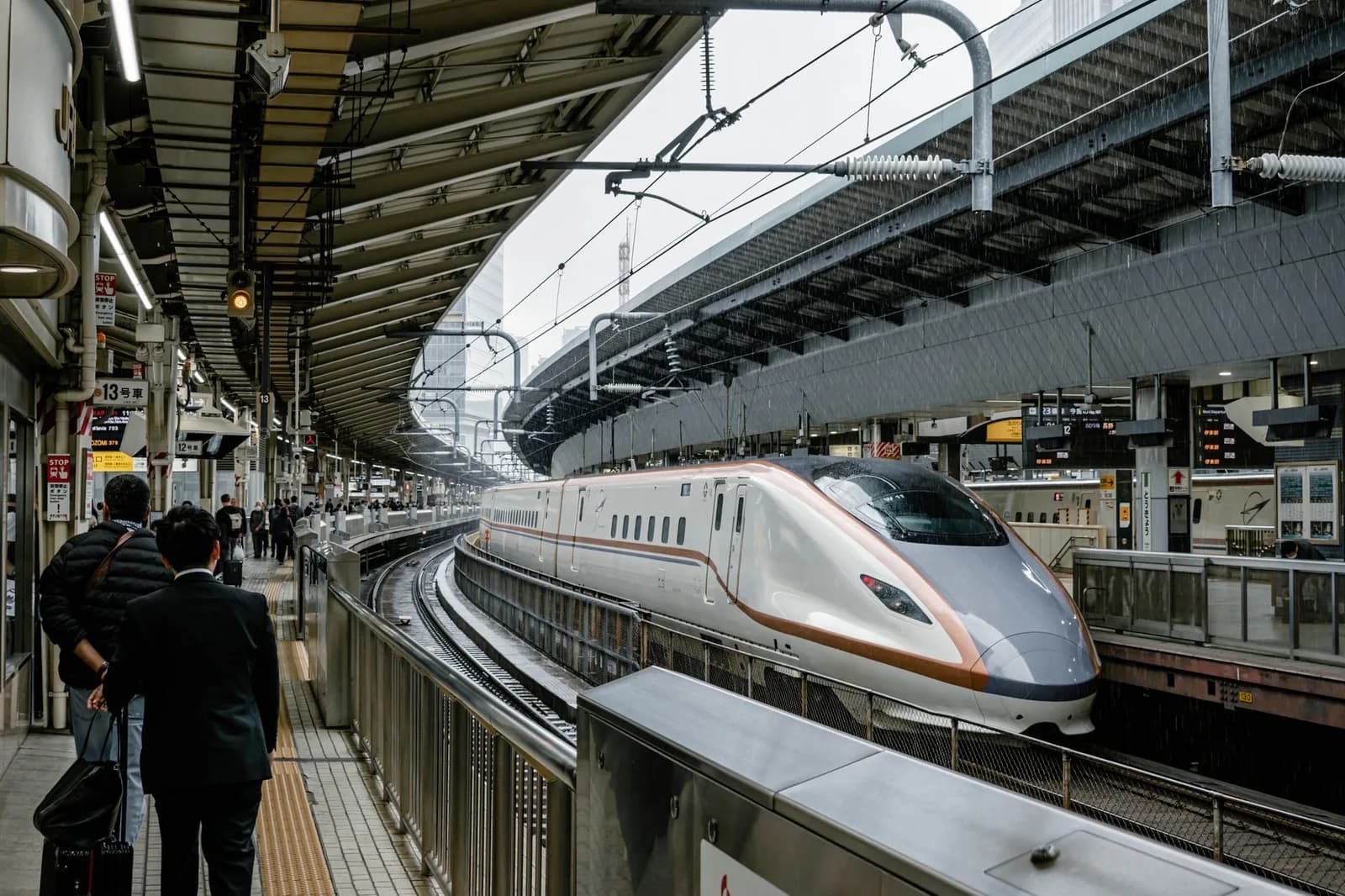
Japan Rail Pass mistakes that cost money
- Buying it for Tokyo, Kyoto and Osaka only. Single tickets cost about ¥29,470 against ¥50,000 for the pass.
- Buying a 14-day pass for a 14-day trip. The length of the pass should match the days between your first and last long ride, not the length of the holiday.
- Boarding a Nozomi or Mizuho without the extra ticket. The conductor charges the full fare for the ride. On the platform, check the train name on the departure board, not only the destination.
- Letting the exchange order expire. It must be swapped within three months of issue, so an order bought four months before a trip is worthless on arrival.
- Skipping the passport stamp at an e-gate. No Temporary Visitor stamp or sticker, no pass.
- Counting on the pass in cities. In Tokyo it covers the JR lines but not the subway, and in Kyoto most sights are reached by bus or subway.
- Losing it. A lost or stolen pass is not reissued or refunded.
- Travelling at peak dates without reservations. Around New Year, Golden Week and Obon, Nozomi trains become reserved-only and Hikari reserved seats sell out days ahead.
Rail fares are one line of a Japan budget. If you have not booked the trip yet, our guide to the best time to visit Japan shows which weeks to avoid for crowded trains and high hotel prices.