- adult one-day Niseko United pass in peak season 2026-27, about $84, valid on all four resorts
- ¥13,500
- by Resort Liner bus from New Chitose Airport to Hirafu, ¥6,000 one way
- 2 h 45
- minimum charge for a backcountry search and rescue under the Niseko Rules
- ¥100,000
On this page
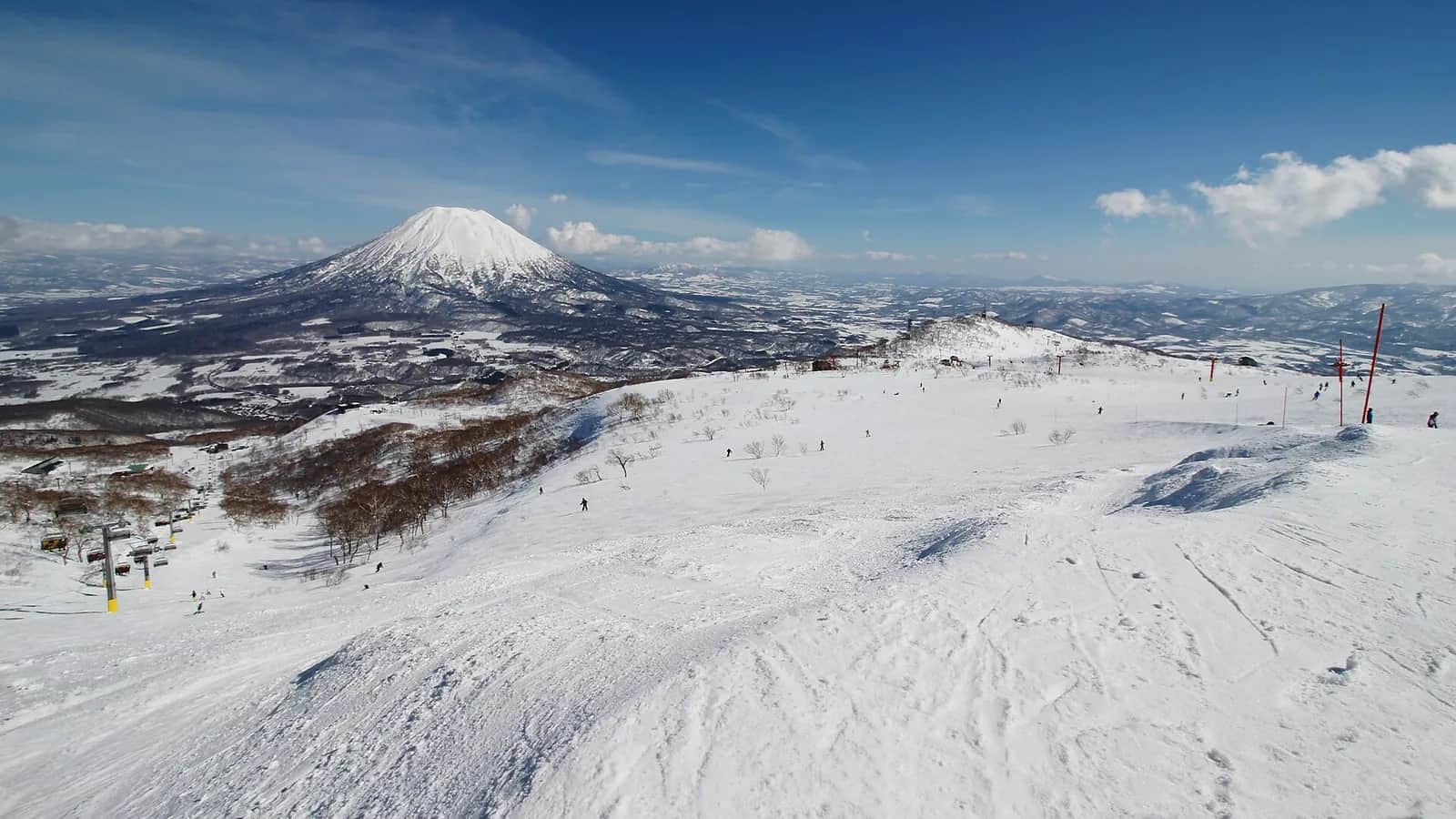
Niseko is Japan's best-known ski resort: four linked resorts on Mount Niseko Annupuri in Hokkaido (Grand Hirafu, Hanazono, Niseko Village and Annupuri), sold on one Niseko United lift pass at ¥13,500 a day (about $84) in peak season 2026-27. The season runs from 28 November 2026 to early May 2027, the powder is best in January and February, and most visitors stay in Hirafu, the only real ski village. Below, four hotels, then the resorts, lift prices, the backcountry rules, where to stay by area and what a week really costs.
Niseko hotels: three picks from Hanazono to Kutchan
One hotel for each base, from a ski-in ski-out stay at Hanazono and Niseko Village to pods in Kutchan town.
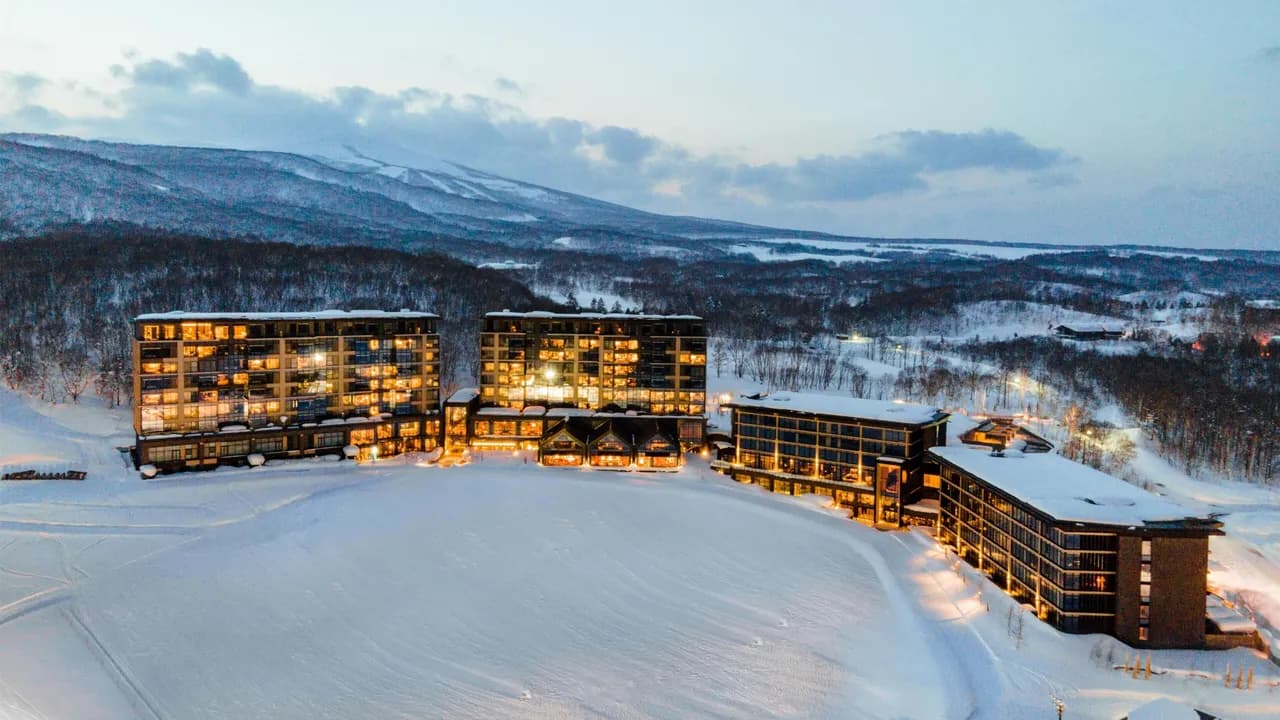 Photo: Expedia Group9.6
Hanazono, Kutchan★★★★★
Park Hyatt Niseko Hanazono
Rated 9.6/10 from 224 Hotels.com reviews
The five-star choice at the foot of Hanazono, the quietest base of Niseko United and the one with the best-known tree runs.
- At the base of the Hanazono lifts
- Pool and gym
- Rated 5 stars on Hotels.com
See prices for my dates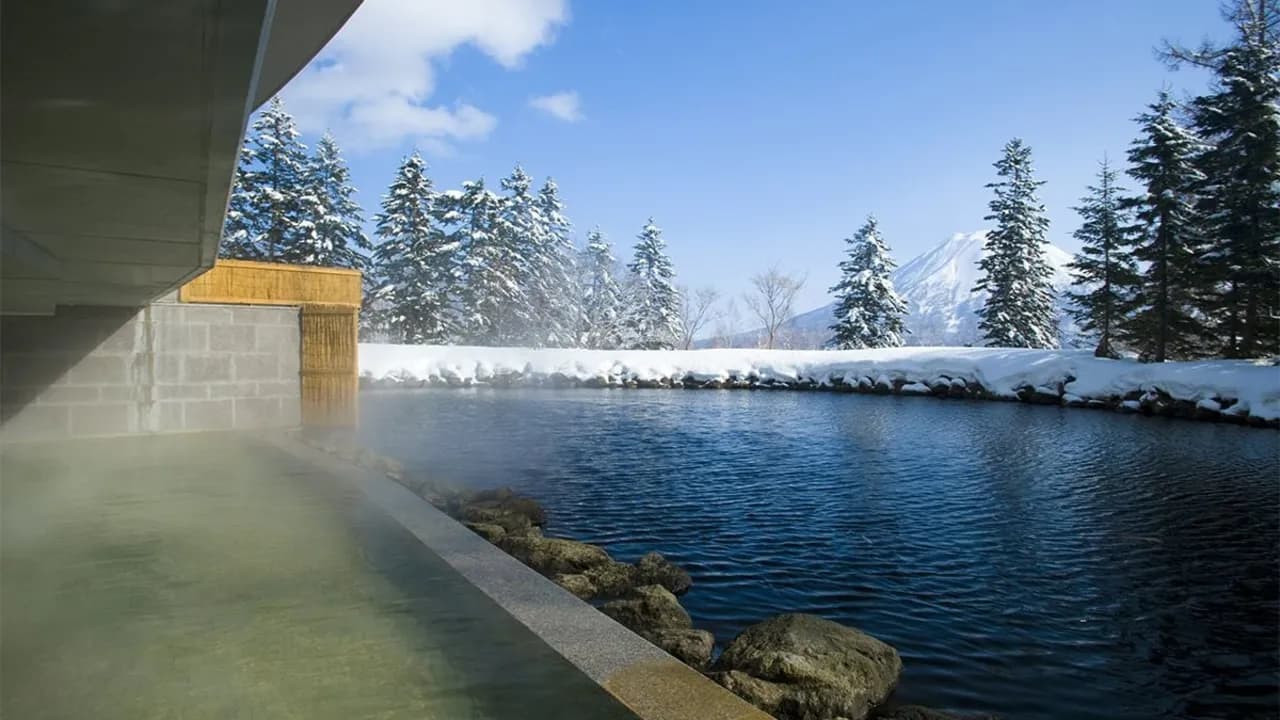 Photo: Expedia Group8.4
Niseko Village, Niseko town★★★★½
Hilton Niseko Village
Rated 8.4/10 from 1,002 Hotels.com reviews
A large ski-in ski-out hotel at the foot of Mount Annupuri, with Mount Yotei in view from its onsen, good for families who want everything in one building.
- Ski-in ski-out at Niseko Village
- Onsen facing Mount Yotei
- Airport shuttle for a surcharge
See prices for my dates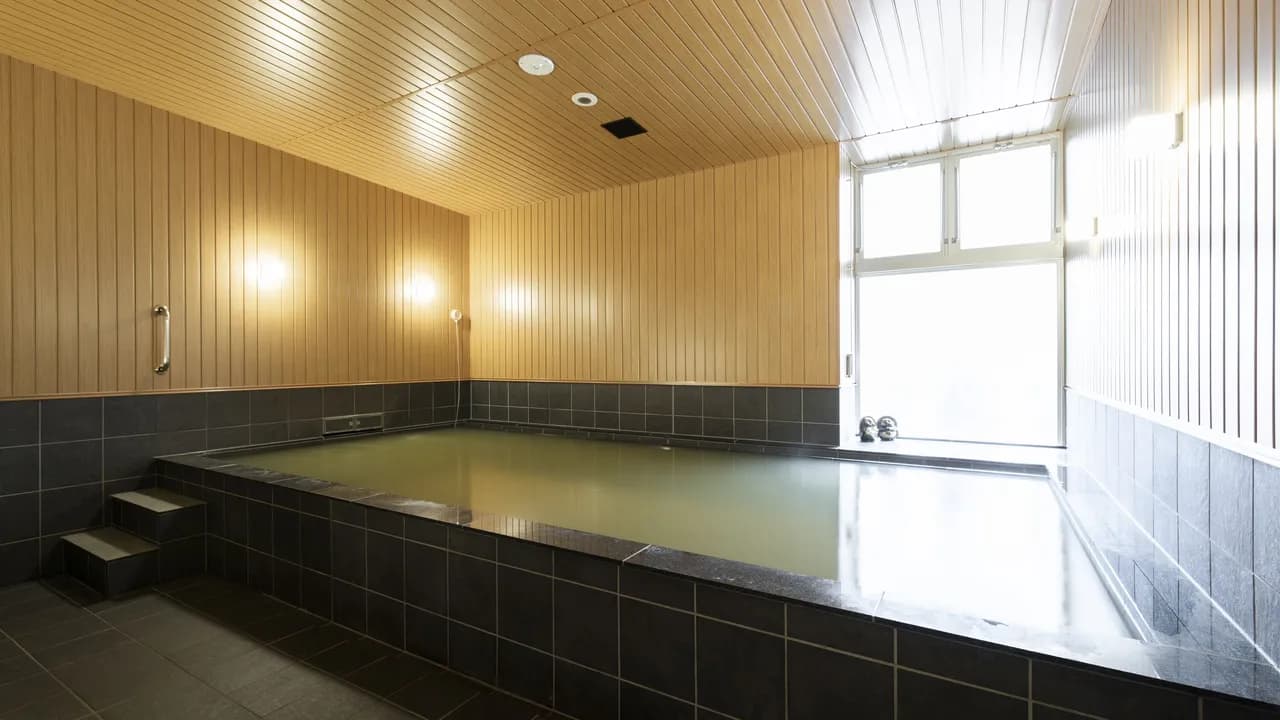 Photo: Expedia Group8.8
Kutchan town★★★
Torifito Hotel And Pod Niseko
Rated 8.8/10 from 347 Hotels.com reviews
Pods and compact rooms in Kutchan town, about 8 minutes by car from Grand Hirafu, for skiers who would rather spend on lift tickets than on a room.
- Pods and premium rooms
- Shared bath with shower booths
- Free winter shuttle bus
See prices for my dates
Hotels.com ratings checked in November 2026. Prices and availability on Hotels.com for your dates.
Niseko United: the four ski resorts on one lift pass
The four resorts sit side by side around the summit of Mount Niseko Annupuri (1,308 m), and the upper lifts connect them, so a strong skier can ski from Hanazono to Annupuri in a morning. Figures vary by source: Skiresort.info counts 32 lifts and 50.8 km of runs, with a top lift at 1,188 m and 933 m of vertical, while Japan Ski Experience lists more than 65 marked runs and 10 backcountry gates. The All Mountain pass also covers the Niseko United Shuttle between the four bases. Moiwa, the small resort west of Annupuri, is not connected and not on the pass.
| Resort | Best for | Base village | Closing date 2027 (planned) |
|---|---|---|---|
| Grand Hirafu | All levels, night skiing, the most terrain | Hirafu, with most restaurants, bars and rentals | 5 May |
| Hanazono | Tree runs, families, a quieter base | Resort base and Park Hyatt, no village | 11 April |
| Niseko Village | Families, groomed runs, big hotels | Hilton, Ritz-Carlton Reserve, Green Leaf | 4 April |
| Annupuri | Wide cruising runs, fewer people | Small, a few lodges and onsen hotels | 5 May |
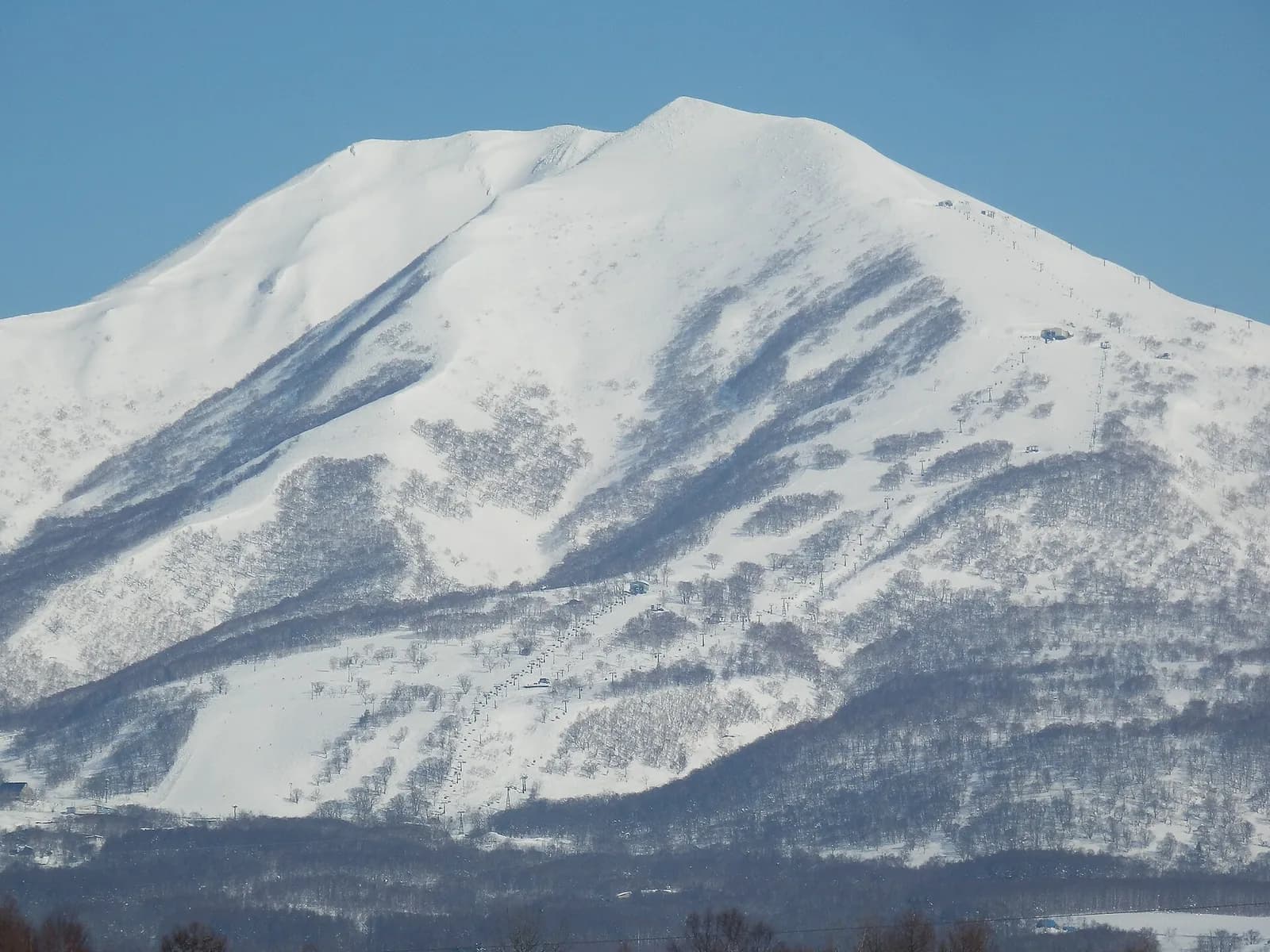
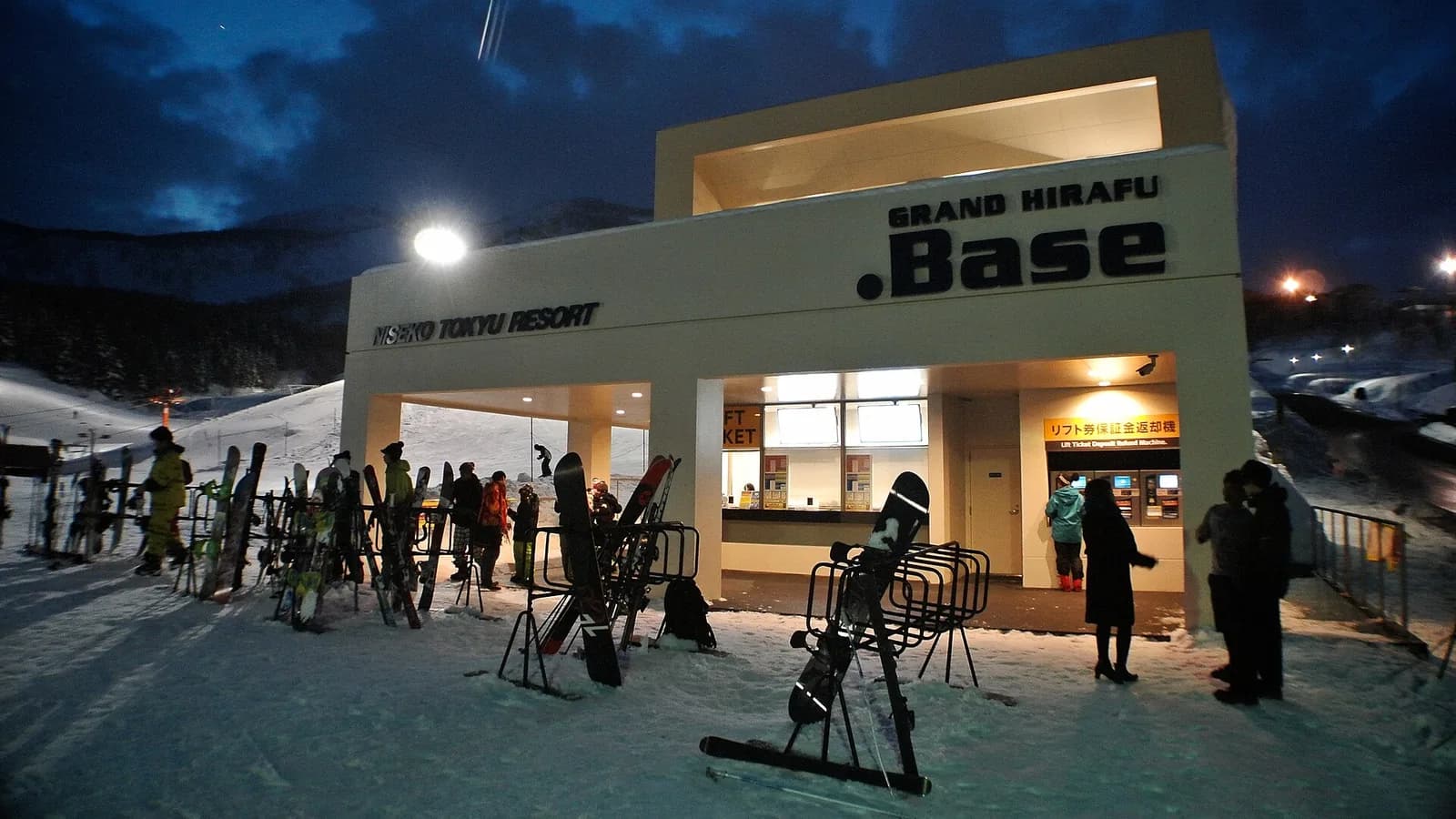
Grand Hirafu, on the east face, is the largest resort and the one with the town at its feet: the gondola and the Ace Family lifts start a few minutes' walk from the restaurants. Hanazono, further north, is known for its tree runs and its snow school, and feels calmer once the day visitors leave. Niseko Village is a resort built around its hotels, with a gondola and a small shopping street, and Annupuri, on the south side, has long, wide runs that suit intermediates and the least crowded lifts. If you want to see the whole layout before you go, the official Niseko United trail map is on niseko.ne.jp.
Night skiing runs from 12 December 2026 to 22 March 2027 on all four resorts. Your day ticket stays valid in the evening.
Niseko lift pass prices for 2026-27
There is one pass for the four resorts, the Niseko United All Mountain pass, and no separate night ticket. Prices change with the period: early season, regular, peak and spring. These are the adult prices published on niseko.ne.jp and read on 14 November 2026, with the dollar figure at ¥160 to $1. Online sales opened on 4 November 2026, but early-season passes are sold only at the ticket windows.
| Period 2026-27 | 1 day | 5 days | 7 days |
|---|---|---|---|
| Early season, 28 Nov to 11 Dec 2026 | ¥8,800 ($55) | ¥42,700 ($267) | ¥59,600 ($373) |
| Regular, 12 to 23 Dec 2026 and 1 to 22 Mar 2027 | ¥12,600 ($79) | ¥61,000 ($381) | ¥85,200 ($533) |
| Peak, 24 Dec 2026 to 28 Feb 2027 | ¥13,500 ($84) | ¥65,500 ($409) | ¥91,500 ($572) |
| Spring, 23 Mar to 4 Apr 2027 | ¥8,800 ($55) | ¥42,700 ($267) | ¥59,600 ($373) |
In peak season a child aged 4 to 12 pays ¥8,100 a day and a teenager aged 13 to 15 or a senior over 65 pays ¥11,500. A 12-point ticket costs ¥7,500 for a few runs, and a 50-hour pass, sold online only, ¥121,200. No early-bird discount is published for 2026-27. The guide to skiing in Japan compares these prices with Rusutsu, Furano, Hakuba and the Nagano resorts.
Niseko weather and snow: when to ski in 2026-27
Ski operators quote 14 m or more of snow a season on Niseko's upper slopes, and local agencies go as high as 15 to 20 m. The snow comes with the cold northwest monsoon off the Sea of Japan, which makes it dry and light. Base depth usually reaches 100 to 150 cm by mid-December. Expect daytime temperatures around -5 °C in December and lower in January, with strong wind and poor visibility on storm days, when the upper lifts can close.
The best weeks are mid-January to mid-February, which is also the most expensive and most crowded time, especially around New Year and the Lunar New Year week. December before 24 December is cheaper and quieter, but the lower runs can be thin. March is sunnier, with heavier snow and lift prices back to the regular rate on 1 March. Our page on the best time to visit Japan covers Hokkaido month by month.
Niseko backcountry and the Niseko Rules: gates, gear and rescue fees
Niseko is one of the few Japanese resorts where leaving the groomed runs is allowed, but only under the Niseko Rules. You enter the backcountry only through the official gates, never under a rope, and never when the gates are closed. Off-limits areas are closed at all times. A helmet and an avalanche transceiver are required, a probe and a shovel strongly recommended, and primary school children must be with an adult. Check the daily Niseko Avalanche Information bulletin and follow the ski patrol.
Breaking the rules can cost you your lift pass, with no replacement, or a ban from the lifts. And a rescue is billed: the Niseko Rules state that a minimum of ¥100,000 (about $625) is charged for search and rescue in backcountry areas. Most travel policies exclude search and rescue, so check yours before you go. Our page on travel insurance for Japan explains what to look for, and why winter sports need to be named in the policy.
Where to stay in Niseko: Hirafu, Hanazono, Niseko Village, Annupuri or Kutchan
For a first trip, stay in Hirafu: it has the lifts, the rental shops, most of the restaurants and the bus stops, and the higher streets are ski-in ski-out. Hanazono and Niseko Village suit families and anyone who wants a big hotel with everything inside, and Kutchan town is the budget base.
| Area | Type of lodging | Who it suits | Weak point |
|---|---|---|---|
| Grand Hirafu | Apartments, chalets, boutique hotels, lodges | First trip, groups, nightlife | Busy and expensive in February, steep icy streets |
| Hanazono | Park Hyatt and its residences | Luxury, families, tree skiing | No village, shuttle to Hirafu for dinner |
| Niseko Village | Large ski-in ski-out hotels | Families, one-building holidays | Few independent restaurants |
| Annupuri | Pensions, lodges, onsen hotels | Quiet, onsen lovers, value | Very little nightlife |
| Kutchan town | Business hotels, pods, guesthouses | Budget, train arrivals, supermarkets | About 20 minutes from the lifts by bus or car |
There is no official average price per night for Niseko, but the dated figures we found all point the same way. In a cost comparison updated on 27 June 2026, the agency Rhythm Japan priced 5 nights for a family of four from 26 to 31 December 2026 at $2,246.27 with taxes, or about $449 a night for the whole family. The Australian Alpine Club charges guests A$208 per bed per night in peak season 2026-27 (23 December to 28 February) against A$127 in early December and from 1 March, about 64% more in peak season.
Two taxes are added at check-out. Since 1 April 2026, Hokkaido charges an accommodation tax per person and per night: ¥100 below ¥20,000, ¥200 from ¥20,000 to under ¥50,000 and ¥500 from ¥50,000. Kutchan, which covers Hirafu and Hanazono, and Niseko Town, which covers Niseko Village and Annupuri, also have their own municipal tax. Published rates for Kutchan disagree, so check the line on your booking. For peak season, book as early as you can: the ski-in ski-out apartments for Christmas and the Lunar New Year go first.
Getting to Niseko from New Chitose Airport: bus, train, taxi and car
There is no Niseko airport: you fly into New Chitose Airport (CTS) near Sapporo, either directly from Asia and, in winter, from Australia, or with a domestic connection from Tokyo. Our page on flights to Japan lists the routes. From New Chitose, the bus is the easiest option with skis.
| Option | Time | Price | Good to know |
|---|---|---|---|
| Resort Liner bus | 2 h 45 to 2 h 55 | ¥6,000 adult, ¥5,000 child, one way | 1 Dec 2026 to 30 Mar 2027, booking required, stops at Hirafu Welcome Centre |
| Train via Otaru | About 3 hours to Kutchan | About ¥2,880 (Nov 2025 fare) | Rapid Airport to Otaru, Hakodate Line to Kutchan, then bus or taxi to Hirafu |
| Taxi | About 2 h 10 | From about ¥36,800 per vehicle | Book ahead, worth it for a group of three or four |
| Rental car | About 2 h 10 | Car hire plus fuel and tolls | Snow roads over the Bifue pass, frequent closures in storms |
The Resort Liner leaves from the domestic terminal (the 10:00 departure reaches Hirafu at 12:45 on the 2026-27 timetable), with one ski bag and one suitcase per person. It also runs from Sapporo hotels from 2 December 2026. The train is the cheapest option but needs a change at Otaru and is slow with luggage, and trains from Otaru to Kutchan are infrequent. Driving makes sense if you plan to ski Rusutsu or Kiroro too, but the roads are often snowbound and can close in storms: read our guide to car rental in Japan for the licence and winter driving rules. Since 15 December 2025, Uber also operates in Niseko and Kutchan for short trips, but not to Sapporo or the airport.
Ski rental and English ski lessons in Niseko
Renting in Niseko is easy and saves the airline's ski bag fee. The official Grand Hirafu rental charges ¥8,500 a day for skis or a snowboard with boots in 2026-27, ¥3,000 for a helmet and ¥9,000 for a jacket and trousers. Niseko Sports, at Hanazono and in Hirafu, lists a premium set with boots at ¥10,500 for the first day and ¥7,000 for each extra day, and an economy set at ¥8,500 then ¥6,000 (tentative 2026-27 prices). Rhythm Japan and YamaSport are the other large shops in Hirafu, and Rhythm gives a discount for booking online.
Lessons in English are the norm. The Niseko International Snowsports School (NISS) at Hanazono runs full-day group lessons from 10:00 to 15:30, lunch included, at ¥37,000 in peak weeks and ¥32,000 otherwise, from 8 December 2026 to 4 April 2027. Lift pass and rental are extra. GoSnow in Hirafu and the Niseko Village Snow School also teach in English, and private lessons in peak weeks sell out early: book when you book your lodging.
Niseko restaurants, après-ski and onsen
The rule in Hirafu is simple: book dinner before you arrive. Popular restaurants are full weeks ahead in January and February, and some take bookings months in advance. Zuma, the London restaurant group, returns with a seasonal restaurant in Hirafu from 1 December 2026, open from 15:00 for après-ski and from 17:00 for dinner, and it opened bookings in August. If you eat late, book a taxi back too, as they are scarce after 20:30. For cheaper meals, Ezo Seafoods sells sushi to take away and the Seicomart and Lawson convenience stores sell hot food. Carry some cash, as small cafés and taxis do not always take cards.
An onsen after skiing is the local après-ski. Prices read on 14 November 2026: Yukoro in lower Hirafu costs ¥2,500 for adults, the Prince Hotel Hirafu-tei ¥3,000, Hotel Kanronomori near Annupuri ¥1,500 on its official site, and Kira no Yu in Niseko town only ¥600. Tattoos may be refused in some baths. Our guide to ryokan and onsen explains bathing etiquette.
How much does a ski week in Niseko cost?
Here is a week of 5 ski days per adult in 2026-27, built only from the prices above. Lodging, flights and meals come on top and vary the most.
| Per adult | Budget, regular season | Mid-range, peak season | Comfort, peak season |
|---|---|---|---|
| 5-day lift pass | ¥61,000 | ¥65,500 | ¥65,500 |
| 5-day rental with boots | ¥32,500 (economy) | ¥38,500 (premium) | ¥38,500 (premium) |
| Airport transfer, return | ¥12,000 (bus) | ¥12,000 (bus) | About ¥36,800 (taxi shared by two) |
| Ski school | None | None | ¥74,000 (2 NISS group days) |
| Total before lodging, flights and food | ¥105,500 ($659) | ¥116,000 ($725) | About ¥214,800 ($1,343) |
For lodging, the Rhythm Japan figure of about $449 a night for a family of four over Christmas works out at roughly $112 per person per night in peak season, or about $670 for six nights. Add the Hokkaido accommodation tax of ¥100 to ¥500 per night. Ski the early or spring season and the 5-day pass drops to ¥42,700, which is the easiest saving at Niseko. For a full trip budget, our page on Hokkaido covers Sapporo and the rest of the island.
Is Niseko too expensive? Rusutsu, Furano, Kiroro and Hakuba
Niseko is the most expensive ski town in Japan for lodging and food, but its lift pass is not the highest. Kiroro, near Otaru between Niseko and Sapporo, charges ¥9,200 a day in its 2026-27 high season, about 32% less than Niseko in peak. Rusutsu, 40 minutes by road, is known for tree runs but costs ¥16,700 at the window (¥13,200 online). Furano, in central Hokkaido, is colder and drier, with a real town, at ¥9,000 a day. On Honshu, the Hakuba Valley pass costs ¥11,100 and is easier to reach from Tokyo by Shinkansen and bus. Our guide to Japan in winter and skiing in Japan compares all of them.
Niseko in summer: rafting and climbing Mount Yotei
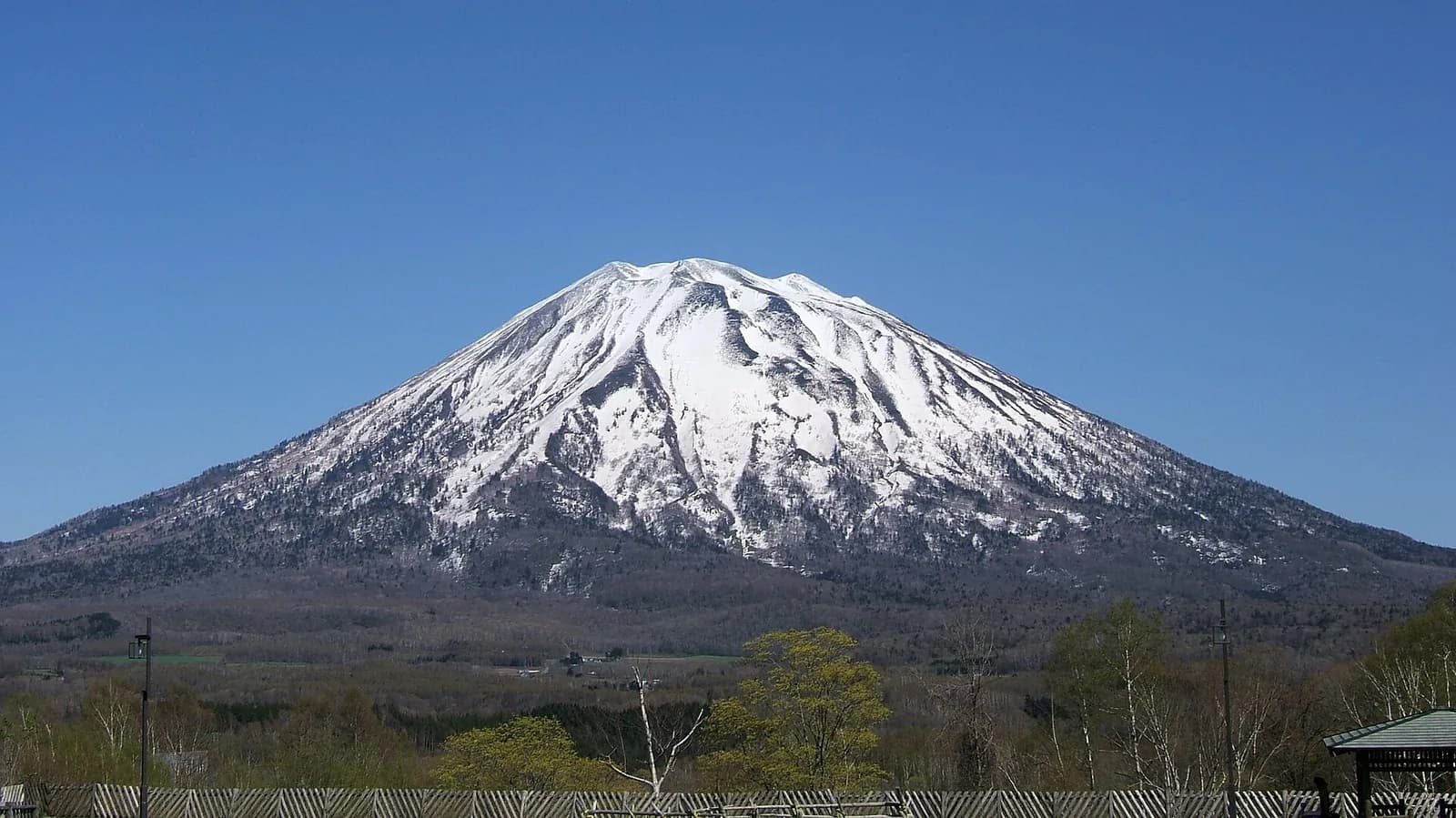
From May to October, Niseko turns into an outdoor base, at a fraction of the winter hotel prices. Rafting on the Shiribetsu River at Hanazono runs from 29 April to 12 October 2026, about 3 hours, at ¥6,500 for adults and ¥4,500 for children aged 3 to 12. Mount Yotei, the 1,898 m volcano called the "Fuji of Hokkaido", is a full-day climb: about 9 hours return by the Makkari trail, with 1,670 m of ascent, best from July to September, with an early start and all your water. Alpine flowers bloom on the upper slopes from early July to early August.