- for 1 US dollar on 14 November 2026, the rate used on this site. Check the live rate before you change money
- ¥160
- first issue of the new ¥10,000, ¥5,000 and ¥1,000 notes. The older notes remain valid (Bank of Japan)
- 3 July 2024
- share of consumer spending paid without cash in Japan in 2024 (Ministry of Economy, Trade and Industry, March 2025)
- 42.8%
On this page
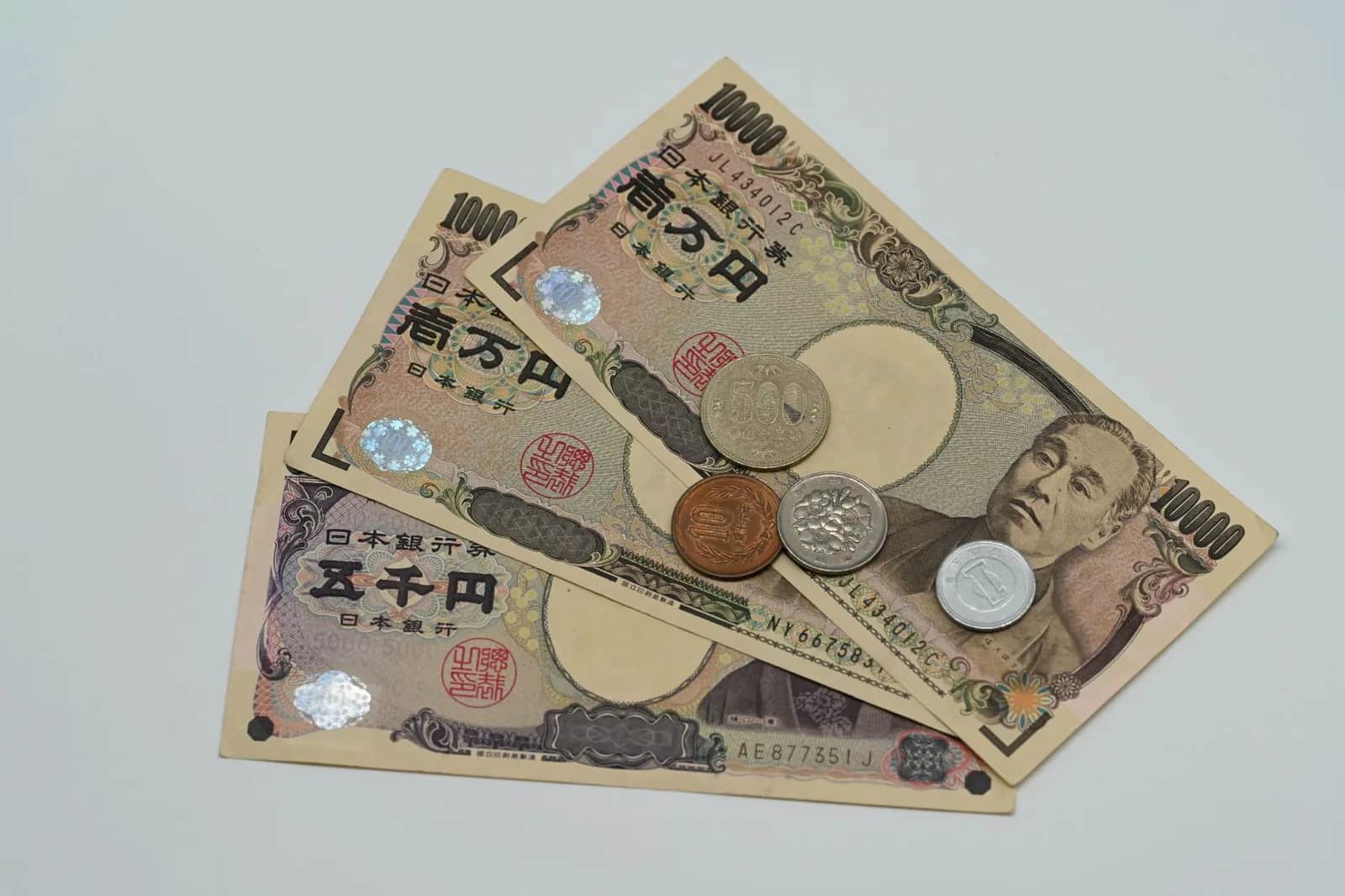
The currency of Japan is the yen (¥, 円, code JPY). It comes in four notes, ¥1,000, ¥2,000, ¥5,000 and ¥10,000, and six coins from ¥1 to ¥500. On 14 November 2026 a dollar bought about ¥160, so ¥10,000 is roughly $62, but the rate moves daily: check a live converter such as XE or OANDA before you change money. Below, the notes and coins, how tourists pay in 2026, then banking in Japan for people who move here.
Japanese yen: coins and banknotes in circulation
The Bank of Japan issues the notes and lists all of the following as currently issued. The ¥2,000 note exists but is rare outside Okinawa, and many machines refuse it, so do not ask for it when you change money.
| Note or coin | About in US dollars | What it shows |
|---|---|---|
| ¥10,000 note | $62.50 | Shibusawa Eiichi since 2024, Fukuzawa Yukichi on the older note |
| ¥5,000 note | $31.25 | Tsuda Umeko since 2024, Higuchi Ichiyo on the older note |
| ¥2,000 note | $12.50 | Shureimon gate of Shuri Castle, issued in 2000, no portrait |
| ¥1,000 note | $6.25 | Kitasato Shibasaburo since 2024, Noguchi Hideyo on the older note |
| ¥500 coin | $3.13 | Paulownia, two-colour coin since November 2021 |
| ¥100 coin | $0.63 | Cherry blossoms |
| ¥50 coin | $0.31 | Chrysanthemum, with a hole |
| ¥10 coin | $0.06 | Phoenix Hall of Byodoin, bronze |
| ¥5 coin | $0.03 | Ear of rice, brass, with a hole |
| ¥1 coin | Under 1 cent | Young tree, aluminium, weighs 1 gram |
Coins matter more in Japan than in the US or the UK. Vending machines, coin lockers, bus fare boxes and shrine offerings all run on them, so a handful of ¥100 coins and a few ¥1,000 notes are worth keeping on you.
New Japanese banknotes since July 2024: are the old notes still valid?
The Bank of Japan put a new series into circulation on 3 July 2024. The ¥10,000 note carries Shibusawa Eiichi, with Tokyo Station's Marunouchi building on the back. The ¥5,000 note carries Tsuda Umeko and wisteria. The ¥1,000 note carries Kitasato Shibasaburo and Hokusai's Great Wave off Kanagawa. They also introduced 3D holograms and larger numerals.
The previous notes, issued from November 2004, remain valid with no deadline. The Bank of Japan says there is no need to exchange them and warns against anyone who claims the old notes are going out of use. You will receive both series in change for years to come. The ¥500 coin changed earlier, in November 2021, to a two-colour version that is harder to counterfeit, and the older one is still accepted.
How much is the Japanese yen worth in dollars and pounds?
We use ¥160 to the dollar across this site, the rate on 14 November 2026, and about 212 yen to the pound in our cost of living in Japan guide. At that rate $1 is ¥160, $100 is ¥16,000 and ¥1,000 is about $6.25. The yen has been weak for several years, which makes Japan cheaper for visitors paid in dollars, pounds, euros or Australian dollars than it was in the 2010s. In the autumn of 2026 the Finance Minister warned that the government could intervene to support it.
Is ¥1,000 a lot? Not really. It buys a meal in an inexpensive restaurant, a bowl of ramen or a beef bowl costs ¥500 to ¥900, and a convenience store lunch ¥400 to ¥700. A Nozomi Shinkansen seat from Tokyo to Kyoto is ¥14,170 (about $89). For a resident the scale is different: the average private-sector salary was ¥4.87 million in 2025, about $30,440, as our page on salaries in Japan details.
Cash or card in Japan in 2026: what tourists actually need
Japan is less cash-only than its reputation. The Ministry of Economy, Trade and Industry put the share of consumer spending paid without cash at 42.8% in 2024, past the government's 40% goal. Cards work in hotels, department stores, chain restaurants and the ticket machines of big JR stations. Visa and Mastercard are the safest networks, JCB is everywhere, and American Express is common in large shops. A card with no foreign transaction fee saves more over a trip than any other choice.
Keep cash for small restaurants, temples and shrines, market stalls, rural buses and ryokan in small towns. About ¥10,000 to ¥20,000 in your wallet covers a day outside the big chains, as our Japan travel guide puts it.
IC cards and QR payments: Suica, Pasmo and PayPay
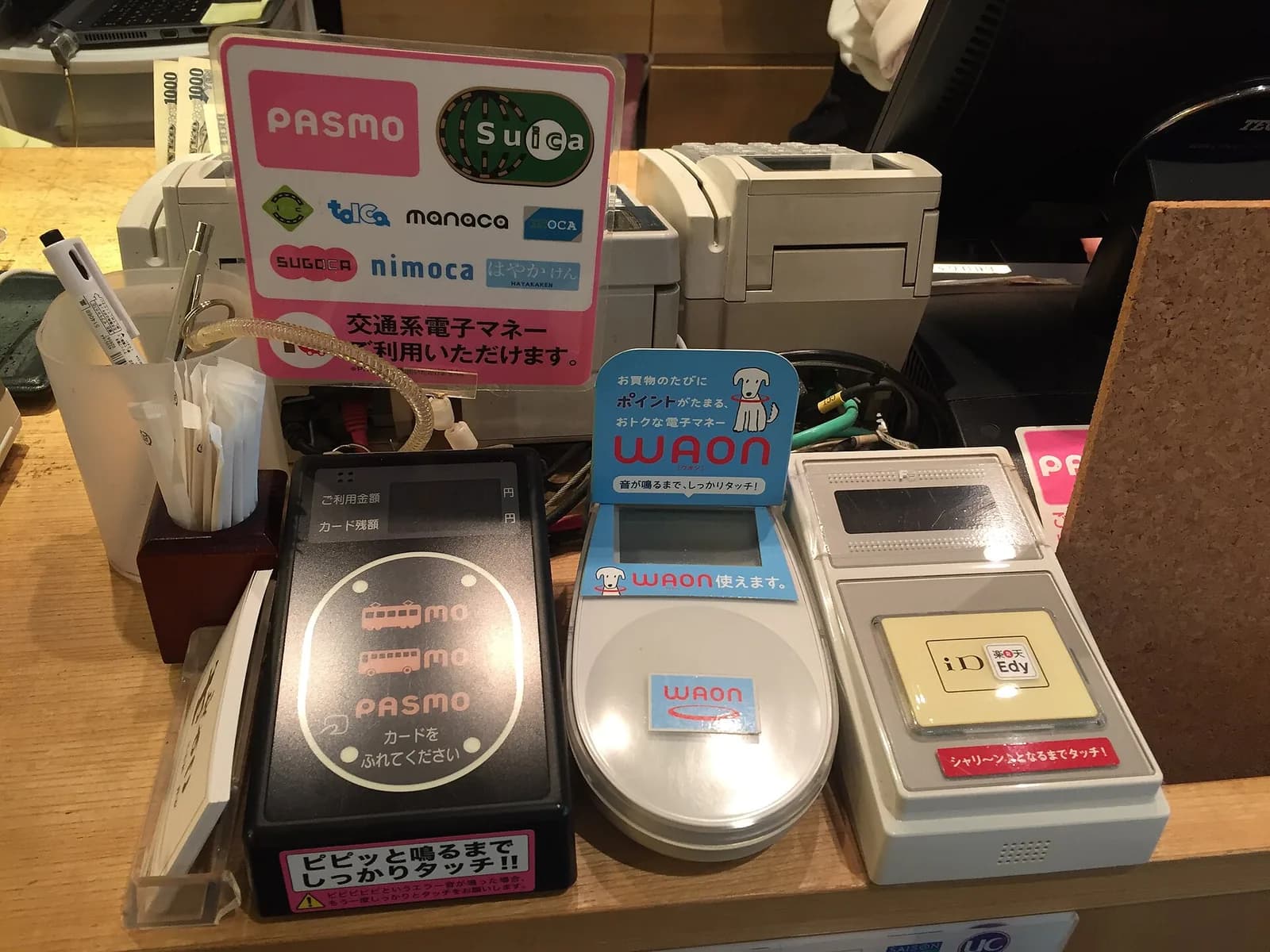
Prepaid IC cards are the visitor's main cashless tool. A Suica card, or a Suica in Apple Wallet, pays for trains, buses, convenience stores and vending machines across the regions, and the Welcome Suica for visitors lasts 28 days with no deposit. Top-ups at station machines are cash only, which is one more reason to carry notes.
QR code apps such as PayPay, Rakuten Pay and Merpay are what residents use in small shops. They are built for people who live in Japan, with a Japanese phone number and usually a Japanese bank account to top up, so most visitors leave them aside and pay with a card or a Suica. Residents can add one once their bank account is open.
ATMs in Japan that accept foreign cards: 7-Eleven and Japan Post
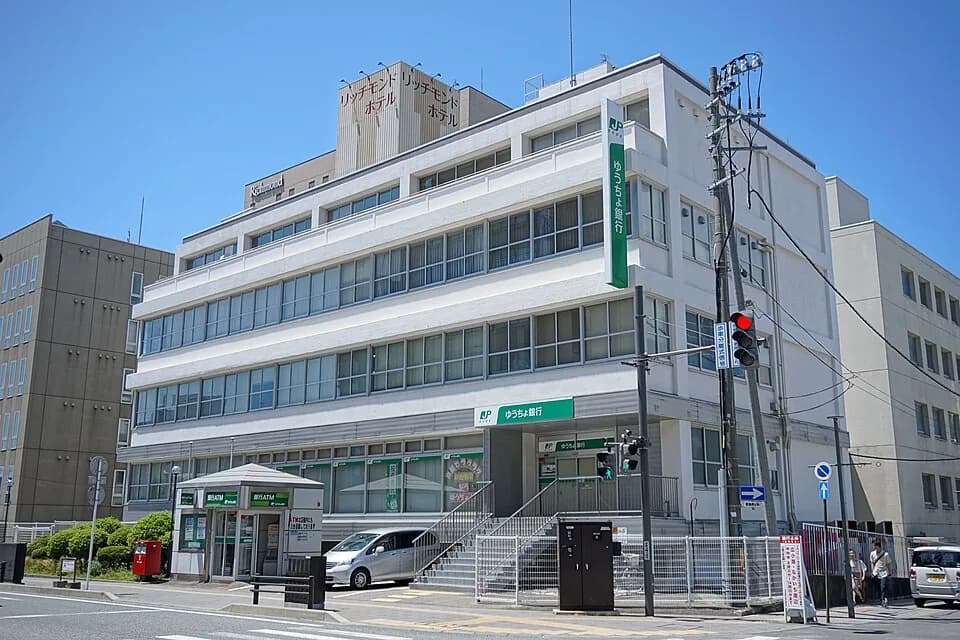
Most bank ATMs in Japan reject foreign cards. Two networks take them reliably:
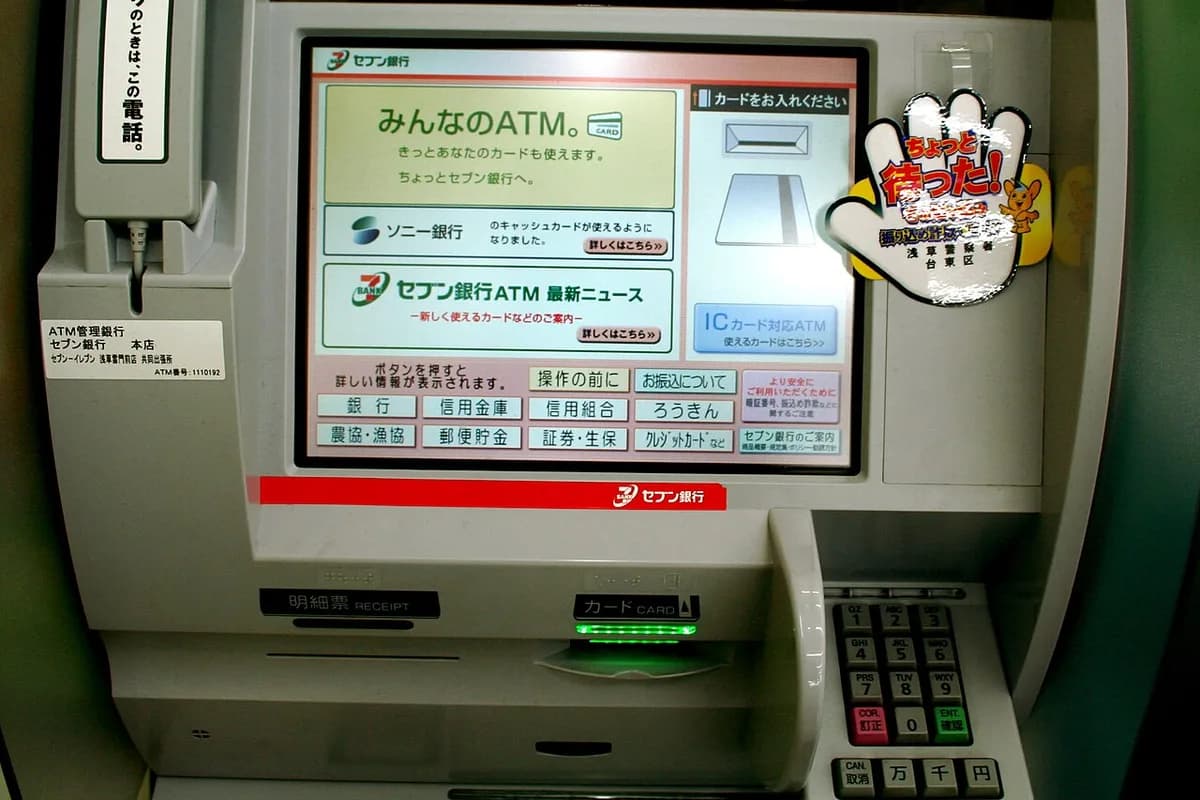
- Seven Bank, in 7-Eleven stores, more than 28,000 of them. They accept Visa, Mastercard, American Express, JCB, UnionPay, Discover and Diners Club, run 24 hours, offer English among ten screen languages and let a foreign card take out up to ¥100,000 per withdrawal.
- Japan Post Bank, in post offices. Its ATMs accept Visa, Plus, Mastercard, Maestro, Cirrus, JCB, UnionPay and Discover, up to ¥50,000 per withdrawal, and may charge ¥220 per use on some foreign cards. Opening hours follow the post office or the building, so they are less handy at night.
The machine shows its fee before you confirm, and your own bank may add one. A Seven Bank ATM also asks whether to bill you in yen or in your home currency. Choose yen: the conversion offered on screen uses the machine operator's rate, which is generally worse than your card network's. Big airports also have ATMs for foreign cards in the arrival halls.
Where to exchange money in Japan, and what it costs
You can change cash at the exchange counters in airport arrival halls, at banks, at some hotels and department stores, and at shops showing an Authorized Foreign Exchange sign. Banks usually close their counters at 3 pm on weekdays, and hotels and department stores add their own fee. Every counter builds its margin into the rate it posts, so compare the yen you receive with a live mid-market rate before you hand over your notes.
For most trips, the cheapest route is not to exchange cash at all: withdraw yen at a 7-Eleven ATM with a card that charges no foreign fee, or load yen on a multi-currency account before you fly and pay with its card. Change a small amount at home or at the airport only if you want notes on landing. Arriving or leaving with more than ¥1 million in cash or its equivalent means a declaration to customs.
Paying in yen with a foreign card or account
Wise, international money transfers
For holding yen before you fly and sending yen to a Japanese account
- Converts at the mid-market rate and shows the fee before you exchange or send
- Multi-currency account and debit card to pay and withdraw in yen
- Check fees, limits and eligibility on the partner's website
Revolut, multi-currency account and card
For paying in Japan from an app with a multi-currency card
- Exchange to yen in the app and pay in shops with the same card
- Exchange fees and allowances depend on your plan, your country and the day of the week
- Check fees, limits and eligibility on the partner's website
Tax-free shopping changed on 1 November 2026. Visitors now pay the full price, 10% consumption tax included, and get the tax refunded once their departure with the goods is confirmed at the airport. The minimum stays at ¥5,000 before tax per shop and per day. The steps and the tax-free QR code are in our Visit Japan Web guide.
Opening a bank account in Japan as a foreigner: the six-month rule
Banking in Japan starts after you have settled: you need a residence card, an address registered at the city office and, in practice, a Japanese phone number. The rule that surprises newcomers is the six-month threshold. Under Japan's foreign exchange rules, a foreigner counts as a resident once they work in Japan or have lived here six months, and several banks apply that line strictly. Before it, they either refuse or ask for proof of employment, and some give a non-resident account with no card and no online banking. The usual order of the first weeks is in our guide to moving to Japan.
| Bank | What it asks of a foreigner | Point to know |
|---|---|---|
| Japan Post Bank (Yucho) | Residence card, address in Japan | The usual first account, with branches in most post offices. Applications close to the end of your permitted stay may wait until you renew |
| MUFG Bank | Residence card, personal seal, proof of My Number, branch visit | Resident status from six months in Japan or a job here. Non-residents get no online banking, credit card or debit card |
| SMBC Trust Bank (PRESTIA) | Residence card with address, more than 3 months of stay left | Card issued under 6 months ago: proof of 6 months since entry or of a job in Japan. Branch only, by appointment, since 23 October 2026. ¥2,200 a month below a ¥500,000 average balance, after 3 free months |
| Tokyo Star Bank | At least six months of residence | No seal and no branch visit, but no English service at the counter |
| Sony Bank, SBI Shinsei Bank | Residence card, application online | English interfaces, conditions set by each bank, check them before you apply |
| Rakuten Bank | Residence card, application online | Reported to ask for proof of six months in Japan or of employment when the card is recent |
Conditions change from one year to the next: SMBC Trust Bank stopped online applications in October 2026, for instance. The surest shortcut is to ask your employer which bank handles its payroll and open the account there, often with a letter from HR. Japanese bank accounts have no IBAN: an account is identified by a branch number and a 7-digit account number, or a symbol and number at Japan Post Bank. Americans also sign a FATCA self-certification, as our guide to moving to Japan from the USA explains.
Hanko or signature: do you need a personal seal for a Japanese bank?
A hanko (or inkan) is a personal seal stamped in red ink in place of a signature. Banks register the seal with the account and compare it on paper forms. It is less essential than it was: SMBC Trust Bank makes it optional, Tokyo Star Bank does without it, and online banks work with your login. MUFG still asks for one and refuses self-inking rubber stamps.
If you get one, a seal shop or a large stationery store makes it in a few days, in katakana or in the Latin letters of your name. Keep the bank seal separate from any seal registered at the city office for contracts, and store it safely, because a lost seal means a trip to the branch to change it.
Japanese credit cards for foreigners: why new arrivals get refused
Getting a Japanese credit card in your first months is hard, and refusals are common. Card issuers score you on things a newcomer lacks: time in Japan, time with your employer and a Japanese credit history, plus the time left on your status of residence. Your record at home counts for nothing, because Japanese credit bureaus do not see it.
The practical path is to keep a foreign card with no foreign transaction fee for the first months, use the debit card that comes with many Japanese accounts, and apply for a Japanese credit card once you have a few months of salary in a local account. Residents widely report that cards linked to retailers and online services accept a first application more readily than the cards of the large banks. Do not apply to several issuers at once: each refusal is recorded, and stacking applications makes the next one harder.
Paying rent and bills in Japan: bank transfer, direct debit and konbini
Three ways of paying cover almost everything:
- Furikomi, a bank transfer to the recipient's account, at an ATM, in the bank's app or at the counter. Move-in costs and often the monthly rent are paid this way.
- Koza furikae, a direct debit you set up with a form from the utility, the landlord or the guarantor company. Electricity, gas, water, phone and many rents end up on it.
- Konbini payment: bills with a barcode, such as residence tax, National Health Insurance, the National Pension and first utility bills, can be paid in cash at the till of a convenience store.
Until your account is open, the konbini slip and a foreign card cover most bills. Moving into a rental still means paying three to six months of rent upfront by transfer before you get the keys, as our guide to renting in Japan shows with a worked example. Domestic transfers cost a few hundred yen at most banks, and online banks include free ones each month.
Sending money to Japan and back home
Sending $1,000 to Japan cost between $11.59 and $47.12 on 14 November 2026 across seven providers, fee and exchange-rate margin together, and MUFG and SMBC take ¥1,500 to receive a wire from abroad. Japan Post Bank receives wires in US dollars or euros only, under the BIC JPPSJPJ2, and any payment above ¥30 million between Japan and abroad has to be reported under the Foreign Exchange Act. Our guide to sending money to Japan compares the costs from the dollar, the pound and other currencies, the SWIFT details each bank needs and the way back when you send yen home.
Tax in Japan for foreign residents
Japan taxes you by residence, not by passport. A resident pays national income tax at 5% to 45% plus a 2.1% reconstruction surtax, and a residence tax of about 10% on the previous year's income, billed from June, mostly withheld from pay. Social insurance usually costs an employee more than income tax. Our guide to Japan tax for foreigners covers tax residency, the first five years, filing a return, the treaties with the US, the UK, Canada and Australia, and the residence tax bill that follows people who leave.
Saving and investing in Japan: NISA in brief
NISA is Japan's tax-free investment account, open to anyone living in Japan and aged 18 or over, foreign residents included. Since the 2024 reform it has two parts: a tsumitate allowance of ¥1.2 million a year for regular investment in approved funds, and a growth allowance of ¥2.4 million a year for shares and funds, so ¥3.6 million a year in all. The lifetime cap is ¥18 million, of which ¥12 million at most in the growth part, and gains are never taxed, according to the Financial Services Agency.
Two cautions. NISA has a meaning only while you are a Japanese tax resident, so it suits people staying for years. And US citizens stay taxable at home on what the account earns: Japanese mutual funds fall under heavy US tax rules on foreign funds, so Americans usually hold individual shares or ask a cross-border tax adviser first.
Loans and mortgages for foreigners in Japan
Consumer loans and car loans follow the same logic as credit cards: years in Japan, a stable employer and time left on your status. For property, permanent residents get the same mortgage terms as Japanese borrowers. Residents without permanent residency face fewer lenders, a larger down payment and often a request for a Japanese or permanent resident spouse as guarantor, and buyers who live abroad are almost never lent to. The details, and the rise in rates through 2026, are in our guide to buying a house in Japan.
Pension and retirement in Japan for foreign residents
Every resident aged 20 to 59 belongs to the public pension. Employees pay into the employees' pension through payroll, at 9.15% of monthly pay in 2026, and the self-employed pay the National Pension at ¥17,920 a month for fiscal 2026. Ten years of coverage qualify you for a Japanese old-age pension, and the social security agreements with the US, Canada and Australia can add periods in both countries. The UK agreement only avoids paying into both systems at once.
Foreigners who leave earlier can claim part of their contributions back as a lump-sum withdrawal payment, counted on up to 60 months in November 2026, a cap the 2025 pension law will raise to 8 years. How much it pays and how to claim it is explained in the pension refund section of our guide to Japanese tax and pension refunds.
In this section
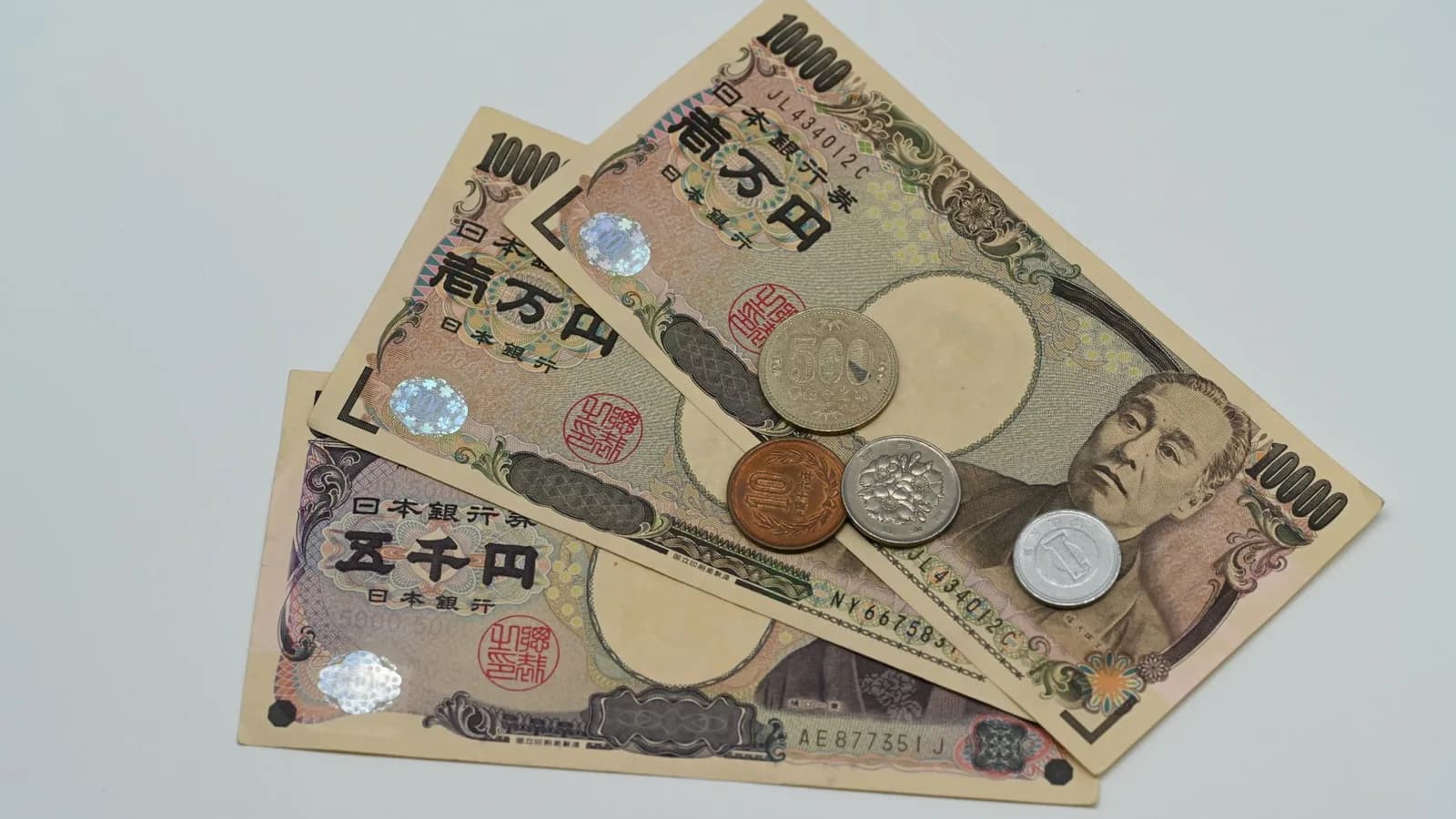
Send money to Japan for less: the real cost of $1,000 and £5,000 compared, Japanese bank receiving fees, SWIFT codes, Japan Post Bank and the ¥30m report.
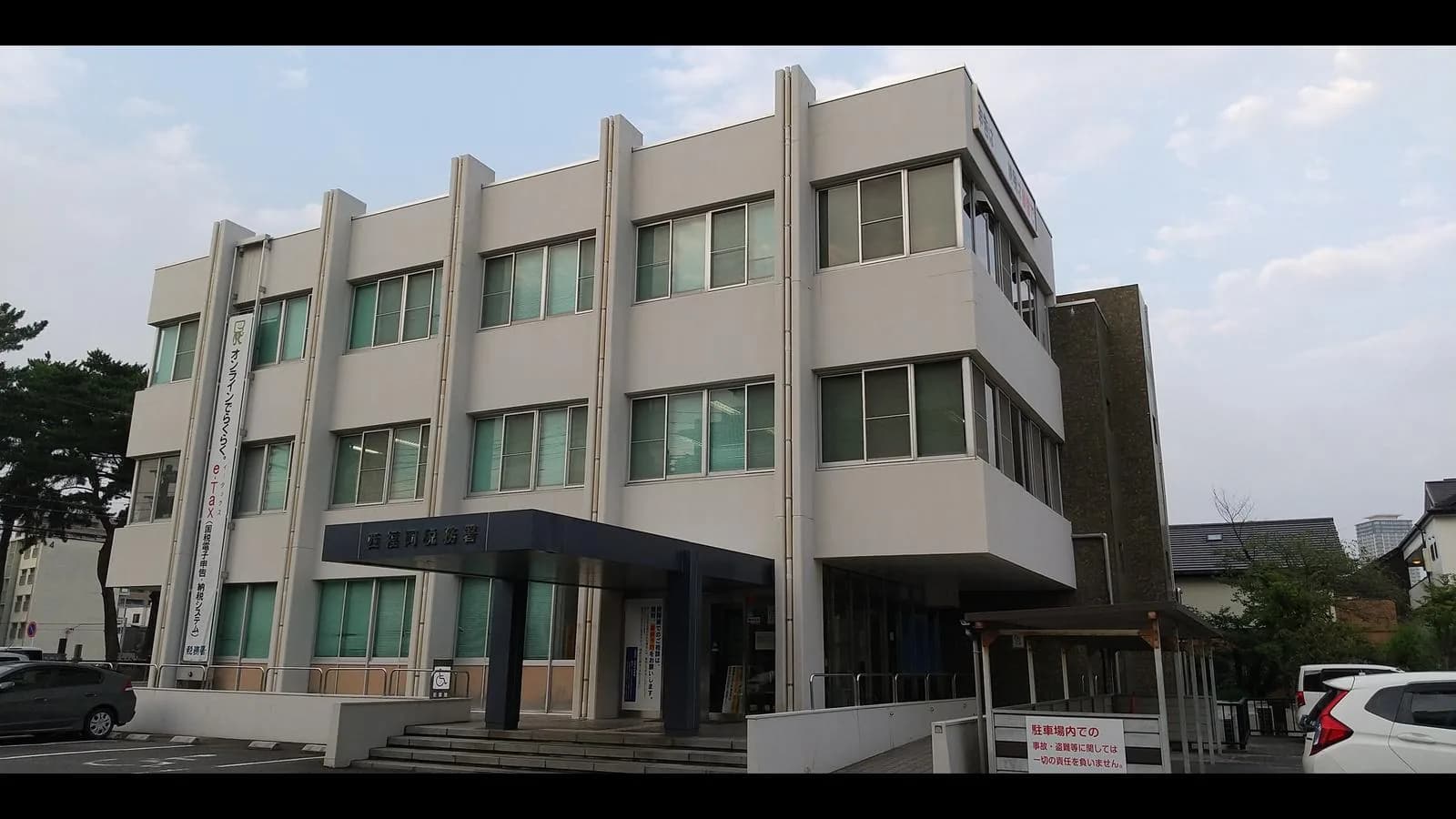 Photo Hirho, CC BY-SA 4.0, Wikimedia Commons
How Japan taxes foreign residents in 2026: tax residency, income and residence tax, filing, treaties, and how to claim the pension refund when you leave.