- visa-free stay for US, UK, Canadian, Australian and EU passports, with Visit Japan Web free and optional
- 90 days
- our budget estimate per person for 10 days on a backpacker budget, flights excluded, about $845
- ¥135,000
- departure tax per person since 1 July 2026, about $19, already added to your air ticket
- ¥3,000
On this page
A Japan holiday takes about eight things to sort out, in this order: entry rules, flights, the season, an itinerary, trains, mobile data, where to stay and insurance. Most passport holders from the US, the UK, Canada, Australia and the EU need no visa for up to 90 days, and 10 days on the classic Tokyo, Fuji, Kyoto and Osaka route cost about ¥135,000 to ¥510,000 per person ($845 to $3,190) before flights. This travel guide gives each step with the prices in force on 14 November 2026, at about 160 yen to the dollar.
Tours and activities for a Japan holiday
The six activities below are among the best-rated on the classic route, from Tokyo to Hiroshima.

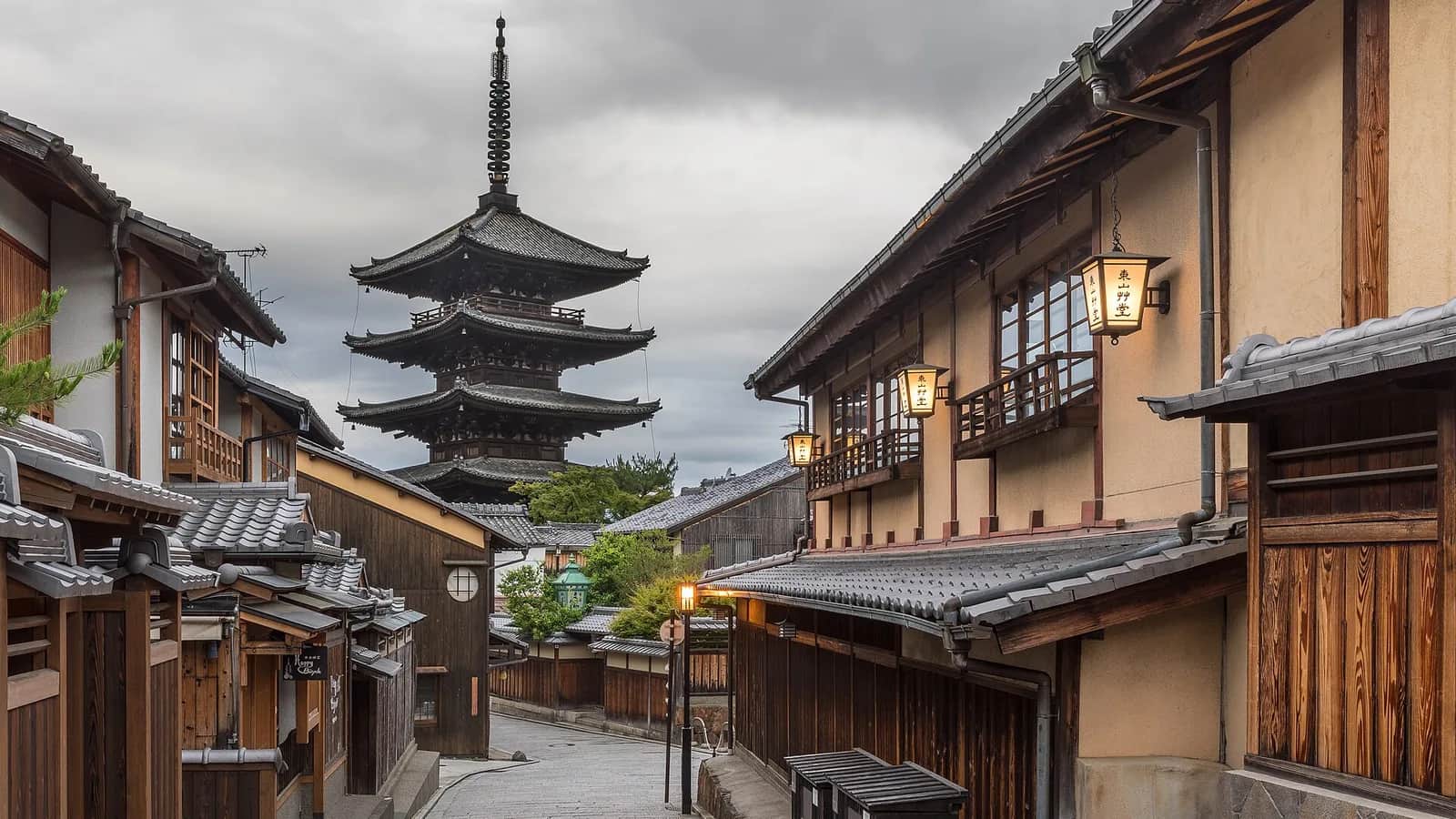
Tokyo: teamLab Planets TOKYO Digital Art Museum Entry Ticket
Timed entry to the barefoot digital art museum in Toyosu, Tokyo. Slots sell out weeks ahead in spring and autumn.
4.6(15,239 reviews)
From $23per person
See prices & availability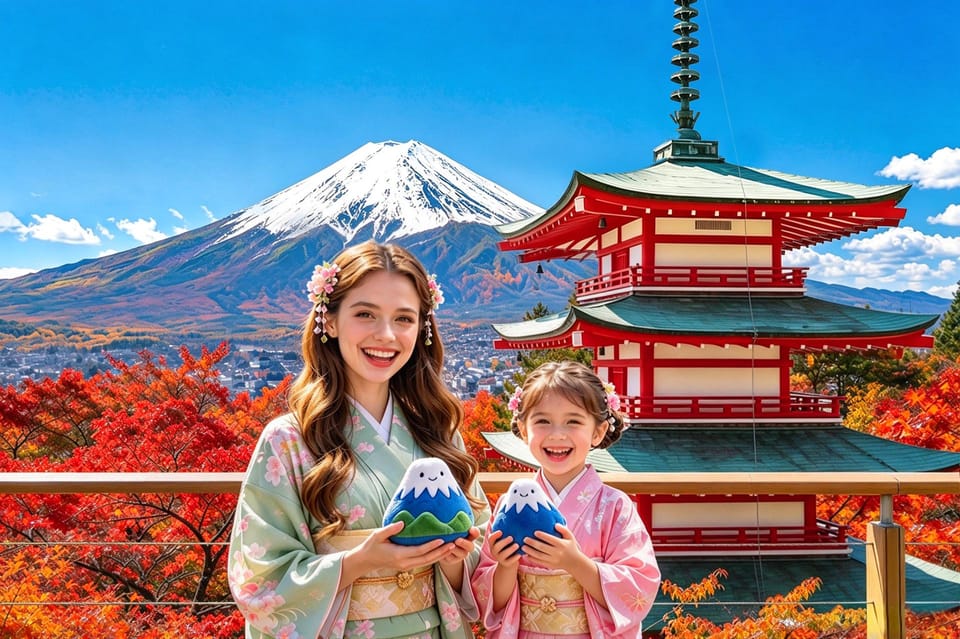
Tokyo: Mt Fuji & Oishi Park & Lake Kawaguchi & Oshino Hakkai
A 10-hour coach day from Tokyo to Lake Kawaguchi, Oishi Park and Oshino Hakkai, for Fuji views without a night away.
4.8(6,644 reviews)
- 10 hours
- Free cancellation
- Pickup included
From $49per person
See prices & availability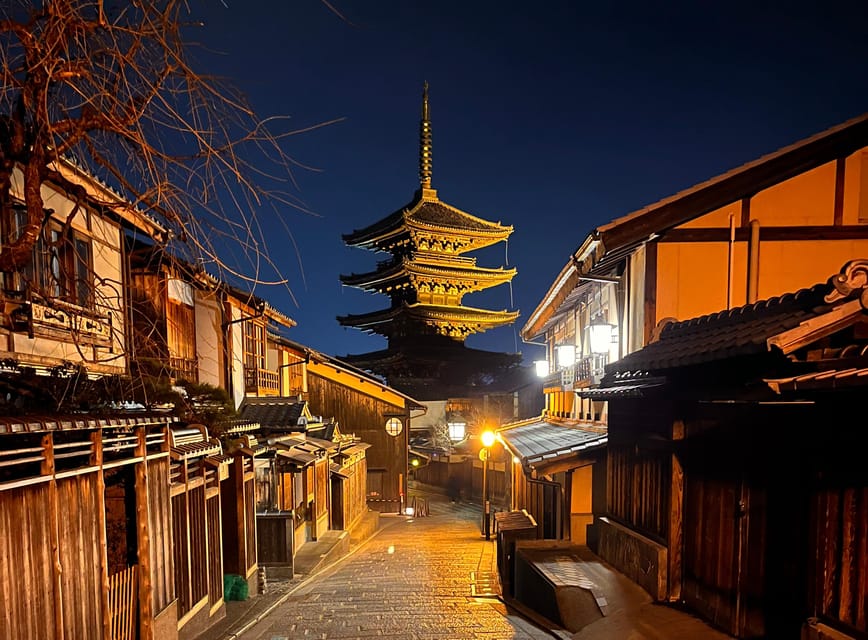
Kyoto: Gion Magical Night Walking Tour & Geisha Culture
A 100-minute evening walk through Gion with a guide who explains the geisha districts of Kyoto.
4.9(5,424 reviews)
- 100 minutes
- Free cancellation
From $25per person
See prices & availability
Hungry Osaka Street Food Tour Shinsekai: 15 Tastings 4 Drinks
Three hours of street food in Shinsekai with 15 tastings and 4 drinks, a ready-made first night in Osaka.
5.0(2,207 reviews)
- 3 hours
- Free cancellation
From $81per person
See prices & availability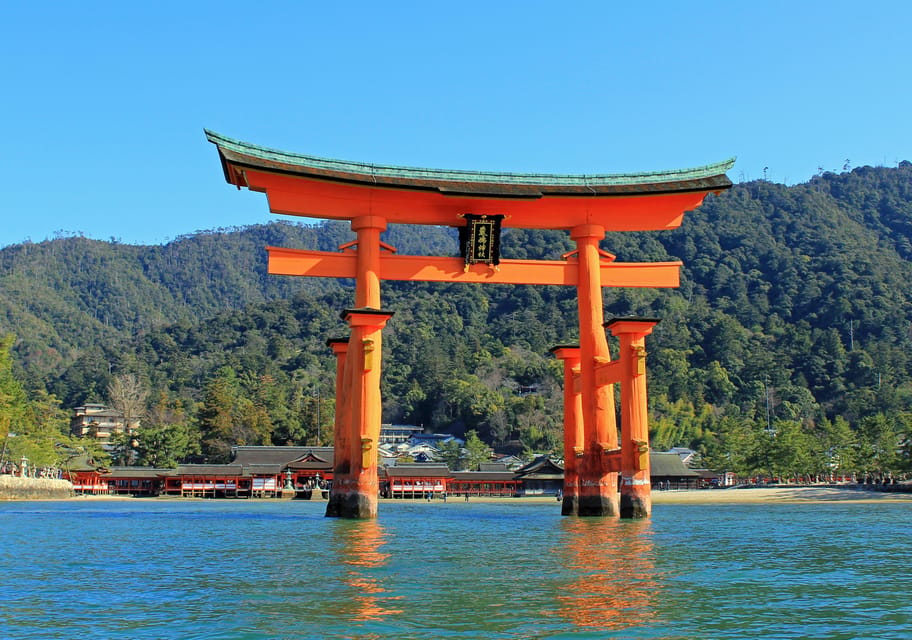
Hiroshima: Hiroshima and Miyajima UNESCO Sites 1-Day Tour
An 8-hour guided day around the Peace Memorial Park and Miyajima, starting in Hiroshima.
4.9(4,311 reviews)
- 8 hours
- Free cancellation
From $119per person
See prices & availability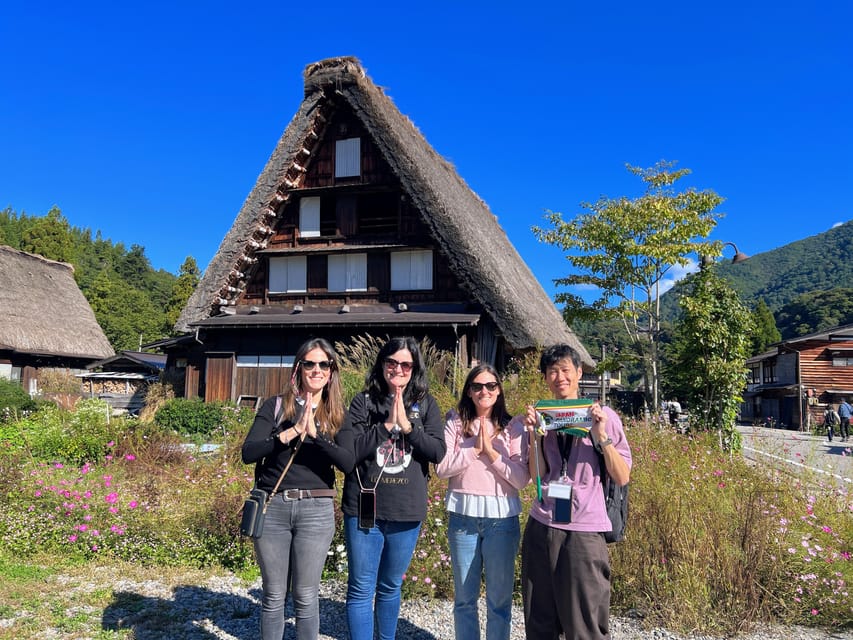
Kanazawa: World Heritage Shirakawa-go Morning Guided Tour
A 5-hour guided morning in the thatched village of Shirakawa-go, leaving from Kanazawa.
4.9(1,879 reviews)
- 5 hours
- Free cancellation
From $75per person
See prices & availability
How to plan a Japan holiday: the checklist in order
The order matters because each step fixes the next one. Your passport decides whether you need a visa, the flight dates decide the season, the season shapes the route, and the route decides whether a rail pass pays. Start three to six months ahead for spring or autumn, when flights and Kyoto hotels go first.
| Step | When | What to decide |
|---|---|---|
| 1. Entry and visa | Before booking | Visa-free or visa, passport validity, Visit Japan Web |
| 2. Flights | 3 to 6 months ahead | Haneda, Narita or Kansai, open jaw into Tokyo and out of Osaka |
| 3. Season | With the flights | Cherry blossom, autumn leaves, snow, holiday peaks to avoid |
| 4. Itinerary | Right after | 7, 10 or 14 days, nights per city |
| 5. Transport | Once the route is set | JR Pass or single tickets, Suica, car hire for rural areas |
| 6. Internet | 1 week before | eSIM, pocket WiFi or SIM card |
| 7. Where to stay | With the itinerary | Hotels, one ryokan night with an onsen |
| 8. Insurance | As soon as you pay | Medical cover, cancellation, ski or adventure options |
1. Japan entry requirements and Visit Japan Web
Japan waives the visa for short stays for 74 countries and regions, including the United States, the United Kingdom, Canada, Australia, New Zealand and every EU country. You get 90 days on arrival as a Temporary Visitor, with a passport valid for the whole stay, and you may not take paid work. JESTA, the planned online travel authorisation, has not started: the law passed in May 2026 and the system must open by 31 March 2029 at the latest. Other nationalities and the special cases are in our guide to the Japan tourist visa and entry requirements.
Visit Japan Web is the free government site that turns the immigration and customs forms into one QR code per traveller. It is optional, and the paper forms still work. Fill it in on the official site only, a few days before the flight.
2. Flights to Japan from the UK, the US, Canada and Australia
Haneda is the closest airport to central Tokyo, Narita gets most of the low-cost and some long-haul flights, and Kansai serves Kyoto and Osaka. London Heathrow is the only UK airport with direct flights, about 13 h 45 nonstop to Haneda. From the US, round trips averaged about $1,089 over the last 12 months, with January and February the cheapest months to fly. Our guide to flights to Japan compares airports, direct routes, stopovers and the open jaw ticket that lands in Tokyo and leaves from Osaka.
3. Best time for a holiday in Japan
The two best windows are late March to May and October to November: mild weather, cherry blossom or autumn leaves, and the highest prices. June brings the rainy season, July and August heat and typhoons, while winter is dry and sunny in Tokyo and snowy in Hokkaido. Avoid Golden Week (29 April, then 1 to 5 May 2027), Obon (13 to 16 August 2027) and New Year, when every Shinkansen seat is taken. Month by month, the weather and the 2027 dates are in our page on the best time to visit Japan.
Two seasons have their own guide. Cherry blossom season in Japan peaks on average on 31 March in Tokyo and 4 April in Kyoto, and the first 2027 forecast usually comes out in mid-December. Japan in winter covers skiing, with adult day lift tickets from about ¥7,800 to ¥16,700 in 2026-27, the snow monkeys and the Sapporo Snow Festival from 4 to 11 February 2027.
4. Japan itinerary: 7, 10 or 14 days
For a first trip, 10 days and 9 nights fit the classic loop: Tokyo for 4 nights, 1 night at Hakone or Lake Kawaguchiko, 3 in Kyoto with a day trip to Nara, 1 in Osaka, then a flight home from Kansai. Trains and airport transfers for the whole route cost about ¥27,080 ($169) on single tickets. Two weeks add Kanazawa, Takayama and Hiroshima. The day-by-day plan, with what to book ahead, is in our 10-day Japan itinerary.
5. Getting around Japan: rail pass, Shinkansen, Suica and car hire
The JR Group raised the price of the Japan Rail Pass on 1 October 2026. The 7-day Ordinary pass now costs ¥50,000 ($313) on the official website and ¥53,000 through an overseas agency. On the 10-day route it does not pay: a Tokyo, Kyoto, Osaka and back to Tokyo loop costs ¥29,470 on single tickets. It starts to pay only on long 7-day trips, such as a 14-day route that returns to Tokyo from Hiroshima.
The Shinkansen links Tokyo and Kyoto in about 2 h 15 on a Nozomi for ¥14,170 ($89) in a reserved seat. For city trains, buses and convenience stores, a Suica card or a Suica in Apple Wallet does the job. The Welcome Suica for visitors lasts 28 days with no deposit, and top-ups at machines are cash only. A car is only worth it for Hokkaido, Okinawa or the countryside: car rental in Japan needs a paper International Driving Permit issued under the 1949 Geneva Convention, or a JAF translation for six countries and regions such as Germany, France and Taiwan.
6. Internet in Japan: eSIM, pocket WiFi or SIM card
Mobile data runs the trip: maps, train times and translation. An eSIM set up before the flight works the moment you land, with plans from about $4 on our Japan eSIM comparison. A pocket WiFi router suits a family or a group, at about ¥9,960 ($62) a week for unlimited data shared by up to 8 devices. Pick-up points, return rules and SIM cards are in our guide to pocket WiFi in Japan.
7. Where to stay on a Japan holiday: hotels and ryokan
Business hotels with small, spotless rooms are the default in cities. In Kyoto, hotels averaged ¥17,272 to ¥19,333 a room per night in 2026, and the city charges an accommodation tax per person and per night on top. Plan at least one night in a ryokan, the traditional inn with tatami, futon, kaiseki dinner and hot-spring baths: about ¥15,000 to ¥40,000 per person with dinner and breakfast in a mid-range one. Prices, etiquette and onsen rules, tattoos included, are in our guide to ryokan and onsen.
8. Travel insurance for Japan
Insurance is not required at the border, but visitors are outside the Japanese public health system and pay the full bill. According to the Japan Tourism Agency, 1 in 10 visitors treated in Japan paid ¥100,000 (about $700) or more. The cover worth checking is medical expenses, repatriation, and skiing if you go to Niseko or Hakuba. Our guide to travel insurance for Japan compares the options, including credit card cover.
How much does a holiday in Japan cost? Budget for 10 and 14 days
These are our estimates per person, flights excluded, with two people sharing a room. The 10-day column comes from our itinerary, the 14-day one applies the same nightly and daily rates to 13 nights and adds Kanazawa, Takayama and Hiroshima to the train budget.
| Per person | Budget | Mid-range | Comfort |
|---|---|---|---|
| Where you sleep | Hostels, capsules, business hotels | 3-star hotels, one ryokan night | 4 and 5-star hotels, ryokan with kaiseki |
| Accommodation, per night | ¥6,000 ($38) | ¥12,000 ($75) | ¥30,000 ($188) |
| Food, per day | ¥3,500 ($22) | ¥7,000 ($44) | ¥15,000 ($94) |
| 10 days, 9 nights | about ¥135,000 ($845) | about ¥238,000 ($1,490) | about ¥510,000 ($3,190) |
| 14 days, 13 nights | about ¥197,000 ($1,230) | about ¥344,000 ($2,150) | about ¥730,000 ($4,560) |
Trains, buses and airport transfers count for about ¥35,000 on 10 days and ¥55,000 on 14 days on single tickets (¥50,000 and ¥75,000 in the comfort column, with Green Car seats and taxis). Sights and tours take ¥11,000 to ¥40,000 on 10 days and ¥15,000 to ¥55,000 on 14 days. Add the flight and three small taxes that most online budgets forget: the ¥3,000 departure tax since 1 July 2026, already in the ticket, the Kyoto accommodation tax (¥200 to ¥1,000 per person per night for most rooms) and the ¥150 hot-spring tax per day in onsen towns. For a longer stay, our page on the cost of living in Japan gives monthly prices.
Money in Japan for tourists: cash, cards, ATMs and tax-free shopping
Cards work in hotels, department stores, chain restaurants and the ticket machines of big JR stations, and a Suica pays for convenience stores and vending machines. Keep cash for small restaurants, temples and shrines, market stalls, rural buses and ryokan in small towns, and to top up a Suica. About ¥10,000 to ¥20,000 in your wallet covers a day outside the big chains.
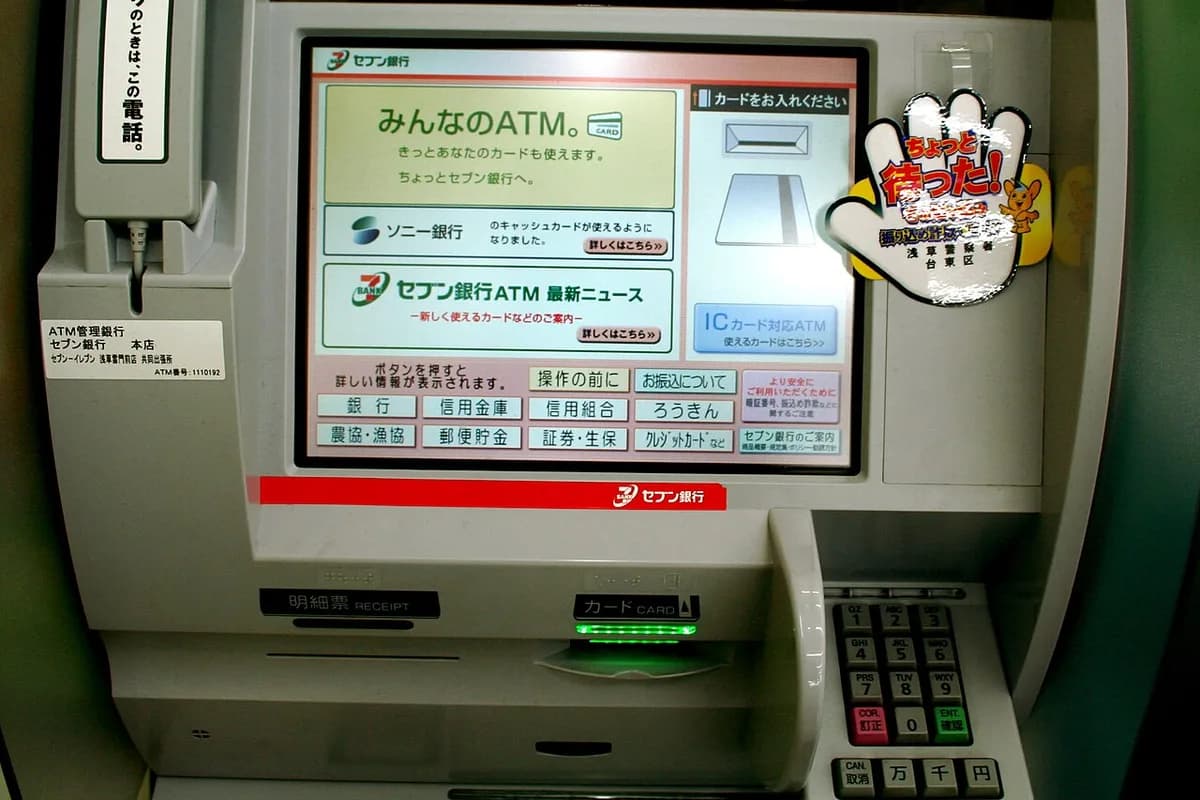
The ATMs that most reliably take foreign cards are the Seven Bank machines in 7-Eleven stores, more than 28,000 of them, which accept Visa, Mastercard, American Express, JCB, UnionPay, Discover and Diners Club, and the Japan Post Bank machines in post offices. The machine shows its fee before you confirm, and your own bank may add one. A card with no foreign transaction fee saves more over a holiday than any ATM choice, and the Japanese yen, banks and cards are covered in our guide to money in Japan.
Tax-free shopping changed on 1 November 2026. You now pay the full price, 10% consumption tax included, and the tax is refunded once your departure with the goods is confirmed at the airport. The minimum stays at ¥5,000 before tax per shop and per day, and goods must leave Japan within 90 days. Go to the tax-free terminal before you check in your bags, because customs may ask to see them. The steps, and the tax-free QR code, are in our Visit Japan Web guide.
Japanese etiquette for tourists, and why you don't tip
A few rules cover almost every situation. Do not tip: the price is the price, in restaurants, taxis and hotels alike. Take your shoes off where the floor rises at the entrance of homes, ryokan, some temples and restaurants with tatami. Stay quiet on trains and do not take phone calls on board, and queue to the side of the doors to let people off first. Wash before you get into an onsen, which is for soaking, not swimming. Carry your rubbish back to your hotel, because public bins are rare, and avoid eating while walking in busy streets such as those around Kyoto temples.
Is Japan safe? Earthquakes, typhoons, alerts and emergency numbers
Japan is one of the safest countries to visit, and violent crime against tourists is rare. The UK Foreign Office flags one urban risk: drink spiking and card fraud in nightlife districts such as Kabukicho, Roppongi, Shibuya and Ikebukuro, mostly in bars where a tout brought you in.
The real risks are natural. Japan sits in a major earthquake zone, and the typhoon season runs from June to December, peaking from July to September, mainly in the south. Before you fly, install Safety tips, the free app of the Japan Tourism Agency: it sends earthquake early warnings, tsunami warnings and weather alerts in 15 languages, with an evacuation flowchart. If the ground shakes, get under a table and away from windows, and follow the instructions in hotel rooms and stations. On the coast, a tsunami warning means going to high ground at once.
Japan with kids, and travelling solo in Japan
Japan is easy with children: clean toilets with baby-changing tables in stations and department stores, safe streets and restaurants with children's menus. On trains, children aged 6 to 11 pay half fare and children under 6 usually travel free with an adult. The 7-day Japan Rail Pass costs ¥25,000 for a child online. A child needs a child IC card for the reduced fare: the child Welcome Suica is sold at JR East Travel Service Centers on showing the passport. Big stations have lifts but they are often at one end of the platform, so a light folding pushchair beats a large one.
Solo travel is just as easy. Counter restaurants, ramen shops with ticket machines and conveyor-belt sushi are built for one, and single rooms in business hotels and capsule hotels keep costs close to the shared-room budget above. The one cost that rises when you travel alone is the ryokan, which prices per person and often charges more per head for one guest than for two.
Accessible travel in Japan: wheelchairs, stations and help
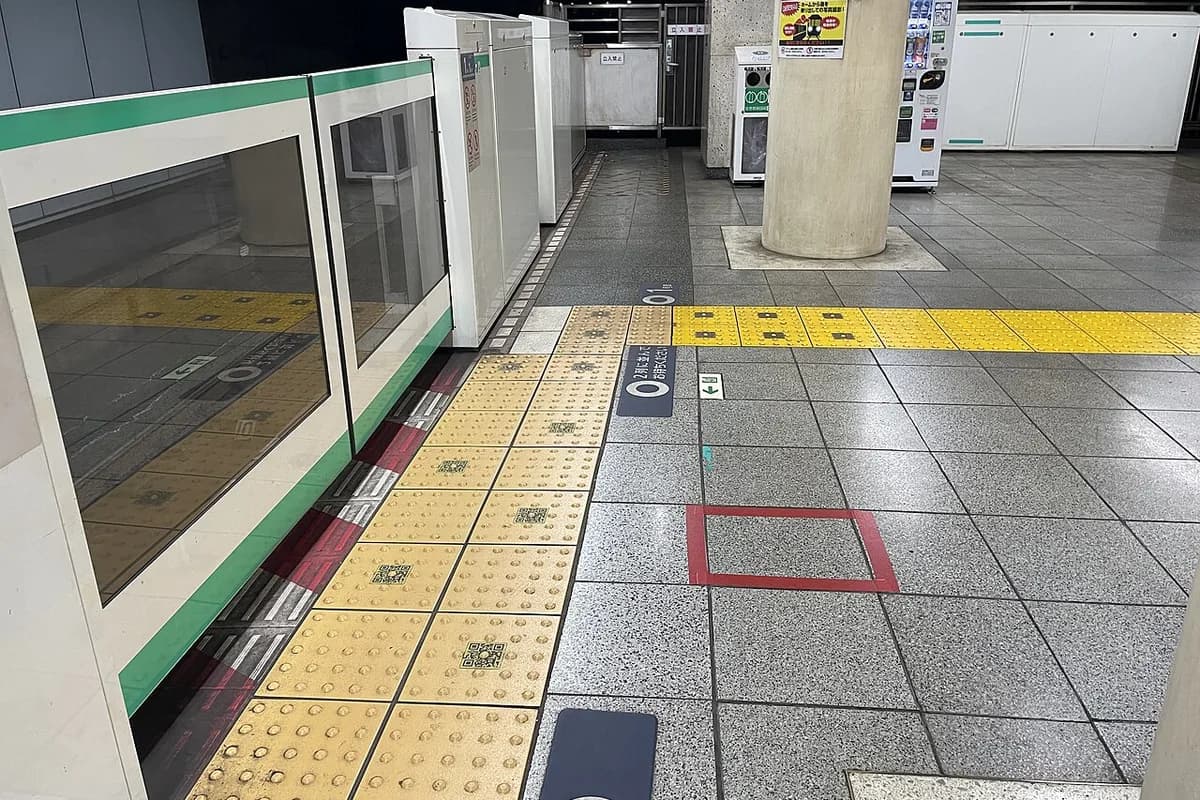
According to the national tourism organisation, about 95% of Japan's train stations are fully accessible, with lifts and tactile paving. Tell the station staff where you are going and they help you on and off the train, usually with a portable ramp, and arrange for staff to meet you at the station where you get off. Bus drivers help wheelchair users on board. The weak point is taxis: most standard cabs cannot take an electric wheelchair, so book an adapted vehicle ahead. Some hotels have accessible baths and showers, and some sights lend wheelchairs, but old temples with steps and gravel paths remain hard going.
Where to go on a first holiday in Japan
Most first trips combine three cities. Tokyo for neighbourhoods, food and day trips to Mount Fuji or Hakone, Kyoto for temples, gardens and Gion, and Osaka for street food and Universal Studios Japan. Hiroshima and Miyajima are 1 h 40 from Kyoto by Shinkansen. Hokkaido, Okinawa and the Japanese Alps each make a trip of their own. Our guide to things to do in Japan lists the places region by region. Thinking about staying longer than a holiday? Our guide on how to move to Japan starts with the visa.
In this section
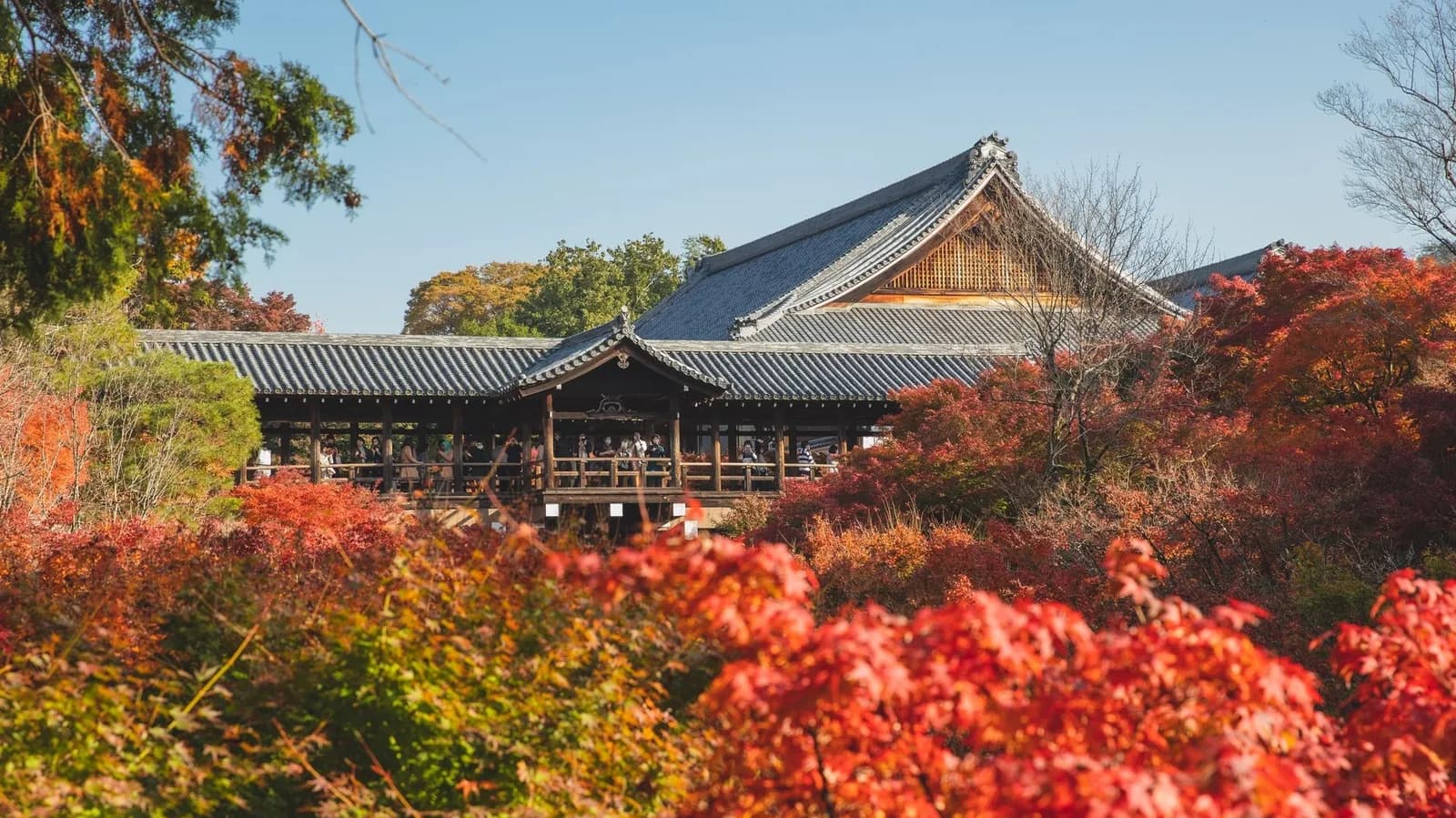 Photo Ryutaro Tsukata, Pexels
Best time to visit Japan: late March to May or October to November. Japan weather by month for Tokyo, Kyoto, Sapporo and Naha, plus 2027 dates to avoid.
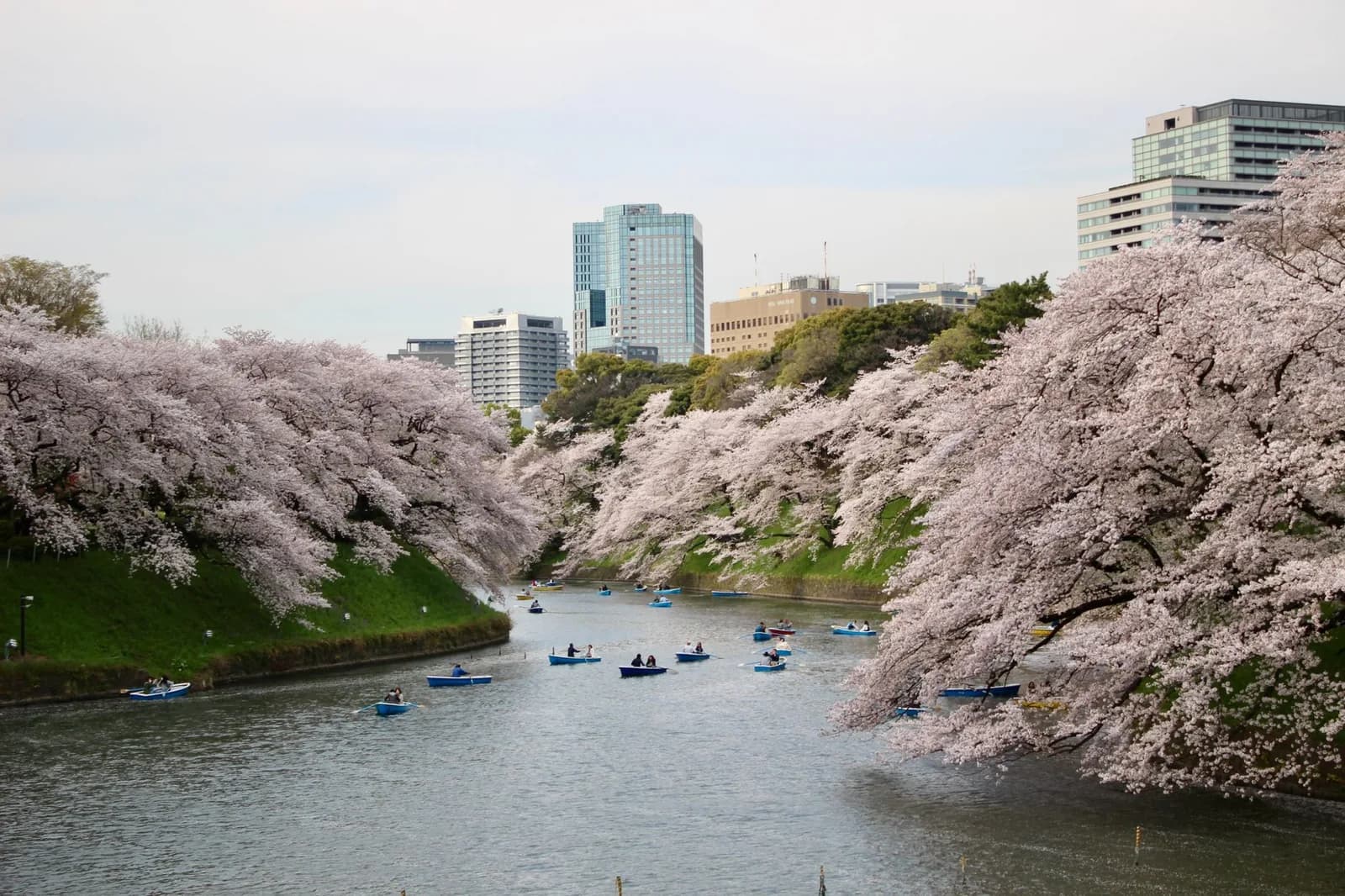 Photo 犬 の口, Pexels
When to see cherry blossom in Japan in 2027: average bloom dates for 10 cities from the JMA, when the first forecast comes out, and the best spots by city.
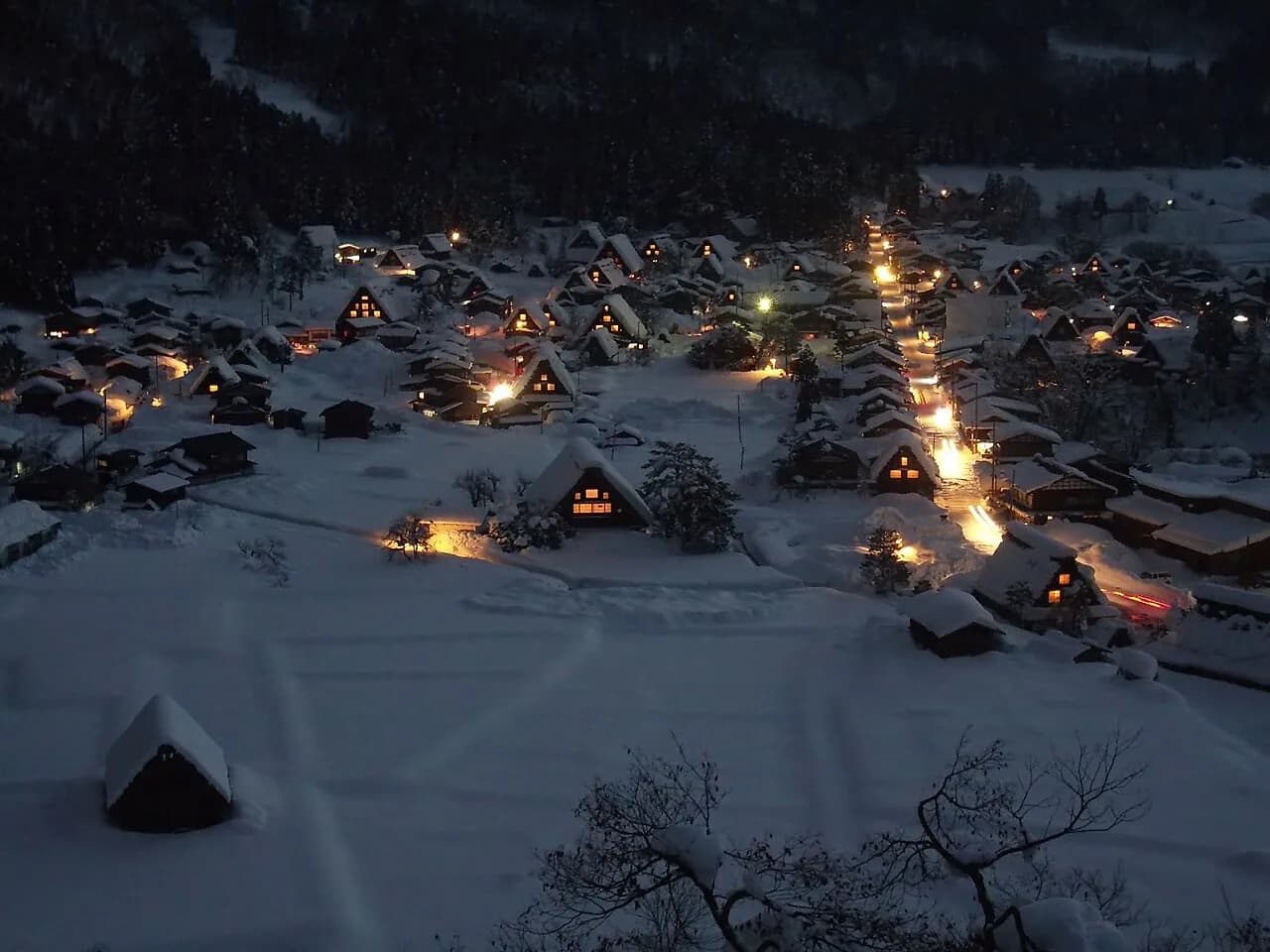 Photo tsuda, Wikimedia Commons, CC BY-SA 2.0
Japan in winter, December to February: JMA weather by region, 2026-27 lift prices at 8 ski resorts, 2027 snow festival dates and what closes at New Year.
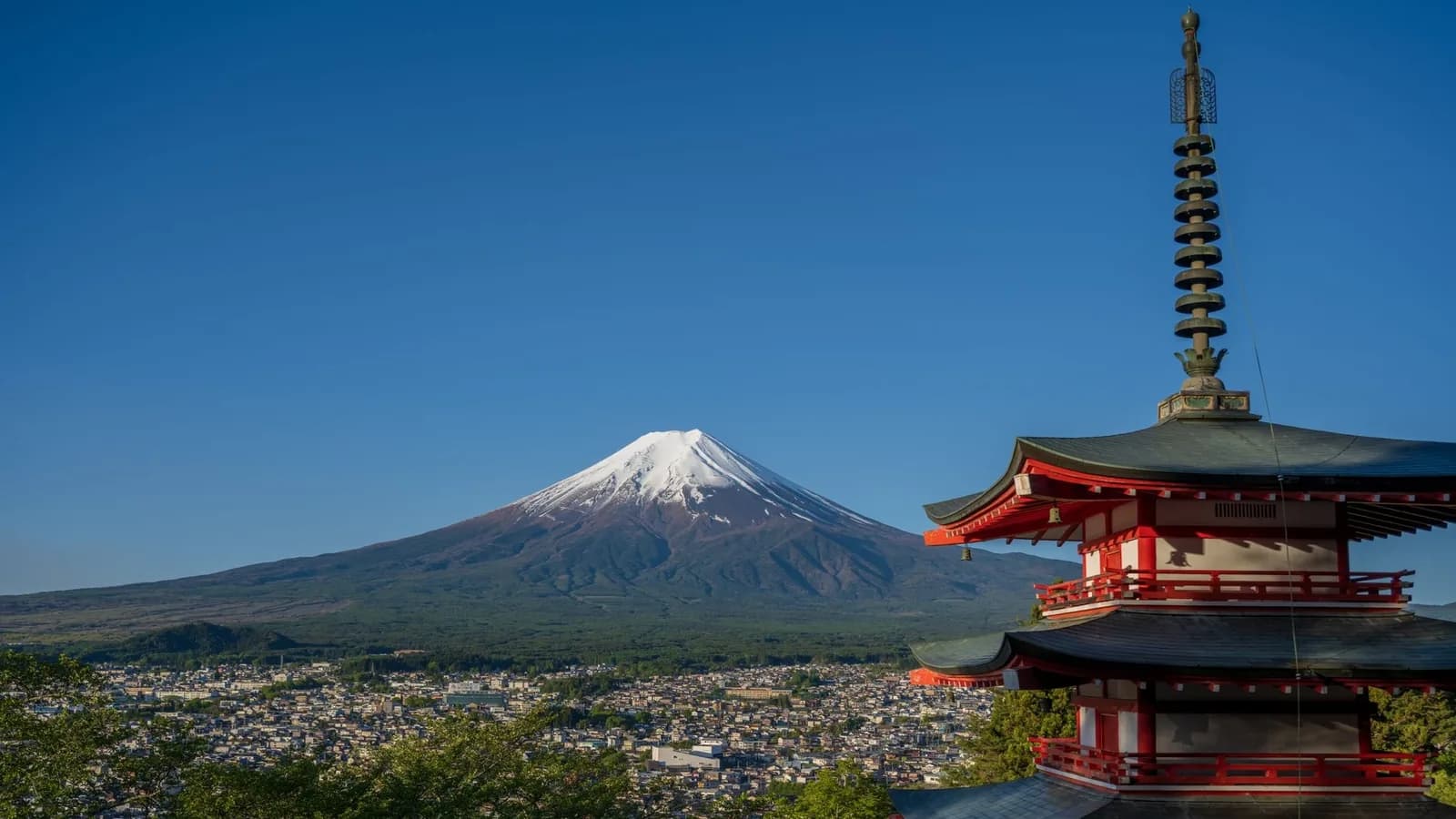 Photo Guohua Song, Pexels
A 10-day Japan itinerary for a first trip: Tokyo, Mount Fuji, Kyoto, Nara and Osaka day by day, with train times, fares in yen and dollars, and what to book.
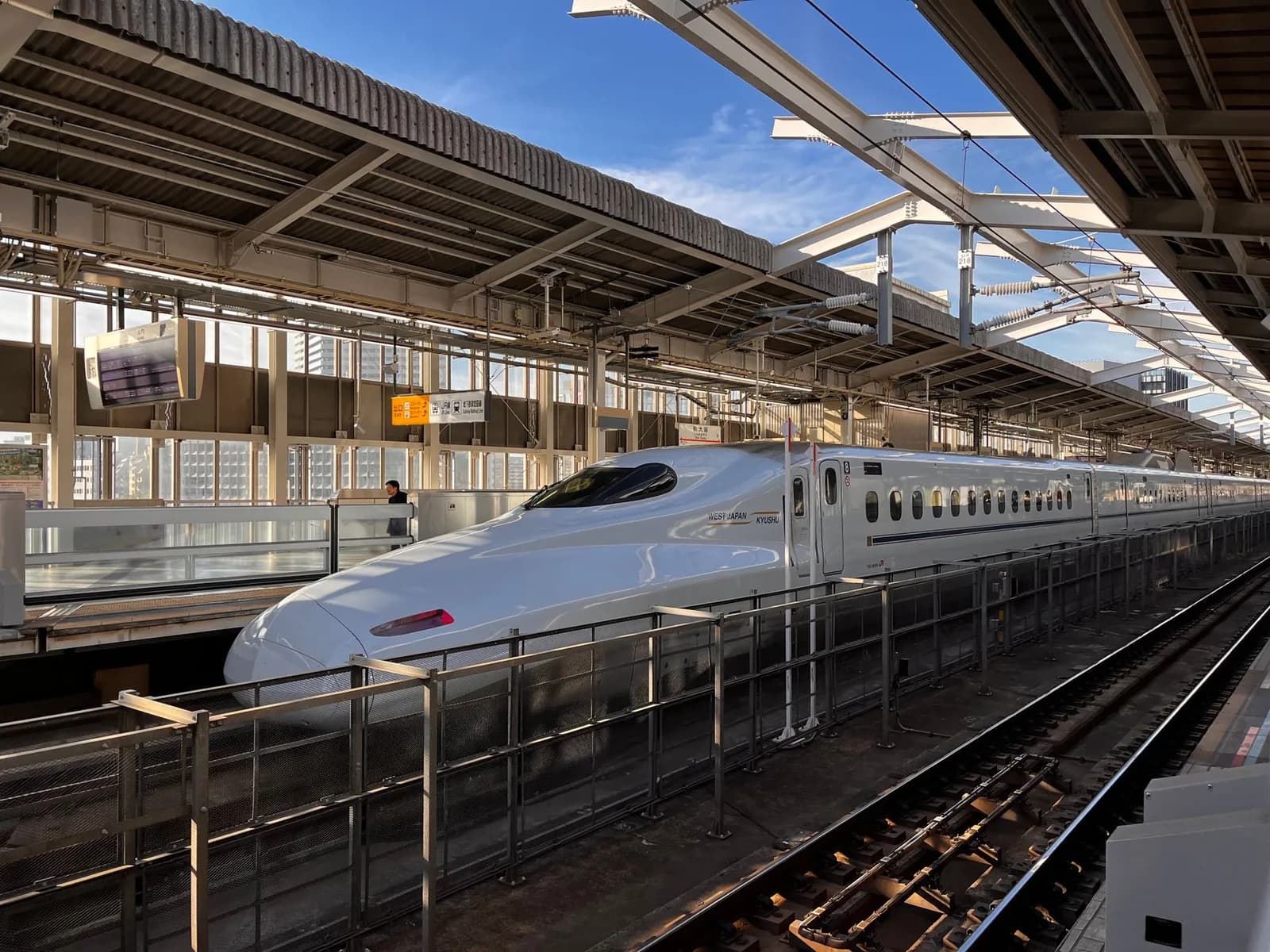 Photo Sharon Green, Pexels
Japan Rail Pass prices for 2026 in yen and dollars, what the JR Pass covers, the Nozomi supplement, how to buy it and three itineraries costed against tickets.
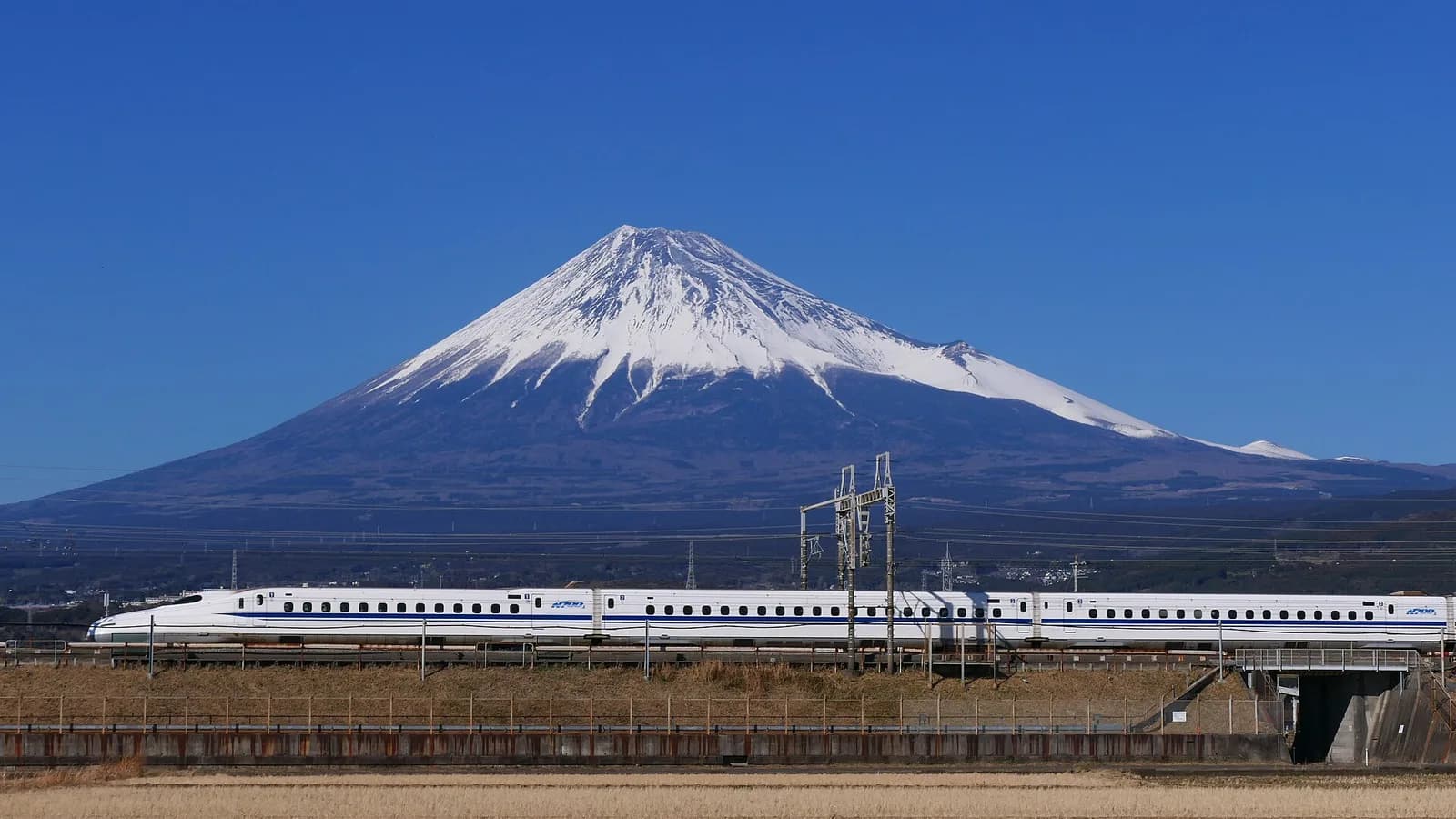 Photo MaedaAkihiko, CC BY-SA 4.0, Wikimedia Commons
How the Shinkansen works in 2026: lines and map, Nozomi vs Hikari, fares in yen and dollars, Tokyo to Kyoto in 2 h 15, tickets, seats and luggage rules.
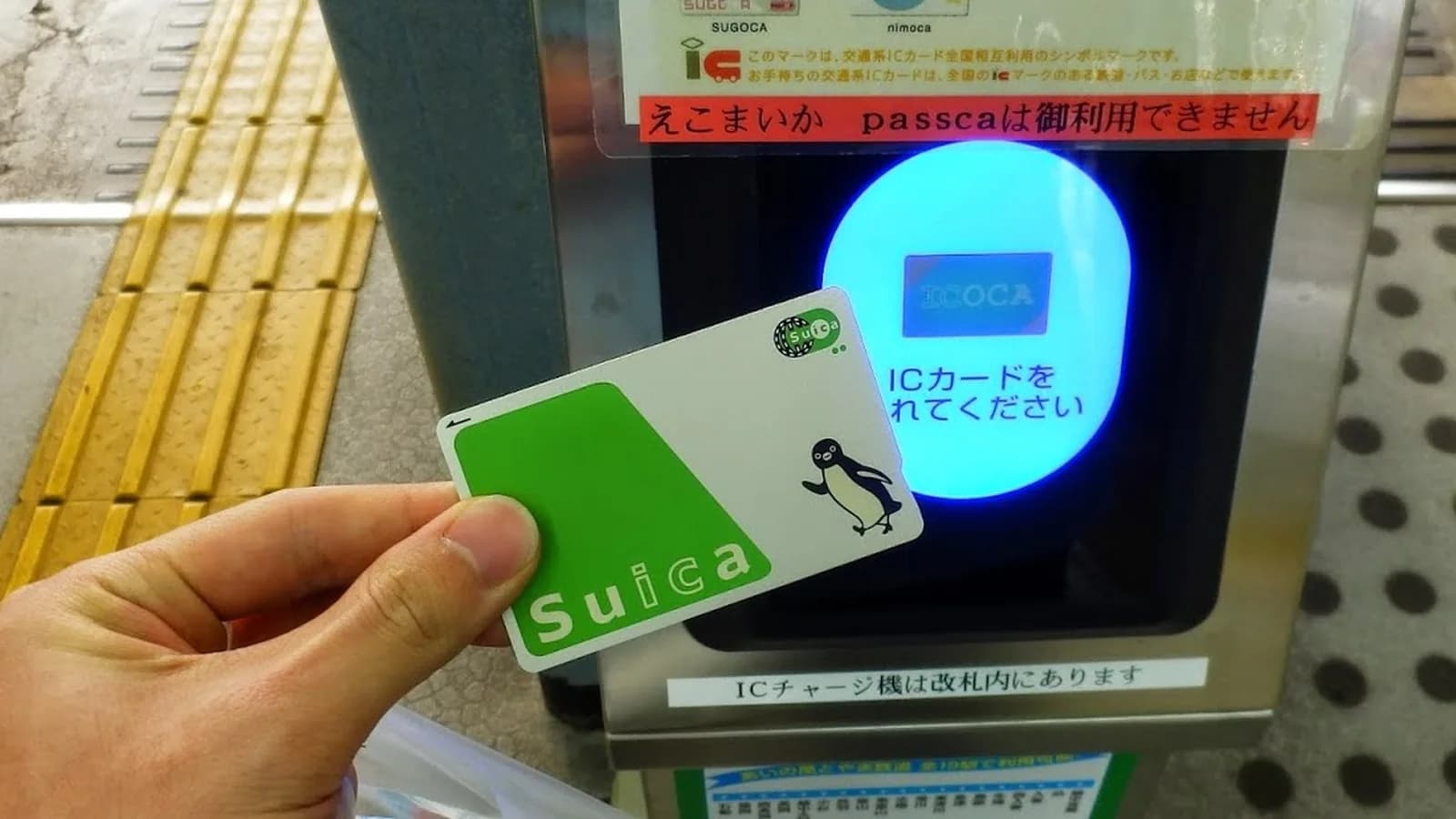 Photo タチヤマカムイ, CC BY-SA 4.0, Wikimedia Commons
Suica card guide for 2026: Welcome Suica at Narita and Haneda, Apple Wallet setup, top-ups, Pasmo and ICOCA, refunds and where the card does not work.
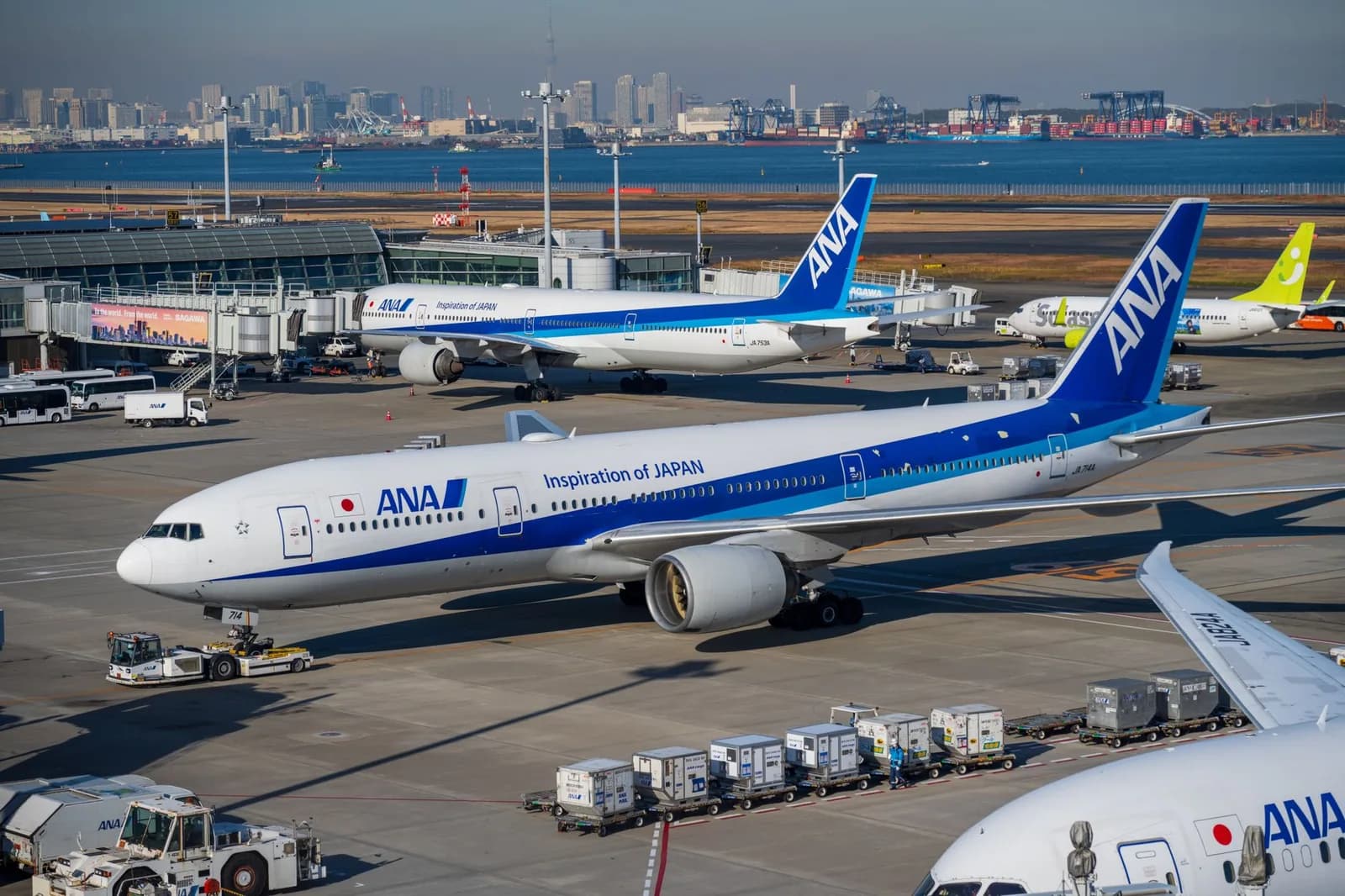
Flights to Japan from the US, UK, Canada, Australia and Europe: Haneda or Narita, nonstop routes for 2027, flight times, prices by month and when to book.
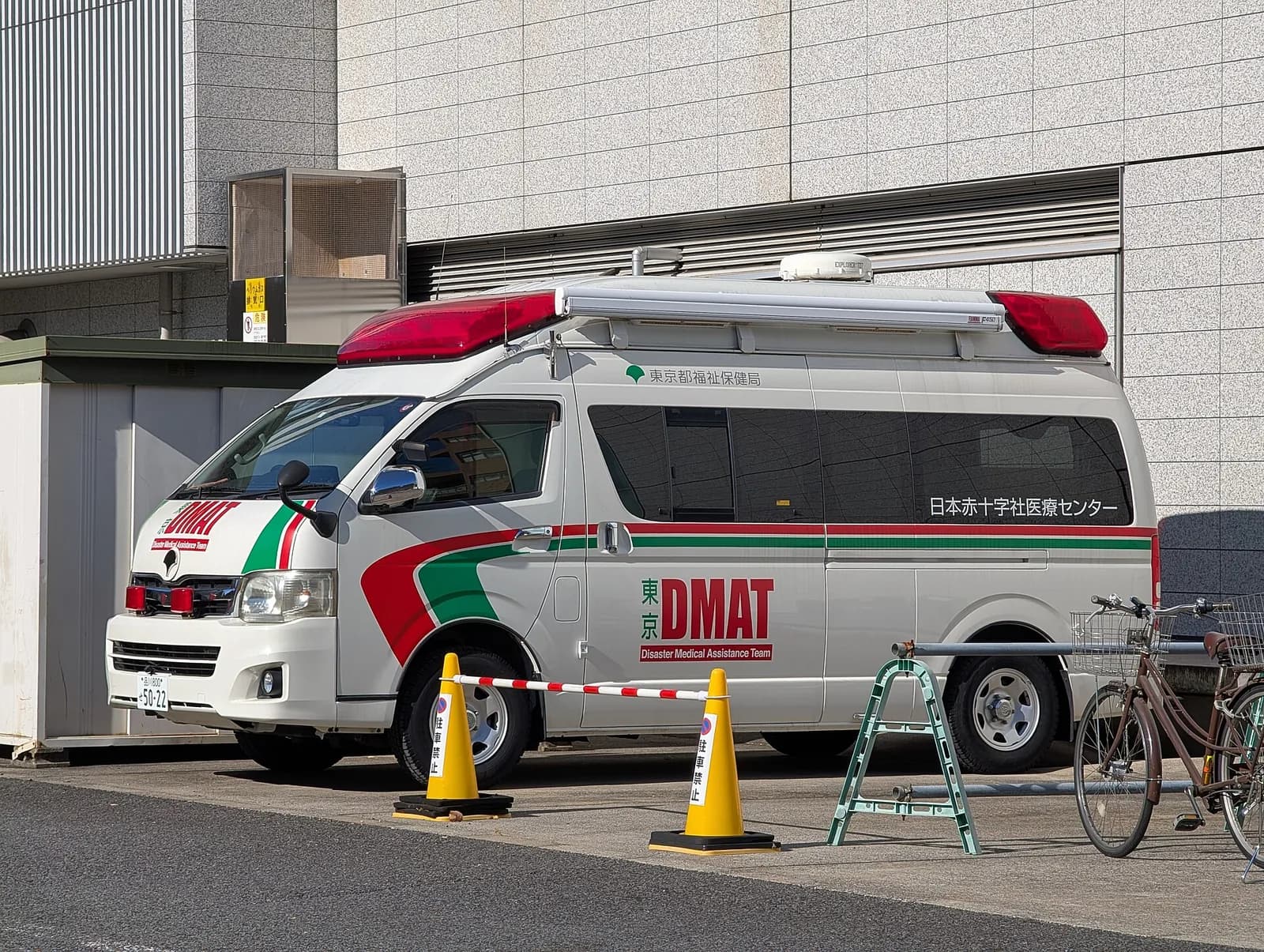 Photo Syced, CC0, Wikimedia Commons
Do you need travel insurance for Japan? What hospitals charge uninsured tourists (MHLW 2023), ski and typhoon cover, exclusions and how to get care.
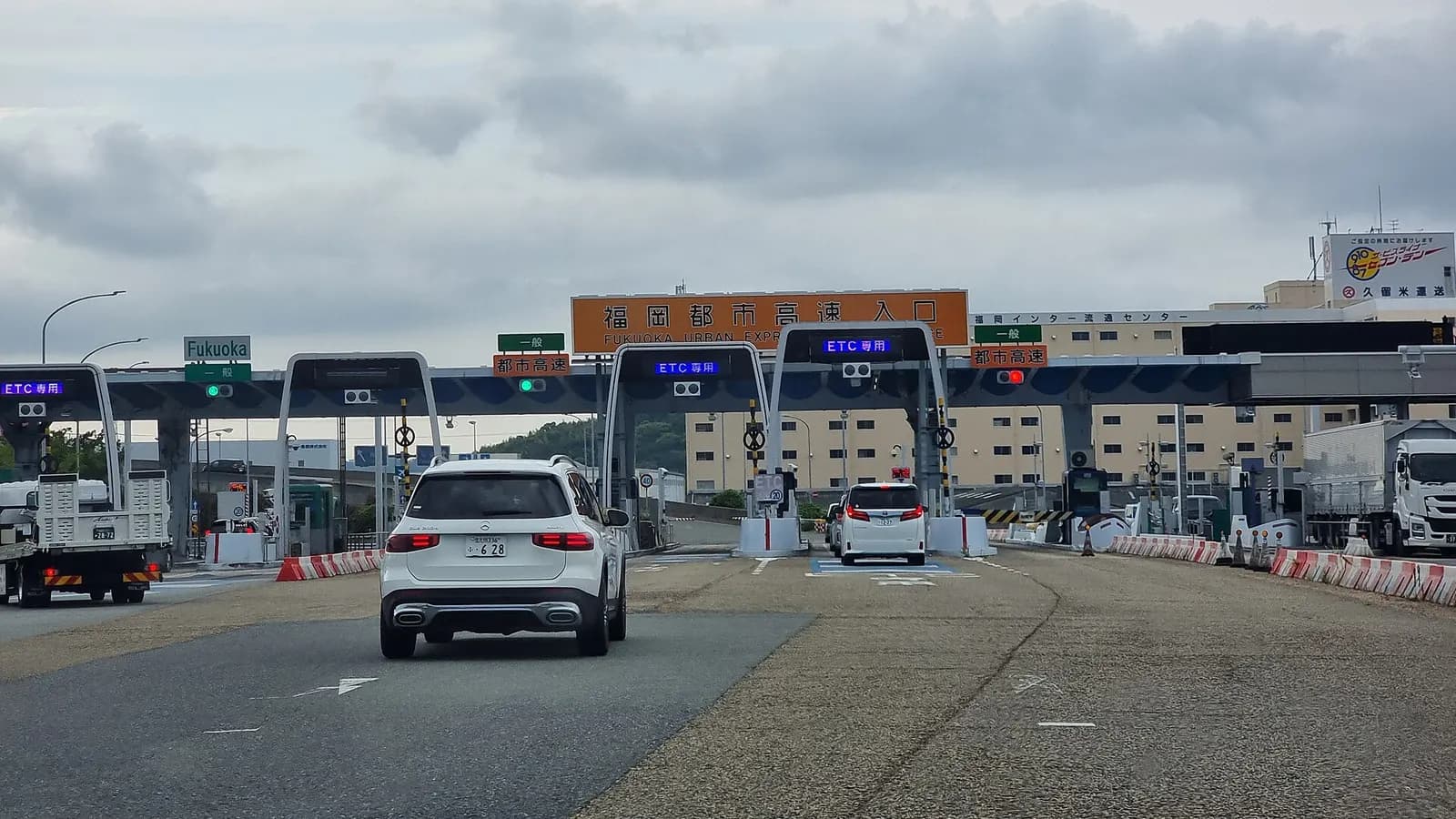 Photo Benlisquare, CC BY-SA 4.0, Wikimedia Commons
Car rental in Japan explained: IDP or JAF translation by country, 24-hour prices, CDW and NOC insurance, expressway passes and where a car is worth it.
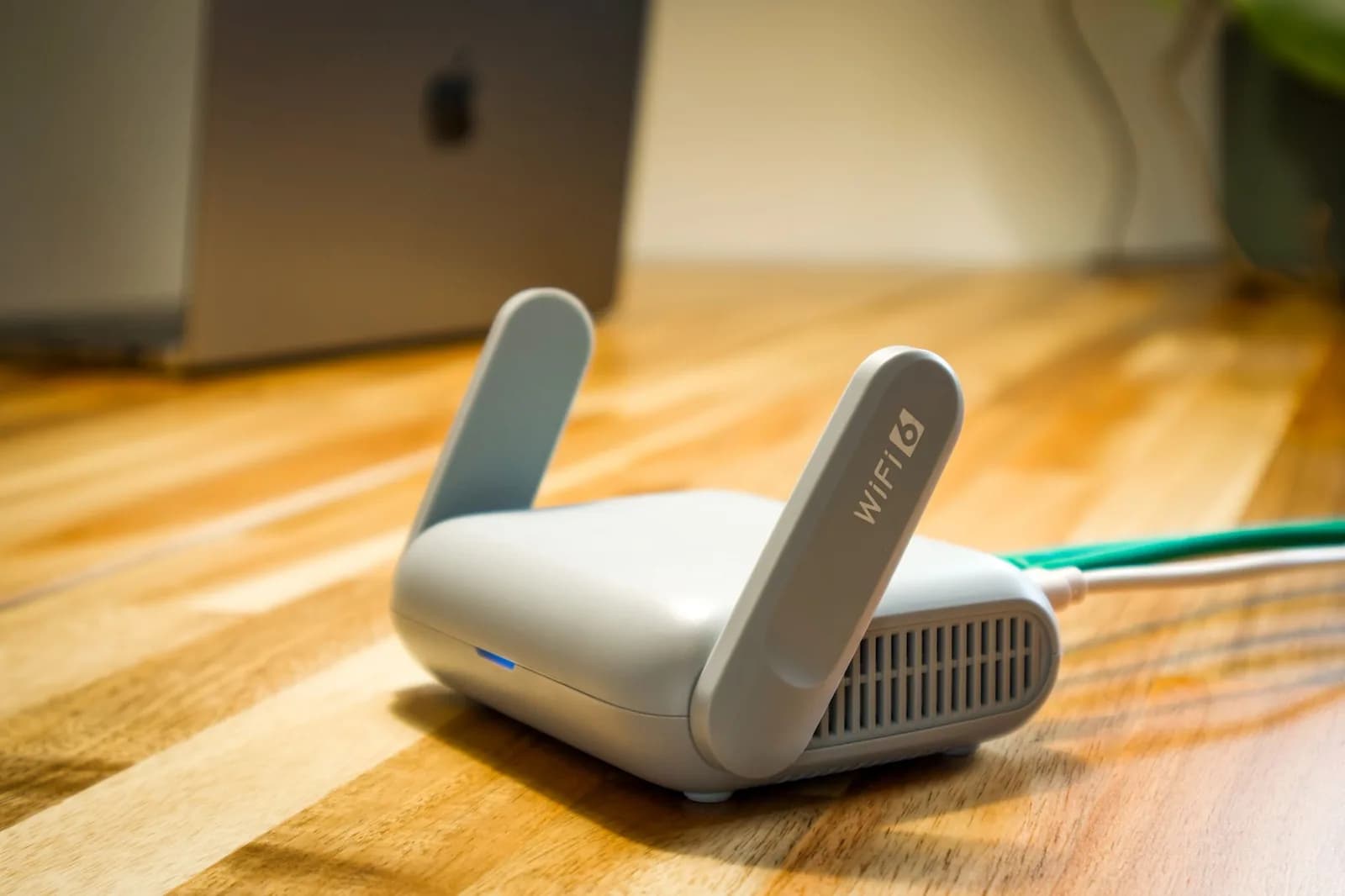 Photo Pexels
Pocket WiFi Japan rental prices for 7 and 14 days at Japan Wireless, Sakura Mobile and WiFi Rental Store, compared with a Japan SIM card or eSIM in 2026.
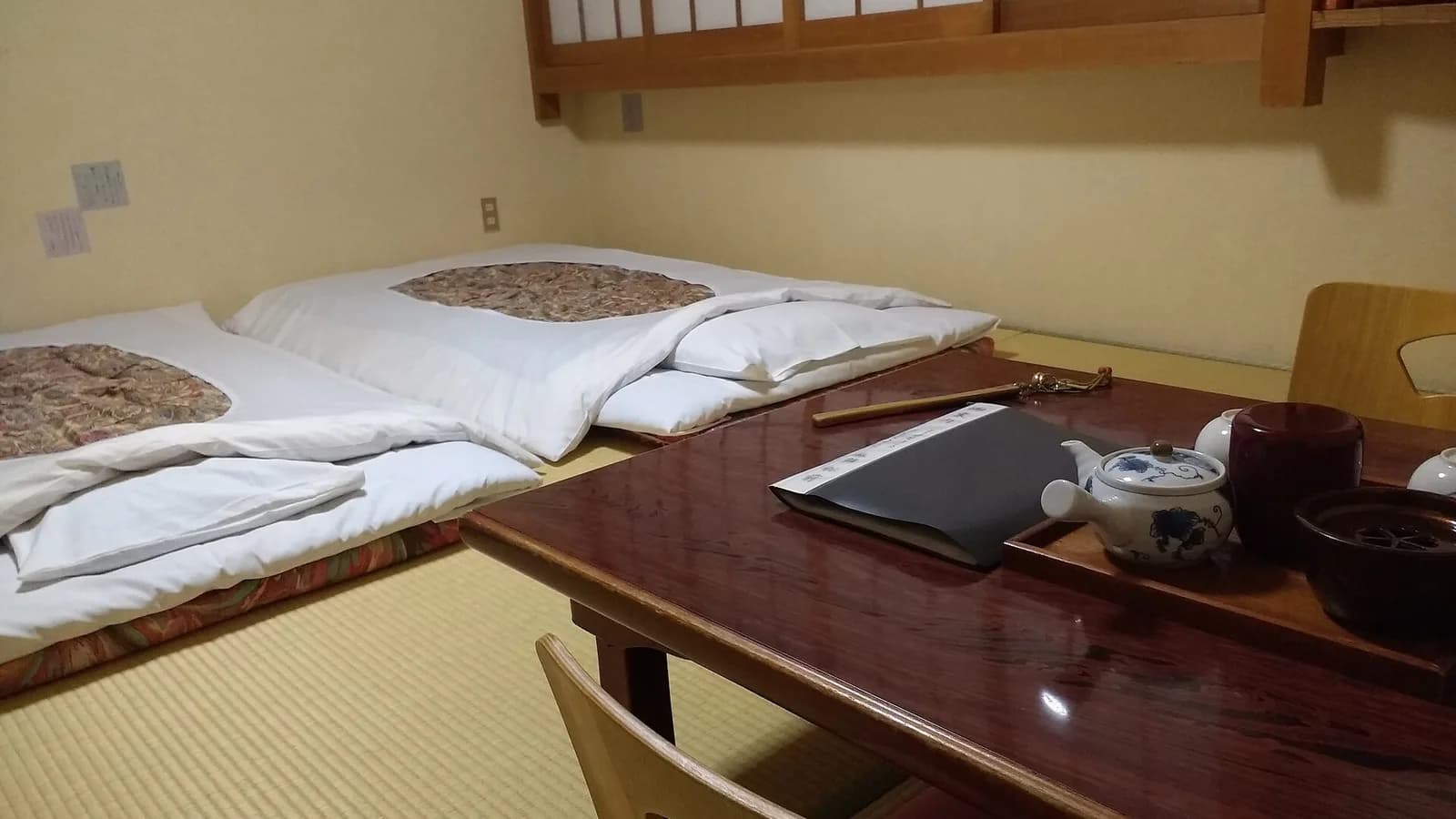
What a ryokan costs per person in 2026, what dinner and breakfast include, hot-spring taxes, onsen rules, tattoo policies and the best onsen towns.