- of Japan's land area for 4% of its people: distances are long, so plan a base per region rather than day trips from Sapporo
- 22%
- the Sapporo Snow Festival, at Odori, Tsudome and Susukino, free entry
- 4 to 11 Feb 2027
- for the 5-day Hokkaido Rail Pass ($138), read on the JR Hokkaido website on 14 November 2026
- From ¥22,000
On this page
Hokkaido is Japan's northernmost main island, a land of volcanoes, lakes, farmland and deep snow that covers 22% of the country with 4% of its people. Come in winter for the powder snow and the Sapporo Snow Festival, in July for the lavender of Furano or in autumn for the leaves in the mountains. Start in Sapporo, then pick one or two regions: distances are long and trains thin out east of Asahikawa. Below are the best things to do in each region, with prices and hours checked on 14 November 2026.
The 10 best things to do in Hokkaido
| What | Where | Best season | From Sapporo |
|---|---|---|---|
| Sapporo Snow Festival, ramen and Mount Moiwa | Sapporo | February, or all year | - |
| The canal and glass shops of Otaru | Otaru | All year | 40 min by train |
| Lavender at Farm Tomita and the Biei hills | Furano, Biei | July | About 2 h by road |
| Penguin walk at Asahiyama Zoo | Asahikawa | Winter | About 1 h 25 by train |
| Hell Valley and an onsen night | Noboribetsu | All year | About 1 h 10 by train |
| The night view from Mount Hakodate | Hakodate | All year | About 4 h by train |
| Shiretoko Five Lakes and a bear-watching cruise | Shiretoko | June to October | About 6 h by road |
| Red-crowned cranes and Lake Mashu | Kushiro, Akan | Winter for cranes | About 4 h by train |
| Icebreaker cruise through the drift ice | Abashiri | Late January to March | About 5 h by train |
| Hiking and autumn leaves at Asahidake | Daisetsuzan | July to early October | About 2 h 30 by road |
Tours and activities in Hokkaido
Most day tours leave from Sapporo and solve the main problem of the island, the distances between sights without trains.
Sapporo: Hokkaido, Noboribetsu and Lake Toya Day Tour
A coach day from Sapporo to the steaming Hell Valley of Noboribetsu and the volcanic shores of Lake Toya.
4.4(424 reviews)
- 1 day
- Free cancellation
From $44per person
See prices & availability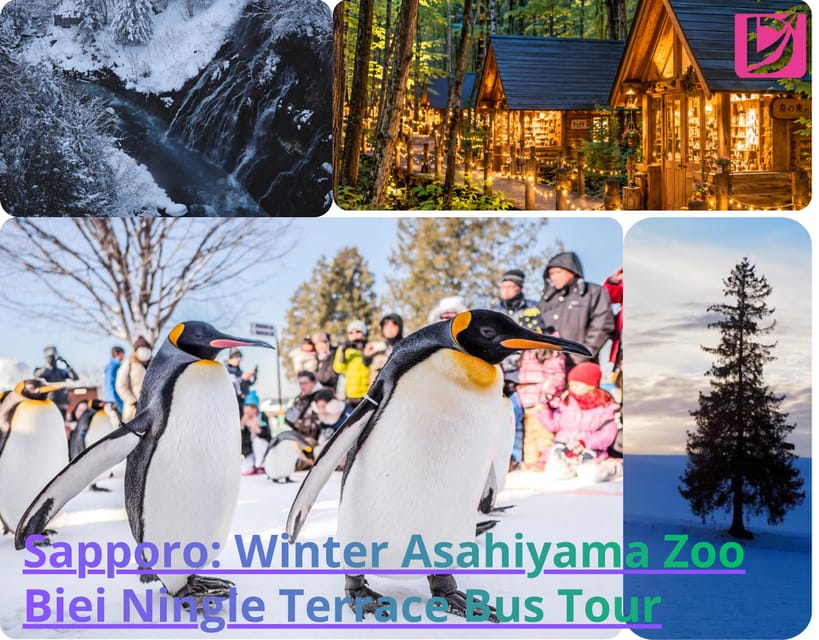
Sapporo: Asahiyama Zoo, Blue Pond, Shirahige & Ningle Tour
Asahiyama Zoo, the Blue Pond and Shirahige Falls near Biei, then the Ningle Terrace craft huts in Furano, in one day.
4.6(144 reviews)
- 10 hours
- Free cancellation
From $38per person
See prices & availability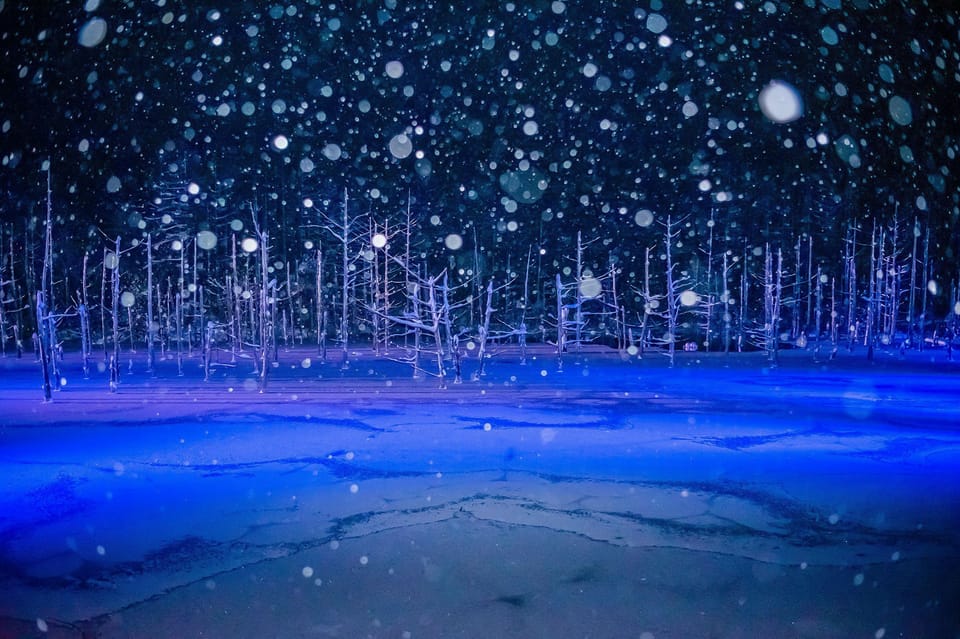
Sapporo: Biei's 5 Must-Visit Sites Day Tour (Late Departure)
A late-start day from Sapporo to five photo spots around Biei, among the rolling farm hills of central Hokkaido.
4.7(92 reviews)
- 10 to 10.5 hours
- Free cancellation
From $60per person
See prices & availability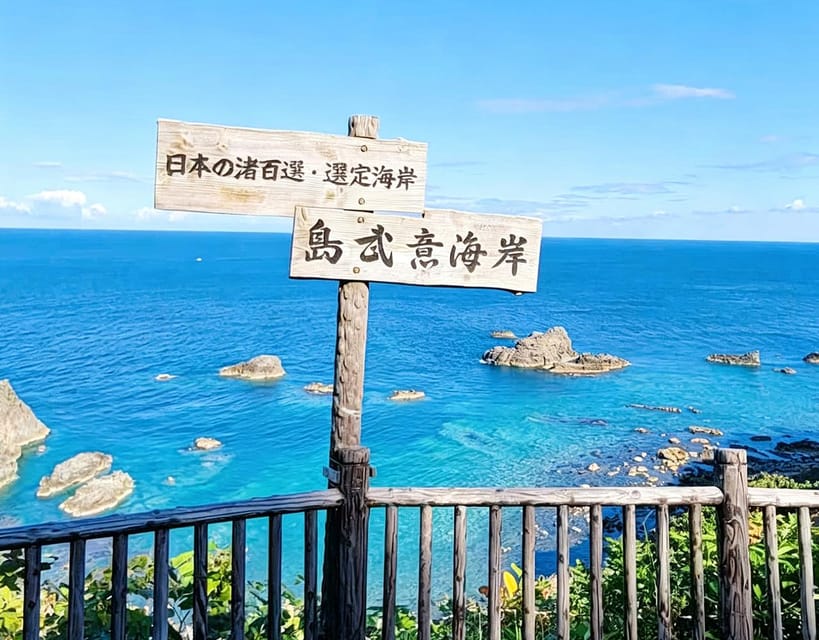
2027 Otaru, Yoichi Distillery&Cape Kamui (Shakotan) Day Trip
The Otaru canal, the whisky distillery in Yoichi and the cliffs of Cape Kamui on the Shakotan peninsula, in one day.
4.7(64 reviews)
- 10 hours
- Free cancellation
- Pickup included
From $52per person
See prices & availability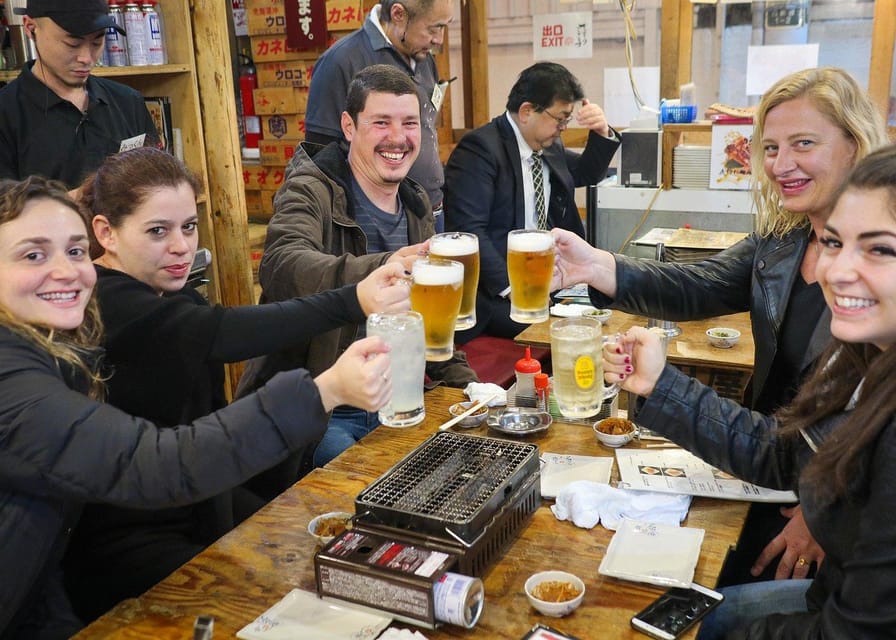
Sapporo: Guided Food Tour with 10+ Dishes and Drinks
Four hours on foot through Sapporo with a guide, tasting more than ten local dishes and drinks on the way.
4.7(23 reviews)
- 4 hours
- Free cancellation
From $100per person
See prices & availability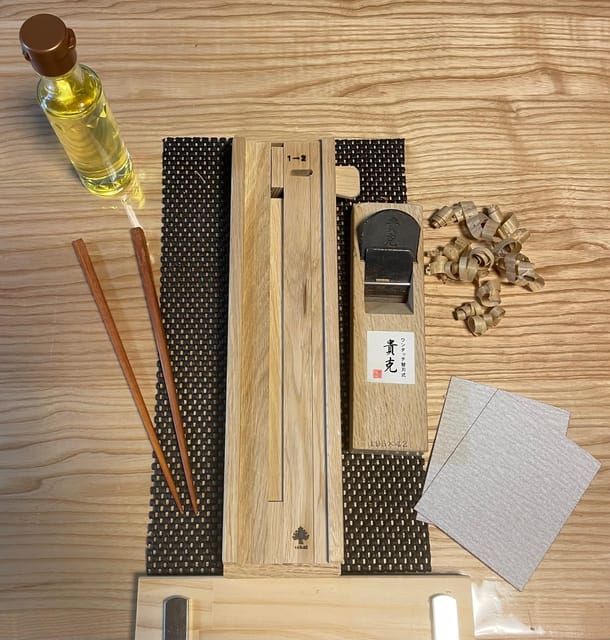
Sapporo: Chopstick-Making Workshop
A 90-minute class in Sapporo where you shape and finish your own pair of wooden chopsticks to take home.
5.0(78 reviews)
- 1.5 hours
- Free cancellation
From $41per person
See prices & availability
See more activities in Sapporo
See more activities in Hakodate
Hokkaido by season: winter snow, summer lavender and autumn leaves
Hokkaido in winter: December to March
Sapporo stays below 0 °C on average from December to February and gets about 4.8 m of snow a year. That is the season of the powder snow resorts, the Sapporo Snow Festival from 4 to 11 February 2027, the Otaru Snow Light Path, the penguin walk at Asahiyama Zoo, the cranes of Kushiro and the drift ice off Abashiri from late January. Days are short, roads are icy and some mountain roads close, so winter trips work best by train and tour bus. Our guide to Japan in winter covers the ski resorts, lift prices and what to pack.
Hokkaido in summer: late June to September
Hokkaido has no rainy season, and Sapporo averages 26.4 °C in August, when Tokyo and Kyoto are above 31 °C. It is the season for the lavender of Furano in July, hiking in Daisetsuzan and Shiretoko, road trips through Biei and Akan, and beer gardens in Odori Park. It is also the busiest time for Japanese visitors, especially during Obon in mid-August, when rental cars and hotels in Furano and Shiretoko sell out.
Hokkaido in autumn and spring
The leaves turn first in Japan here, from mid-September on the peaks of Daisetsuzan, then reach Jozankei and Sapporo around late October. Spring comes late: the snow melts in April and the cherry blossom reaches Sapporo around the start of May, a month after Tokyo. Shiretoko Five Lakes opens from late April, and Hakodate's star fort is pink with cherry trees in early May. The month-by-month detail and climate tables are on our page on the best time to visit Japan.
Things to do in Sapporo: Odori, Susukino, Nijo Market and Mount Moiwa
Sapporo, a city of nearly 2 million people built on a grid from the 1870s, is the gateway to Hokkaido and the place to eat well. Two days are enough for the sights below, and the subway links them all. Most visitors use it as a base for day trips to Otaru, Noboribetsu, Furano and Biei.
 1ノボホショコロトソ, CC BY 4.0, Wikimedia Commons
The green strip through the city centre
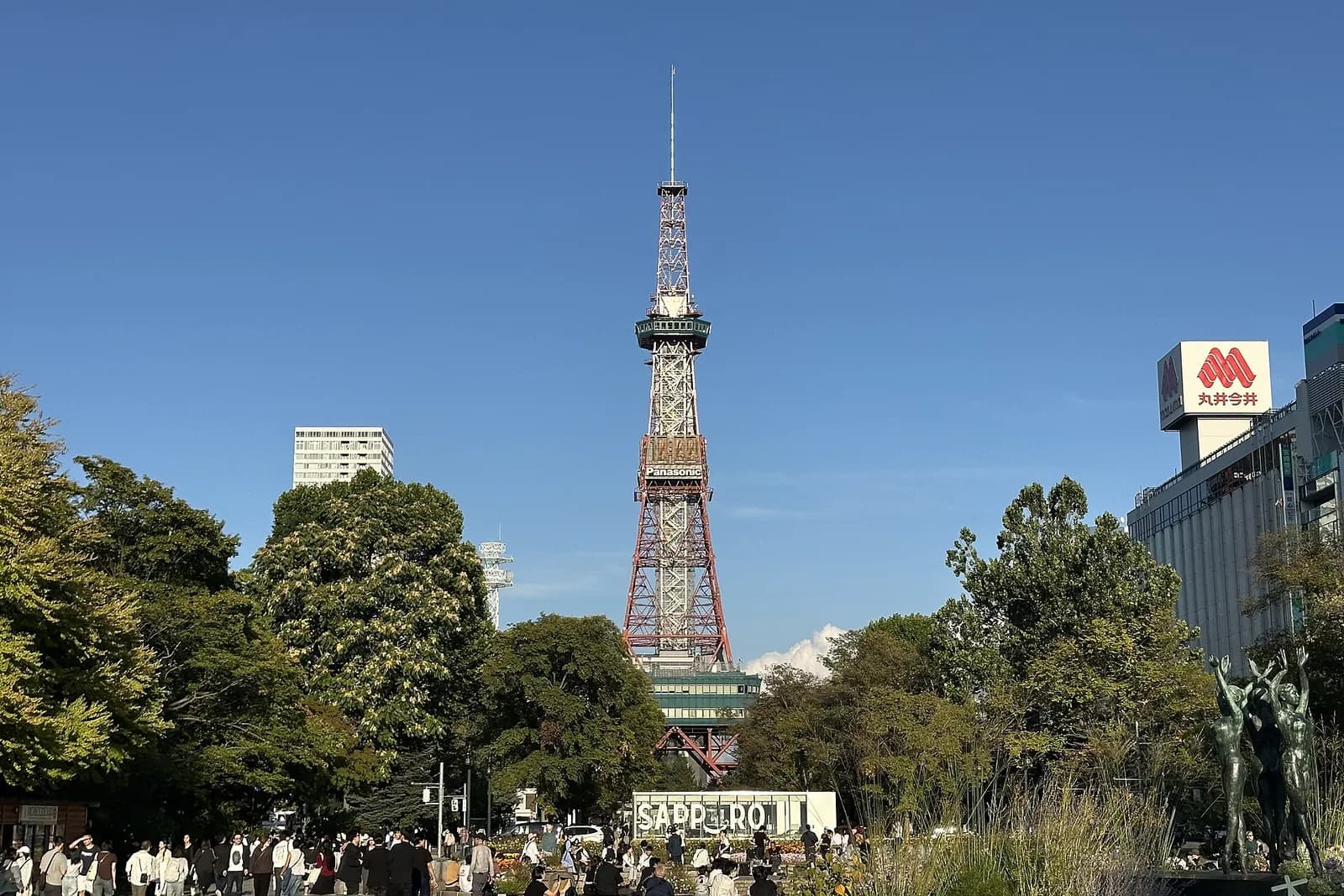
Odori Park and the Sapporo TV Tower
Odori Park runs for about 1.5 km across the centre, a strip of lawns, fountains and flower beds that hosts the Snow Festival in February, a beer garden in summer and the White Illumination in winter. The TV Tower at its east end has an observation deck at 90 metres with the whole grid of the city below. The Sapporo Clock Tower, the city's 1878 symbol, is a five-minute walk away.
- TV Tower deck
- ¥1,200 adults ($8)
- Hours
- 9:00 to 22:00, last entry 21:50
- Station
- Odori (all three subway lines)
2.
Ten minutes south of Odori on foot
Susukino and Ramen Yokocho
Hokkaido's largest nightlife district, with thousands of bars, izakaya and karaoke rooms under the big neon crossing. The narrow Ganso Ramen Yokocho alley, lined with tiny counters, is where to try miso ramen, the Sapporo style, after dark. During the Snow Festival, the ice sculptures of Susukino line the main avenue. The area is busy but safe, though touts in front of some bars are best ignored.
- Best time
- Evening
- Station
- Susukino (Namboku line)
3.
Between Odori and Susukino
Nijo Market
A covered fish market a block long, with crab, sea urchin, salmon roe and scallops on ice, and small restaurants that serve kaisendon, a bowl of rice topped with raw seafood. Go in the morning for breakfast, when the counters are fresh and the queues short. Crab prices are written by weight: ask for the total before the stallholder starts cooking, as a whole king crab can cost tens of thousands of yen.
- Best time
- Morning
- Station
- Odori or Bus Center-mae
4.
Higashi-ku, 2 km east of Sapporo Station
Sapporo Beer Museum
Japan's only beer museum sits in the red-brick building of the old Sapporo sugar factory, used by the brewery from the 1890s. The exhibits tell how a beer brewed in Hokkaido from 1876 became a national brand, and the tour ends in a tasting hall. Next door, the Sapporo Beer Garden serves jingisukan, mutton grilled on a domed iron pan, with beer by the jug. Tour and tasting prices are set on the booking page, so check them there.
- Hours
- 11:00 to 18:00, last entry 17:30
- Closed
- 31 December
- Access
- Higashi-kuyakushomae station, 10 min walk, or bus 188
5.
South-west of the centre, by tram and shuttle bus
Mount Moiwa ropeway and the night view
The best view of Sapporo is from the 531-metre summit of Moiwa, reached by a ropeway and then a small cable car. Come at sunset and stay for the lights of the city spread out to the bay. The ropeway departs every 15 minutes and runs until 22:00. Note the long maintenance closure planned for next spring, from 29 March to 28 April 2027.
- Return ticket
- ¥2,100 ropeway and cable car ($13), ropeway only ¥1,400
- Hours
- 10:30 to 22:00 (Apr to Nov), 11:00 to 22:00 (Dec to Mar)
- Closed
- 31 Dec, 1 Jan, 29 Mar to 28 Apr 2027
6.
West of the centre, Tozai line
Hokkaido Shrine and Maruyama Park
The main shrine of the island stands in a forest next to Maruyama Park, where Sapporo picnics under the cherry trees at the start of May. It is a quiet half day from the centre, with the Maruyama Zoo next door. In winter, the paths through the trees are often covered with packed snow, so wear shoes with grip.
- Entry
- Free
- Station
- Maruyama-koen (Tozai line)
7.
About an hour by bus south-west of Sapporo
Jozankei Onsen
A hot-spring town in a river gorge inside the city limits, with ryokan, free foot baths and maple-covered hillsides that turn red and gold in October. A day-use bath at one of the hotels makes an easy half day from Sapporo, and a night in a ryokan with dinner is the classic way to end a winter trip. The Hill of the Buddha, a giant statue surrounded by lavender mounds designed by Tadao Ando, is on the same side of the city.
- Access
- Bus from Sapporo Station, about 1 h
- Best time
- October, or winter for a snowy bath
 View on Google Maps
Sapporo Snow Festival 2027
The Sapporo Snow Festival (Yuki Matsuri) runs from Thursday 4 to Thursday 11 February 2027 on three sites. Odori Park has the giant snow and ice sculptures along 1.5 km of the city centre, lit until late evening. Susukino has the ice sculptures in the nightlife district, and Tsudome, out of the centre, has snow slides for children. Entry is free. Hotels in Sapporo fill months ahead for that week, so book as soon as your dates are fixed.
Otaru: canal, sushi and a day trip from Sapporo
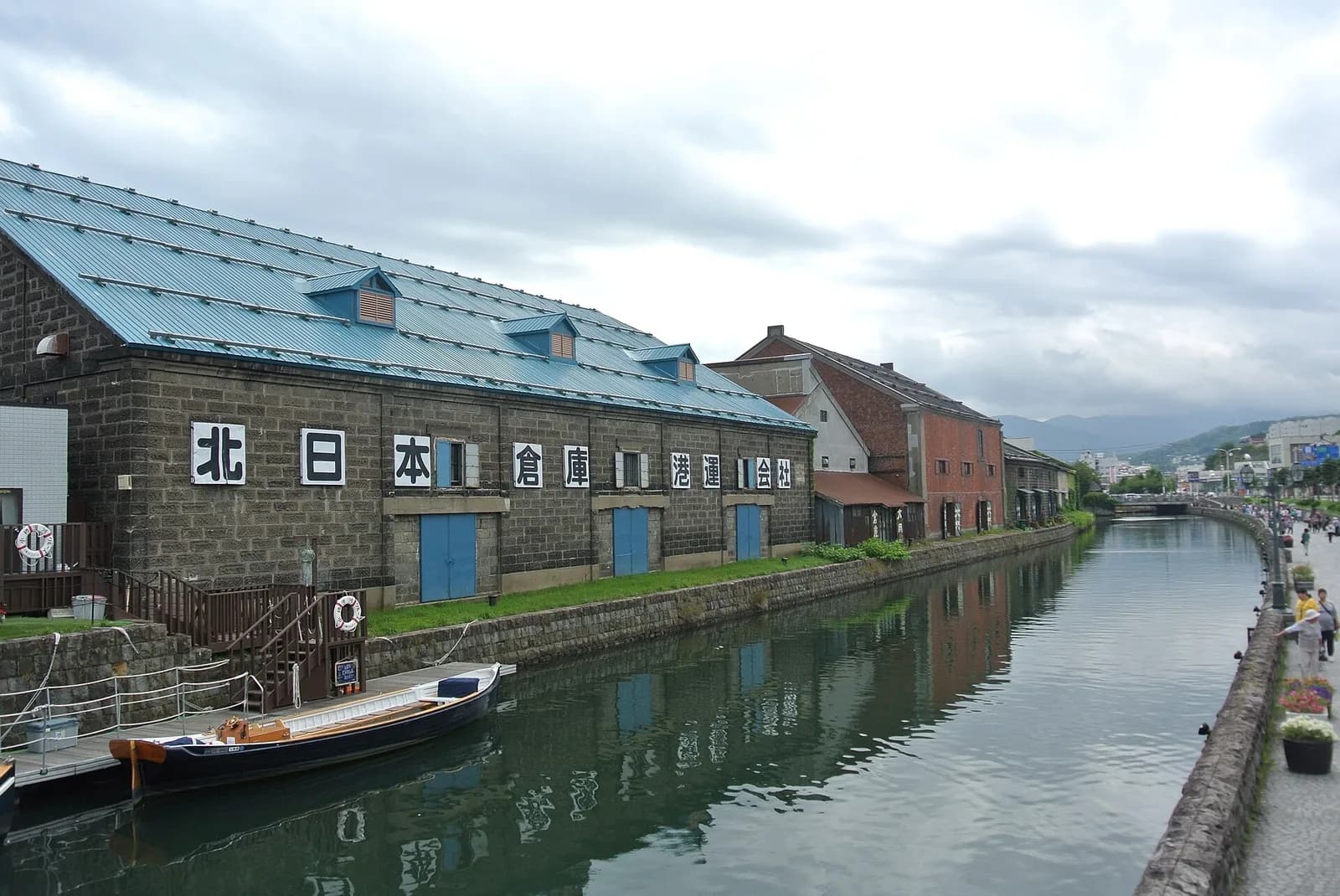
Otaru is the easiest day trip from Sapporo: about 40 minutes by JR rapid train, with sea views along the way. The old port grew rich on herring and trade a century ago, and its stone warehouses along the canal are now restaurants and shops. Walk the canal, then Sakaimachi Street with its glass workshops, music box museum and Kitaichi glass lamps, and have sushi on Sushiya-dori, where the fish comes from the harbour below. In February, the Snow Light Path lines the canal and the old railway with candles, usually in the same week as the Sapporo festival, though its 2027 dates were not published on 14 November 2026.
Thirty minutes further west, Yoichi has the Nikka whisky distillery, and the Shakotan peninsula beyond it has cliffs and blue coves where sea urchin bowls are sold in summer. Both are hard to combine with Otaru by public transport, which is where a day tour helps.
Furano and Biei: lavender fields, the Blue Pond and the patchwork hills
In the centre of the island, Furano and Biei are farm towns in a basin below the Tokachi range, 40 minutes apart by the JR Furano line. In July they are the most visited countryside in Hokkaido, and in winter Furano becomes a ski resort with dry snow and real town life after the lifts close. Plan one full day for both, or a night in Furano to see the fields in the evening light.
1.
Nakafurano, the lavender farm that started the craze
Farm Tomita
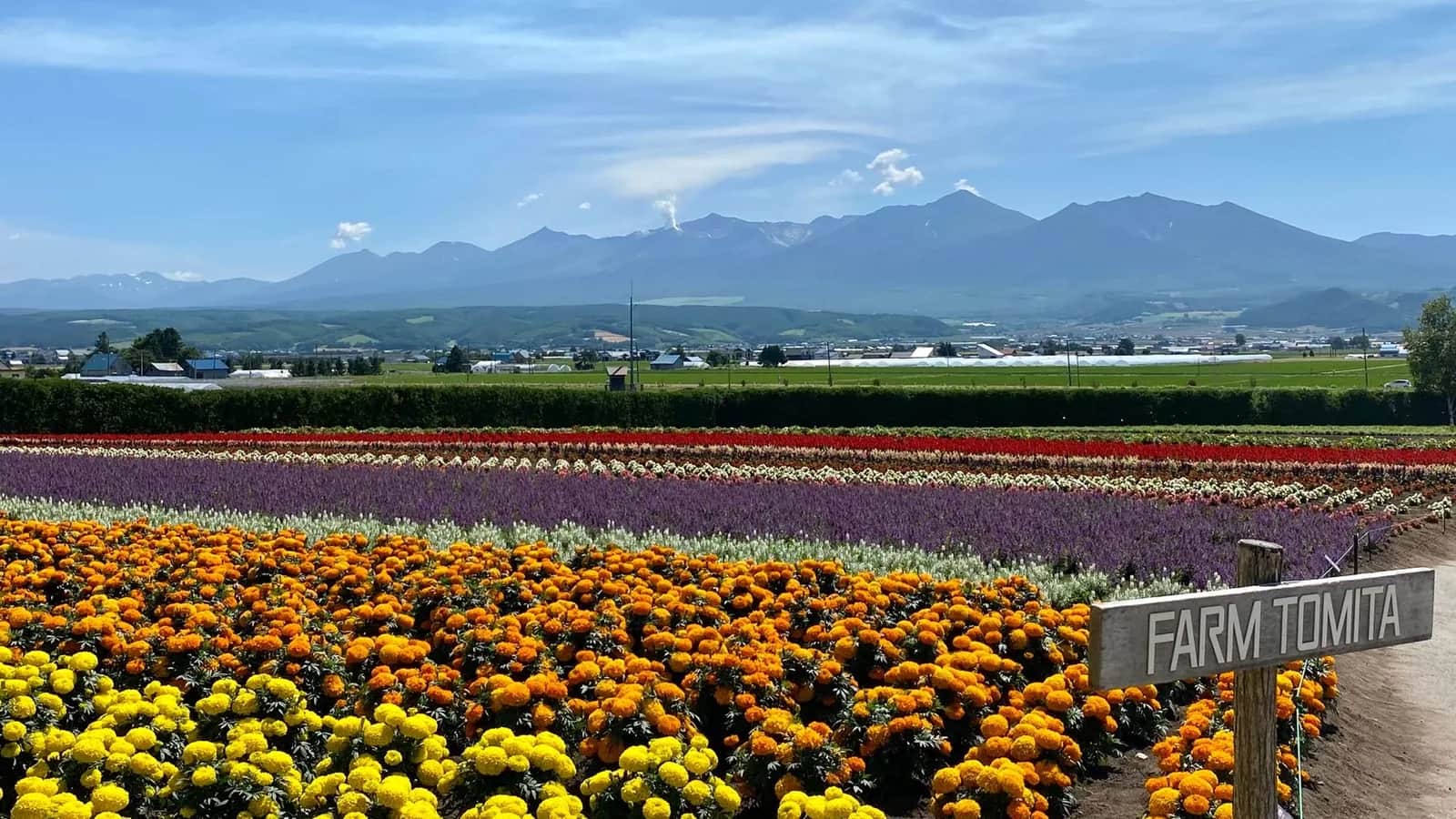
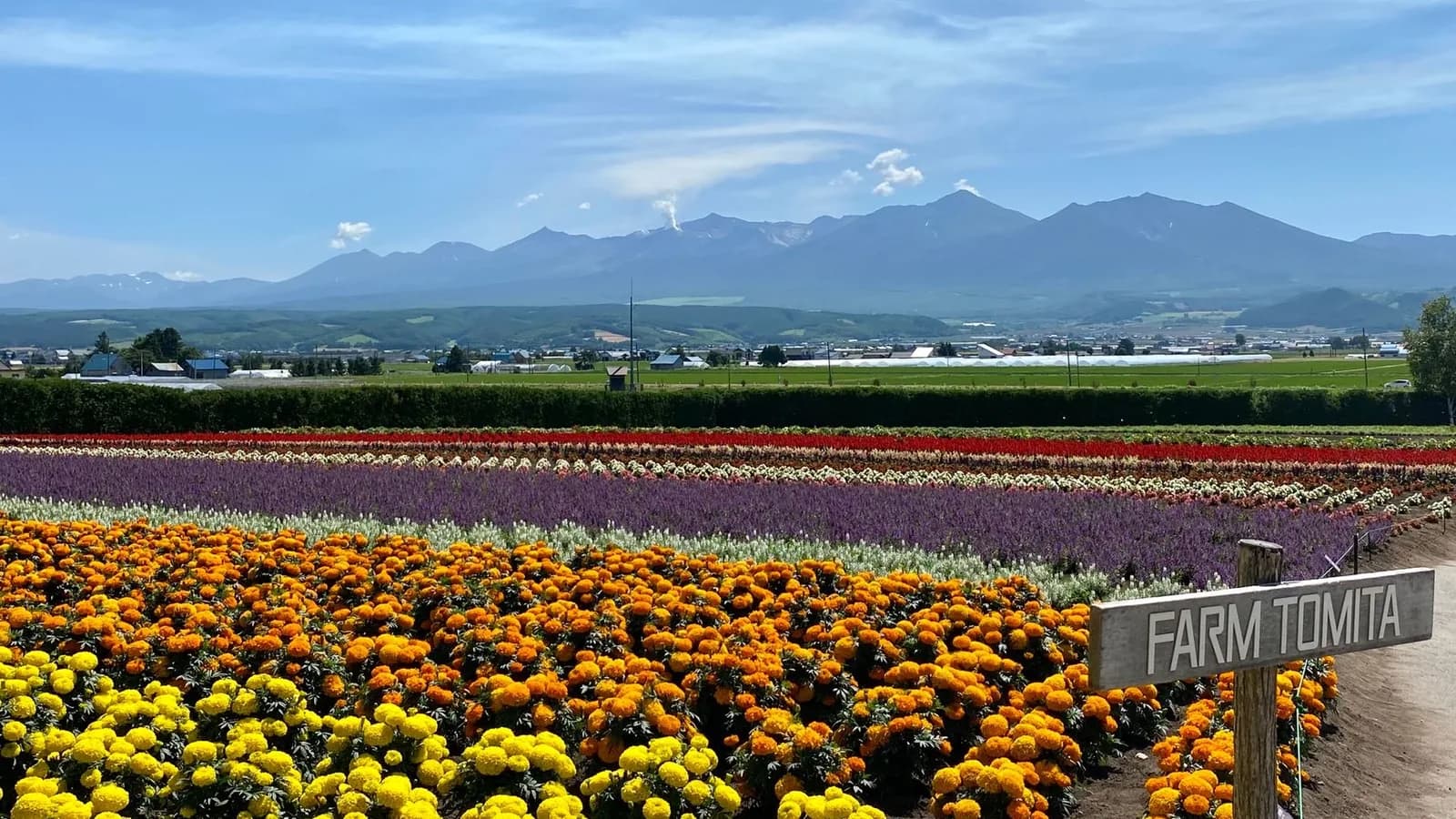
The farm that made Furano famous for lavender, with stripes of purple, red, white and orange flowers on a slope facing the Tokachi mountains. The lavender peaks in July, with the other flower beds in colour from June to September. In bloom season, JR runs the Furano Biei Norokko, a slow sightseeing train with open windows, which stops at the temporary Lavender Farm station a short walk away.
- Hours
- 9:30 to 16:30 (check by season)
- Norokko train 2026
- 6 to 7 June, 13 June to 11 August, weekends to 13 September, 19 to 23 September
- Access
- Nakafurano station, 25 min on foot
 2Photo AndyLeungHK, CC0, Wikimedia Commons
About 20 minutes by car from Biei
Shirogane Blue Pond
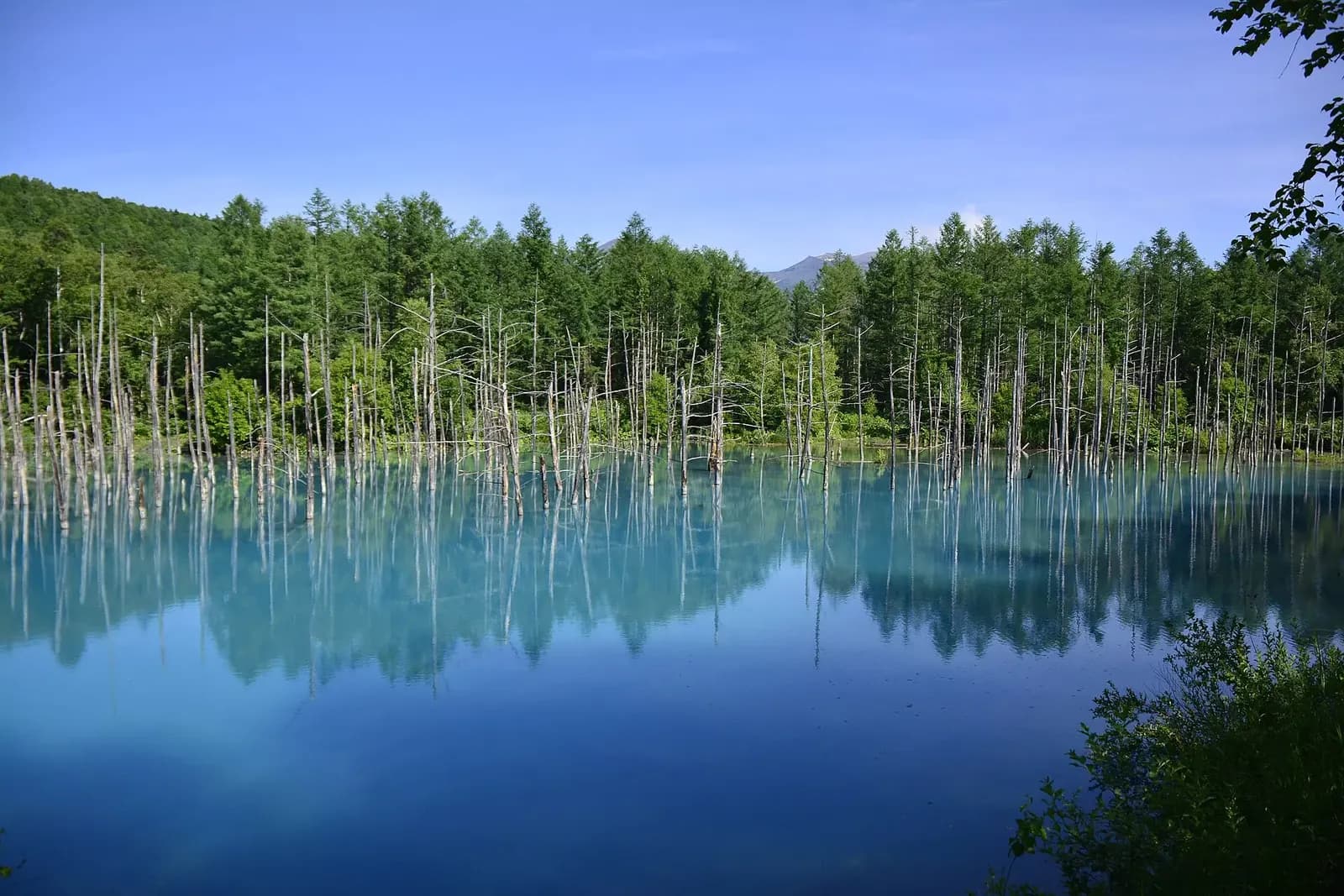
A man-made pond in the forest below Mount Tokachi, where dead larch trunks stand in water coloured a milky blue by minerals from the volcano. The colour changes with the weather and is at its best on a clear, windless morning. From late October to late April, the pond is lit after sunset until 21:00. Parking is paid, with a new fare introduced on 1 July 2026.
- Illumination
- 25 October to 23 April, sunset to 21:00
- Parking hours
- 7:00 to 19:00 (May to Oct), 8:00 to 21:30 (Nov to Apr)
- Bus
- Dohoku bus from Asahikawa or Biei
3.
Around the town of Biei
Biei hills: the Patchwork Road and Panorama Road
Biei's farmland rolls in waves of wheat, potatoes and sunflowers, with lone trees that became famous from TV ads. The two scenic loops, the Patchwork Road to the north-west and the Panorama Road to the south-east, are best done by car or rented bicycle. The fields are private: stay on the road, never walk into the crops for a photo, and park only where it is allowed.
- Best time
- June to October, or snowy fields in winter
- Getting around
- Car or rented bicycle
Asahikawa and Asahiyama Zoo: penguins in the snow and Asahikawa ramen
Asahikawa, Hokkaido's second city, is about 1 h 25 from Sapporo by Lilac or Kamui limited express and the base for Biei, Furano and Daisetsuzan. Its main sight is Asahiyama Zoo, famous for letting visitors watch animals from tunnels and glass domes, with polar bears, seals swimming through a vertical tube and, on snowy winter days, the king penguins taking a walk along the paths among the visitors.
| Asahiyama Zoo | Dates | Hours |
|---|---|---|
| Winter season | 11 November to 29 December 2026, then 2 January to 7 April 2027 | 10:30 to 15:30, last entry 15:00 |
| Summer season 2027 | 29 April to 15 October | 9:30 to 17:15, last entry 16:00 |
| Autumn season 2027 | 16 October to 3 November | 9:30 to 16:30 |
| Evening openings 2027 | 5 to 7 February and 10 to 16 August | Late opening |
| Adult ticket | ¥1,000 ($6), free for children of junior high age and under | |
The zoo closes between seasons, in April and early November, and from 30 December to 1 January. In the city, try Asahikawa shoyu ramen, a soy sauce broth with a layer of lard on top that keeps it hot in the cold.
Daisetsuzan National Park: Asahidake, Kurodake and the first autumn leaves in Japan
Daisetsuzan is the largest national park in Japan, a high volcanic plateau in the middle of the island with Asahidake, at 2,291 m the highest peak in Hokkaido. Two ropeways do most of the climbing for you: the Asahidake ropeway from Asahidake Onsen, about 1 h 30 by road from Asahikawa, to a plateau of steaming vents and alpine ponds, and the Kurodake ropeway and chairlift from Sounkyo Gorge, on the other side. From the top stations, marked trails lead to the summits in a few hours.
The season is short. Snow lingers into July, the alpine flowers bloom from July to August, and the leaves turn from mid-September, the earliest autumn colour in Japan. Weather changes fast at this altitude, and this is brown bear country: read the section on bears and hiking safety before you go.
Noboribetsu, Lake Toya and Lake Shikotsu: onsen and volcanoes south of Sapporo
Shikotsu-Toya National Park, south of Sapporo, is the closest volcanic landscape to the city and to New Chitose Airport. Noboribetsu and Lake Toya sit on the JR line to Hakodate, so they make a natural stop on the way. Our guide to ryokan and onsen explains how to book a night with dinner and the bath etiquette, tattoos included.
 1Calistemon, CC BY-SA 4.0, Wikimedia Commons
About 1 h 10 by limited express from Sapporo
Noboribetsu Onsen and Jigokudani (Hell Valley)
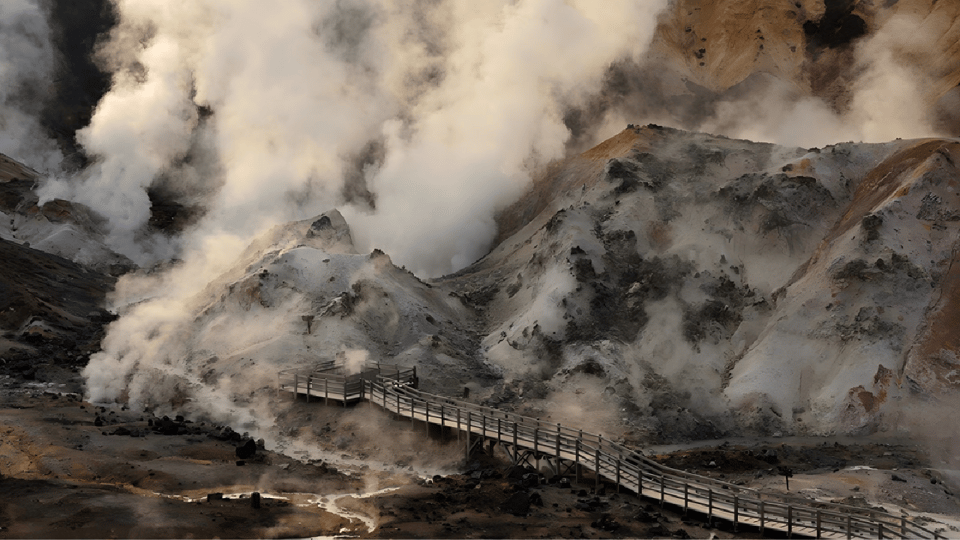
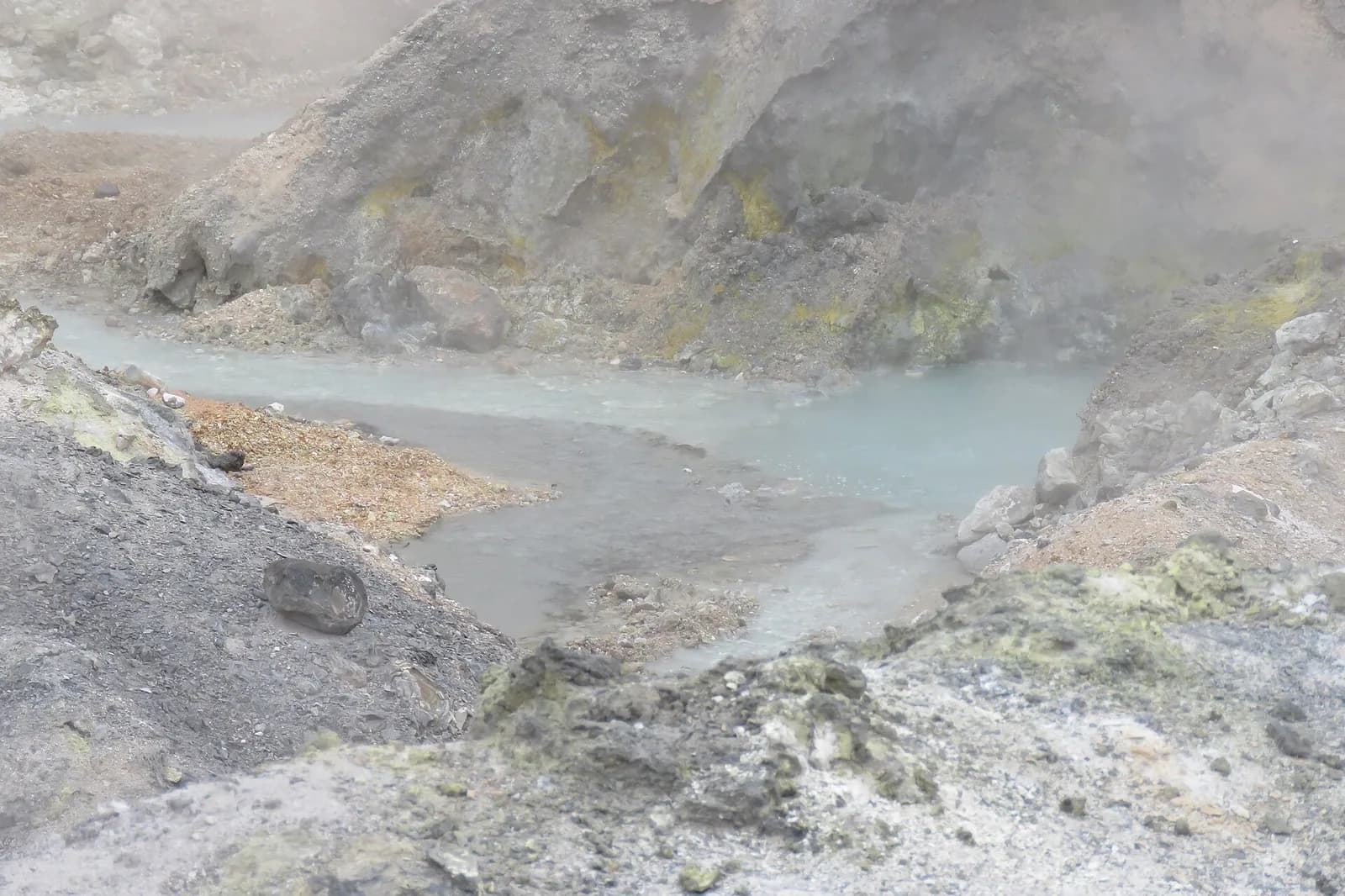
Hokkaido's best-known hot-spring town sits above a crater valley of steaming vents and sulphur-yellow rocks, crossed by wooden walkways. A path leads on to Oyunuma, a pond of grey boiling water, and to a natural foot bath in a warm river. The town's big hotels pipe several types of spring water into their baths. The local tourist office runs a guided Jigokudani Backyard Tour for ¥5,000 per person.
- Train
- Noboribetsu station, then 15 min by bus
- Guided tour
- ¥5,000 per person
 2Photo Kentaro Ohno, CC0, Wikimedia Commons
One hour by road west of Noboribetsu
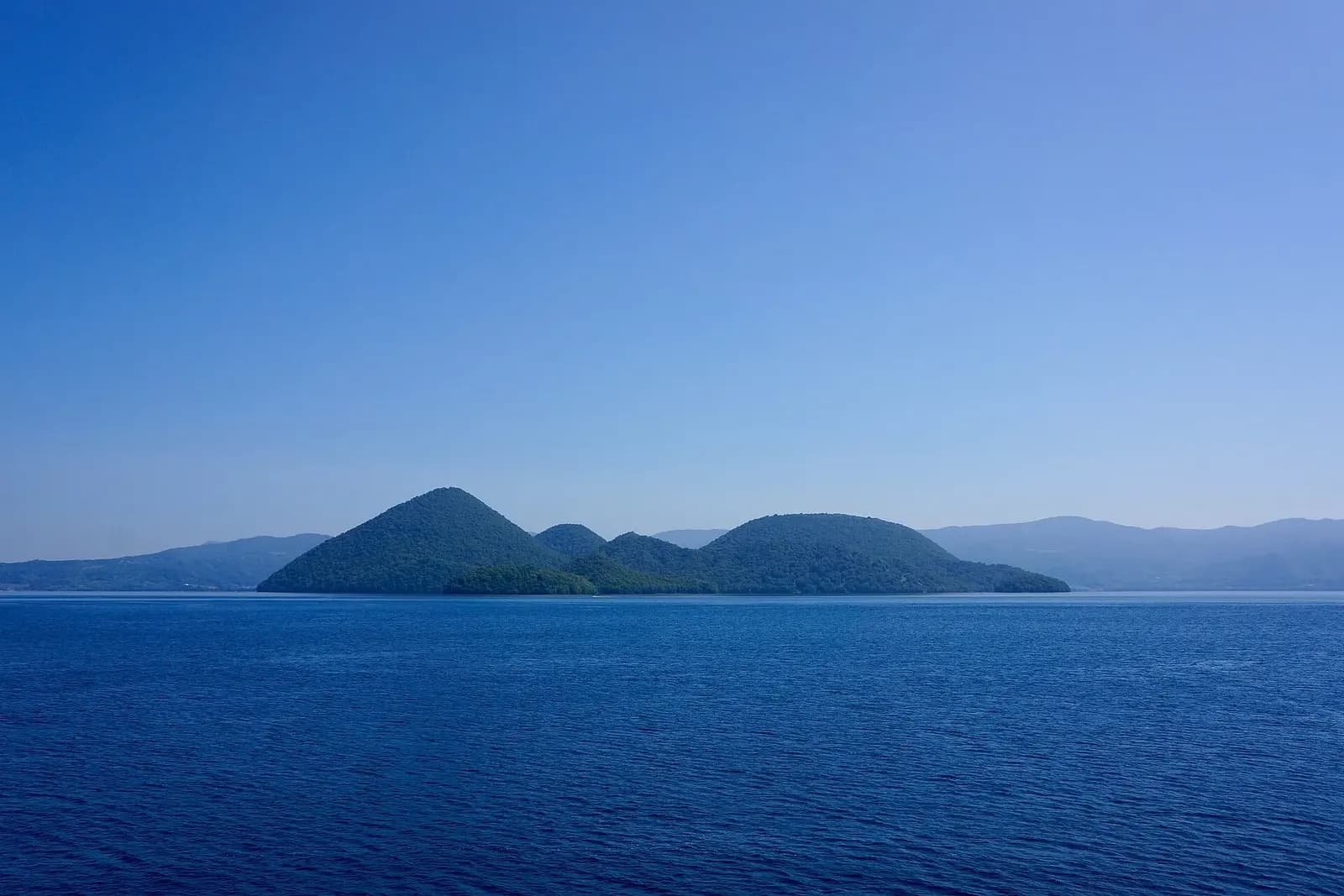
Lake Toya and Mount Usu
A round caldera lake with an island in the middle and the active Mount Usu on its southern shore. A ropeway climbs Usu for the view over the crater and the lake, and walking trails cross the ground lifted by the 2000 eruption, with damaged buildings left as they were. Lakeside onsen hotels make Toya a calmer base than Noboribetsu.
- Access
- JR Toya station, then bus to the lake
- Best time
- May to October
3.
40 minutes by road from New Chitose Airport
Lake Shikotsu
One of the clearest and deepest lakes in Japan, ringed by forested volcanoes, and the closest wild landscape to the airport. In summer you can kayak, take a glass-bottom boat or climb Mount Tarumae. In winter, the lakeside village builds an ice festival with sculptures made from frozen lake water. It is a good first or last night if your flight lands late or leaves early.
- Access
- Bus from Chitose, or by car
- Best time
- Summer, or January to February for the ice festival
4.
Shiraoi, between Sapporo and Noboribetsu
Upopoy, the National Ainu Museum
The national museum and park of the Ainu, the indigenous people of Hokkaido, opened in 2020 on the shore of Lake Poroto. Exhibitions written from the Ainu point of view, dance performances, crafts and a reconstructed village explain a culture that most visitors never meet elsewhere in Japan. It sits next to the JR line, so it fits on the way to Noboribetsu.
- Train
- Shiraoi station, 10 min on foot
- Time needed
- Half a day
Things to do in Hakodate: the night view, the morning market and Goryokaku
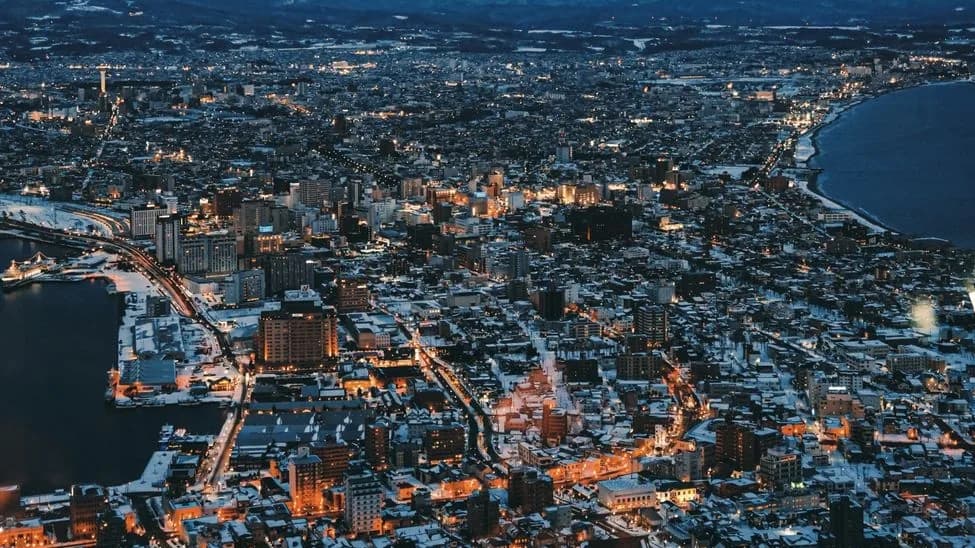
At the southern tip of Hokkaido, Hakodate was one of the first Japanese ports opened to foreign trade in 1859, and it still has the Western churches, consulates and brick warehouses of that time. It is the first stop in Hokkaido for travellers coming by Shinkansen, and an easy two days.
- Mount Hakodate: the ropeway climbs to the view over the narrow neck of the city between two bays, one of the most famous night views in Japan. A return ticket costs ¥1,800 ($11). The last ride up is at 21:30 from 20 April to 30 September and 20:30 from 1 October to 19 April. Go up before sunset, as the deck gets crowded.
- Hakodate Morning Market: next to the station, with squid you catch yourself from a tank and bowls of sea urchin, crab and salmon roe for breakfast.
- Goryokaku: a star-shaped Western-style fort from the 1860s, best seen from the Goryokaku Tower next to it, and pink with cherry blossom in early May.
- Motomachi and the Bay Area: the slopes below the mountain with the Orthodox church and the old public hall, and the red-brick warehouses on the harbour.
Also try Hakodate shio ramen, a clear salty broth, and the Lucky Pierrot burger chain, which exists only in the Hakodate area.
Shiretoko National Park: the Five Lakes, bear-watching cruises and World Heritage wilderness
At the north-eastern tip of the island, the Shiretoko peninsula is a UNESCO World Heritage site since 2005, listed for the link between sea ice, salmon rivers and land wildlife. It has one of the highest densities of brown bears in the world, with deer, foxes and sea eagles. No road reaches the tip: the way to see the wild coast is a cruise from Utoro, where boats often spot bears on the shore in summer and autumn.
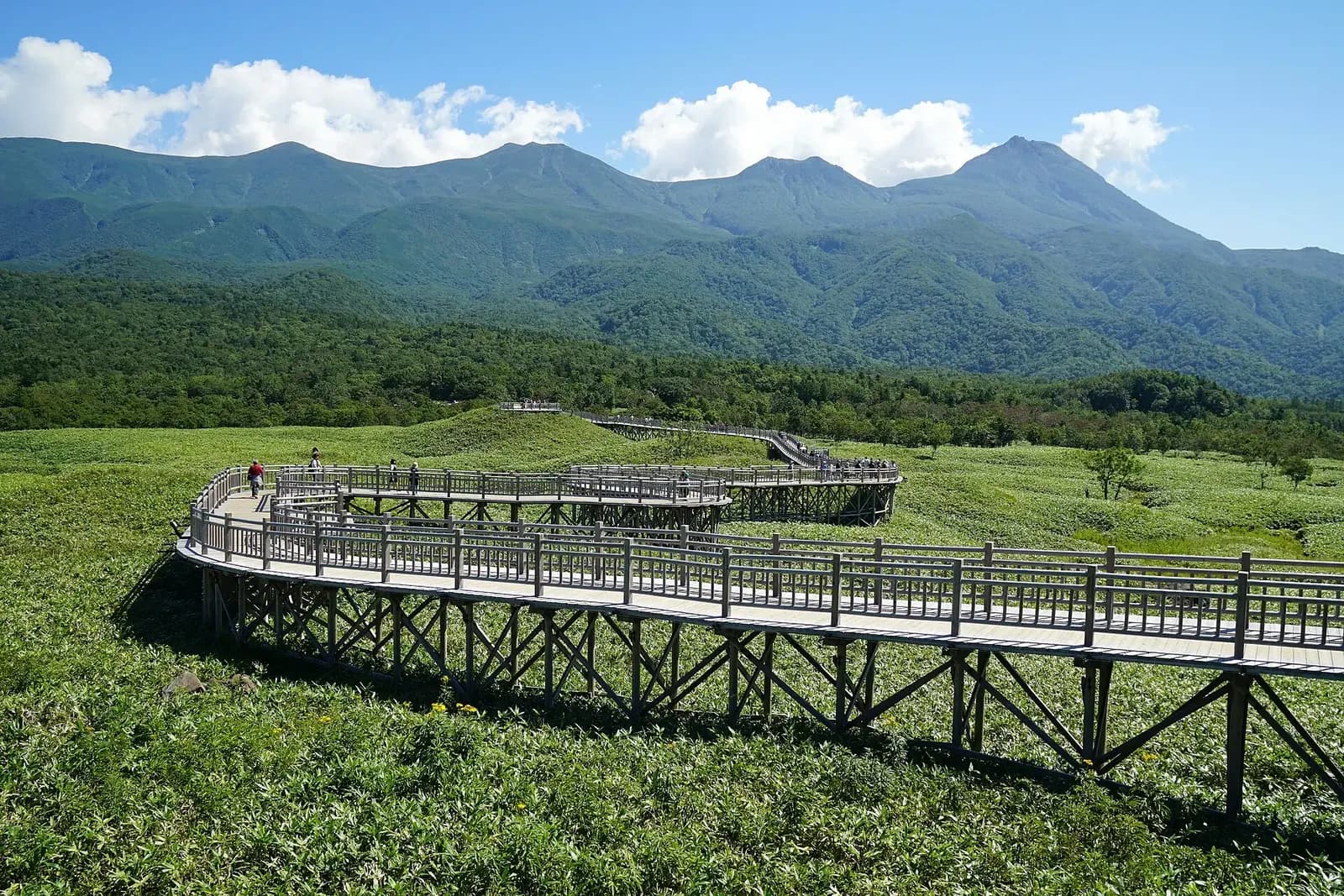
Shiretoko Five Lakes, 14 km from Utoro, is the main walk. An elevated boardwalk of about 1.6 km return, free and open to all, leads to the first lake with views of the Shiretoko mountains, in about 40 minutes, and is fenced against bears. The ground trails around the five lakes are another matter: from 10 May to 31 July, the bears' active season, they are open only with a licensed guide, and outside that period they can close at any time when a bear is seen. The park opens from late April to early November. Utoro is about 6 hours by road from Sapporo, or 2 hours from Memanbetsu Airport, so plan two nights.
Akan and Kushiro: caldera lakes, Ainu culture and red-crowned cranes
Akan-Mashu National Park, south of Shiretoko, has three caldera lakes, each different. Lake Mashu is famous for its deep blue water and for being hidden by fog on many days. Lake Kussharo, the largest, has hot sand on its beaches and the steaming slopes of Iozan nearby. Lake Akan has the green marimo moss balls and Akanko Ainu Kotan, the largest Ainu village in Hokkaido, with craft shops and dance performances.
Further south, the Kushiro Wetland is the largest marsh in Japan and the home of the red-crowned crane, the tancho, symbol of long life. In winter, from about December to February, the cranes gather at feeding grounds such as Tsurui and Akan, where they perform their courtship dances in the snow. Kushiro is about 4 hours by train from Sapporo, and the area is best explored by car.
Abashiri and the drift ice: icebreaker cruises from late January
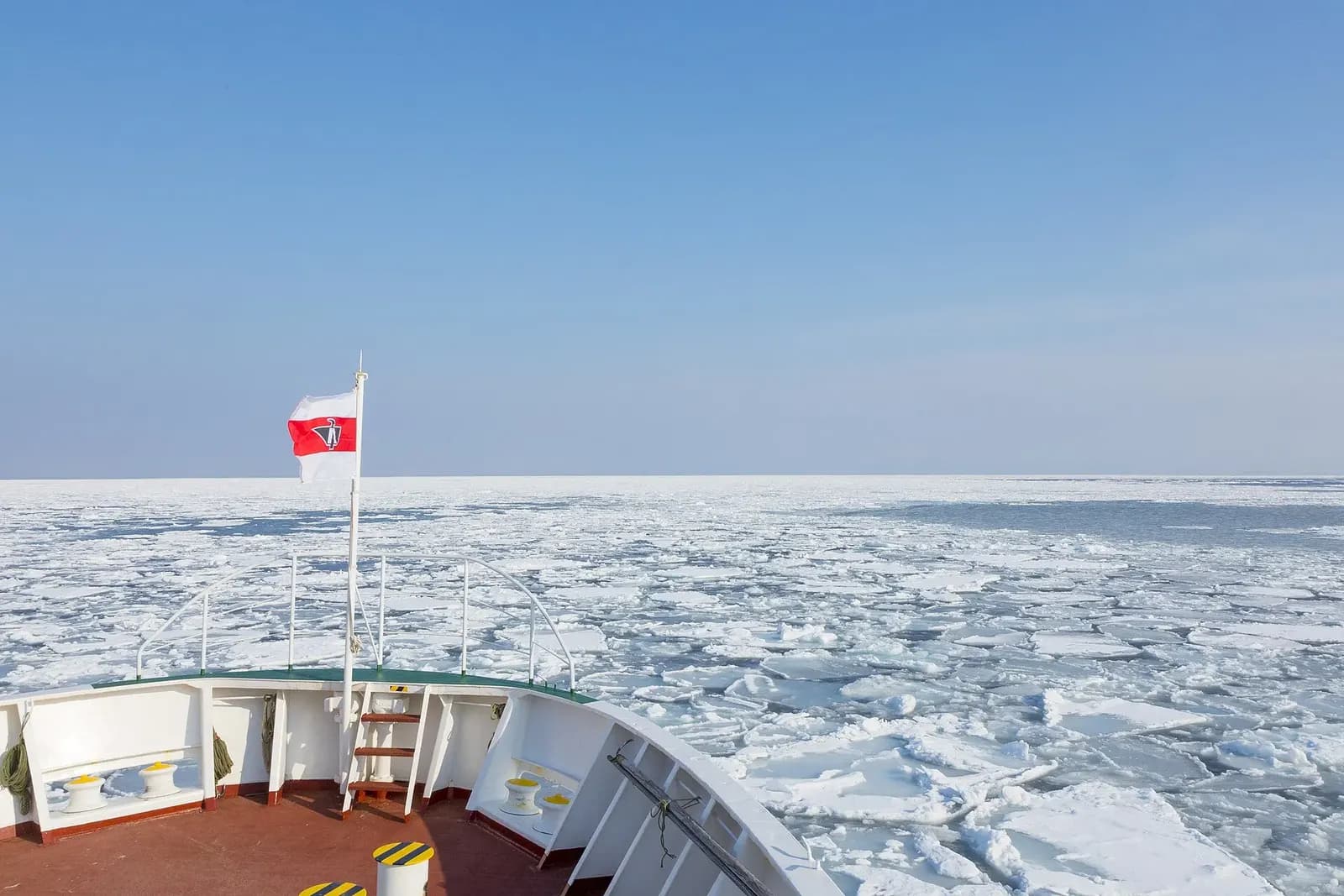
From late January, sea ice drifts down from the Sea of Okhotsk onto the coast of eastern Hokkaido, the southernmost point in the northern hemisphere where the sea freezes like this. In Abashiri, the icebreaker Aurora sails through it from 20 January to 31 March: the large ship takes about an hour for ¥7,000 (about $44) per adult, the smaller Aurora 3 about two hours for ¥9,800. The ice depends on the wind, so allow two days in the area in February, when it is most reliable.
Abashiri also has the Abashiri Prison Museum, the old wooden jail where convicts were sent to build the roads of the island in the Meiji era, and the Okhotsk Ryuhyo Museum, where you can touch real drift ice all year. Memanbetsu Airport, 30 minutes away, has direct flights from Tokyo.
Niseko: Hokkaido's best-known ski resort
Niseko, about 2 hours from Sapporo or New Chitose by road, is the resort that made Japanese powder snow famous worldwide, on the slopes of Mount Annupuri facing the volcano Yotei. It is also the most international and expensive place to ski in Japan, and it has its own guide: Niseko, ski areas, lift passes and where to stay.
What to eat in Hokkaido: crab, soup curry and Sapporo ramen
Hokkaido feeds Japan: it produces about half of the country's milk and much of its potatoes and seafood. A food trip alone justifies the flight.
- Crab: hairy crab (kegani), king crab (tarabagani) and snow crab, boiled or grilled, sold in Nijo Market, the Hakodate morning market and crab restaurants. Prices are by weight and high for king crab.
- Seafood bowls: kaisendon with sea urchin, salmon roe and scallops, at its best in Otaru, Hakodate and on the Shakotan coast in summer.
- Sapporo miso ramen: a rich miso broth with thick curly noodles, sweetcorn and butter. Asahikawa makes soy sauce ramen and Hakodate salt ramen.
- Soup curry: a Sapporo invention of the 1970s, a thin spicy curry broth with large chunks of vegetables and chicken on the bone, and rice on the side. You choose the spice level.
- Jingisukan: lamb and mutton grilled on a domed pan with vegetables, the dish of the Sapporo Beer Garden.
- Dairy and sweets: soft-serve ice cream on every farm road, Yubari melon in summer, and the chocolate biscuits of Shiroi Koibito and Royce, sold at New Chitose Airport.
How to get to Hokkaido: New Chitose Airport or the Shinkansen to Hakodate
Flying is the quickest way. Tokyo to Sapporo is one of the busiest air routes in the world, about 1 h 30 from Haneda or Narita, with cheap fares on low-cost airlines. New Chitose Airport (CTS) also has direct flights from Seoul, Taipei, Hong Kong, Bangkok and Singapore. From the airport, the JR Rapid Airport train reaches Sapporo Station in about 40 minutes. For eastern Hokkaido, fly straight to Memanbetsu (Abashiri and Shiretoko), Kushiro or Asahikawa. Our guide to flights to Japan compares airlines and the cheapest months.
By train, the Hayabusa Shinkansen links Tokyo to Shin-Hakodate-Hokuto in about 4 hours for about ¥24,000 ($150), through the 54 km Seikan Tunnel under the strait. The line stops there for now: the extension to Sapporo has been pushed back to the end of fiscal 2038 at the earliest, so Sapporo is another 3 to 4 hours by Hokuto limited express. Our Shinkansen guide has the fares and seat tips. The nationwide Japan Rail Pass covers the whole trip.
Getting around Hokkaido: train, Hokkaido Rail Pass or rental car
Hokkaido is big: Sapporo to Shiretoko is about 6 hours by road, and the JR network thins out east of Asahikawa, with a few limited expresses a day and long gaps between them. Approximate travel times from Sapporo:
| From Sapporo to | By JR train | By car |
|---|---|---|
| Otaru | About 40 min | About 45 min |
| Noboribetsu | About 1 h 10 | About 1 h 15 |
| Asahikawa | About 1 h 25 | About 1 h 45 |
| Furano | About 2 h, with a change | About 2 h |
| Hakodate | About 3 h 40 to 4 h | About 4 h |
| Kushiro | About 4 h | About 4 h 30 |
| Abashiri | About 5 h 20 | About 5 h |
| Utoro (Shiretoko) | No train | About 6 h |
Hokkaido Rail Pass prices in 2026
The Hokkaido Rail Pass costs ¥22,000 for 5 days, ¥28,000 for 7 days and ¥37,000 for 10 days ($138, $175, $231) bought in advance, and ¥1,000 more at a station in Hokkaido. Children aged 6 to 11 pay half. It covers all JR Hokkaido trains and some JR buses, with limited express seats to reserve before boarding, but not the Hokkaido Shinkansen, trams or the Sapporo subway. For Sapporo, Otaru, Furano, Biei and Asahikawa only, the 4-day Sapporo-Furano Area Pass costs ¥11,000 ($69). Both require a passport, prices as read on the JR Hokkaido website on 14 November 2026.
Renting a car in Hokkaido
For Biei, Shiretoko, Akan and Kushiro, a car is the best option: roads are wide and empty, and the Hokkaido Expressway Pass costs ¥7,700 for 4 days for a standard car. A four-day rental with insurance and that pass came to about ¥48,510 ($303) before fuel in our example. In winter, ask for studless tyres and four-wheel drive, keep to the speed limits on ice and watch for deer at night. Many travellers take the train to Asahikawa or Kushiro and rent a car there. Our car rental guide covers licences, prices and tolls.
How many days in Hokkaido: 5-day, 7-day and 2-week routes
5 days: Sapporo, Otaru, Furano and Biei
Two days in Sapporo for Odori, Nijo Market, the Beer Museum and Mount Moiwa at night, a day trip to Otaru, then two days in the centre with a night in Furano or Asahikawa for Farm Tomita, the Blue Pond and Asahiyama Zoo. All of it works by train with the Sapporo-Furano Area Pass, plus a bus or tour for the Blue Pond.
7 days: add Noboribetsu and Hakodate
After the five days above, take the train south: a night in an onsen hotel in Noboribetsu, with a stop at Upopoy on the way, then two nights in Hakodate for the night view and the morning market. From Hakodate, continue by Shinkansen to Tokyo, which saves the flight back. The 7-day Hokkaido Rail Pass at ¥28,000 covers the JR part, but not the Shinkansen.
10 days to 2 weeks: the east by car
Add four or five days in the east, by car from Asahikawa or Memanbetsu: two nights in Utoro for the Shiretoko Five Lakes and a cruise, one at Lake Akan or Kawayu Onsen for Mashu and Kussharo, one in Kushiro for the wetland. In February, swap Shiretoko's summer trails for the drift ice cruise in Abashiri and the cranes of Tsurui. Fly back from Kushiro or Memanbetsu to Tokyo to avoid driving back west.
Hokkaido is often added at the end of a first trip to Japan, after Tokyo and Kyoto. Our guide to things to do in Japan helps balance it with the rest of the country.
Brown bears in Hokkaido: hiking safety in Shiretoko and Daisetsuzan
Hokkaido is the only part of Japan with brown bears, the same species as the grizzly, and sightings have risen in recent years, including on the edges of Sapporo. In summer 2025, a hiker was killed by a bear on the Rausu-dake trail in Shiretoko, Japan's Ministry of the Environment notes. Attacks are rare, but on any trail outside the cities:
- Carry a bear bell and talk or clap where you cannot see far, so a bear hears you coming.
- Hike in a group, in daylight, and avoid dawn and dusk.
- Never leave food or rubbish behind, and never feed or approach a bear, even from a car.
- Check trail closures at the visitor centre the same day: trails close when a bear is seen.
- If you see a bear, do not run. Back away slowly while facing it. Bear spray is sold in outdoor shops in Hokkaido but cannot go in checked or cabin luggage on planes.
Hokkaido budget per day for tourists in 2026
Our estimates per person and per day, two people sharing a room, at 160 yen to the dollar. They exclude flights to Hokkaido, ski passes and shopping.
| Per person, per day | Budget | Mid-range | Comfort |
|---|---|---|---|
| Where you sleep | Hostel, business hotel: ¥5,000 | 3-star hotel: ¥9,000 | Onsen ryokan with dinner: ¥25,000 |
| Food | ¥3,000 | ¥6,000 | ¥12,000 with crab |
| Transport | Rail pass: ¥4,400 | Rail pass and buses: ¥5,500 | Shared rental car: ¥7,000 |
| Sights and tickets | ¥1,500 | ¥3,000 | ¥6,000 with a cruise or tour |
| Total | about ¥13,900 ($87) | about ¥23,500 ($147) | about ¥50,000 ($313) |
Sapporo hotels are usually cheaper than in Tokyo, except in Snow Festival week, when prices jump. Furano in July, Niseko in winter and Shiretoko in August are the expensive places. Our Tokyo guide has the same table for comparison. For mobile data on the road, where coverage drops in the mountains, see our guide to the best eSIM for Japan.