- average first bloom in Tokyo, with full bloom on 31 March (JMA normals, 1991-2020)
- 24 March
- when the Japan Meteorological Corporation usually releases its first forecast. The 2027 one was not out on 14 November 2026
- Mid-December
- the national season, from Naha in Okinawa to Sapporo in Hokkaido, on average
- 16 Jan to 6 May
On this page
Cherry blossom in Japan peaks in late March and early April in Tokyo, Kyoto and Osaka. On the official averages, Tokyo opens on 24 March and reaches full bloom on 31 March, and the front then moves north to Sapporo in early May. For 2027, the first forecast is expected around mid-December 2026, so the safe plan is a trip from about 25 March to 8 April with refundable hotels.
Cherry blossom tours and activities in Japan
These tours run in cherry blossom season or pass the best-known spots, from the Sumida River in Tokyo to Mount Yoshino.

Tokyo: Sumida River Cherry Blossom Cruise & Japanese Cuisine
A 100-minute Sumida River cruise on limited spring dates, with a Japanese meal and a show on board. The bloom itself is never guaranteed.
4.6(104 reviews)
- 100 minutes
- Free cancellation
From $74per person
See prices & availability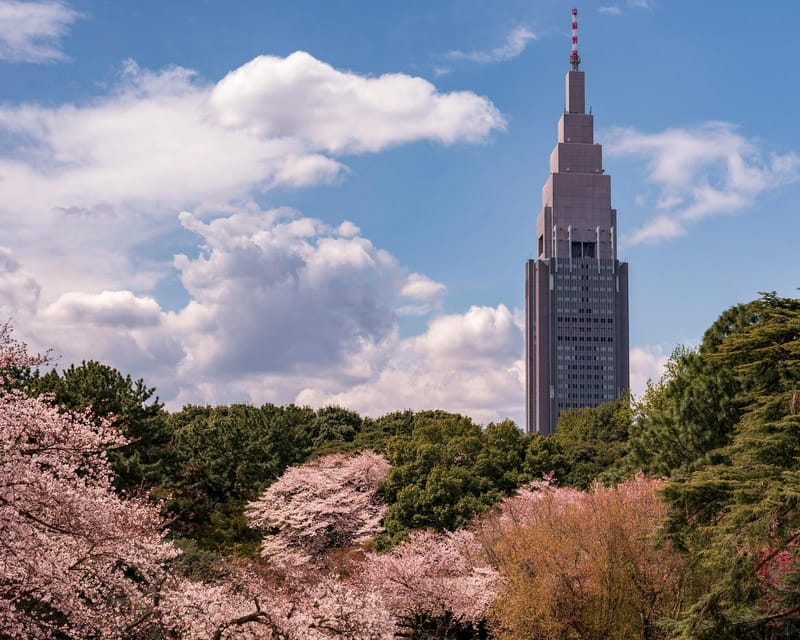
Tokyo: Shinjuku Gyoen Cherry Blossom Stroll (Entry Included)
A one-hour guided stroll in Shinjuku Gyoen with the entry ticket included. The garden bans alcohol, so this is a walk, not a picnic.
4.9(55 reviews)
- 1 hour
- Free cancellation
From $48per person
See prices & availability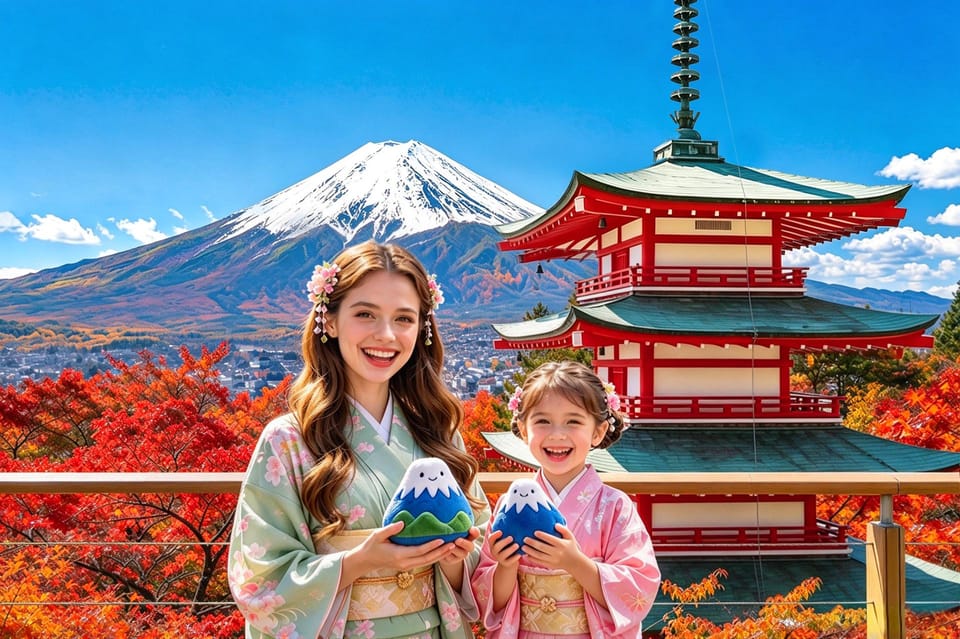
Tokyo: Mt Fuji & Oishi Park & Lake Kawaguchi & Oshino Hakkai
A 10-hour coach day from Tokyo to Lake Kawaguchi, Oishi Park and Oshino Hakkai, in the Fuji Five Lakes area that blooms in early April.
4.8(6,644 reviews)
- 10 hours
- Free cancellation
- Pickup included
From $49per person
See prices & availability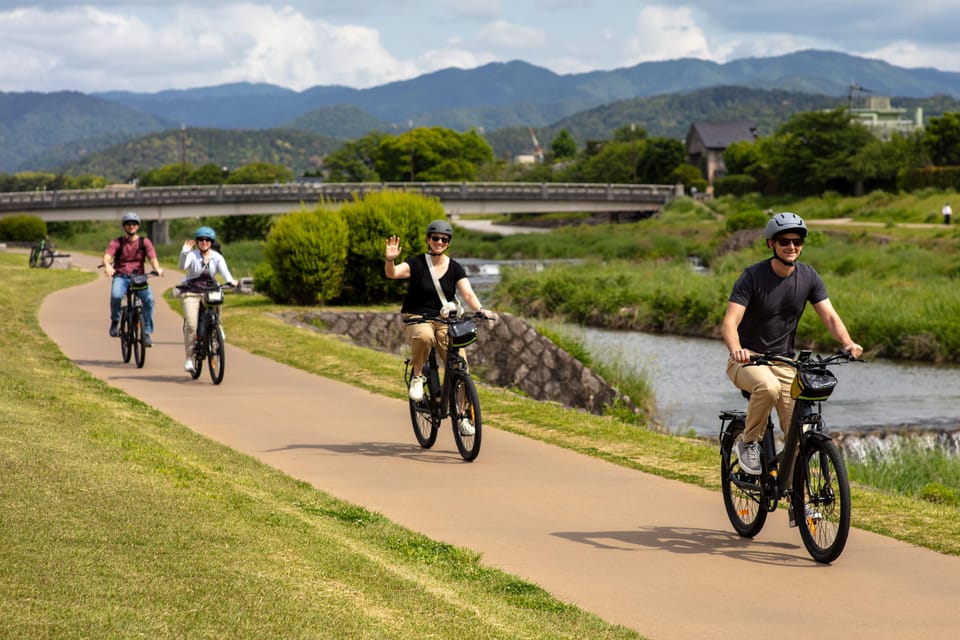
Best of Kyoto: Ginkakuji & Path of Philosophy E-Bike Tour
Four hours by e-bike in eastern Kyoto, from Ginkakuji along the Philosopher's Path, the canal lined with hundreds of cherry trees.
4.9(96 reviews)
- 4 hours
- Free cancellation
From $85per person
See prices & availability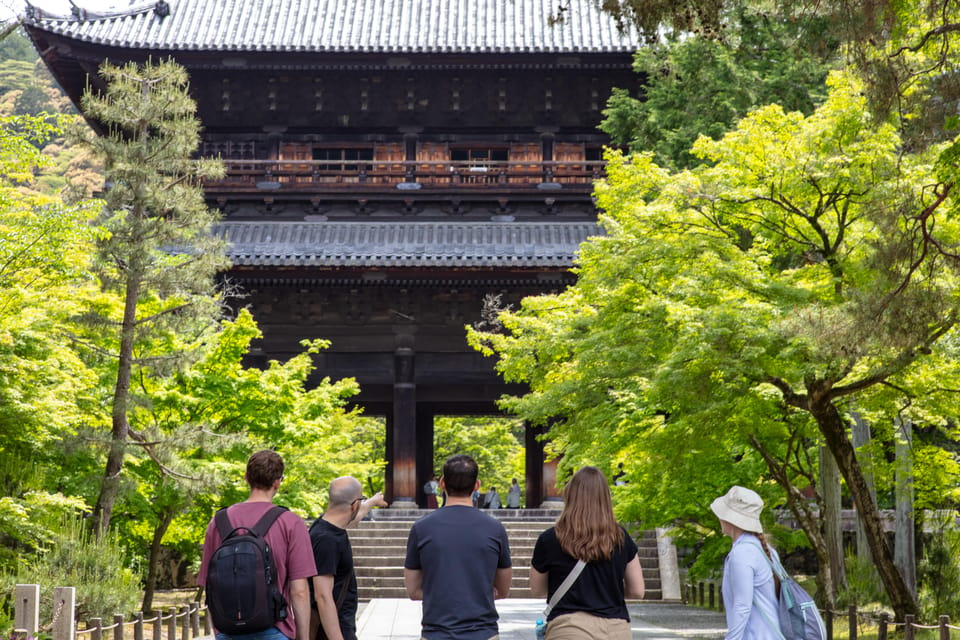
Sacred Pathways: Discover the Philosopher's Path of Kyoto
A four-hour guided walk along the Philosopher's Path and the temples beside it, the Kyoto stretch that usually peaks in early April.
4.9(42 reviews)
- 4 hours
- Free cancellation
From $63per person
See prices & availability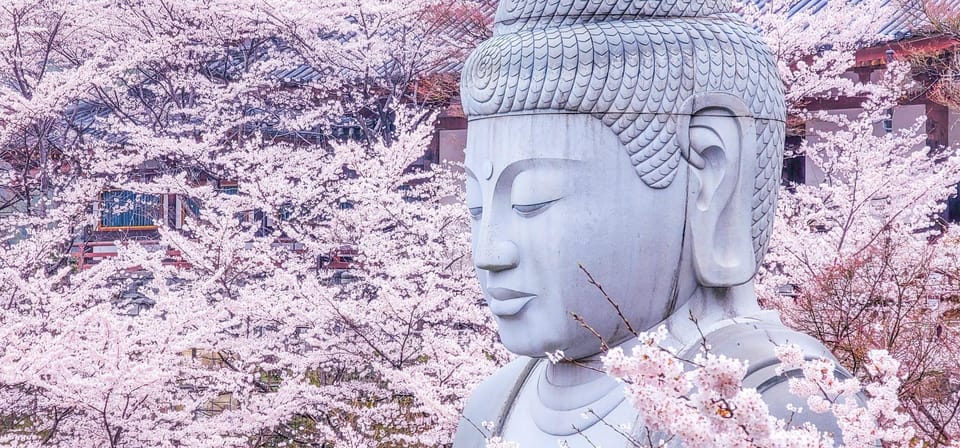
Cherry Blossom Buddha and Mt. Yoshino Tour From Osaka
A 9.5-hour guided day from Osaka to Mount Yoshino, the hillside of about 30,000 cherry trees in Nara Prefecture.
4.6(21 reviews)
- 9.5 hours
- Free cancellation
From $110per person
See prices & availability
Cherry blossom dates in Japan by city: the JMA averages
The Japan Meteorological Agency (JMA) records the day each city's sample tree opens and reaches full bloom. The table gives its normals for 1991-2020, the reference every forecaster compares against, with the dates actually observed in 2026. All are Somei-yoshino cherries except Naha, where the JMA tracks the earlier Hikanzakura.
| City (JMA station) | Average first bloom | Average full bloom | 2026 first bloom | 2026 full bloom |
|---|---|---|---|---|
| Naha, Okinawa | 16 January | 4 February | 18 January | 3 February |
| Fukuoka | 22 March | 31 March | 24 March | 3 April |
| Tokyo | 24 March | 31 March | 19 March | 28 March |
| Hiroshima | 25 March | 3 April | 19 March | 30 March |
| Kyoto | 26 March | 4 April | 23 March | 30 March |
| Osaka | 27 March | 4 April | 26 March | 3 April |
| Kanazawa | 3 April | 8 April | 29 March | 3 April |
| Sendai | 8 April | 13 April | 31 March | 4 April |
| Aomori (for Hirosaki) | 22 April | 26 April | 13 April | 16 April |
| Sapporo | 1 May | 6 May | 18 April | 24 April |
Hirosaki has no JMA station, so the table uses Aomori, about 45 minutes away by train. Hirosaki Park usually peaks in the last third of April: japan-guide.com gave 16 to 21 April as its best viewing window in 2026. Other JMA averages for first bloom: Nagoya 24 March, Yokohama 25 March, Nara 28 March and Hakodate 28 April.
2026 shows how far a season can drift. Every city on the mainland opened early, Tokyo by 5 days, Sendai by 8, Aomori by 9 and Sapporo by 13 days. A trip booked on the averages alone would have arrived in Sapporo after the petals fell. Use the table to choose a city, then let the forecast fix the week.
Japan cherry blossom forecast 2027: when it comes out
No 2027 forecast exists yet on 14 November 2026. The JMA no longer makes one: it announced in December 2009 that it would stop issuing bloom forecasts and leave the job to private companies. It still declares the official dates from its sample trees. Three sources matter for 2027.
| Forecaster | First forecast for 2026 | What to expect for 2027 |
|---|---|---|
| Japan Meteorological Corporation (JMC, Osaka) | 18 December 2025 | Around mid-December 2026, date not announced |
| Weathernews | 20 January 2026, updated 29 January | Probably January 2027 |
| japan-guide.com (English summary) | Early in the year | Around February 2027, as the site announces |
The Japan Weather Association also publishes a forecast on tenki.jp, which the Japan National Tourism Organization relays in English. The first forecasts are refreshed as winter temperatures come in, and they become reliable for a given week from early March, once the buds have started to swell.
How accurate the first forecast is
Good enough to plan around, not to the day. JMC's first 2026 forecast, released in December, gave Tokyo's opening as 19 March: the JMA declared it on 19 March. For Osaka it gave 24 March and the tree opened on 26 March. An error of two or three days is normal, which is why a 10-day stay beats a 3-day dash.
How to read a cherry blossom forecast
Each forecast gives two dates per city. The first bloom date (kaika) is when the sample tree shows its first flowers, and the trees look sparse. The full bloom date (mankai) is the one to plan on: the best days run from full bloom to about five days after it. If your dates are fixed, pick a route that reaches each city between its full bloom date and the following weekend, and move south to north if you are late.
How cherry blossom season works: kaika, mankai and petal fall
Each city has an official sample tree, watched by JMA staff. In Tokyo it stands in the grounds of Yasukuni Shrine. The JMA declares kaika when five or six flowers are open on that tree, and mankai when about 80% of the buds have opened.
From kaika to mankai takes about a week: 7 days in Tokyo and 9 in Kyoto on the averages, faster in a warm spring. Full bloom then holds for roughly a week. Rain and wind shorten it, and the last stage, called hanafubuki or petal blizzard, is when the falling petals cover rivers and moats. After that the trees turn green within days.
The Somei-yoshino that fills city parks is a single clone, so all the trees in one area flower almost together. Other varieties shift the window. Weeping cherries (shidarezakura) often open a few days earlier, and the heavy double-flowered yaezakura come one to two weeks later, which keeps some colour in Tokyo and Kyoto into mid-April.
Best places to see cherry blossoms in Japan
Japanese guides name Yoshino, Hirosaki and Takato as the three great cherry blossom sites, but most first-time visitors see the season in Tokyo, Kyoto and Osaka. Here are the spots worth the trip in each, with the details that change how you visit.
Cherry blossoms in Tokyo: Ueno, Shinjuku Gyoen, Chidorigafuchi and Meguro River
Ueno Park has more than 1,000 trees along the avenue to the National Museum and around Shinobazu Pond. Entry is free, it is the classic picnic ground, and its trees often open a couple of days ahead of other Tokyo spots.
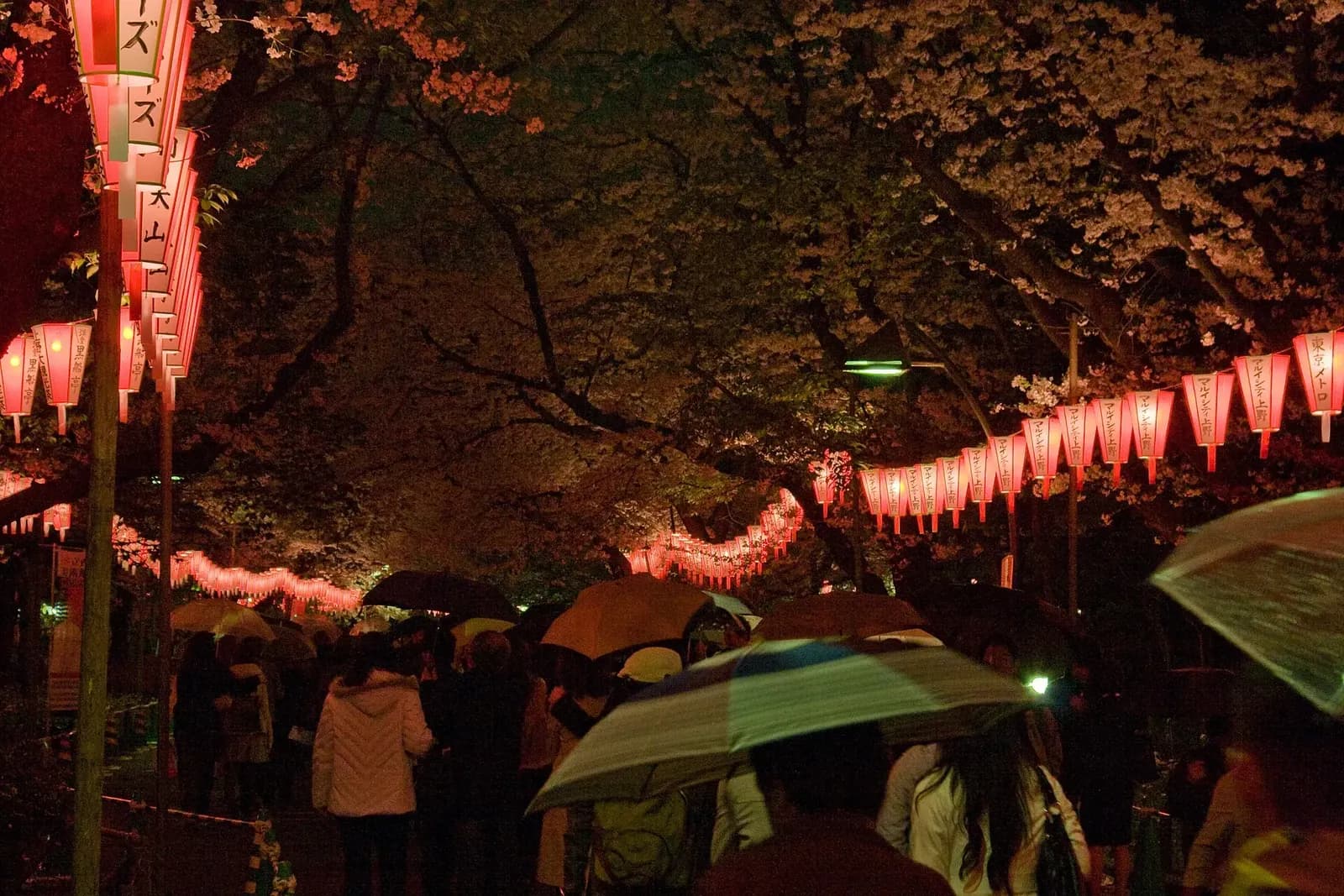
Shinjuku Gyoen is the calmer choice. About 1,000 trees of many varieties stretch the season, entry is ¥500 (about $3) for adults, and the usual Monday closure is lifted from late March to late April. Alcohol is banned, so it suits a walk and a picnic without beer. Check the garden's site before you go: some recent seasons required advance online tickets at the peak.
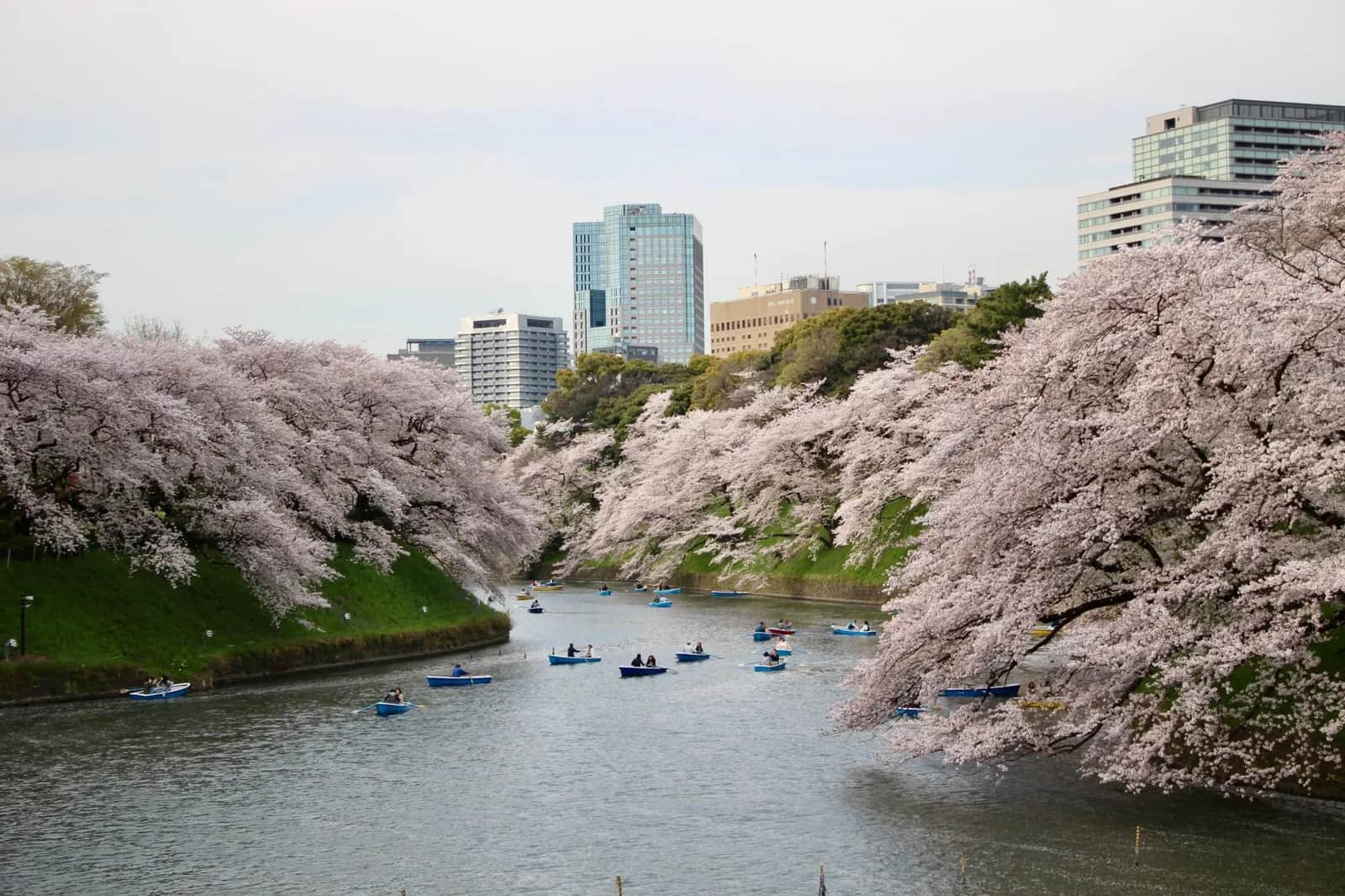
Chidorigafuchi, the moat of the old Edo Castle, is lined with hundreds of trees. You can rent a rowboat, the trees are lit in the evening, and picnics are not allowed on the path. Yasukuni Shrine, with its sample tree and about a thousand more, is a five-minute walk away. On the Meguro River, about 800 trees arch over the water around Naka-Meguro, best seen in the evening when the lanterns come on. The Tokyo guide has the rest of the city.
Cherry blossoms in Kyoto: Philosopher's Path, Maruyama Park, Arashiyama and Daigo-ji
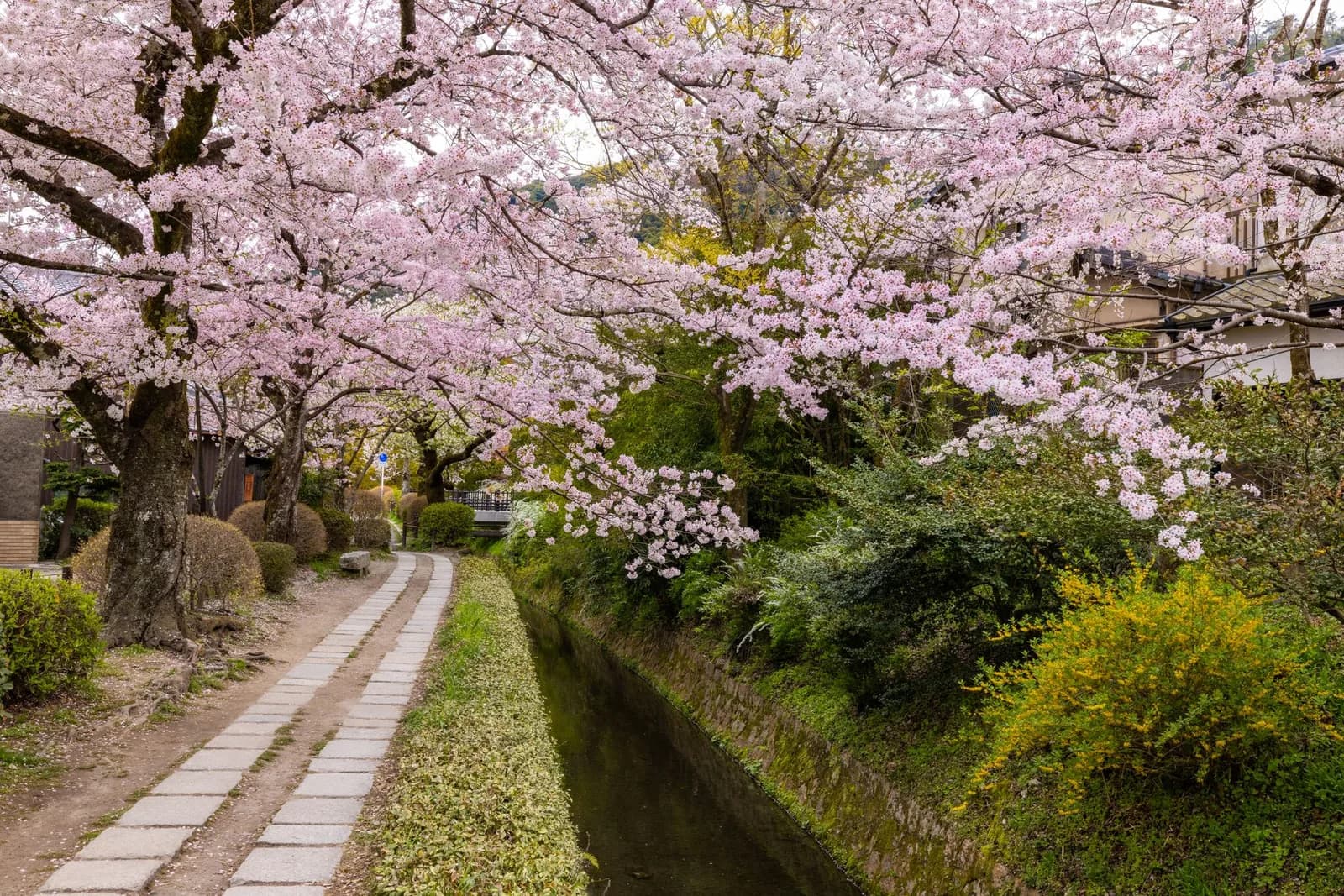
The Philosopher's Path follows a canal for about 2 km between Ginkakuji and the Nanzenji area, under hundreds of trees. It peaks in early April. Walk it before 8 am, because by mid-morning the path is a queue. Maruyama Park, behind Yasaka Shrine, is the party option, with food stalls under the trees and a huge weeping cherry lit up at night.
In the west, the trees around Togetsukyo Bridge and riverside Nakanoshima Park make Arashiyama an easy half day to pair with the bamboo grove. In the southeast, Daigo-ji is where the warlord Toyotomi Hideyoshi held his famous flower-viewing party in 1598, with about 700 trees planted for the occasion, and a costumed parade still marks it on the second Sunday of April. More on the city in the Kyoto guide.
Cherry blossoms in Osaka: Osaka Castle and the Mint Bureau passage
Osaka Castle Park has more than 4,000 trees and free entry, except for Nishinomaru Garden, which charges a fee and is lit in the evening. The Japan Mint passage, a riverside row of late-flowering varieties, opens for one week only. In 2026 it ran from 9 to 15 April, free but with advance booking. The 2027 dates are announced each spring. The Osaka guide covers the rest.
Mount Fuji and cherry blossoms: the Chureito Pagoda and Lake Kawaguchi
The view of the five-storey Chureito Pagoda with Fuji behind it sits at the top of 398 steps in Arakurayama Sengen Park, Fujiyoshida. In February 2026 the city cancelled its cherry blossom festival there because of overcrowding and ran safety measures through the first half of April. The park stays open, but go at dawn on a weekday. Around Lake Kawaguchi the trees bloom about a week after Tokyo: japan-guide.com gave 6 to 12 April as the best window in 2026. Trips and routes are in the Mount Fuji guide.
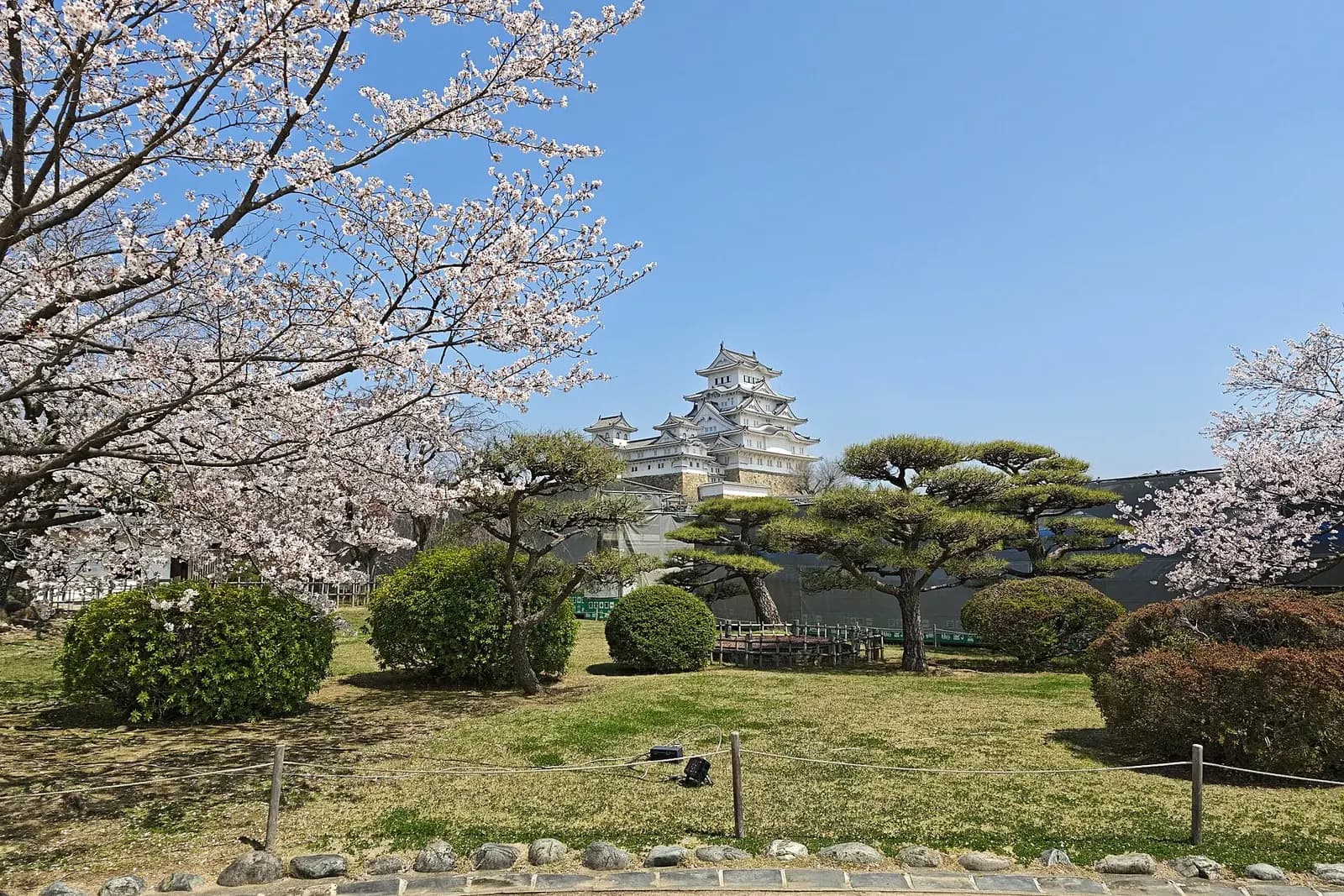
Himeji Castle in cherry blossom season
Hundreds of trees surround the white keep of Himeji Castle, which peaks in early April, a few days after Kyoto. The outer grounds are free and hold the picnic lawns, the inner castle charges admission. Himeji is about 30 minutes from Shin-Osaka by Shinkansen, so it fits as a morning trip from Osaka or Kyoto.
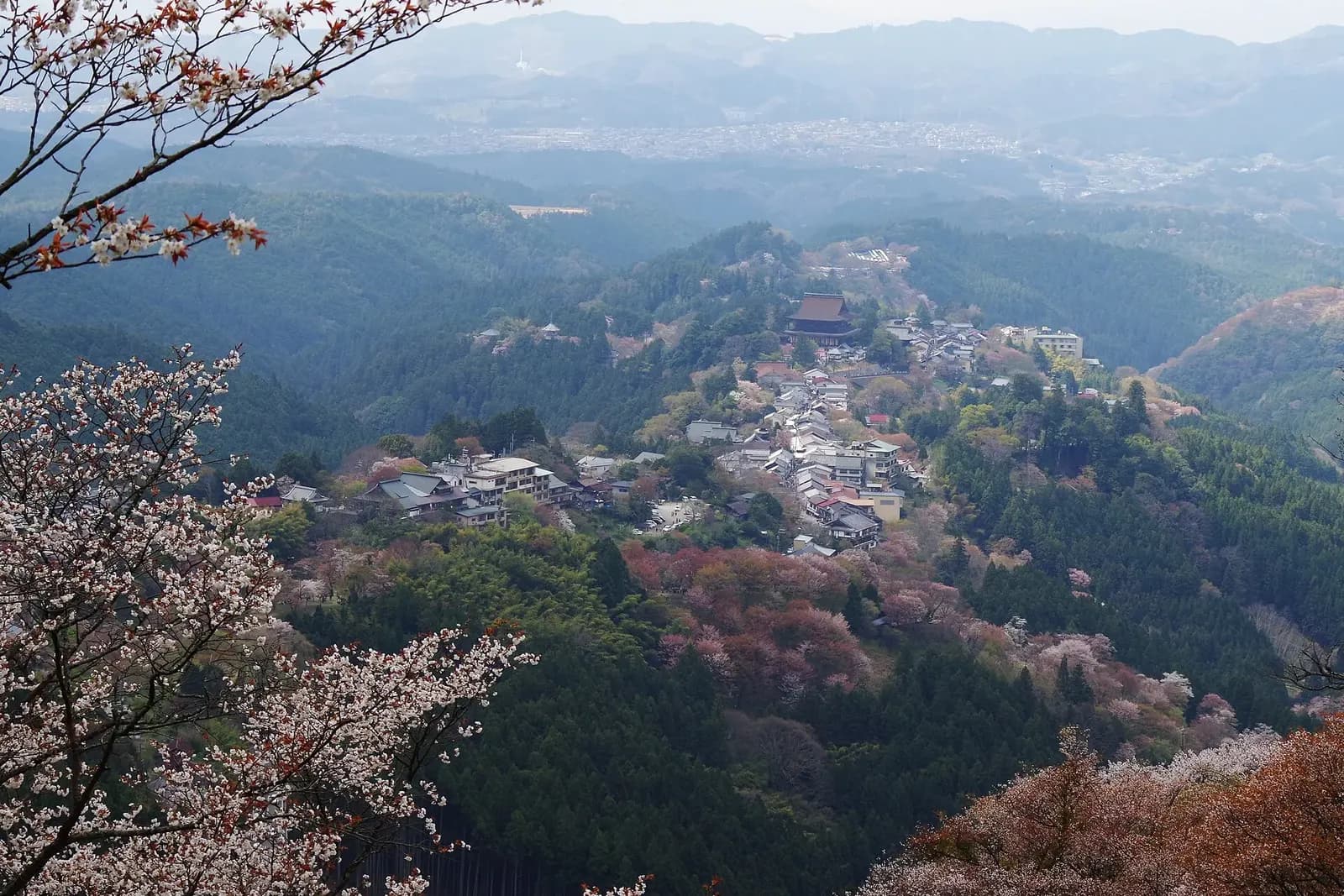
Mount Yoshino: 30,000 cherry trees in Nara Prefecture
Yoshinoyama is covered by about 30,000 cherry trees, mostly wild mountain cherries, planted in four zones that climb the ridge: Shimo Senbon at the bottom, then Naka, Kami and Oku Senbon. The bloom moves uphill zone by zone, so the season here lasts longer than in a city park, from early to mid April. In 2026 the best viewing ran from 2 to 8 April. The day trip from Osaka or Kyoto takes about 1 h 30 min each way by Kintetsu train, and the narrow roads fill fast on weekends.
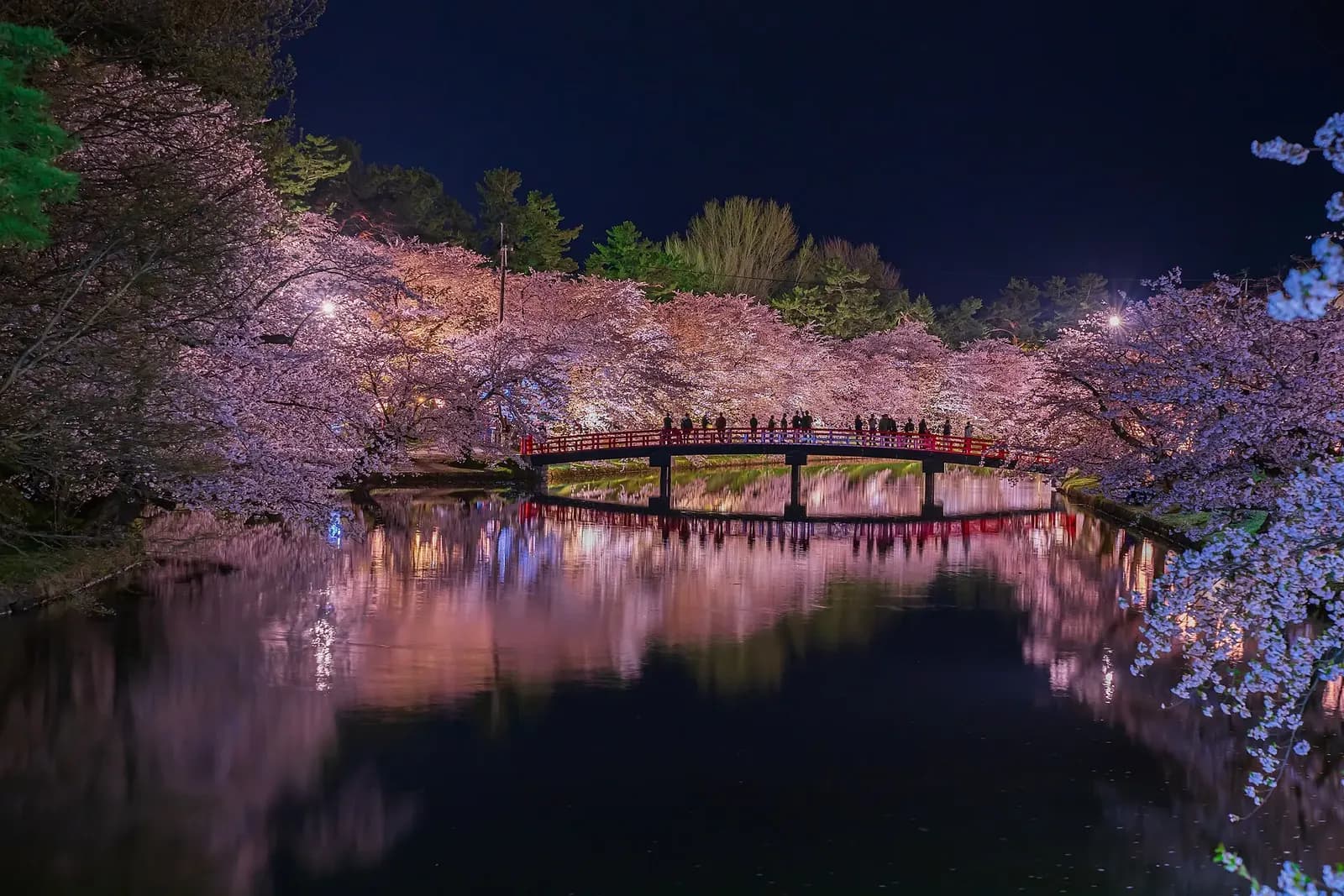
Hirosaki Park: the north's great cherry blossom festival
Hirosaki Castle Park in Aomori Prefecture has more than 2,500 trees, including several hundred Somei-yoshino more than a hundred years old, with blossom tunnels, rowboats and moats that turn pink with fallen petals. The festival runs from late April into early May, with the trees lit in the evening. From Tokyo, it is about 3 h 15 min by Shinkansen to Shin-Aomori, then a local train. Takato, the third of the great three, sits in Nagano with about 1,500 trees that peak in early to mid April.
Night cherry blossoms (yozakura) in Tokyo, Kyoto and Osaka
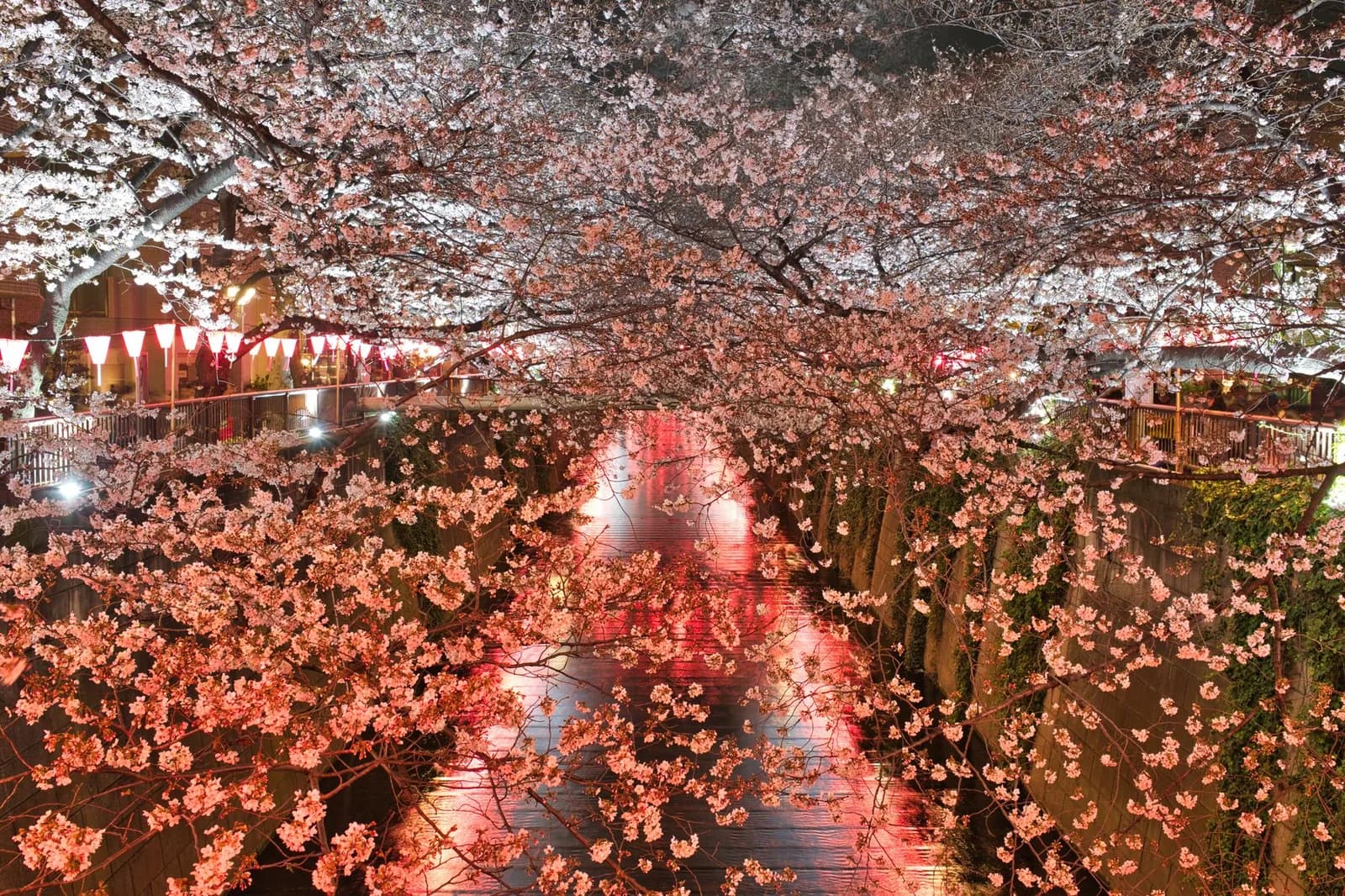
Yozakura, cherry blossoms at night, is half the season for people who live here. The trees are lit at dusk and the crowds thin after the dinner hour.
- Meguro River, Tokyo: pink lanterns along the river, usually lit 5 pm to 8 pm from late March to early April.
- Chidorigafuchi, Tokyo: the moat trees are lit in the evening, and the reflection is the best view.
- Maruyama Park, Kyoto: the great weeping cherry under floodlights, with stalls open late.
- Nishinomaru Garden, Osaka Castle: an evening opening with the castle lit behind the trees.
- Hirosaki Park: illuminations through the festival, with the trees reflected in the moats.
Illumination dates are set each year once the forecast is known, so they rarely appear before March.
Hanami etiquette: picnics, alcohol and park rules
Hanami, the picnic under the trees, is the point of the season for most Japanese. A few rules keep you out of trouble:
- Do not touch the trees. No shaking branches for a petal shower, no picking, no climbing.
- Take your rubbish home. Bins are rare in Japanese parks, so bring a bag, and sort it if the park sets up collection points.
- Shoes off on the mat. Groups sit on plastic sheets, and you leave your shoes at the edge as you would at a door.
- Check the park's alcohol rule. Drinking is normal in Ueno, but it is banned in Shinjuku Gyoen and many gardens, and Chidorigafuchi has no picnic area at all.
- Saving a spot is normal in the big parks. Companies send someone at dawn to hold a sheet for an evening party. Do not sit on an empty sheet, and do not leave yours unattended for hours if you are not that person.
Keep the noise reasonable, use the temporary toilets, and leave the music at home.
Cherry blossom crowds and hotel prices in Japan
The bloom weeks are the busiest of the year for hotels in Tokyo and Kyoto, with Japanese travellers adding to foreign visitors. Kyoto fills first, because it has far fewer rooms than Tokyo. Rates jump for the peak nights, and the cheapest rooms go months ahead.
- Book 3 to 6 months ahead with free cancellation, before the forecast exists, then cancel what you no longer need once the dates firm up.
- Base yourself in Osaka if Kyoto rooms are full or too expensive. Kyoto is 15 minutes away by Shinkansen and about 30 minutes by JR special rapid.
- Visit famous spots at dawn or on weekdays. Weekends at full bloom are the worst days for crowds.
- Keep the itinerary flexible. A route that can swap Tokyo and Kyoto by two days catches the peak better than a perfect plan booked in October.
2026 was less tight than feared: a Tourist Japan executive quoted in January 2026 put packages 10 to 20% below 2025, with April hotel rates in Kyoto and Osaka slightly down. One year does not make a trend. For areas and hotels, see where to stay in Tokyo and where to stay in Kyoto, and the 10-day Japan itinerary shows how to order the cities.
Early and late cherry blossoms: Kawazu in February, Hokkaido in May
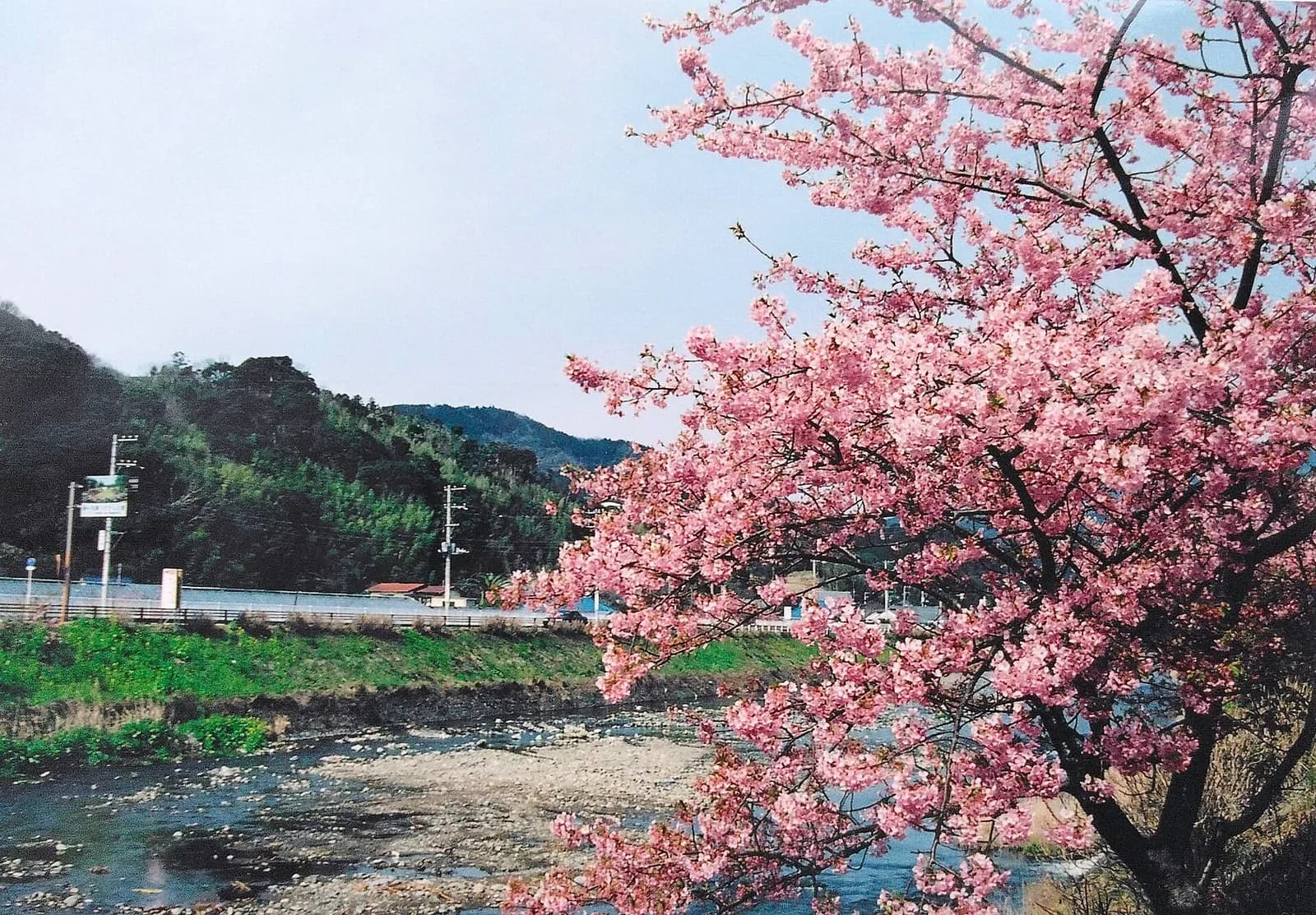
Okinawa and Kawazu, the early season
Okinawa blooms first. Its deep pink Hikanzakura open in Naha around 16 January on average, with full bloom in early February. On the mainland, the town of Kawazu on the Izu Peninsula has its own early variety, the Kawazu-zakura, planted along the river. The 2026 festival ran from 7 February to 8 March, with free entry and trees lit from 6 pm to 9 pm, and the peak usually comes in late February, about a month before Tokyo. The 2027 dates were not announced on 14 November 2026.
Tohoku and Hokkaido, the late season
The front reaches Sendai in mid-April, Aomori and Hirosaki in late April, and Sapporo around 1 May, with full bloom on 6 May on average. Hakodate opens around 28 April. In the far south of Hokkaido, Matsumae has several thousand trees of many varieties around its castle, which stretch the season over almost a month from late April. A Japan Rail Pass makes it easy to follow the bloom north by Shinkansen, Tokyo to Shin-Hakodate-Hokuto in about 4 hours.
Missed the cherry blossoms? Plum blossoms, wisteria and late cherries
Arriving too early or too late still leaves flowers to see.
- Plum blossoms (ume), February and March. Kairakuen in Mito, about 80 minutes from Tokyo, has more than 3,000 plum trees of 100 varieties, and its 2026 festival ran from 11 February to 22 March. Kitano Tenmangu in Kyoto has about 2,000, and Yushima Tenjin near Ueno holds a plum festival from 8 February to 8 March.
- Late cherries, mid-April. The double-flowered yaezakura follow the Somei-yoshino by one to two weeks in Tokyo and Kyoto, and the Japan Mint passage in Osaka is planted with them.
- Head north or up. If you land in the second week of April, take the train to Tohoku, the Fuji Five Lakes or the upper zones of Yoshino rather than waiting in Kyoto.
- Wisteria, late April to mid-May. Ashikaga Flower Park, 70 minutes from Asakusa by Tobu limited express (¥2,050, about $13), is usually in full bloom at the start of May. Its great wisteria is over 100 years old, and the entry fee changes each morning with the state of the flowers.