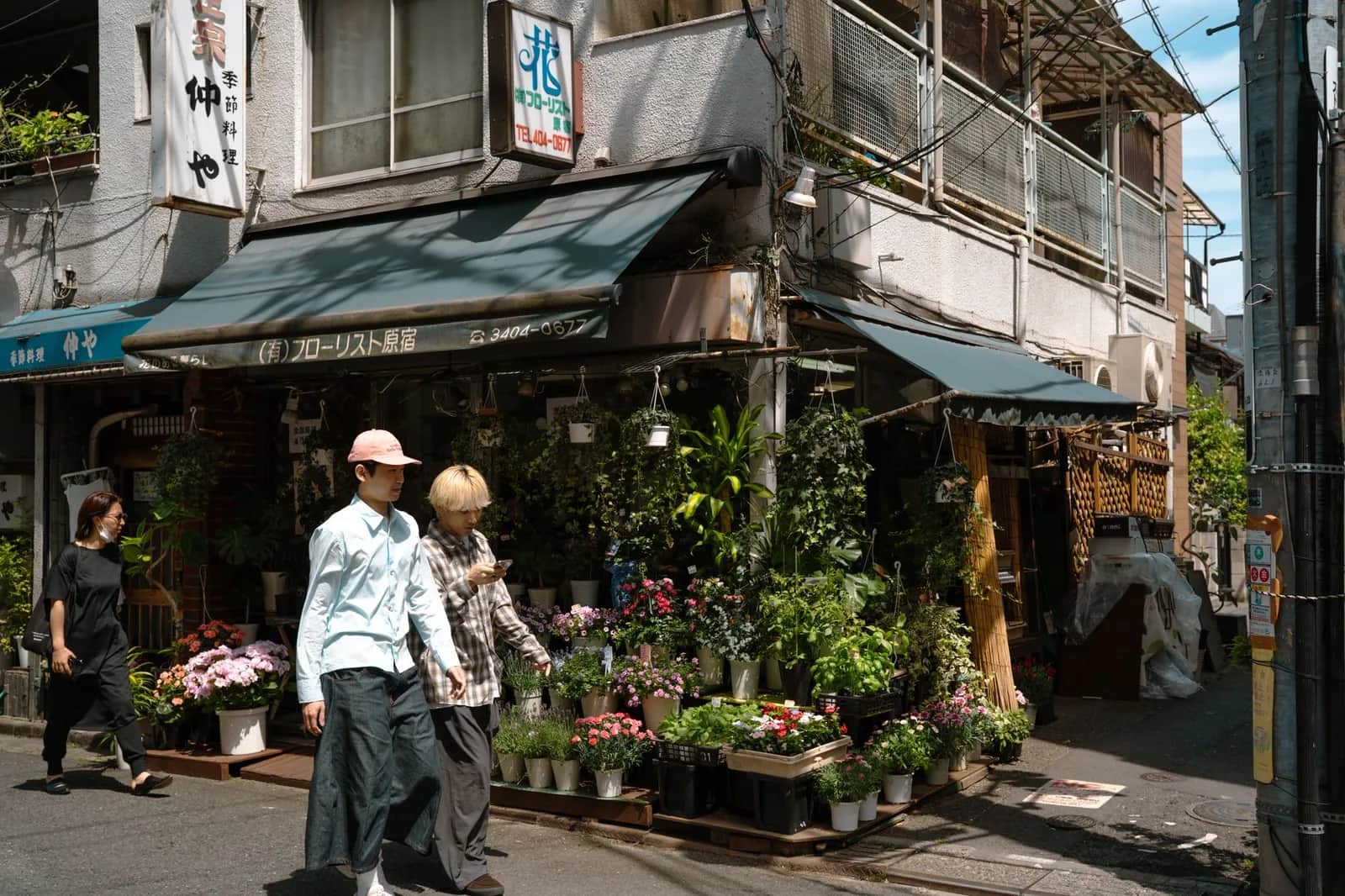
- estimated monthly budget for a single person renting in Tokyo's 23 wards, about $1,660, before tax and social insurance
- ¥265,800
- average asking rent for a flat of 30 m² or less in Tokyo's 23 wards in September 2026 (At Home), about $715
- ¥114,460
- hourly minimum wage in Tokyo since 1 October 2026, exactly $8.00 at 160 yen to the dollar
- ¥1,280
On this page
The cost of living in Japan in 2026 runs from about ¥203,000 a month ($1,270) for a single person in a mid-sized city to about ¥560,000 ($3,500) for a family in central Tokyo, rent included and before tax. Rent decides almost everything: food, bills and transport cost nearly the same in Sendai as in Tokyo. Every figure below is dated and converted at the mid-November 2026 rate of about 160 yen to the dollar.
How much does it cost to live in Japan per month in 2026?
The table combines two sources. Rent is the average asking rent published by the listing site At Home for September 2026, for a flat sized to the household. Everything else is what households in Japan really spent in 2025, taken from the Statistics Bureau's Family Income and Expenditure Survey: ¥151,375 a month excluding housing for one person and ¥295,323 for a household of two or more. The couple figure (about ¥262,000) is derived from the two-person average of the same survey.
| Household and city | Rent | Everything else | Monthly total | In dollars |
|---|---|---|---|---|
| Single, Tokyo 23 wards | ¥114,460 | ¥151,375 | ¥265,835 | $1,661 |
| Single, Osaka | ¥74,525 | ¥151,375 | ¥225,900 | $1,412 |
| Single, Fukuoka | ¥67,115 | ¥151,375 | ¥218,490 | $1,366 |
| Single, Sendai | ¥51,953 | ¥151,375 | ¥203,328 | $1,271 |
| Couple, Tokyo 23 wards | ¥185,109 | about ¥262,000 | about ¥447,100 | $2,794 |
| Couple, Osaka | ¥115,934 | about ¥262,000 | about ¥377,900 | $2,362 |
| Couple, Fukuoka | ¥95,774 | about ¥262,000 | about ¥357,800 | $2,236 |
| Couple, Sendai | ¥78,414 | about ¥262,000 | about ¥340,400 | $2,128 |
| Family, Tokyo 23 wards | ¥264,597 | ¥295,323 | ¥559,920 | $3,500 |
| Family, Osaka | ¥165,686 | ¥295,323 | ¥461,009 | $2,881 |
| Family, Fukuoka | ¥138,925 | ¥295,323 | ¥434,248 | $2,714 |
| Family, Sendai | ¥99,298 | ¥295,323 | ¥394,621 | $2,466 |
Rent is for a flat of up to 30 m² (single), 30 to 50 m² (couple) and 50 to 70 m² (family) in a concrete apartment building. In pounds, at about 212 yen to the pound, a single person in Tokyo comes to roughly £1,250 a month, a couple to about £2,110 and a family to about £2,640. A single person in Fukuoka is near £1,030.
What households in Japan actually spend, by category
The 2025 survey, published on 6 February 2026, puts average monthly spending at ¥173,042 for a one-person household (about $1,080) and ¥314,001 for households of two or more (about $1,960). The housing line looks tiny because most Japanese households own their home, which is why we replace it with a real rent in the table above. According to the Japan Institute of Life Insurance, which reads the same survey by household size, a household of four spends about ¥363,000 a month.
| Category, per month | One person | Two or more people |
|---|---|---|
| Food | ¥49,321 ($308) | ¥94,895 ($593) |
| Electricity, gas and water | ¥13,333 ($83) | ¥24,547 ($153) |
| Transport and communication | ¥19,334 ($121) | ¥45,730 ($286) |
| Culture and leisure | ¥21,173 ($132) | ¥32,125 ($201) |
| Medical care (out of pocket) | ¥8,754 ($55) | ¥15,863 ($99) |
| Furniture and household goods | ¥6,120 ($38) | ¥13,068 ($82) |
| Clothing | ¥4,908 ($31) | ¥10,063 ($63) |
| Education | ¥37 | ¥11,939 ($75) |
| Other (gifts, money sent to family, sundries) | ¥28,396 ($177) | ¥47,093 ($294) |
| Housing (survey average, owners included) | ¥21,667 ($135) | ¥18,678 ($117) |
Students live on less. The government's Study in Japan site, using a 2023 JASSO survey, puts the average international student's monthly costs at ¥105,000 nationally, with ¥41,000 of that for housing (¥57,000 in Tokyo).
Cost of living in Tokyo, Osaka, Fukuoka and Sendai compared
Between cities, rent is the gap. A flat for one person in Tokyo's 23 wards costs more than twice the same flat in Sendai, and a family flat costs 2.7 times as much. Groceries, phone plans and electricity are priced nationally or close to it. Here are At Home's average asking rents for September 2026, published on 26 October 2026, for flats in concrete buildings and excluding management fees.
| City | Up to 30 m² | 30 to 50 m² | 50 to 70 m² | Over 70 m² |
|---|---|---|---|---|
| Tokyo 23 wards | ¥114,460 ($715) | ¥185,109 ($1,157) | ¥264,597 ($1,654) | ¥426,822 ($2,668) |
| Osaka city | ¥74,525 ($466) | ¥115,934 ($725) | ¥165,686 ($1,036) | ¥295,208 ($1,845) |
| Fukuoka city | ¥67,115 ($419) | ¥95,774 ($599) | ¥138,925 ($868) | ¥211,771 ($1,324) |
| Sendai | ¥51,953 ($325) | ¥78,414 ($490) | ¥99,298 ($621) | ¥141,830 ($886) |
Other cities in the same report, for a flat of up to 30 m²: Nagoya ¥65,084, Kobe ¥65,277, Kyoto ¥62,869, Hiroshima ¥46,664 and Sapporo ¥45,287, the cheapest of the big cities. Around Tokyo, the suburbs take a quarter to a third off: ¥83,161 in Kanagawa, ¥77,356 in Chiba and ¥73,078 in Saitama.
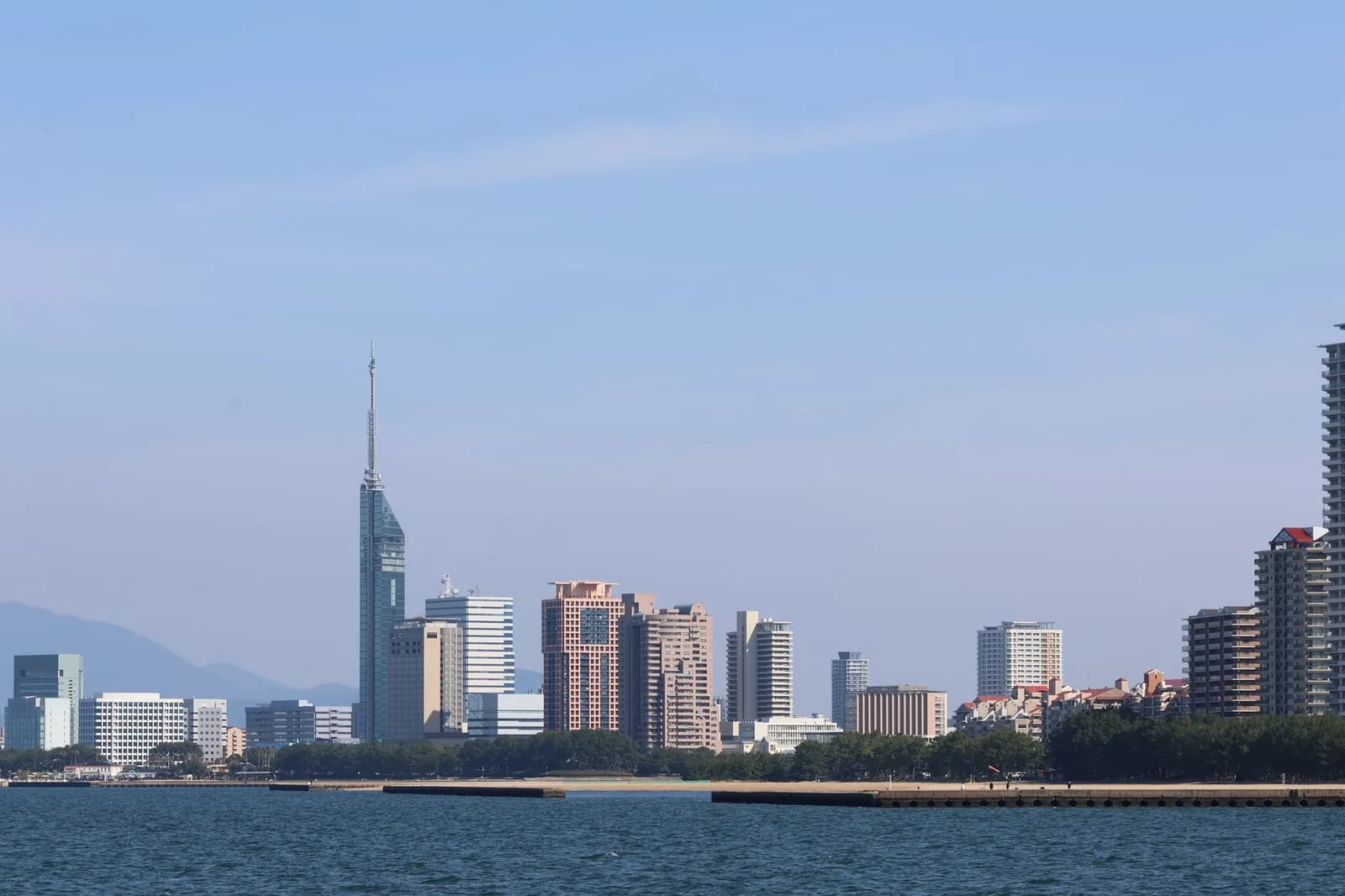
Fukuoka is the usual compromise for foreigners who want a large city without Tokyo rents: an airport ten minutes from the centre by subway, a start-up scene, and family flats at about half the Tokyo price. Osaka sits between the two, with rents about 35% below Tokyo for a single person. Sendai stands in here for Japan's mid-sized regional capitals, where a 50 to 70 m² flat rents for under ¥100,000.
Rent in Japan and move-in costs: key money, deposit and agency fee
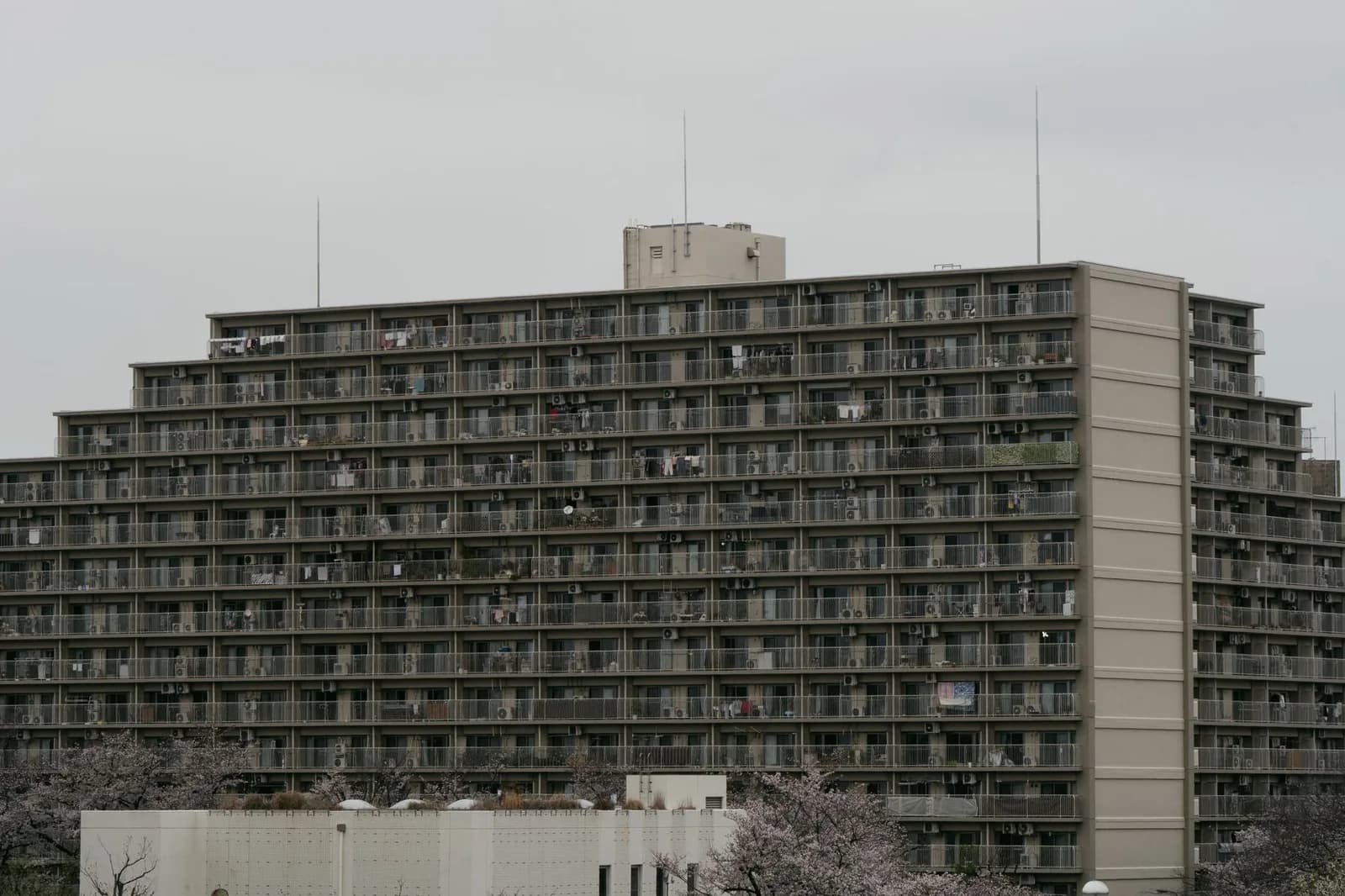
Rents in central Tokyo are rising fast by Japanese standards. At Home's index for small flats in the 23 wards reached its highest level since 2015 in mid-2026, after 25 straight months of increases. Older wooden or light-steel buildings, called apato, are the cheap end of the market: about ¥77,920 for up to 30 m² in the 23 wards, ¥66,847 in Osaka, ¥54,212 in Fukuoka and ¥43,720 in Sendai. You trade soundproofing and insulation for a third off the rent.
How much you pay to move in
The surprise for newcomers is the upfront bill, typically four to six months of rent before you get the keys. Here is a worked example on the average small Tokyo flat at ¥114,460 a month. The mix varies by listing, and each line is negotiable or absent on some properties.
| Move-in cost | Usual amount | Example at ¥114,460 rent |
|---|---|---|
| Deposit (shikikin) | 1 to 2 months, refunded minus cleaning and repairs | ¥114,460 |
| Key money (reikin) | 0 to 2 months, never refunded | ¥114,460 |
| Agency fee | Up to 1 month plus 10% consumption tax | ¥125,906 |
| Guarantor company | 0.5 to 1 month, then about ¥10,000 a year | ¥57,230 |
| Fire insurance | About ¥20,000 for two years | ¥20,000 |
| Lock change | ¥15,000 to ¥25,000 | ¥20,000 |
| First month of rent | Paid in advance, pro rata if you move in mid-month | ¥114,460 |
| Total | About five months of rent | ¥566,516 ($3,541) |
The agency fee has a legal ceiling. Under the land ministry's rules, an agent can charge the tenant half a month plus tax unless the tenant agrees to pay the full month, which most contracts ask you to do. Key money is a pure gift to the landlord, and listings with zero key money and zero deposit exist in every city, often with a higher rent or a fixed cleaning fee instead.
Our guide to renting an apartment in Japan as a foreigner walks through the contract, the guarantor and the screening. If you plan to stay, compare with buying a house in Japan, or with the cheap vacant homes covered in our akiya guide.
Utilities in Japan: electricity, gas and water bills
Households in the official survey paid ¥13,333 a month for electricity, gas and water living alone and ¥24,547 for two or more people in 2025. Electricity is the biggest part, at ¥6,756 for one person on average. Gas for one person averaged ¥2,999, and water usually comes to about ¥2,500 and is billed every two months.
Bills move with government subsidies. In the Tokyo area, a standard TEPCO household contract costs about ¥6,141 for a person using 160 kWh in November 2026 and ¥16,771 for a family of four using 420 kWh, according to the comparison site Selectra. That is roughly ¥990 more than in September for a single person, because the summer subsidy ended. Expect the highest bills in January and February: most flats have no central heating and poor insulation, so the air conditioner runs as a heater.
Food prices in Japan: groceries, eating out and leisure
Food is the largest line after rent: ¥49,321 a month for one person and ¥94,895 for a household of two or more in the 2025 survey, eating out included. For larger households that is 28.6% of all spending. Inflation has cooled, with consumer prices up 2.1% over the year to September 2026 and food up 2.8%, the slowest rise since early 2022. Rice, which had nearly doubled in price during the 2024 and 2025 shortage, was 20.6% cheaper than a year earlier.
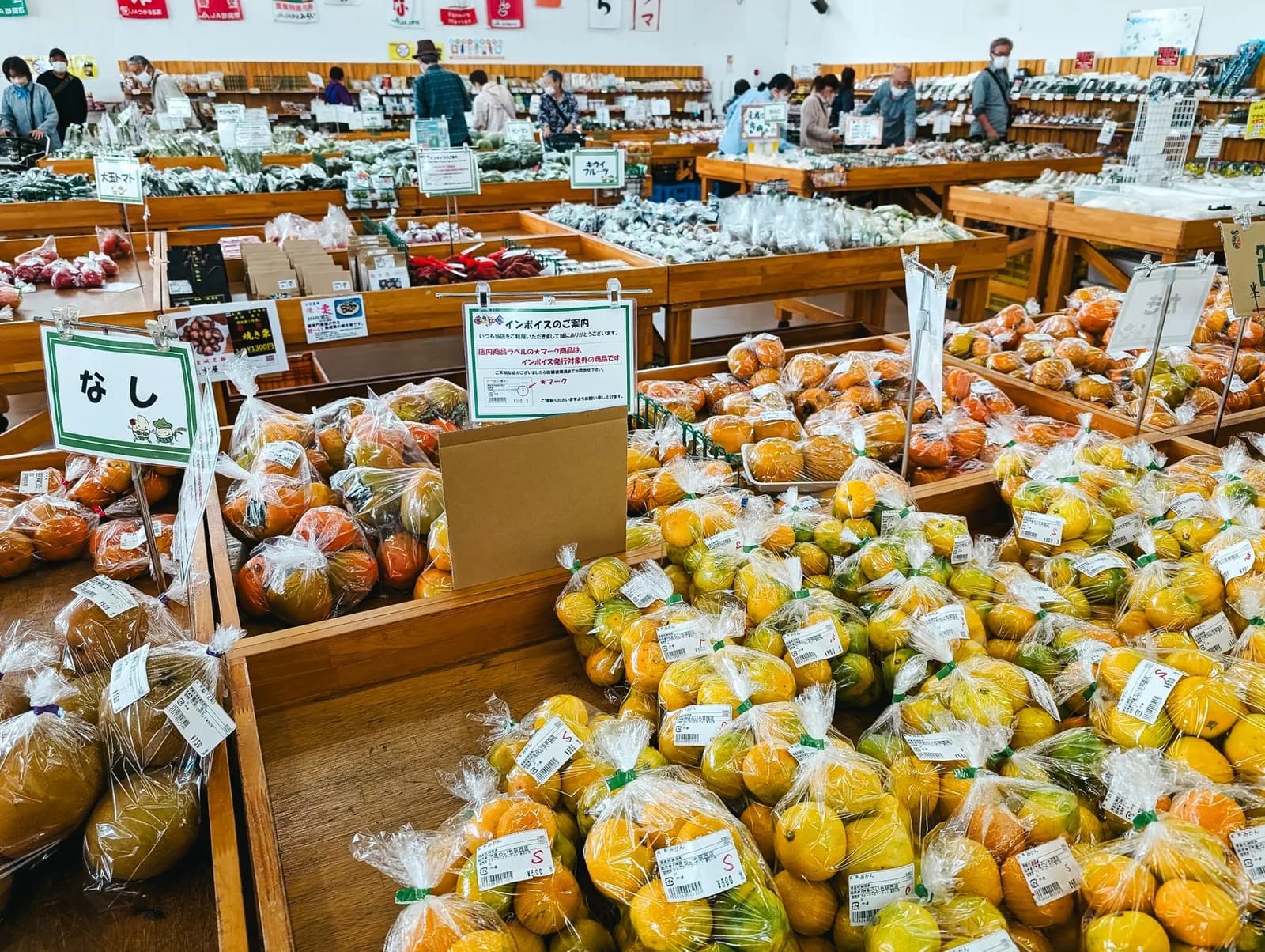
Typical shelf and menu prices, from Numbeo's crowdsourced data for November 2026:
| Item | Price in yen | In dollars |
|---|---|---|
| Meal at an inexpensive restaurant | ¥1,000 | $6.25 |
| Mid-range dinner for two | ¥5,000 | $31 |
| Cappuccino | ¥502 | $3.14 |
| Draught beer, 0.5 litre | ¥305 | $1.91 |
| Milk, 1 litre | ¥232 | $1.45 |
| Eggs, 12 | ¥324 | $2.03 |
| White rice, 1 kg | ¥755 | $4.72 |
| Cinema ticket | ¥2,000 | $12.50 |
Eating out is where Japan is cheapest compared with the US or the UK. A bowl of ramen or a beef bowl costs ¥500 to ¥900, a convenience-store lunch ¥400 to ¥700, and there is no tipping. Supermarkets mark down bento and sushi by 20% to 50% in the last hours before closing. Imported cheese, breakfast cereal, beef and most fruit cost more than at home.
For going out, single households spent ¥21,173 a month on culture and leisure in 2025. Karaoke starts at a few hundred yen an hour in the daytime, a cinema ticket is ¥2,000, and a haircut at a regular salon is around ¥4,000.
Transport costs in Japan: commuter passes and the 2026 JR fare rise
Most people in the big cities live without a car, and a typical monthly transport budget in Tokyo is ¥10,000 to ¥15,000 ($63 to $94). If you are employed, check your contract first: Japanese companies commonly reimburse the commuter pass between home and office, in full or up to a ceiling. It is a widespread practice, not a legal right.
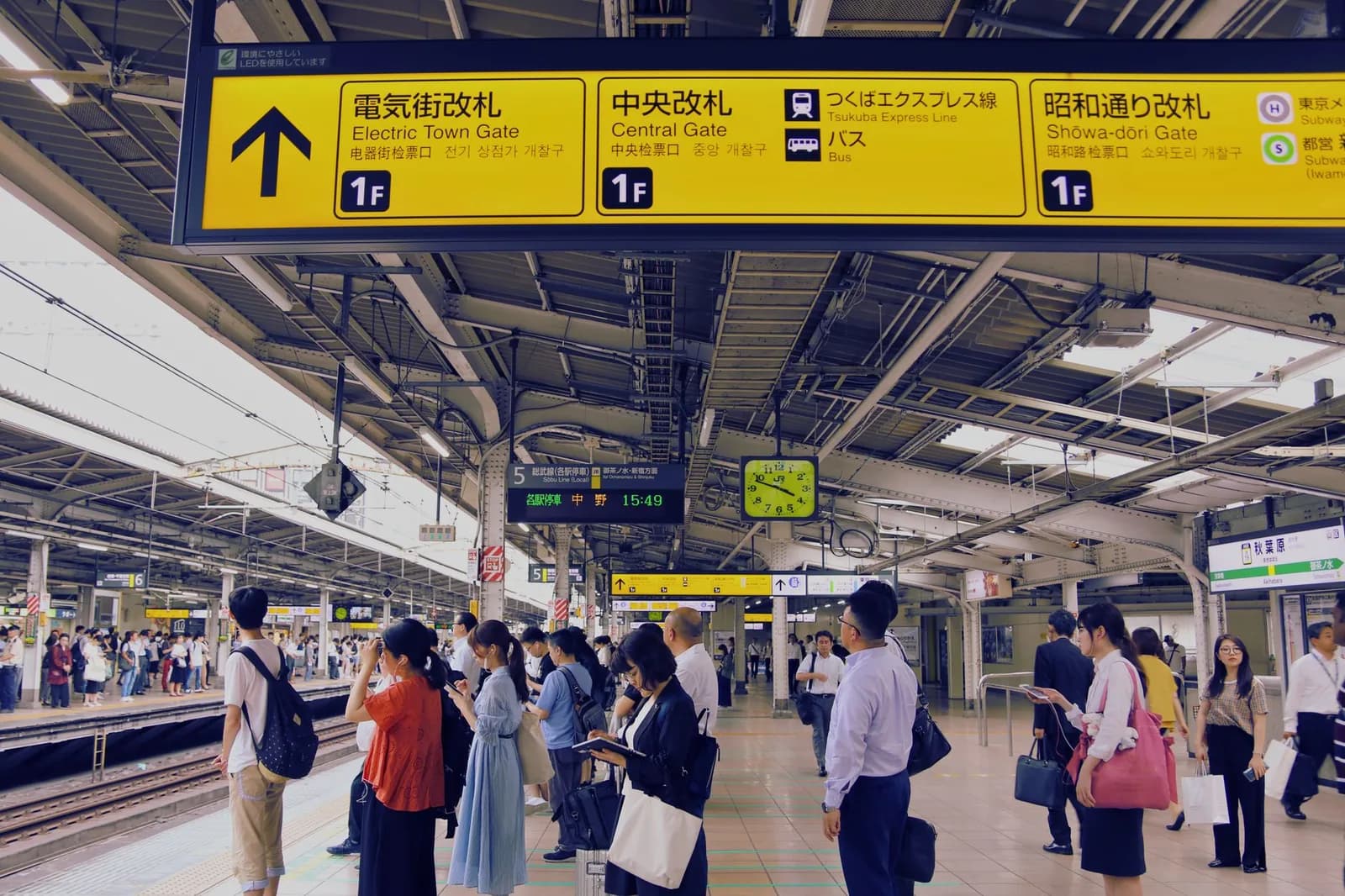
Fares went up in 2026. JR East raised prices by 7.1% on average on 14 March 2026, its first general increase in 39 years. The minimum paper ticket went from ¥150 to ¥160 and commuter passes rose 12% on average, more on the Yamanote line. The one-day pass for the Tokyo Metro and Toei subways costs ¥1,100 since the same date, and Tokyo taxi fares rose about 10% in late April.
A car changes the budget outside the cities. On top of fuel at about ¥171 a litre, owners pay the compulsory shaken inspection every two years, annual automobile tax, insurance and, in urban areas, a rented parking space that you must prove you have before you can register the car.
Phone and internet costs in Japan
Mobile plans are cheap if you avoid the main carriers' standard contracts, which start around ¥6,000. The online brands cost half that. Rakuten Mobile charges ¥1,078 up to 3 GB, ¥2,178 up to 20 GB and ¥3,278 for unlimited data. Docomo's ahamo costs ¥2,970 for 30 GB until the end of November 2026, then moves to a new grid on 1 December 2026: ¥3,135 for up to 40 GB, ¥4,125 up to 60 GB and ¥5,115 up to 120 GB. LINEMO sells 30 GB at ¥2,970.
Home fibre at 1 Gbit/s costs ¥4,180 to ¥4,400 a month in an apartment building and ¥5,610 to ¥5,720 in a house, on a two-year contract (prices checked in September 2026). Installation takes two to six weeks, so many newcomers start with a pocket wifi or a home router. Count ¥7,000 to ¥8,000 a month ($44 to $50) for one phone line and fibre together.
Health insurance and pension contributions in Japan
Anyone living in Japan for more than three months must join the public health system, either through an employer (shakai hoken) or through the city hall (National Health Insurance, NHI). Both cover 70% of medical bills, and you pay the remaining 30% at the counter. A monthly ceiling limits what you pay in a bad month, at roughly ¥86,000 for a standard income since the caps rose in August 2026.
Employees: about 14% of pay for health and pension
Contributions are split half and half with the employer. The Japan Health Insurance Association's average health rate for fiscal 2026 is 9.9% of pay, so about 5% for the employee, and the employees' pension is fixed at 18.3%, so 9.15% for the employee. On standard monthly pay of ¥300,000, that is about ¥14,800 for health and ¥27,450 for pension, around ¥42,000 a month ($263) before employment insurance and income tax. People aged 40 to 64 pay a little more for nursing care insurance.
Freelancers, students and the self-employed: NHI
NHI premiums are set by each municipality and calculated on your income of the previous year. In Tokyo's 23 wards for fiscal 2026, a member under 40 pays a flat ¥67,073 a year (about ¥5,590 a month) plus 10.58% of last year's income above a ¥430,000 allowance. For someone who earned a ¥4 million salary the year before, our calculation gives about ¥313,600 a year, or ¥26,100 a month, before any reduction. In your first year, with no Japanese income on record, you pay close to the flat part only. The national pension adds ¥17,920 a month in fiscal 2026 for those not enrolled through an employer.
See how healthcare works in Japan for what the 30% looks like at a clinic, and our comparison of health insurance options in Japan if you are weighing private cover on top.
Residence tax in Japan and other local taxes
Residence tax (juminzei) is the local income tax, and it is the bill that foreigners forget to budget. In Tokyo it is 10% of taxable income (6% for the ward, 4% for the metropolis) plus a flat ¥5,000 a year: ¥3,000 for the ward, ¥1,000 for the metropolis and ¥1,000 of national forest environment tax, collected on the same bill since fiscal 2024. On the average salary of ¥4.87 million, our rough estimate is about ¥230,000 a year, or ¥19,000 to ¥20,000 a month. Your ward office's online simulator gives the exact figure.
National income tax, tax treaties and what leaving residents can claim back from the pension system are covered in our guide to tax in Japan for foreigners.
Is it cheaper to live in Japan than in the US or the UK?
In dollars or pounds, yes, and by a wide margin on housing. In yen, on a local salary, the answer is less comfortable. The table puts the main benchmarks side by side.
| Benchmark | Japan | United States | United Kingdom |
|---|---|---|---|
| Typical monthly rent | ¥185,109 ($1,157 or £873) for 30 to 50 m² in Tokyo 23 wards, ¥95,774 ($599 or £452) in Fukuoka, September 2026 | $1,962, Zillow typical rent, July 2026 | £1,466, average private rent in England, September 2026 (ONS) |
| Annual pay | ¥4.87 million average, private sector, 2025 (about $30,400 or £23,000) | About $64,100, full-time median, third quarter of 2026 (BLS) | £39,039, full-time median, April 2025 (ONS) |
| Big Mac | ¥500 ($3.13) | $6.22 | Not compared |
| Health cover | Public insurance compulsory, 30% co-pay | Mostly private, through employers | NHS, funded by tax |
Two cautions on reading it. The US and UK rents are averages across all home sizes, while the Japanese figure is for a small two-room flat, so the like-for-like gap is narrower than the raw numbers suggest. And the Japanese salary is a mean while the US and UK figures are medians. Even so, the direction is clear: Numbeo's crowdsourced index for November 2026 has Japan about 32% cheaper than the US excluding rent, and rents about 61% lower.
The OECD gives a cleaner measure. Its purchasing power rate for Japan in 2025 was 95 yen to the dollar, against a market rate near 150 that year and near 160 now. In plain terms, a dollar converted at the market rate buys about 1.6 times as much in Japan as it does in the United States. A salary earned in yen gets no such bonus. Americans planning the move will find the shipping, flights and paperwork costs in our guide to moving to Japan from the USA.
How the weak yen changes the cost of living in Japan for foreigners
The dollar averaged 106.8 yen in 2020 and stood at 158.2 yen on 6 November 2026, after touching 163.86 in late July. The pound went from an average of 136.9 yen to about 211.6 over the same period. A rent of ¥100,000 cost an American $936 in 2020 and costs about $625 today.
Who gains depends on the currency of your income. If you are paid in dollars, pounds or euros, as a remote worker on the digital nomad visa, a retiree or an expat on a home-country contract, Japan is about a third cheaper than six years ago. If you are paid in yen, you gain nothing, and imported food, energy, electronics and every trip home cost more. Savings and student loans back home also become heavier to service from a yen salary.
The rate you get matters as much as the rate in the news. Moving a few months of savings to cover a deposit and move-in fees, or converting a foreign salary every month, a margin of 2% or 3% at a traditional bank adds up to hundreds of dollars a year. Specialist transfer services show their fee before you send, and our page on sending money to Japan compares the routes.
Moving money into yen
Wise, international money transfers
- Transfers and currency conversion, with fees shown before you send
- Multi-currency account and debit card to pay and withdraw in the local currency
- Check fees, limits and eligibility on the partner's website
Revolut, multi-currency account and card
- App to pay, withdraw and exchange money in several currencies
- Exchange fees and limits vary with the plan you choose
- Check fees, limits and eligibility on the partner's website
Salaries in Japan against the cost of living: average pay and 2026 minimum wage
The National Tax Agency's survey, published in September 2026, puts the average private-sector salary at ¥4.87 million for 2025, a record, or about ¥406,000 a month before tax. Set against our budgets, that covers a single person comfortably in any city and a couple in Tokyo with little left over. A family in central Tokyo at ¥560,000 a month needs two incomes or a salary well above average.
At the bottom of the scale, the minimum wage rose in every prefecture in autumn 2026, to a weighted national average of ¥1,177 an hour.
| Prefecture | Hourly minimum wage, 2026 | Full-time month (about 173 hours) | Single budget in its main city |
|---|---|---|---|
| Tokyo | ¥1,280 ($8.00), from 1 October | About ¥221,800 | ¥265,835 |
| Osaka | ¥1,231 ($7.69), from 1 October | About ¥213,300 | ¥225,900 |
| Fukuoka | ¥1,114 ($6.96), from 4 October | About ¥193,100 | ¥218,490 |
| Miyagi (Sendai) | ¥1,098 ($6.86), from 1 October | About ¥190,300 | ¥203,328 |
| National average | ¥1,177 ($7.36) | About ¥204,000 | Not applicable |
In all four cities, a full-time minimum-wage job pays less than the average single budget, before any tax. People on those wages get by with an older apato, a shared house or a longer commute, and by spending well under the survey average. It is worth knowing if you plan to arrive on a working holiday or live on part-time work as a student.
Pay by job, age and industry is in our guide to the average salary in Japan. For a sponsored job, immigration checks that you are paid what a Japanese colleague would earn, as explained on the Japan work visa page.
Is Japan expensive to visit?
No, not in 2026, and not for anyone spending dollars, pounds or euros. The travel site Wego, in a June 2026 update, estimates $80 to $120 a day for a backpacker and $150 to $250 for a mid-range trip, excluding international flights. A capsule hotel bed costs ¥2,000 to ¥5,000, a business hotel room ¥10,000 to ¥20,000, a ryokan night with dinner ¥15,000 to ¥40,000, and a restaurant meal ¥1,500 to ¥3,000. The two costs that bite are long-distance trains, at about ¥28,000 for a Tokyo to Kyoto return on the shinkansen, and hotels in cherry blossom and autumn leaf season. Our Japan travel guide has the trip-planning side, from when to go to how to get around.