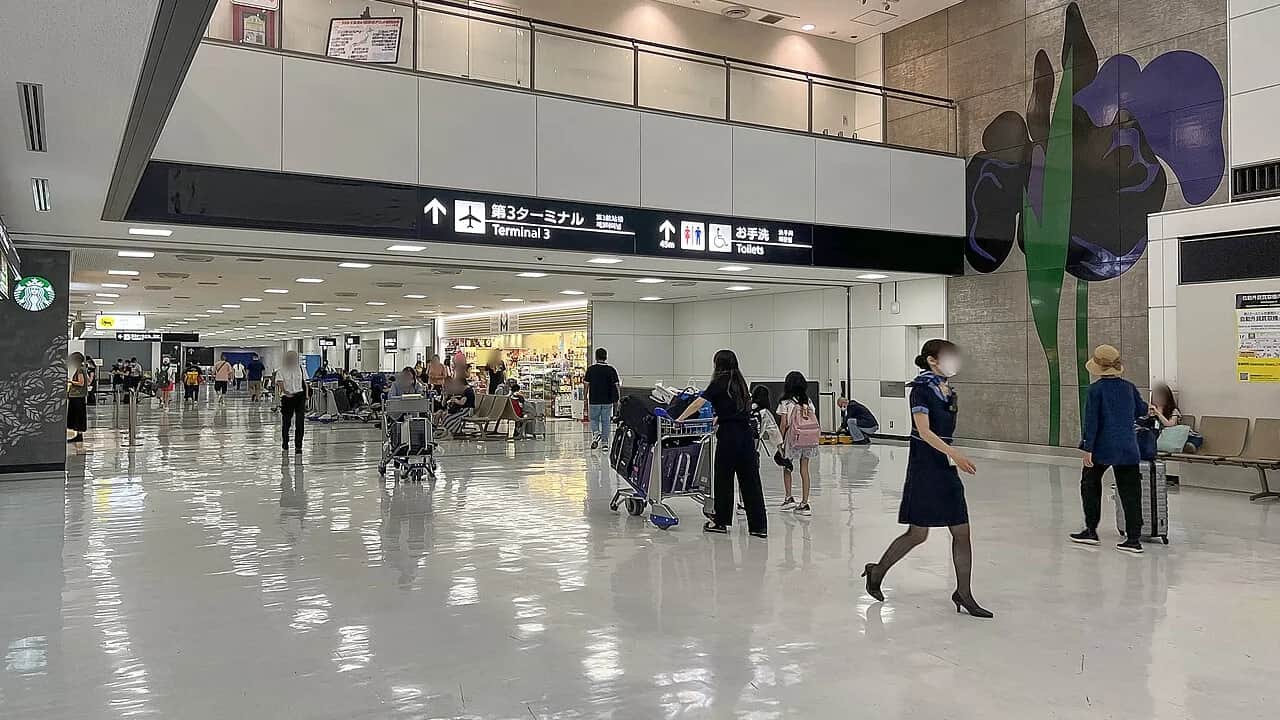
- countries and regions whose citizens enter Japan without a visa for a short stay
- 74
- single-entry visa fee since 1 July 2026, about $94, waived for some nationalities
- ¥15,000
- foreign residents in Japan at the end of June 2026, a record
- 4.28 million
On this page
The Japan visa you need depends on three things: why you are going, for how long, and which passport you hold. A holiday of up to 90 days requires no visa for 74 nationalities. Working, studying, joining a spouse or staying longer always starts with a status of residence, and usually with a document called the Certificate of Eligibility. This page maps every route as the rules stand on 14 November 2026, with the fees that changed on 1 July and 1 October 2026.
Which Japan visa do you need? Purpose, length of stay and passport
Find your situation in the first column. The last column tells you whether something must be done before you fly.
| Your plan | Length of stay | Who can use it | Visa or status | Before you travel |
|---|---|---|---|---|
| Holiday, family visit, unpaid business meetings | Up to 90 days (15 or 30 days for a few passports) | 74 visa-exempt nationalities, including the US, UK, Canada, Australia and the EU | No visa, Temporary Visitor status on arrival | Nothing required, Visit Japan Web recommended |
| Holiday or family visit | Up to 90 days | All other nationalities (India, China, the Philippines, Vietnam and others) | Short-stay visa or eVISA | Apply at the consulate for your place of residence |
| Job with a Japanese employer | 3 months to 5 years, renewable | Any nationality with a job offer and a degree or experience | Work status, most often Engineer / Specialist in Humanities / International Services | Certificate of Eligibility, then visa |
| A year of travel funded by casual work | 6 months to 1 year, by agreement | Ages 18 to 30, citizens of 33 partner countries, not the US | Working holiday visa | Visa at the embassy in your own country |
| Remote work for a foreign employer or clients | 6 months, no extension | 50 nationalities, income of 10 million yen a year | Digital nomad visa (Designated Activities) | Visa at the consulate |
| University, vocational or language school | Up to 4 years and 3 months | Any nationality admitted by a school in Japan | Student status | Certificate of Eligibility, then visa |
| Living with a Japanese or permanent resident spouse | 6 months to 5 years, renewable | Legally married spouses and children | Spouse or Child of Japanese National, Spouse or Child of Permanent Resident | Certificate of Eligibility, then visa |
| Joining a partner who works or studies in Japan | Follows the main holder, up to 5 years | Spouse and children of most work and student status holders | Dependent status | Certificate of Eligibility, then visa |
| Senior or highly paid career | 5 years, then indefinite | 70 points on the official grid, or the J-Skip income levels | Highly Skilled Professional | Certificate of Eligibility, then visa |
| Running your own company in Japan | 3 months to 5 years, renewable | Founders with 30 million yen of capital and a full-time employee | Business Manager, or a startup visa first | Certificate of Eligibility, then visa |
| Staying for good | Indefinite | Residents after 10 years, or 1 to 5 years on the faster routes | Permanent residency | Applied for inside Japan only |
Two words are used loosely in most guides. A visa is the sticker a Japanese embassy or consulate puts in your passport so that you can board and ask to enter. A status of residence is what the immigration officer grants at the airport, and it is the status that defines what you may do and for how long. Japan has around thirty of them, and each one allows a defined set of activities. A software engineer cannot open a restaurant on an Engineer status, and a tourist cannot take a job.
Do you need a visa to go to Japan? Who enters visa-free
Japan has reciprocal visa exemption arrangements with 74 countries and regions, according to the list kept by the Ministry of Foreign Affairs (MOFA). If your passport is on it, you need no visa for tourism, family visits or unpaid business. You receive a landing permission at the airport and the status of Temporary Visitor.
| Passport | Short-stay visa needed? | Stay granted on arrival |
|---|---|---|
| United States, Canada, Australia, New Zealand | No | 90 days |
| EU countries, Norway, Iceland | No | 90 days, counted separately from Schengen |
| United Kingdom, Ireland, Germany, Austria, Switzerland, Liechtenstein, Mexico | No | 90 days, with an extension to 6 months in total that can be requested in Japan |
| Singapore, South Korea, Malaysia, Taiwan, Hong Kong | No | 90 days |
| Brunei, Qatar | No | 30 days |
| Thailand, Indonesia | No | 15 days |
| India, China, the Philippines, Vietnam, Pakistan, Bangladesh, Nigeria, Russia | Yes | 15 to 90 days, as written on the visa |
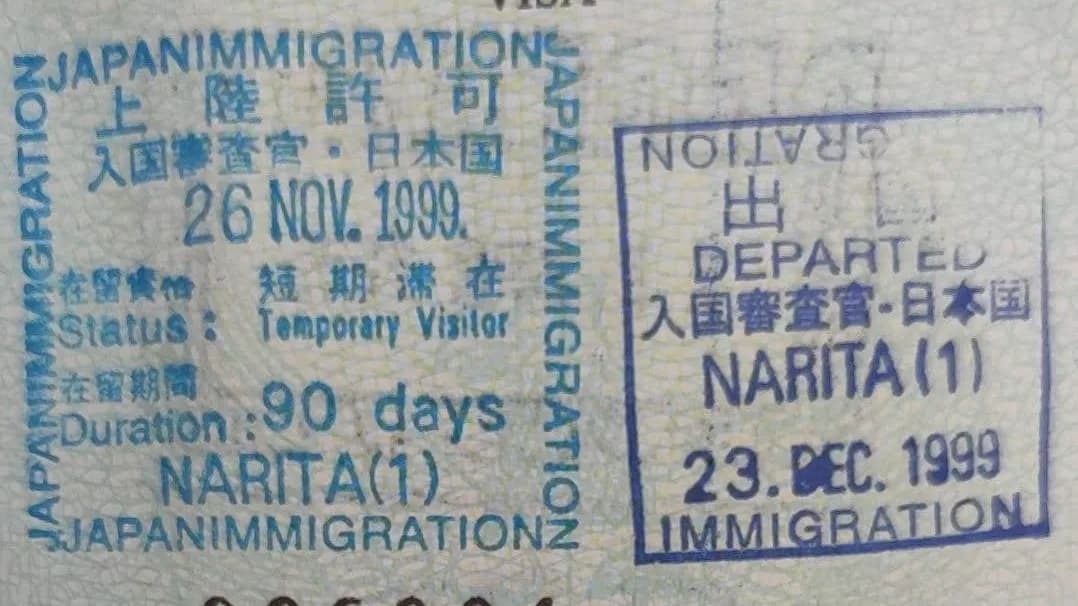
The exemption follows your nationality, not where you live. A US green card or a UK residence permit does not give you the waiver. It also stops where paid activity starts: a job, a paid performance or a stay prepared with a Certificate of Eligibility all require a visa, whatever your passport. Our page on the Japan tourist visa and entry requirements has the full list by nationality, the documents for those who must apply, the eVISA and the status of JESTA, the travel authorization that Japan plans for fiscal year 2028.
Nothing has to be filled in online before you fly. Visit Japan Web is a free government service that produces one QR code for immigration and customs. It is recommended, the paper forms are still accepted, and it is not a visa. If you are coming for a holiday, the rest of your planning is in our Japan travel guide.
Japan visa types and requirements, status by status
Here is what each family of status asks for and allows. Six of them have a full guide on this site, linked in each paragraph. The others are summed up here with the rules in force in November 2026.
Visitor: the Temporary Visitor status
This is the status of every tourist, with or without a visa. It covers sightseeing, visiting relatives, conferences, trade fairs and contract meetings, as long as nobody in Japan pays you. It runs for 15, 30 or 90 days. An extension is granted in principle only for unavoidable humanitarian reasons such as medical treatment, outside the seven nationalities with a six-month agreement. You do not get a residence card, and you cannot switch to a work or study status from inside the country.
Work visas: a job offer, then a status that matches the job
There is no general work permit. Each status covers a type of job, and the employer sponsors the application. The most common by far is Engineer / Specialist in Humanities / International Services, held by 516,184 people in June 2026. It asks for a university degree related to the job or 10 years of experience. Others cover intra-company transfers, skilled trades such as chefs of foreign cuisine, and Specified Skilled Worker jobs in sectors with a skills test and a Japanese test. Periods of stay are 5 years, 3 years, 1 year or 3 months, renewable without a cap in most cases. The types, salary expectations and refusal reasons are detailed in our guide to the Japan work visa, and the job search itself in our page on jobs in Japan for foreigners.
Working holiday: ages 18 to 30, 33 partner countries
The working holiday visa lets young people travel and take casual jobs to fund the trip, without a sponsor. Japan has agreements with 33 countries and regions, among them the UK (6,000 visas a year), Canada (6,283), Australia, New Zealand and Germany (no limit), Ireland (800) and France (1,800). The United States has no agreement. Applicants must be 18 to 30 when they apply, hold savings set by each embassy and travel without dependants. Most stays last one year, and ten partners, including the UK and Canada, now allow a second participation. Quotas, funds and paperwork by nationality are in our guide to the Japan working holiday visa.
Digital nomad: six months of remote work for abroad
Since 2024 a Designated Activities visa lets remote workers stay six months while working for an employer or clients outside Japan. It is open to 50 nationalities, requires an annual income of at least 10 million yen (about $62,500) and a private insurance policy with at least 10 million yen of medical cover. It cannot be extended, gives no residence card, and you can apply again only after six months outside Japan. The income proof, insurance wording and family rules are covered in our guide to the Japan digital nomad visa.
Student visa: admission first, 28 hours of work a week
The Student status covers universities, vocational colleges and Japanese language schools. You apply to the school first. Once you are admitted, the school normally files the Certificate of Eligibility for you, with documents showing who pays for tuition and living costs and how. The period of stay is set case by case, up to 4 years and 3 months. Students may not work by default. With the permission to engage in other activities, they can work up to 28 hours a week, and up to 8 hours a day during the school's long holidays. Japan had 479,626 foreign students at the end of June 2026, and a student Certificate of Eligibility took 43 days on average that month. Applications pile up before the April and October intakes, so schools set their own deadlines months ahead.
Spouse visa and family statuses
Someone legally married to a Japanese citizen applies for the status of Spouse or Child of Japanese National. Someone married to a permanent resident applies for Spouse or Child of Permanent Resident. Both are granted for 5 years, 3 years, 1 year or 6 months, and both come with no restriction on work: any job, any hours, self-employment included. The spouse in Japan usually files the Certificate of Eligibility, and immigration looks closely at whether the marriage is genuine and the household can support itself. It is one of the slower files: 112 days on average for a Certificate of Eligibility granted in June 2026. The Dependent status is different. It is for the spouse and children of a foreign worker or student, and it allows work only with a permit, up to 28 hours a week.
Highly Skilled Professional and J-Skip
The Highly Skilled Professional status rewards strong profiles with better terms. You need 70 points on a grid that scores degree, experience, salary, age and Japanese ability. In exchange you receive five years from the first day, a spouse who can work full time, priority processing and a short path to permanent residency: 3 years, or 1 year with 80 points. J-Skip, introduced in April 2023, skips the points count for very high earners: 20 million yen a year (about $125,000) with a master's degree or 10 years of experience, or 40 million yen (about $250,000) with 5 years of management experience.
Business Manager and startup visa
The Business Manager status is for people who run a company in Japan, and it became much harder to get on 16 October 2025. The capital required went from 5 million to 30 million yen (about $188,000). The company must employ at least one full-time worker who is Japanese or holds a status such as permanent resident. The applicant or a full-time employee must have Japanese at B2 level, the manager needs three years of management experience or a relevant master's degree, and the business plan has to be checked by a qualified expert. Holders who qualified under the old rules have until 16 October 2028 before the new criteria alone can block a renewal. It is also the slowest status to obtain, at 212 days on average for a Certificate of Eligibility in June 2026. Founders who are not ready can start on a startup visa managed by certain cities, which gives up to two years to prepare.
Permanent residency
Permanent residency removes the renewals and the limits on work while you keep your nationality. The standard rule is 10 years of continuous residence, including at least 5 on a work or family-based status. Spouses of Japanese nationals and Highly Skilled Professionals qualify in one to three years. The fee rose from 10,000 to 200,000 yen (about $1,250) for applications received since 1 October 2026, and the spouse route and the language expectations tighten for applications filed from 1 April 2027. Conditions, documents and refusal reasons are in our guide to permanent residency in Japan.
Japanese citizenship by naturalisation
Naturalisation is not an immigration procedure. You apply in person at the Legal Affairs Bureau for your address, which belongs to the Ministry of Justice. The Nationality Act requires 5 years of continuous residence, but since 1 April 2026 the ministry asks in principle for 10 years or more in Japan as evidence of integration, along with everyday Japanese, spoken and written, and a longer review of tax and social insurance payments. Japan does not accept dual nationality in principle, so you are expected to give up your current citizenship. For most long-term residents who want security without that step, permanent residency is the closer goal.
Certificate of Eligibility: the document behind every long-stay Japan visa
Almost every route longer than 90 days goes through the Certificate of Eligibility (COE). It is issued by a regional immigration bureau in Japan, not by an embassy, and it confirms in advance that you meet the conditions of a status. With it, the visa at the consulate becomes close to a formality.
- Who applies: someone in Japan. Your employer, your school, your spouse or a registered immigration lawyer files it at the bureau that covers their address, on paper or online. You cannot file it yourself from abroad.
- Cost: the Immigration Services Agency (ISA) charges no fee for it.
- How long: the official standard is 1 to 3 months. Averages for permits granted in June 2026 ran from 43 days for students and 51 days for engineers to 112 days for spouses of Japanese nationals and 212 days for business managers.
- Format: since 17 March 2023 it can be sent by email. Your sponsor forwards it and you show it on your phone or as a printout.
- Validity: you must enter Japan within 3 months of the issue date, visa included. After that it lapses and the process starts again.
- What it is not: a COE alone does not let you in. You still need the visa from a consulate.
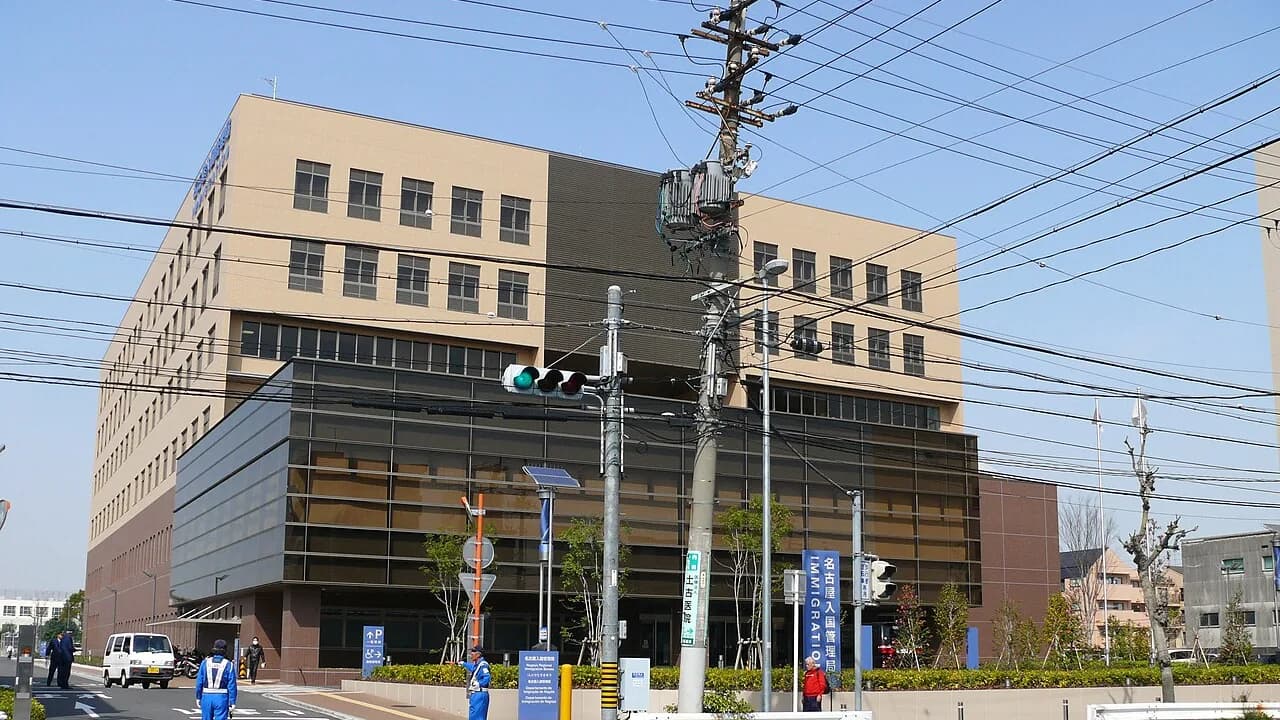
Three routes work without a COE. Short stays never use one. The working holiday and digital nomad visas are requested directly at an embassy or consulate with your own documents. Permanent residency is applied for inside Japan by people who already hold a status.
How to apply for a Japan visa at an embassy or consulate
Japan does not issue visas on arrival, and the Ministry of Foreign Affairs in Tokyo does not take applications. Everything goes through the Japanese embassy or consulate that covers the place where you live, in person, by post or through an accredited agency depending on the country.
- Check whether you need a visa at all. Visa-exempt passport and a short unpaid stay: stop here.
- For a long stay, wait for the COE. Your sponsor in Japan applies and sends it to you. Booking flights before it arrives is the classic way to lose money.
- Prepare the consulate file. Passport, visa application form, one recent photo, and the COE for a long stay. A short-stay file adds an itinerary, proof of funds and, for a family visit, documents from the host.
- Pay the fee if one applies to your nationality. Several consulates take cash only.
- Collect the visa. The embassy in London and the consulate in New York both quote five working days for a complete file. Less common visas can take longer.
- Enter Japan in time. A single-entry visa is valid for three months from the day it is issued and cannot be extended.
The only online option is the Japan eVISA, limited to short tourist stays for people who live in an eligible country or region, the US, the UK, Canada and Australia among them, and whose nationality is not exempt. The real portal sits on a mofa.go.jp address, and MOFA warns about lookalike sites that charge for a form or sell a visa that does not exist.
Japan visa costs and processing times in 2026
Two increases in 2026 made most older figures wrong. Consular visa fees went up on 1 July, for the first time since 1978, and immigration fees inside Japan followed on 1 October. Dollar amounts use a rate of about 160 yen to the dollar on 14 November 2026.
| Step | Fee in November 2026 | Time to allow |
|---|---|---|
| Visa-free entry | Free | Granted at the airport |
| Visa, single entry | About ¥15,000 ($94). $101 at US consulates, £77 in the UK, no fee for US citizens | About 5 working days |
| Visa, multiple entry | About ¥30,000 ($188). $201 at US consulates, £154 in the UK | About 5 working days |
| Certificate of Eligibility | Free | 1 to 3 months officially. June 2026 averages: 43 days (student), 51 days (engineer), 112 days (spouse of a Japanese national), 212 days (business manager) |
| Extension or change of status, 1 year granted | ¥33,000 at the counter ($207), ¥27,000 online ($169) | About 6 weeks for a work status renewal |
| Extension or change of status, 3 years granted | ¥64,000 at the counter ($401), ¥56,000 online ($350) | About 6 weeks for a work status renewal |
| Extension or change of status, 5 years granted | ¥75,000 at the counter ($469), ¥65,000 online ($407) | About 6 weeks for a work status renewal |
| Permanent residency | ¥200,000 ($1,250), paid only on approval | 4 to 6 months officially. Published average: 289 days in June 2026, 309 days in August |
| Re-entry permit | ¥3,500 single, ¥6,500 multiple online. ¥4,000 and ¥7,000 on paper | Requested before you leave Japan |
Three things to read into this table. First, the consular fee depends on your passport. It is waived for many nationalities under reciprocal agreements, and working holiday visas are free for Canadians, Australians and Irish citizens. Your consulate's fee page gives the amount you will pay. Second, the immigration fees are charged per person and on approval. A family of four renewing for three years online pays four times ¥56,000, plus handling charges. Before October 2026 the same renewal cost ¥6,000 each at the counter. Third, the averages are national figures for permits that were granted, published each month by the ISA. They exclude refusals and say nothing about your bureau, and the busiest ones, Tokyo first, are slower.
The gap is widest for permanent residency. The standard on the ISA page is 4 to 6 months, yet the agency's own monthly data put the average at about ten months in summer 2026. Plan for a year, and keep your current status valid throughout.
Japan visa mistakes that cost time or money
- Looking for a 90-day visa to buy. If your passport is exempt there is nothing to apply for. Sites that sell a Japan visa or travel authorization to Americans, Britons or Australians are selling a form you do not need.
- Arriving as a tourist to look for work. You can attend interviews. You cannot start working, and the change to a work status is in principle refused from inside Japan. Telling the officer at the airport that you intend to work can get you refused entry.
- Counting on a working holiday to become a work visa. The French and Dutch embassies state that the working holiday status cannot be changed in Japan. Immigration decides case by case. Plan for the standard route, a COE and a new visa from your home country, and treat anything better as a bonus.
- Working remotely on a tourist entry. The Temporary Visitor status is not designed for it. The digital nomad visa exists for that purpose, and its income threshold is high.
- Booking flights before the COE arrives. The three-month official ceiling is regularly reached for family files, and business manager files take around seven months.
- Letting the COE expire. It is valid for three months and a lost or expired certificate is not reissued. The sponsor has to apply again.
- Relying on pre-2026 prices. Guides that quote ¥3,000 for a visa or ¥10,000 for permanent residency describe the fees before July and October 2026.
- Planning a company on 5 million yen. That was the Business Manager threshold until 16 October 2025. It is now 30 million yen with a full-time employee.
- Expecting citizenship after five years. The law says five, the practice since April 2026 is ten.
- Paying taxes, pension or health insurance late. Nothing damages a renewal or a permanent residency file more reliably. Late payments shorten the period you are granted and are a leading cause of refusal.
After the visa: residence card, address registration and renewals
Anyone admitted on a work, study or family status for more than three months receives a residence card (digital nomads do not), handed over at the airport at Narita, Haneda, Kansai, Chubu and other major airports. It replaces your passport as ID inside Japan, and you must carry it. You then have 14 days after moving in to register your address at the city or ward office. That registration opens the door to public health insurance, the pension system, a bank account and a phone contract. The order in which to do all this is laid out in our guide on how to move to Japan.
A status is renewed at the regional immigration bureau or online, from three months before it expires. Immigration looks at whether you still do the activity your status covers and whether your resident tax, pension and health insurance premiums are paid. Enrol properly from the first month, as explained in our pages on healthcare in Japan and tax in Japan for foreigners, and keep every receipt. Changing jobs within the same status needs only a notification within 14 days. Changing activity, from student to employee for example, needs a change of status before you start.
If you leave Japan for less than a year, and come back before your status expires, tick the special re-entry box on the departure card and your status stays alive. A longer absence needs a re-entry permit obtained before departure. Without one, the status ends when you exit and you start again from the Certificate of Eligibility.
In this section

Who enters Japan without a visa and for how long, who must apply, 2026 fees, documents, extensions, entry requirements and where JESTA stands.
Visit Japan Web step by step: official site, account, passport scan, immigration and customs QR code, families, offline use and paper forms in 2026.
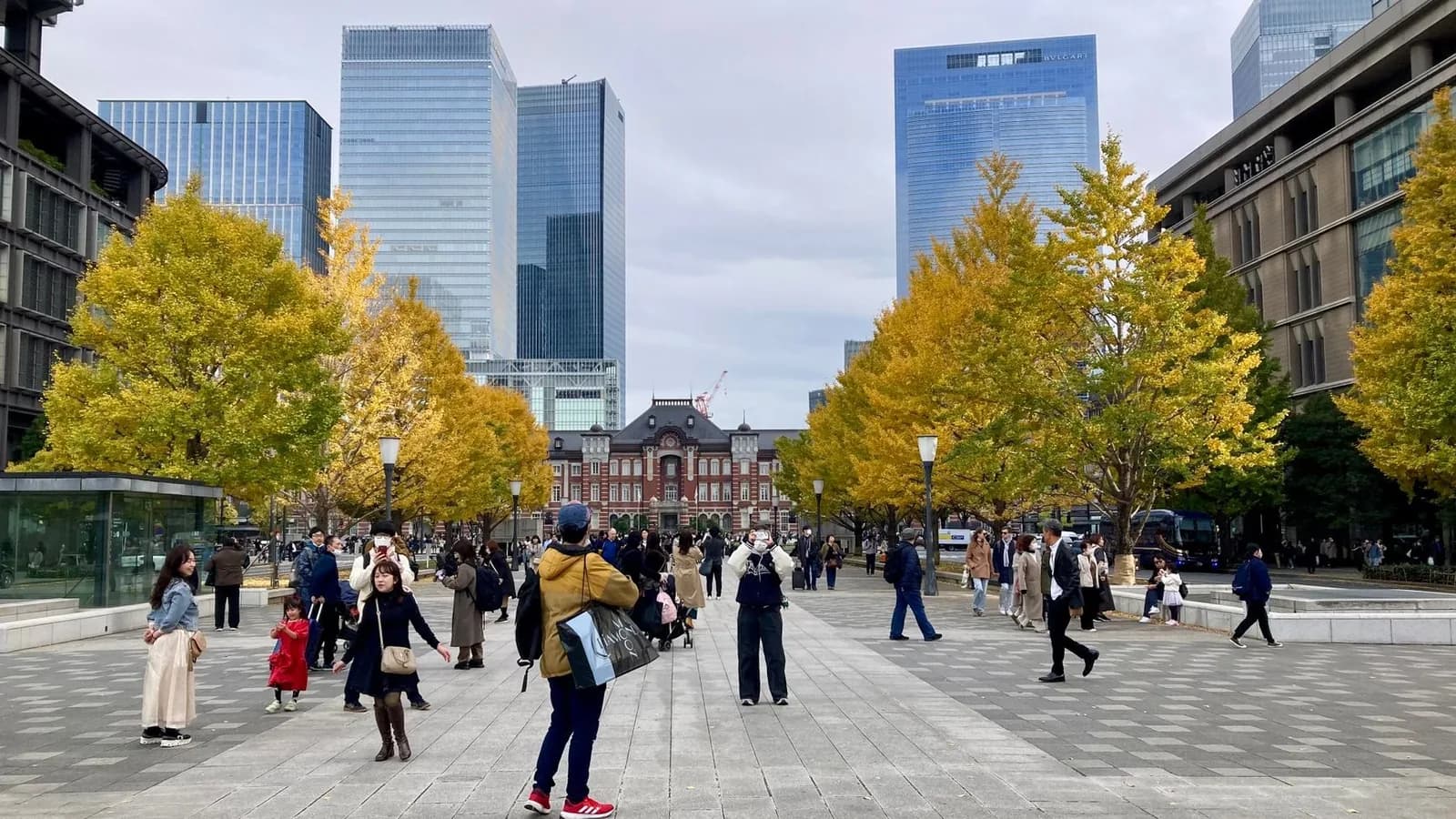
How to get a Japan work visa in 2026: the main statuses, degree and experience rules, the Certificate of Eligibility, real processing times and new fees.
Japan working holiday visa in 2026: the 33 eligible countries, why the US is not one, age limit, funds, quotas and documents for the UK, Canada and the EU.

Japan digital nomad visa in 2026: 50 eligible nationalities, 10 million yen income, insurance rule, documents, fees, family, tax and what you do not get.
Who can get permanent residency in Japan: the 10-year rule, spouse and 70 or 80-point routes, the ¥200,000 fee, documents, processing time and refusals.