- average nightly hotel rate in Tokyo in May 2026 (STR), about $207, up 12.8% in a year
- ¥33,168
- fastest Narita Express from Narita Airport to Tokyo Station, ¥3,140 (about $20)
- 53 min
- a night in a central Tokyo capsule hotel on a weekday in 2026, about $25 to $41
- ¥4,000 to ¥6,500
On this page
Where to stay in Tokyo depends on how you travel. For a first trip, Shinjuku or Shibuya give you the most hotels, direct airport trains and life until late. Asakusa and Ueno are cheaper and quieter, Tokyo Station and Ginza suit luxury stays and early Shinkansen, and Shinagawa is 11 to 14 minutes from Haneda. Below, the best area for each type of trip, four hotels in four areas, then each district in detail and a full guide to capsule hotels.
The best area to stay in Tokyo for each type of trip
| You are | Stay in | Why |
|---|---|---|
| On a first trip | Shinjuku or Shibuya | Direct trains to both airports, the widest choice of hotels, food and shops open late |
| On a budget | Ueno, Asakusa or Ikebukuro | The lowest hotel prices of central Tokyo, cheap capsule hotels and family-run inns |
| Here for the nightlife | Shinjuku, then Roppongi | Golden Gai, Omoide Yokocho and Kabukicho in Shinjuku, clubs and late bars in Roppongi |
| With children | Asakusa, Ginza or Tokyo Station | Calm evenings, apartment hotels with room for four, easy day trips by train |
| Looking for luxury | Marunouchi, Otemachi or Nishi-Shinjuku | Palace Hotel, Aman, Hoshinoya and the Park Hyatt, reopened in December 2025 |
| In transit or staying one or two nights | Shinagawa or Tokyo Station | Haneda in 11 to 14 minutes from Shinagawa, the Narita Express and all Shinkansen lines from Tokyo Station |
| An anime or gaming fan | Akihabara or Ikebukuro | Arcades and figure shops on the doorstep, Sunshine City and Otome Road in Ikebukuro |
Whatever the area, the rule that matters most is to sleep within five minutes' walk of a station on the JR Yamanote Line or the subway. Tokyo is huge, a 15-minute taxi costs around ¥4,000 to ¥5,000, and trains stop around midnight. What to see in each district is in our guide to the best things to do in Tokyo.
Four Tokyo hotels in four areas: Shinjuku, Shibuya, Tokyo Station and Asakusa
One hotel per area, from a mid-range base in Asakusa to a luxury address facing the Imperial Palace.
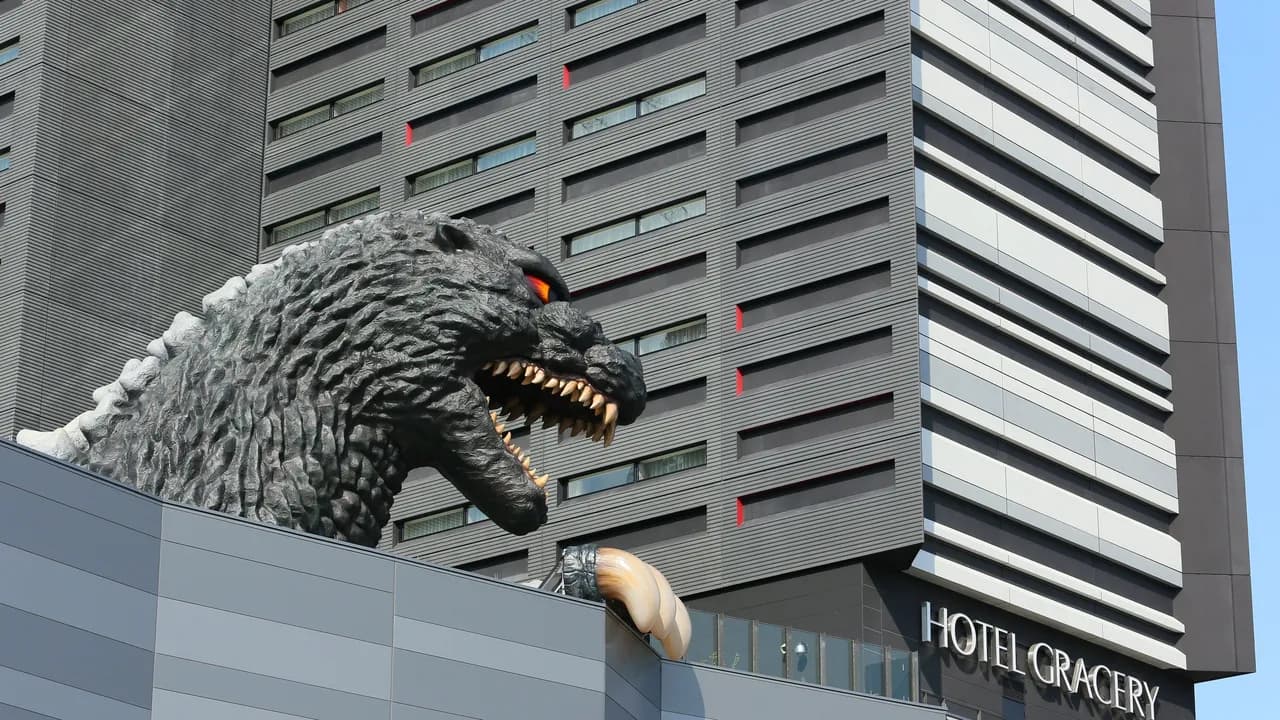 Photo: Expedia Group9.0
Kabukicho, Shinjuku★★★★
Hotel Gracery Shinjuku
Rated 9.0/10 from 5,627 Hotels.com reviews
The hotel with the Godzilla head on its roof, a short walk from Shinjuku Station, for a first trip with the night district on the doorstep.
- About 5 min on foot from Shinjuku Station
- Godzilla terrace on the 8th floor
- Narita Express and Romancecar to Hakone nearby
See prices for my dates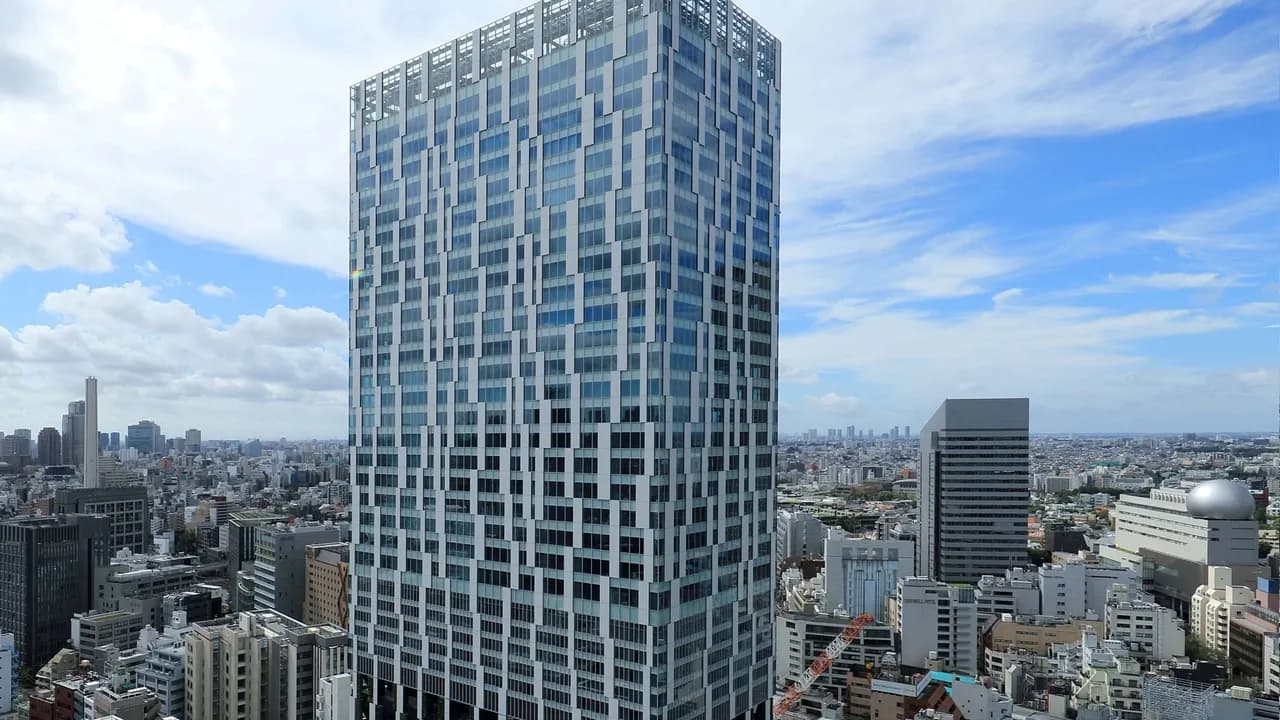 Photo: Expedia Group9.6
Shibuya Stream, Shibuya★★★½
SHIBUYA STREAM HOTEL
Rated 9.6/10 from 1,228 Hotels.com reviews
A hotel inside the Shibuya Stream tower, linked to Shibuya Station by a walkway, so rain and late nights are no problem.
- Direct link to Shibuya Station
- Opened in 2018
- On the Shibuya River promenade
See prices for my dates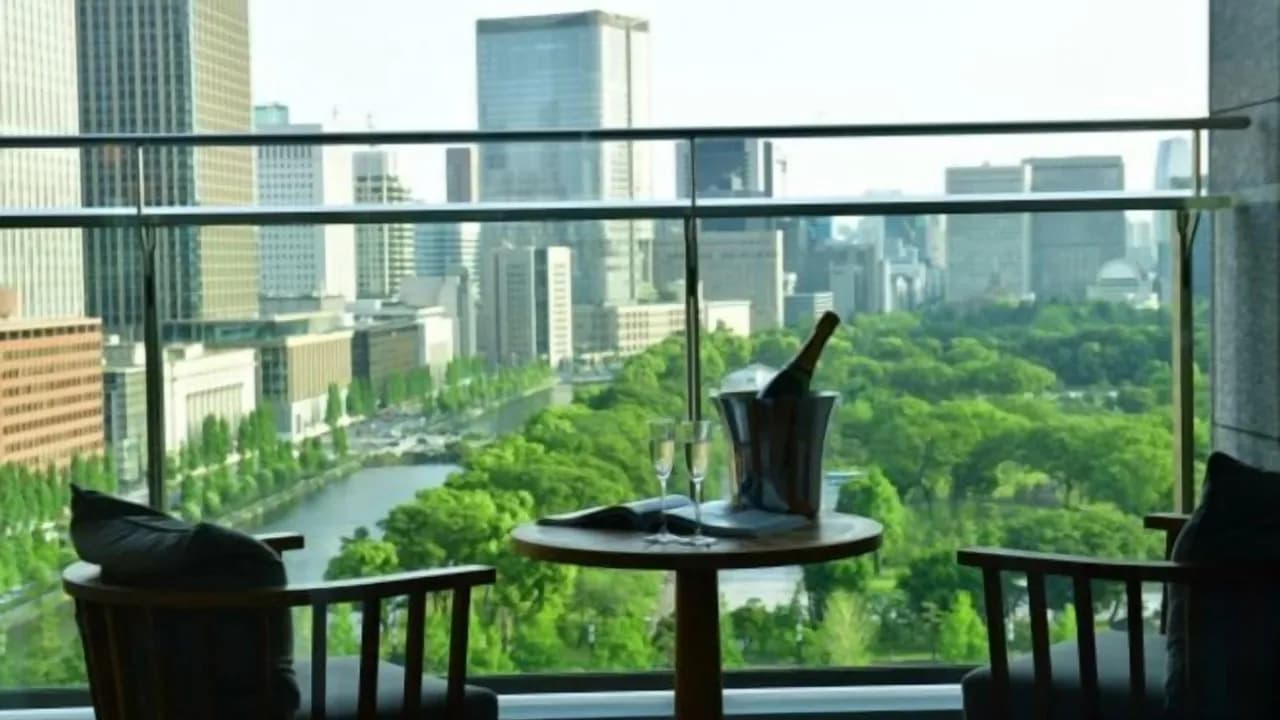 Photo: Expedia Group9.8
Marunouchi, Tokyo Station★★★★★
Palace Hotel Tokyo
Rated 9.8/10 from 1,000 Hotels.com reviews
Tokyo's luxury address facing the Imperial Palace moats, a few minutes' walk from the Shinkansen platforms of Tokyo Station.
- Views over the Imperial Palace gardens
- Underground link to Otemachi Station
- Easy Shinkansen days to Kyoto
See prices for my dates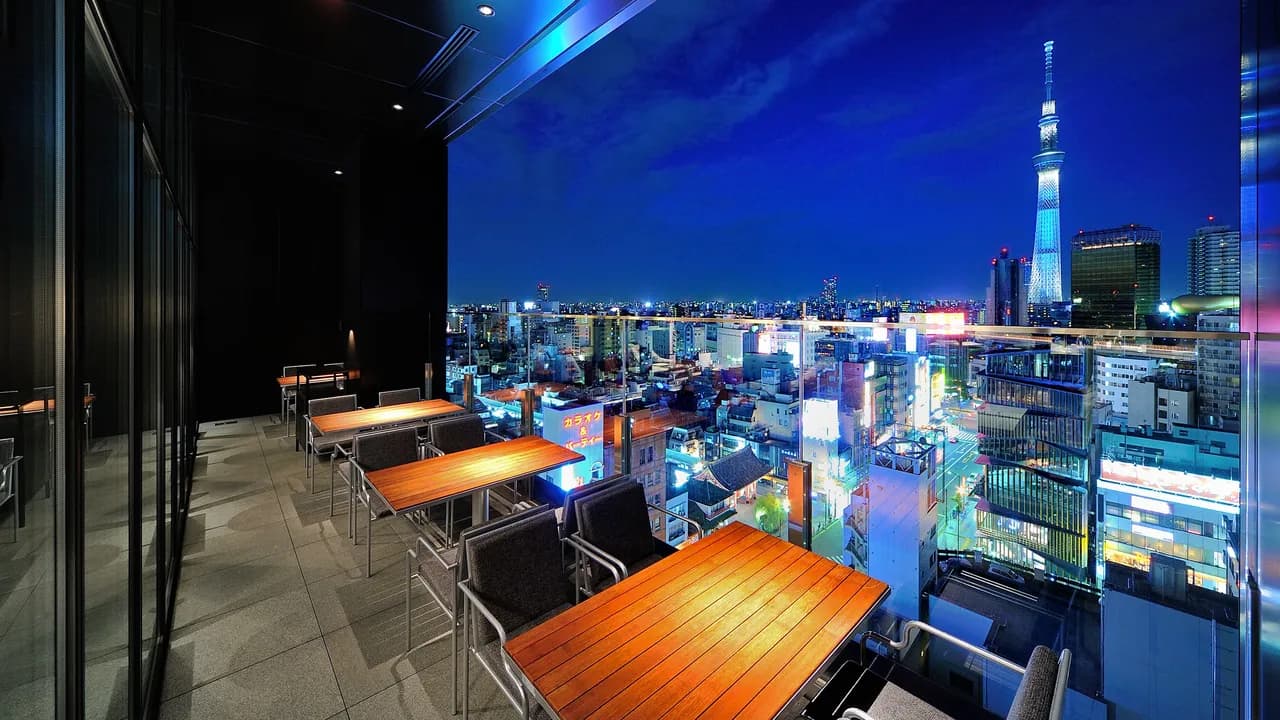 Photo: Expedia Group9.4
Kaminarimon, Asakusa★★★½
The Gate Hotel Kaminarimon by Hulic
Rated 9.4/10 from 1,002 Hotels.com reviews
A mid-range hotel facing the Kaminarimon gate, with a rooftop terrace that looks across to Senso-ji and the Skytree.
- Steps from Kaminarimon gate
- Rooftop terrace with Skytree view
- Toei Asakusa Line trains run through to both airports
See prices for my dates
Hotels.com ratings checked in November 2026. Prices and availability on Hotels.com for your dates.
Is it better to stay in Shinjuku or Shibuya?
Both work for a first trip, and they are only 7 minutes apart on the Yamanote Line. Pick Shinjuku for choice and rail links: it has the largest hotel stock in Tokyo, the Narita Express, the Romancecar to Hakone and direct trains to Mount Fuji, plus the bars of Golden Gai. Pick Shibuya if you want a younger, more compact area where you walk to Harajuku, Omotesando and Ebisu. The price gap is real: in an October 2026 survey of online hotel rates for a January weeknight by the travel blog The Invisible Tourist, mid-range doubles cost $145 to $245 in Shinjuku against $195 to $440 in Shibuya (theinvisibletourist.com).
Tokyo hotel prices by area in 2026
Tokyo got more expensive again this year. The average nightly rate in Tokyo hotels reached ¥33,168 in May 2026, about $207 and 12.8% more than a year earlier, according to the hotel data firm STR. The ranges below are per room per night for two people, before the accommodation tax.
| Area | Business hotel | Mid-range | Luxury | Mid-range double, January weeknight |
|---|---|---|---|---|
| Shinjuku | ¥8,000 to ¥15,000 | ¥15,000 to ¥30,000 | ¥30,000 to ¥80,000 | $145 to $245 |
| Shibuya | ¥10,000 to ¥18,000 | ¥20,000 to ¥50,000 (boutique) | n/a | $195 to $440 |
| Ginza and Tokyo Station | n/a | ¥15,000 to ¥25,000 | ¥30,000 to ¥100,000 and more | $125 to $170 (Ginza, Shimbashi) |
| Asakusa | ¥6,000 to ¥12,000 | ¥15,000 to ¥30,000 (ryokan) | n/a | $140 to $330 |
| Ueno | n/a | n/a | n/a | $110 to $125 |
| Roppongi | n/a | ¥15,000 to ¥25,000 | ¥35,000 to ¥90,000 | $130 to $315 (Minato) |
| Ikebukuro | ¥7,000 to ¥12,000 | ¥12,000 to ¥20,000 | n/a | n/a |
Yen ranges from the tokyotourism.org area guide, updated 29 October 2026. Dollar ranges from the theinvisibletourist.com survey of online hotel prices in October 2026, for a January weeknight, from the cheapest double to the best standard room of hotels the author stayed in. Treat both as low-season floors: the same rooms can cost 30% to 50% more in cherry blossom season. Kyoto and Osaka are cheaper on average, as our guides to where to stay in Kyoto and where to stay in Osaka show.
Where to stay in Shinjuku: the best base for a first trip
Shinjuku is Tokyo's busiest hub, with around 3 million passengers a day through its station, and the widest range of hotels, from capsules to the Park Hyatt. East of the station, Kabukicho, Golden Gai and Omoide Yokocho stay lively until late. West Shinjuku is office towers and big hotels, quieter at night, and the south side around Shinjuku Gyoen is the calmest.
- Who it suits: first-timers, nightlife, day trips to Hakone and Mount Fuji by direct train.
- Airports: Narita Express in about 80 minutes for ¥3,330 (only some trains run to Shinjuku), or the Limousine Bus to Haneda for about ¥1,400.
- Shinkansen: about 15 minutes to Tokyo Station on the JR Chuo Line.
- Weak points: the station is a maze with over 200 exits, so check which exit your hotel is near, and Kabukicho has touts and rip-off bars.
Where to stay in Shibuya: young, compact and pricier
Shibuya is the area for shopping, cafés and the crossing, with Harajuku and Omotesando 15 to 20 minutes away on foot and Shimokitazawa a few minutes away on the Keio Inokashira Line. New towers around the station, such as Shibuya Stream and Shibuya Scramble Square, brought a wave of new hotels, which is part of why prices here are the highest of the central areas.
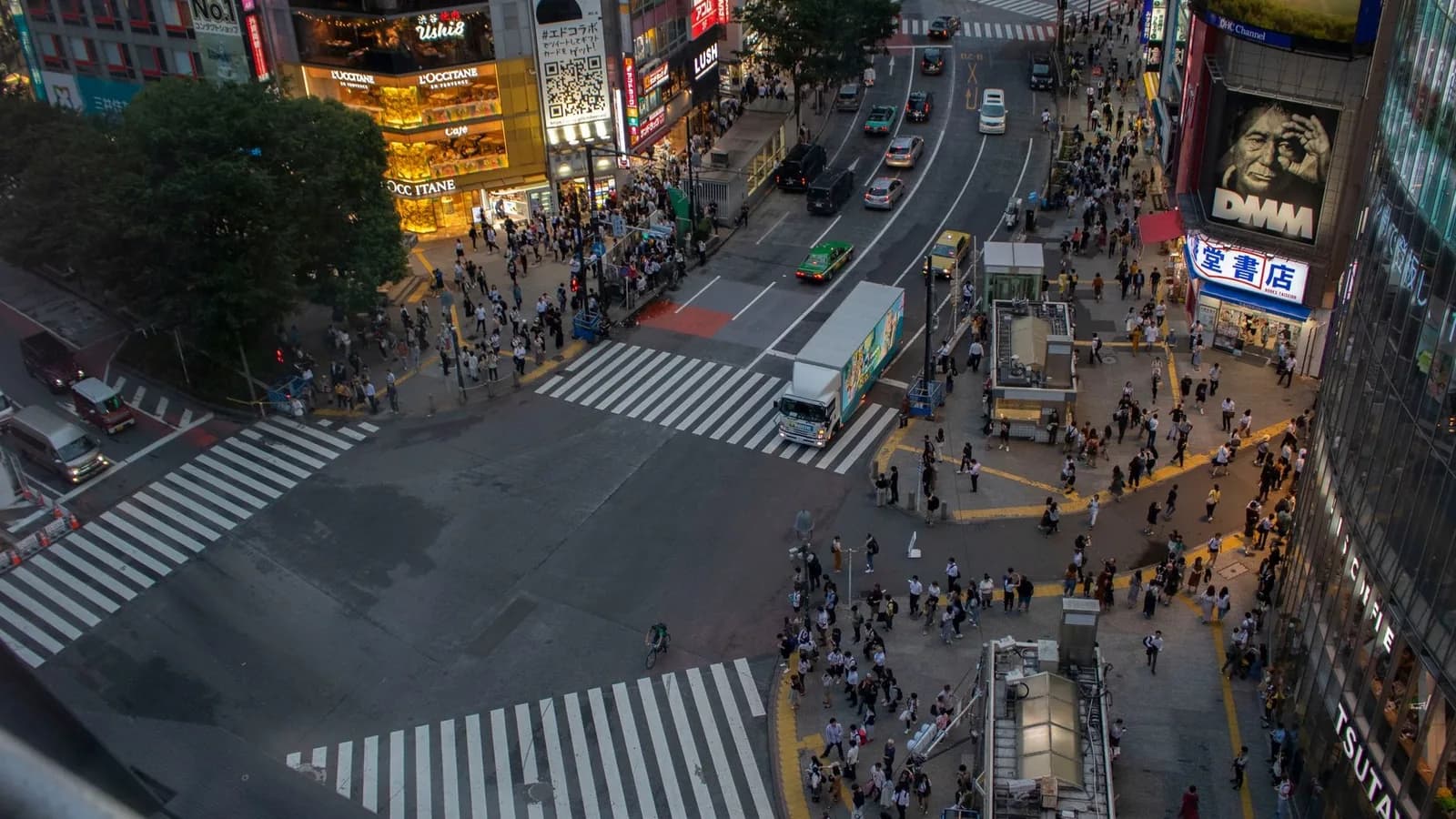
- Who it suits: couples, young travellers, shoppers, anyone who likes to walk between neighbourhoods.
- Airports: some Narita Express trains, about 75 minutes for ¥3,330, or airport buses. Haneda is about 25 minutes by train with one change.
- Shinkansen: about 25 minutes to Tokyo Station, or 15 minutes to Shinagawa.
- Weak points: crowded at all hours, small rooms for the price, and fewer cheap hotels than Shinjuku.
Where to stay in Ginza and near Tokyo Station: Shinkansen and luxury
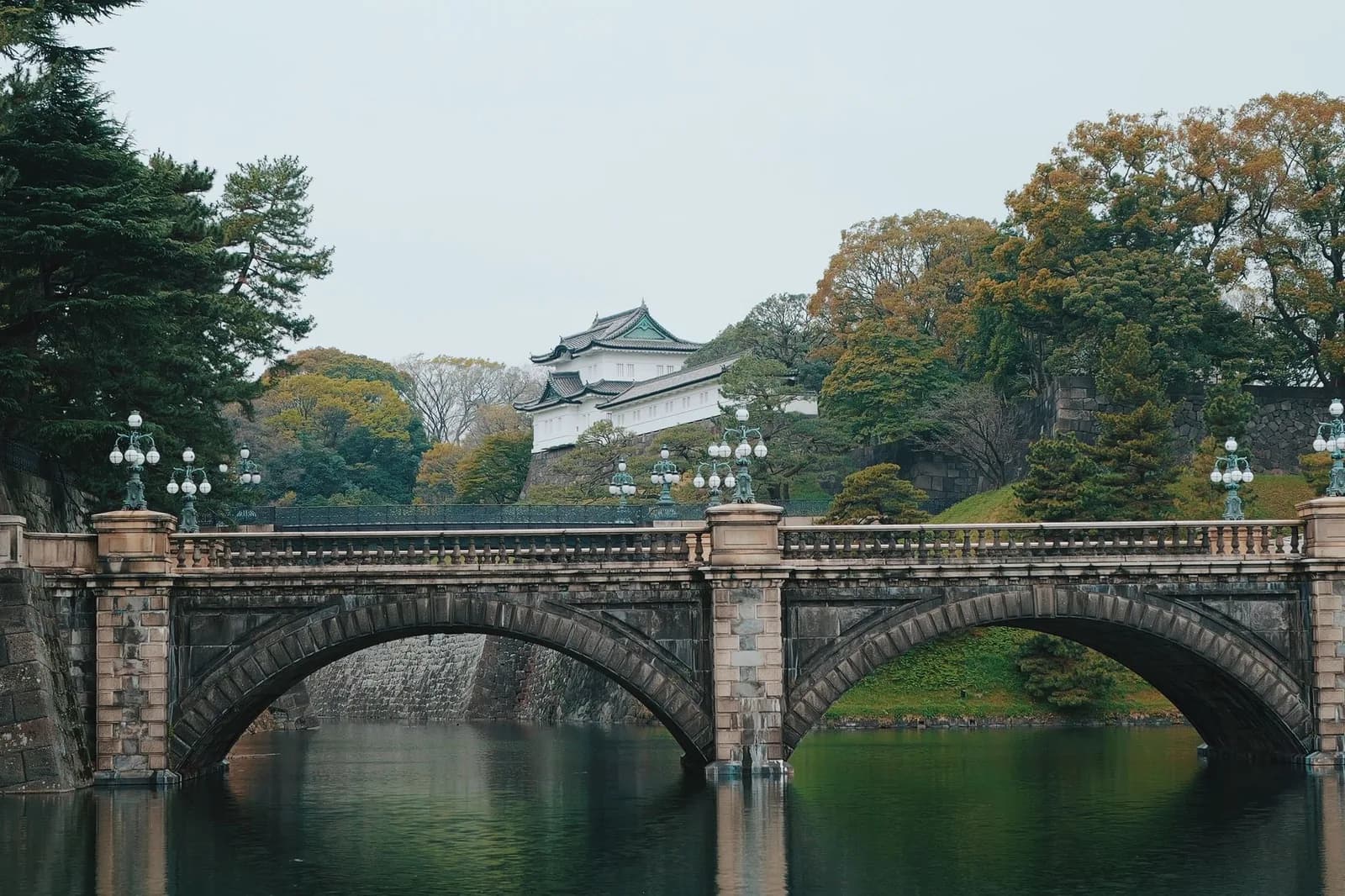
Tokyo Station is where every Shinkansen line starts, from the Tokaido line to Kyoto and Osaka to the lines north to Sendai, Nagano and Kanazawa. Around it, Marunouchi and Otemachi hold the city's grandest hotels, facing the Imperial Palace gardens, and Ginza next door has the department stores and the Kabuki-za theatre. Business hotels in Ginza and Shimbashi are often cheaper than their Shinjuku equivalents.
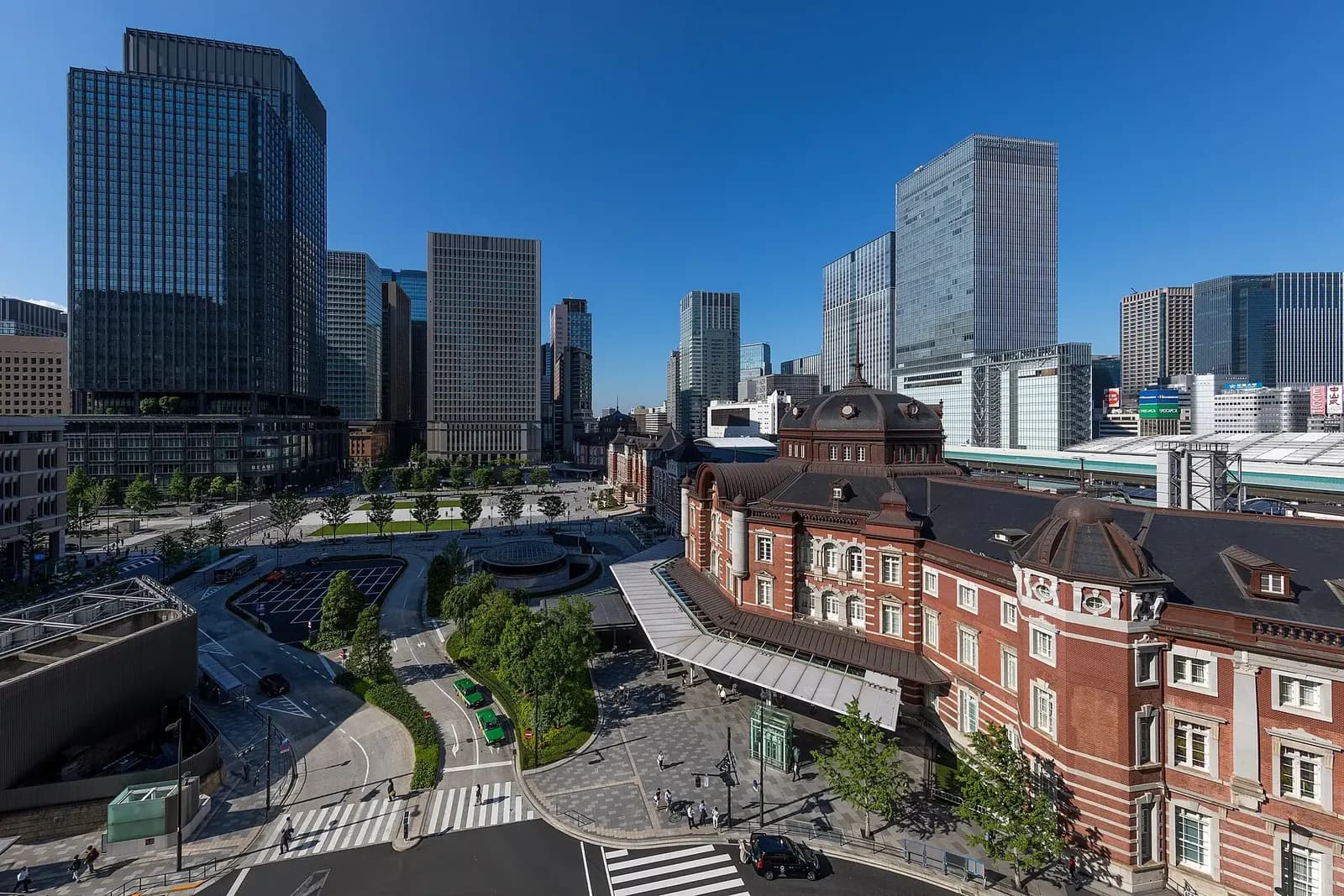
- Who it suits: luxury stays, families, early trains to Kyoto, short stays.
- Airports: Narita Express from Narita in about 53 minutes for ¥3,140, the cheap TYO-NRT bus from ¥1,500, and Haneda in about 30 minutes.
- Shinkansen: on site. Our guide to the Shinkansen explains tickets and seat reservations.
- Weak points: business districts that empty at night and at weekends, and little neighbourhood feel.
Where to stay in Asakusa: old Tokyo, good value, direct to both airports
Asakusa is the area of Senso-ji temple and Nakamise street, with low buildings, family-run inns and the Sumida River, and the Tokyo Skytree one stop away. It is the best area for a Japanese-style inn in the city and one of the cheapest for hotels. Apartment hotels with room for four make it popular with families.
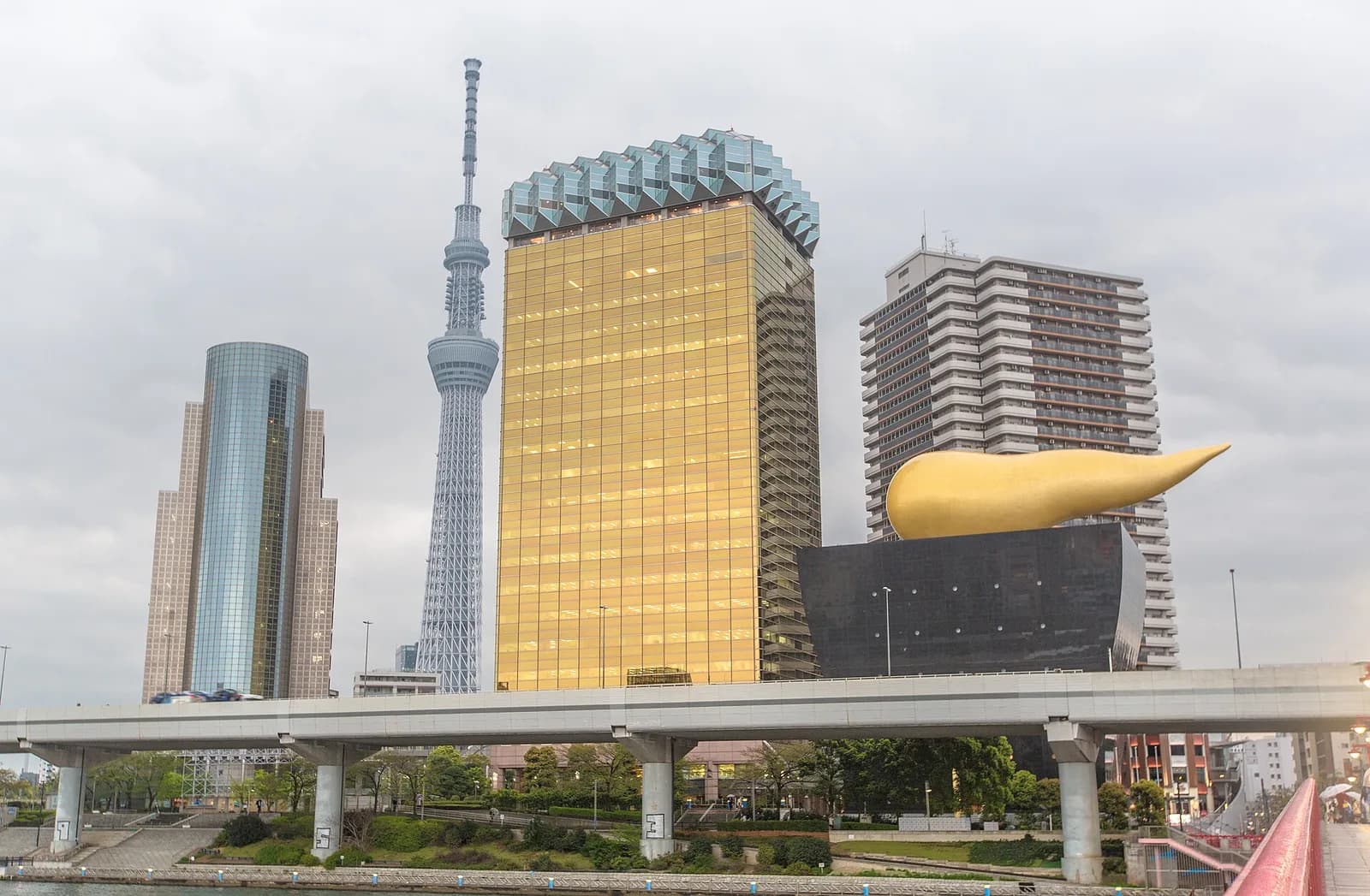
- Who it suits: budget travellers, families, ryokan lovers, early risers who want Senso-ji before the crowds.
- Airports: the Toei Asakusa Line runs through to both airports, about 50 minutes to Narita on the Keisei Access Express and 35 minutes to Haneda on the Keikyu line.
- Shinkansen: Ueno is 5 minutes away on the Ginza Line, Tokyo Station about 20 minutes, with no direct JR line.
- Weak points: quiet after 9 pm, and 35 to 40 minutes to Shibuya and Shinjuku.
Where to stay in Ueno: the cheapest central area
Ueno had the lowest prices in that survey, $110 to $125 for a mid-range double on a January weeknight. You get Ueno Park, the Tokyo National Museum, the zoo and the Ameyoko market street, and Asakusa is 5 minutes away on the Ginza Line.
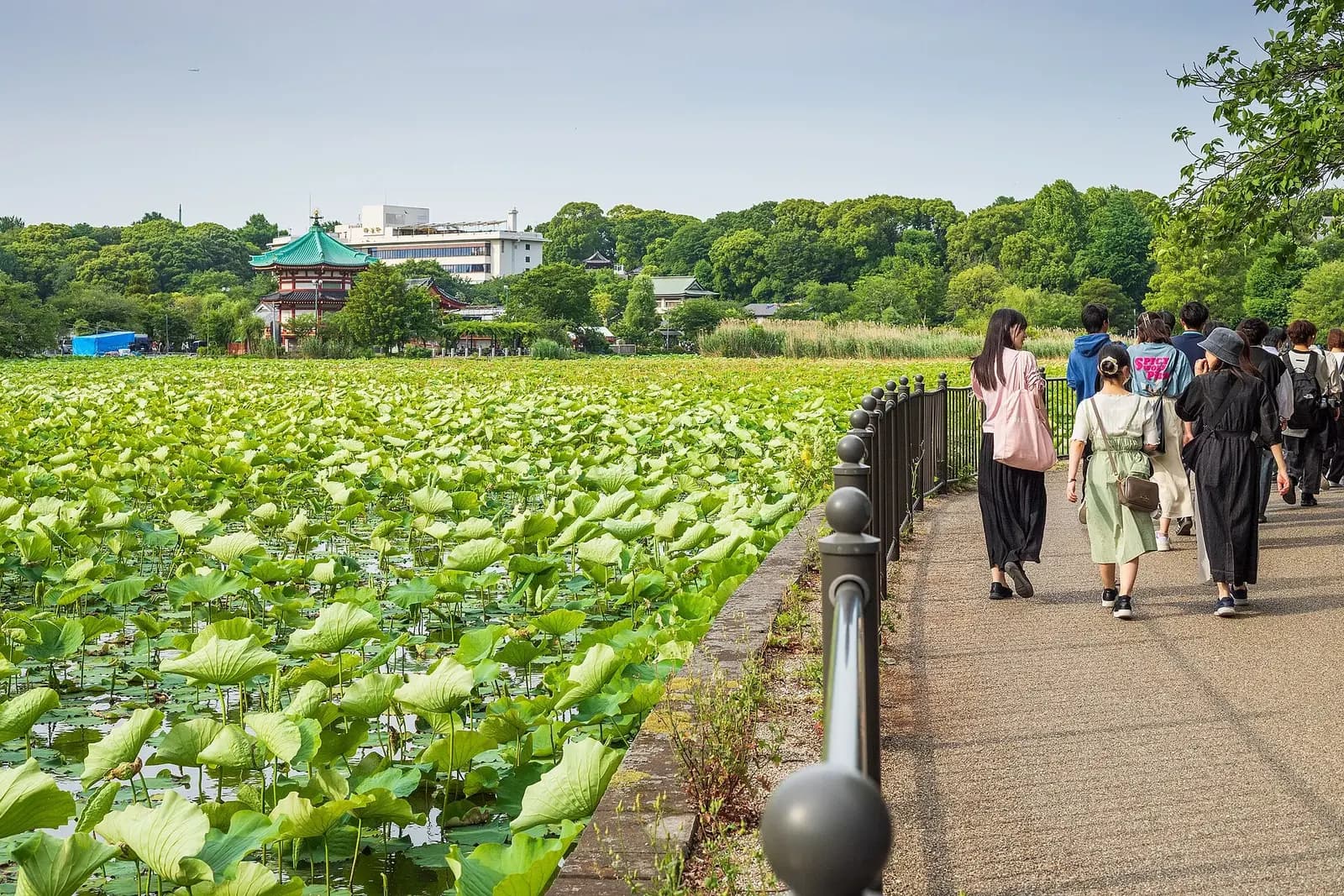
- Who it suits: budget travellers, museum lovers, anyone flying into Narita.
- Airports: the Keisei Skyliner reaches Narita in about 41 minutes from Keisei Ueno, for about ¥2,300 online or ¥2,580 at the counter.
- Shinkansen: the Tohoku, Hokuriku and Joetsu lines stop at Ueno, handy for Nikko, Nagano or the north.
- Weak points: mostly compact business hotels with few standout addresses, and 30 minutes to Shibuya.
Where to stay in Roppongi: art, international food and late bars
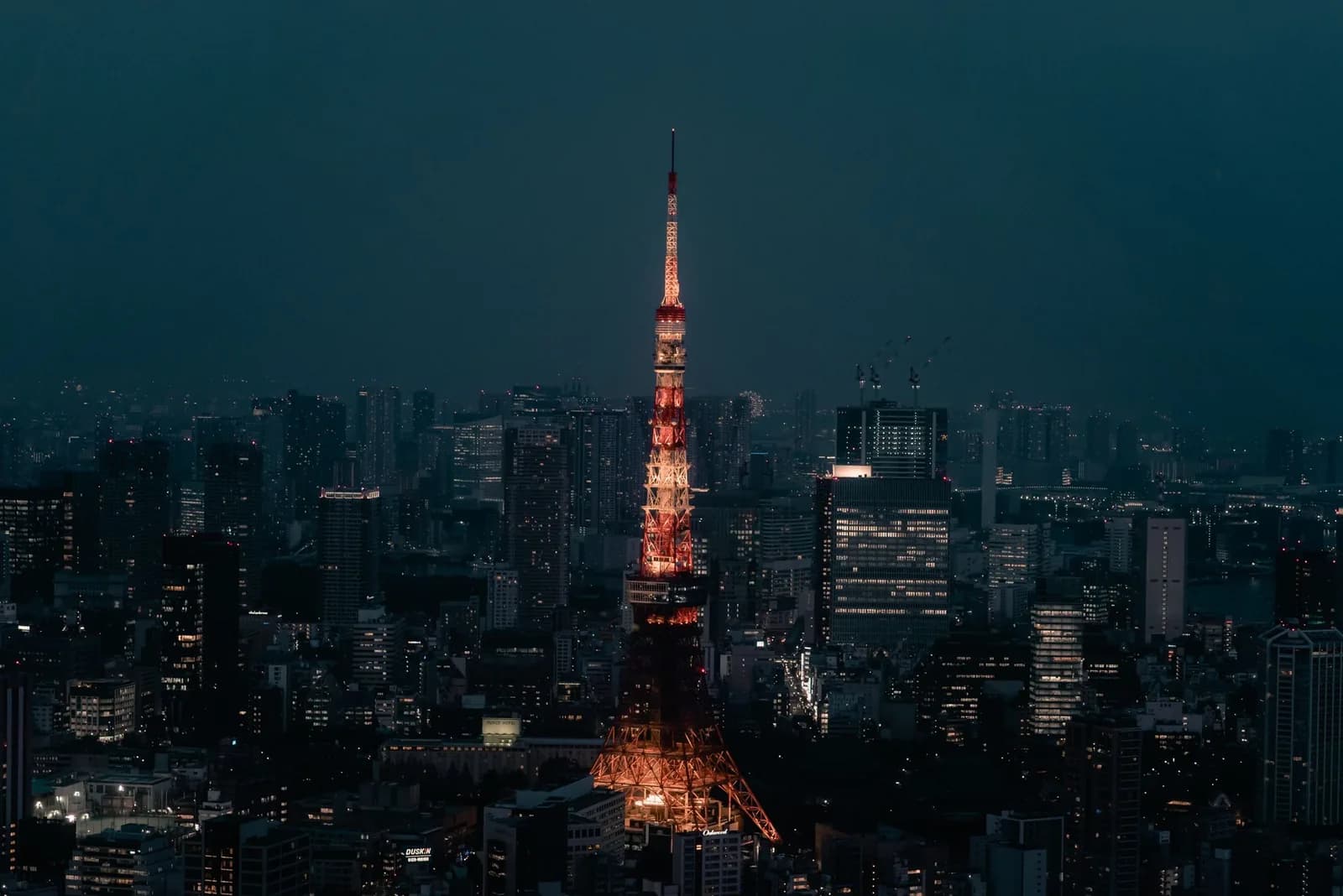
Roppongi mixes the Mori Art Museum, the National Art Center, Azabudai Hills and Tokyo Tower with clubs and bars that stay open until morning. Many embassies and international companies are nearby, so restaurants are the most international in Tokyo. Note that it is not on a JR line: you rely on the Hibiya and Oedo subway lines.
- Who it suits: nightlife, art, travellers who want Western food options and upscale hotels.
- Airports: airport buses to both, or Haneda in about 40 minutes by subway and monorail or Keikyu.
- Shinkansen: about 15 minutes to Tokyo Station by subway with one change.
- Weak points: the Roppongi crossing is rowdy on weekend nights, and touts work the main street.
Where to stay in Ikebukuro: cheaper hotels north of Shinjuku
Ikebukuro is less polished than Shinjuku but has a huge station, plenty of business hotels from ¥7,000 to ¥12,000, and Sunshine City with the Pokémon Center Mega Tokyo. Otome Road draws anime and manga fans. Shinjuku is about 5 minutes away on the JR Saikyo Line.
- Who it suits: budget travellers, anime fans, families visiting Sunshine City and its aquarium.
- Airports: Limousine Bus to Narita and Haneda, or the Narita Express on some trains.
- Shinkansen: about 20 minutes to Tokyo Station on the Marunouchi Line.
- Weak points: far from the east-side sights, and the west exit nightlife is rough around the edges.
Where to stay in Akihabara: anime, electronics and central rail links
Akihabara is two stops from both Tokyo Station and Ueno on the Yamanote Line, so it works as a central, mid-priced base with plenty of business hotels and capsules. Our guide to Akihabara Electric Town covers the arcades and shops.
- Who it suits: gamers and anime fans, travellers who want quick access to Tokyo Station and Ueno.
- Airports: about 60 minutes to Narita via Ueno and the Skyliner, about 35 minutes to Haneda via Hamamatsucho and the monorail.
- Shinkansen: Tokyo Station and Ueno are each about 4 minutes away.
- Weak points: few restaurants open late once the shops shut in the evening.
Where to stay in Shinagawa: the best base for Haneda and the Shinkansen
Shinagawa is the area few guides mention, and the most practical for a short stay. The Keikyu line reaches Haneda in 11 to 14 minutes for about ¥330, and all Tokaido Shinkansen trains to Kyoto and Osaka stop here. Large hotels line the west side, around Takanawa, and the area is quiet at night.
- Who it suits: travellers with an early or late flight from Haneda, one-night stopovers, a first night before heading to Kyoto.
- Airports: Haneda in 11 to 14 minutes, Narita in about 70 minutes by Narita Express for ¥3,330.
- Shinkansen: on site for the Tokaido line.
- Weak points: few sights within walking distance, and around 25 minutes to Asakusa on the direct Asakusa Line.
Capsule hotels in Tokyo: prices, women-only floors, luggage and who they suit
A capsule hotel rents you a sleeping pod about the size of a single bed, stacked two high, with a light, a socket and a curtain or shutter. Toilets, showers and sometimes a large bath are shared, and every guest gets a locker. In 2026 a basic capsule in central Tokyo starts at about ¥3,000 to ¥4,000 a night, a modern design capsule costs about ¥4,500 to ¥6,500 ($28 to $41), and Friday and Saturday nights, Golden Week and New Year can add 30% to 60% (tokyotourism.org, October 2026).
Capsule hotels for women in Tokyo
Many older capsules with a sauna are for men only, and their listing says so, often with the words caters to men. The modern chains take women on separate floors or areas opened with a key card or code: Nine Hours, First Cabin and The Millennials work like this. For a women-only building, look at nine hours woman Kanda or Nadeshiko Hotel Shibuya, which also has a Japanese-style bath.
Luggage, check-in times and house rules
The capsule does not lock. Valuables and clothes go in your locker, and large suitcases go in a luggage room or big lockers near reception, which can be tight for very large cases. Check-in is usually from 3 or 4 pm and check-out at 10 am. You can stay as many nights as you like: the idea that you must leave after nine hours is a myth. Nine Hours takes guests from age 6, First Cabin usually from 12, and The Millennials adults only. Where there is a shared bath, as at First Cabin or Nadeshiko, visible tattoos are not allowed, while shower-only hotels like Nine Hours do not ask.
Who should book a capsule, and who should not
A capsule is ideal for solo travellers, one or two nights, a late arrival or a cheap night between two trips. It does not suit couples, since each pod sleeps one, families with young children, light sleepers (curtains do not stop snoring) or anyone with a lot of luggage. Many travellers book one night in a capsule for the experience and the rest of the trip in a hotel. Three capsule hotels from the Hotels.com listings:
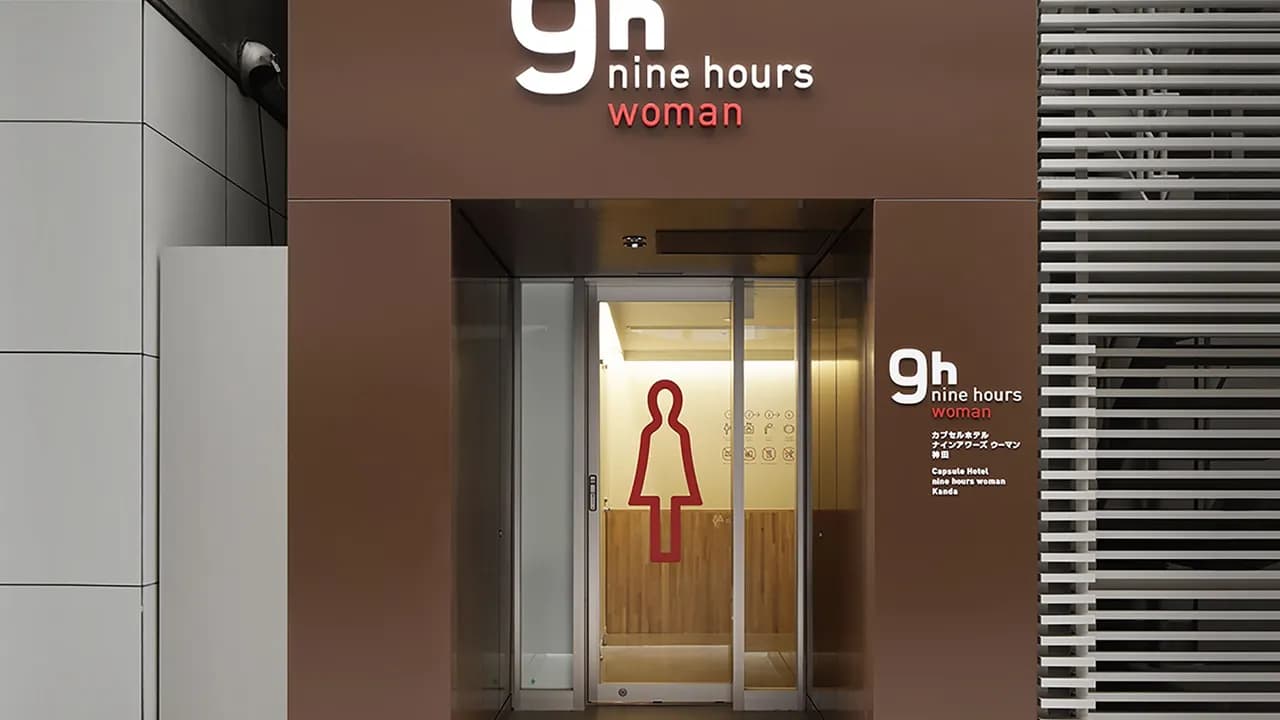 Photo: Expedia Group8.4
Kanda, Chiyoda★★
9h nine hours woman Kanda
Rated 8.4/10 from 551 Hotels.com reviews
A capsule hotel for women only, a short walk from Kanda Station on the Yamanote and Chuo lines, between Tokyo Station and Akihabara.
- Women only
- One stop from Tokyo Station
- Lockers for valuables
See prices for my dates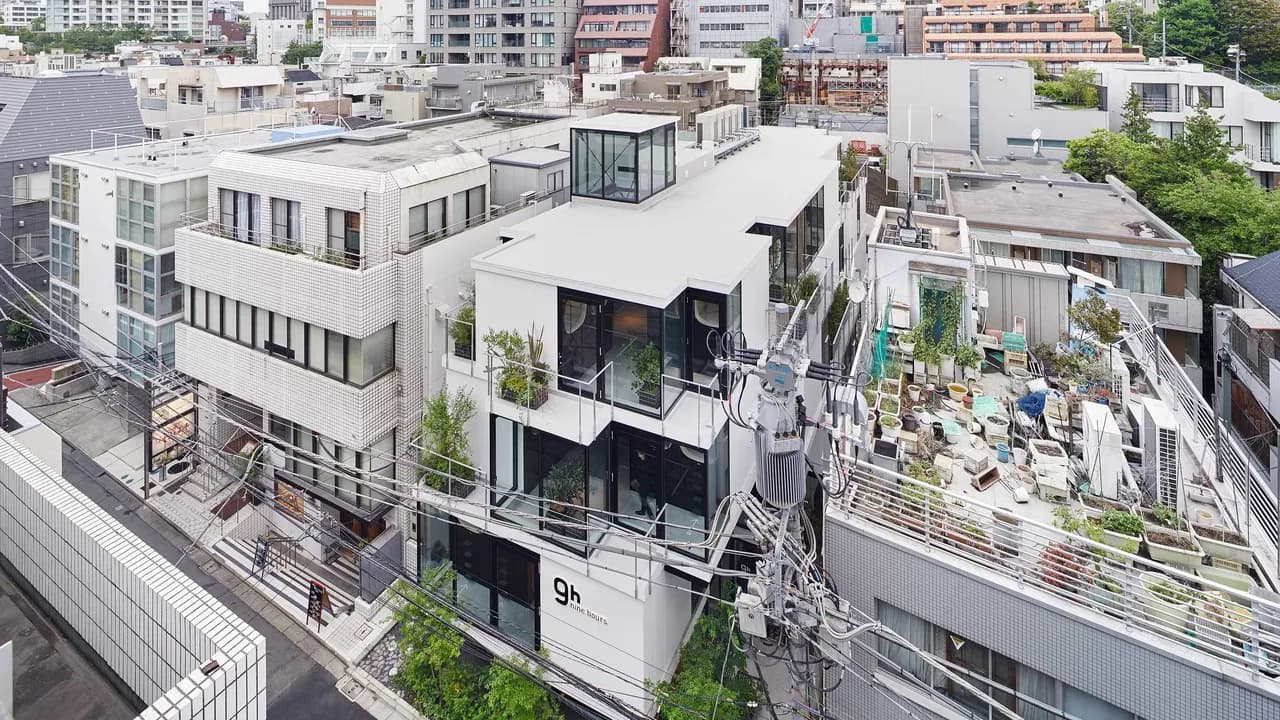 Photo: Expedia Group8.2
Akasaka, Minato★★½
9h nine hours Akasaka
Rated 8.2/10 from 987 Hotels.com reviews
A mixed capsule hotel with separate floors for men and women, two minutes on foot from Akasaka Sacas and the Akasaka ACT Theater, in a quiet business district with a 24-hour front desk.
- Mixed, separate floors for women
- 2 min walk to Akasaka Sacas
- 24-hour front desk
See prices for my dates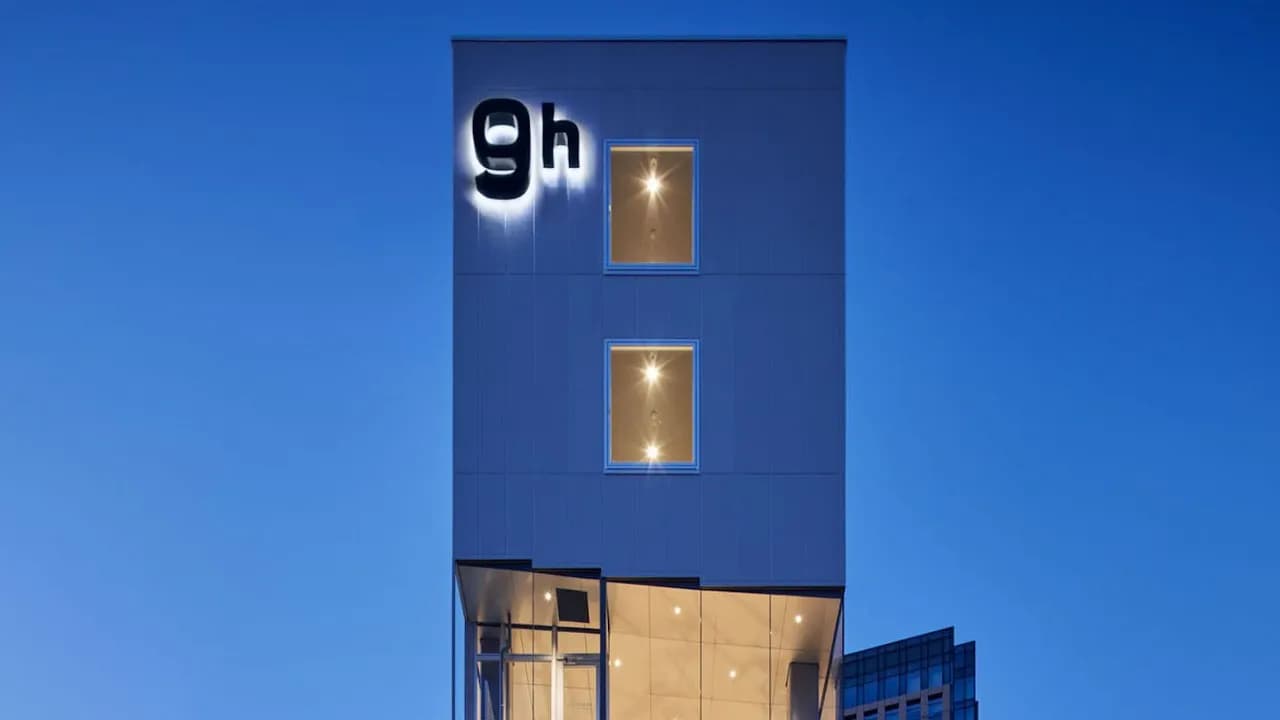 Photo: Expedia Group8.4
Suidobashi, Chiyoda★★½
9h nine hours Suidobashi
Rated 8.4/10 from 449 Hotels.com reviews
A mixed capsule hotel with separate floors for men and women, five minutes on foot from Korakuen Hall and within walking distance of Tokyo Dome, handy for a concert or a baseball night.
- Mixed, separate floors for women
- 5 min walk to Korakuen Hall
- 24-hour front desk
See prices for my dates
Hotels.com ratings checked in November 2026. Prices and availability on Hotels.com for your dates.
Types of accommodation in Tokyo: business hotels, ryokan, apartments and hostels
Business hotels
Chains such as Toyoko Inn, APA, Sotetsu Fresa Inn, Mitsui Garden, Tokyu Stay and Dormy Inn are the backbone of Tokyo for travellers. Rooms are small but spotless, close to a station, with a good shower and often breakfast. Dormy Inn hotels usually have a large bath, many Tokyu Stay rooms come with a washer-dryer, and a Japanese double bed is often only 140 cm wide, so couples who want space should book a twin or a larger room.
Ryokan in Tokyo
Tokyo has few real ryokan. Asakusa and Ueno have simple family-run inns from about ¥8,000 to ¥15,000 without meals, and at the top end Hoshinoya Tokyo in Otemachi is a ryokan in a tower with its own hot-spring bath. For the full experience with kaiseki dinner and an onsen, a night in Hakone is about 90 minutes away: see our guide to ryokan and onsen.
Apartment hotels
Apartment hotels such as Mimaru give families a kitchen, a washing machine and beds for four in one unit, a licensed alternative to private rentals. In the October 2026 survey, a Mimaru apartment in Asakusa for four adults cost from about $460 a night.
Hostels and guesthouses
Hostels with dorm beds start around ¥2,500 to ¥5,000 a night in Asakusa and Shibuya. They suit solo travellers who want a common room and other travellers to talk to, and most have private rooms too.
Airbnb and apartments in Tokyo: the minpaku rules
Renting a private home is legal, under the Private Lodging Business Act of 2018. A home registered as a minpaku can be let for at most 180 nights a year, each ward can restrict it further in residential areas, and every legal listing must display a notification number, starting with M. Platforms have to remove listings without one, so check the number before you book. In the national strategic special zones such as Ota ward, near Haneda, the 180-night cap does not apply but a minimum stay of two nights does. If a listing has no number, look at an apartment hotel instead.
Tokyo accommodation tax in 2026 and the change planned for 2027
Tokyo adds a small tax per person per night, paid at the hotel and rarely included in the price you see online.
| Tax | Where | Amount in 2026 |
|---|---|---|
| Tokyo accommodation tax | Tokyo metropolis | Nothing under ¥10,000, ¥100 up to ¥14,999, ¥200 from ¥15,000. A flat 3% rate is planned from 1 April 2027 |
Rates per person per night, from the tax tables in force on 14 November 2026. For a couple in a ¥30,000 room, each pays on ¥15,000, so the bill shows ¥400 a night, about $2.50. With the planned 3% rate, the same room would carry about ¥900. Capsules and most hostels under ¥10,000 pay nothing today.
Getting from Narita and Haneda to your Tokyo hotel
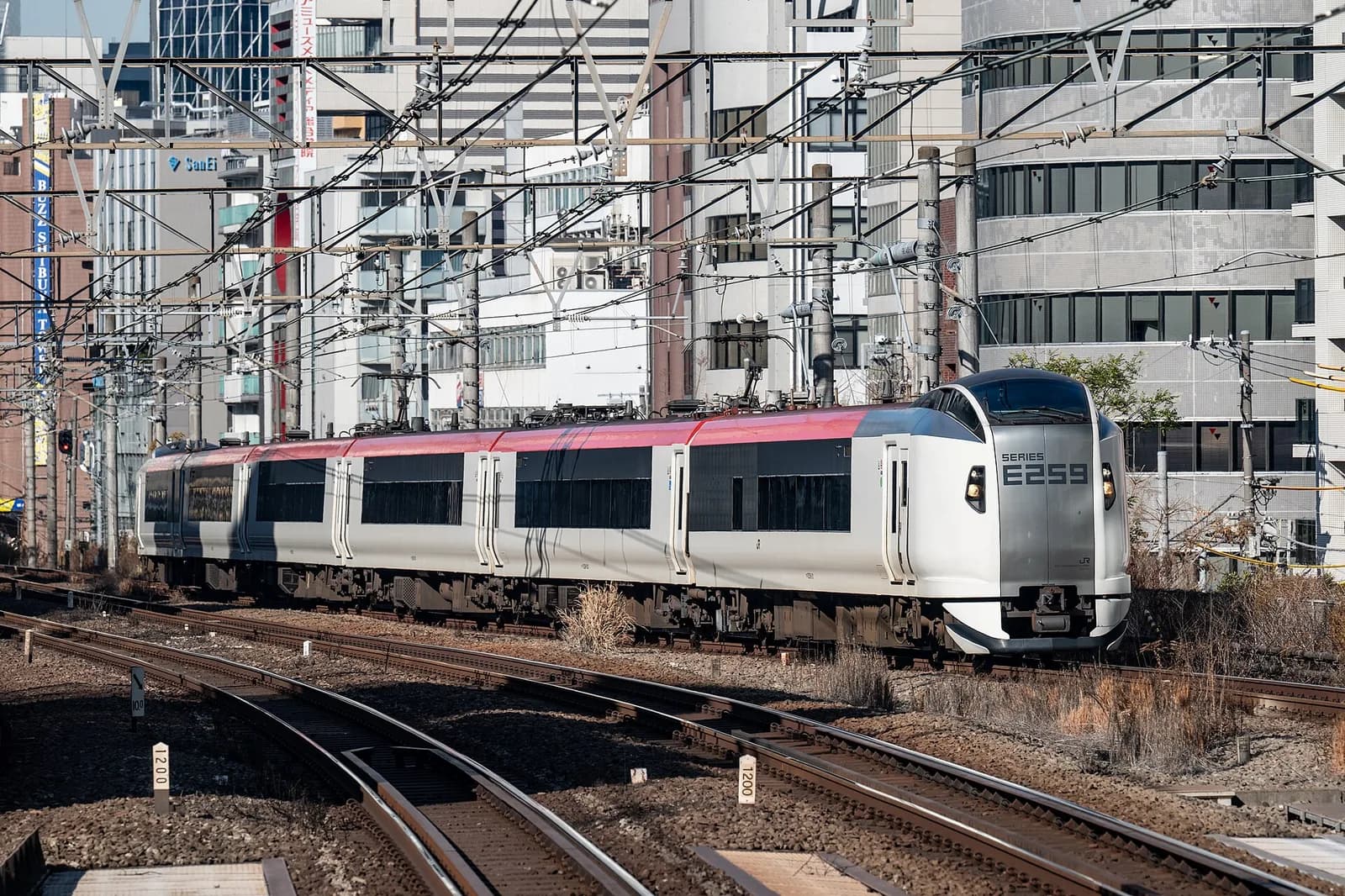
Haneda is much closer to the centre than Narita, which matters for a late arrival. If you have not booked your ticket yet, our page on flights to Japan compares the two airports.
| Area | From Narita | From Haneda |
|---|---|---|
| Tokyo Station, Ginza | Narita Express, about 53 min, ¥3,140 | About 30 min by Keikyu or monorail with one change |
| Shinagawa | Narita Express, about 70 min, ¥3,330 | Keikyu, 11 to 14 min, about ¥330 |
| Shinjuku | Narita Express (some trains), about 80 min, ¥3,330 | Limousine Bus about ¥1,400, 35 to 60 min with traffic |
| Shibuya | Narita Express (some trains), about 75 min, ¥3,330 | About 25 min by train with one change |
| Ueno | Keisei Skyliner, about 41 min, about ¥2,300 to ¥2,580 | About 35 min via Hamamatsucho or Shinagawa |
| Asakusa | Keisei Access Express, about 50 min, about ¥1,300 | Keikyu direct, about 35 min |
Times and fares from operator and tourism sources checked on 14 November 2026, IC card fares rounded. Trains stop around midnight: Haneda has fixed taxi fares from about ¥7,600 to central Chiyoda and ¥9,000 to Shinjuku, 20% more from 10 pm to 5 am. Tap in with a Suica on every line in this table, as explained in our Suica card guide.
When to book a hotel in Tokyo
Book two to three months ahead for the cherry blossom weeks of late March and early April, Golden Week from 29 April to 5 May, the autumn leaves of late November and early December, and New Year from 29 December to 3 January. Outside those dates a few weeks is usually enough. January and February are the cheapest months: one hotel price tracker estimates Tokyo rates fall about 22% from December to January.