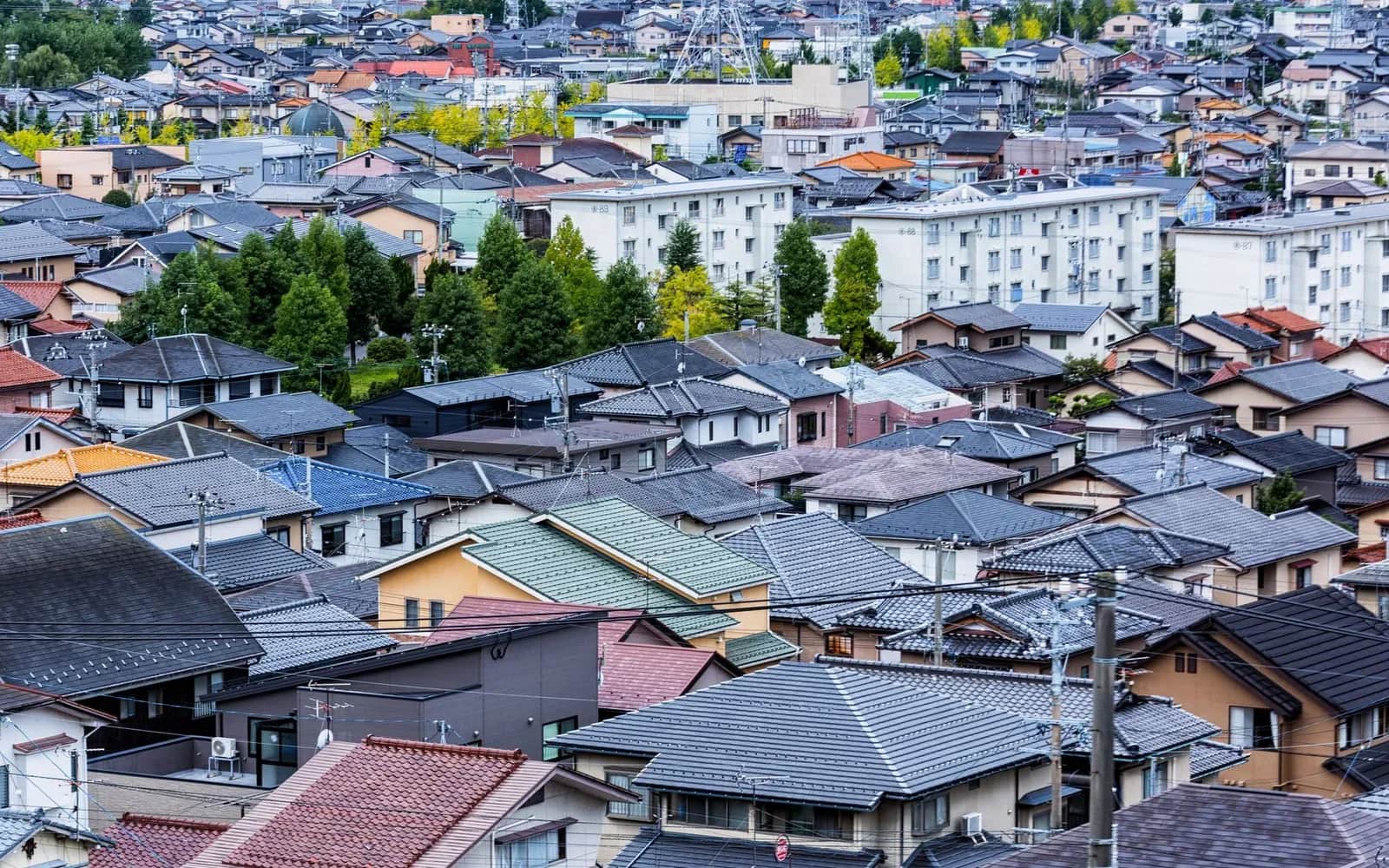
- to own land or a building in Japan: no nationality, visa or residence condition applies to ordinary homes on 14 November 2026
- No visa needed
- average asking price of a 70 m² resale condo in Tokyo's 23 wards in September 2026 (Tokyo Kantei), about $789,300
- ¥126.29m
- of the price in closing costs: agent commission, stamp duty, registration, acquisition tax, scrivener and loan fees
- 5% to 8%
On this page
Buying a house in Japan is open to anyone: foreigners can buy land and buildings with no visa, no residence status and no minimum investment, and they hold the same freehold title as a Japanese owner. What changed in 2026 is the paperwork after the sale, not the right to buy. The purchase does not come with a right to live in Japan, and closing costs add roughly 5% to 8% to the price. Every figure below was checked on 14 November 2026 and converted at about 160 yen to the dollar.
Can foreigners buy property in Japan?
Yes. Japanese law sets no nationality, visa or residence condition on owning real estate. An American on a tourist stamp, a British retiree who has never lived in Japan and a permanent resident all buy under the same Civil Code rules, with full ownership of both the land and the building. There is no leasehold-only regime for foreigners, no quota, no extra stamp duty for overseas buyers and no approval to obtain before signing.
The practical limits are elsewhere. Contracts and the legal briefing are in Japanese, banks rarely lend to people who live abroad, and an owner who is not resident has to appoint someone in Japan to receive tax bills. The price is the easy part: the yen's fall has made Japanese homes about a third cheaper in dollars than in 2020, which explains much of the foreign interest.
Foreign buyer rules in Japan in 2026: what is in force and what is only proposed
Japan debated foreign ownership all through 2026. The outcome so far is two reporting duties in force and one permit bill still before the Diet. No law bans or caps purchases of ordinary homes by foreigners, and the government set aside curbs aimed at foreign condo buyers on 1 June 2026.
| Rule | Status on 14 November 2026 | Who it affects |
|---|---|---|
| Report to the Bank of Japan under the Foreign Exchange and Foreign Trade Act | In force. Extended to homes bought for personal use on 1 April 2026 | Buyers who live outside Japan, within 20 days of the purchase |
| Nationality stated when the title is registered | Applies to registration requests from 5 October 2026 | Every individual who becomes a registered owner, Japanese buyers included |
| Important Land Act: monitoring near defence sites and border islands | In force since 2022 | Owners and buyers within about 1 km of designated sites |
| Bill adding a permit for sales in restricted zones near sensitive sites | Sent to the Diet on 23 October 2026, debated in the lower house since 10 November, not passed | All buyers in those zones, whatever their nationality |
| Curbs aimed at foreign buyers of condos | Set aside on 1 June 2026 | Nobody |
The Bank of Japan report for buyers who live abroad
Under the Foreign Exchange and Foreign Trade Act, a non-resident who acquires real estate in Japan must report it to the Minister of Finance, through the Bank of Japan, within 20 days of the acquisition. A non-resident here means anyone without a domicile or residence in Japan, so the test is where you live, not your passport. A foreigner living in Tokyo on a work visa does not file. A Japanese citizen living in London does.
Until 31 March 2026, a home bought for your own use or your family's was exempt. Since 1 April 2026 that exemption is gone for purchases of ownership, according to the Ministry of Finance leaflet issued in June 2026. Buying from another non-resident and buying a building on leased land now have to be reported too. The form is in Japanese and can be filed by an agent in Japan, which is what most overseas buyers arrange with their judicial scrivener. It is a report after the fact, and nobody approves or refuses the sale.
Declaring your nationality at the Legal Affairs Bureau
For registration requests made from 5 October 2026, an individual who becomes a registered owner states their nationality to the Legal Affairs Bureau and shows a passport, residence card or residence certificate. The rule covers Japanese buyers as well. The information is kept by the administration and does not appear on the public register. The scrivener handling your registration collects the document, so in practice this adds one piece of paper to the closing file.
The permit bill near defence sites and border islands
The Important Land Act, in force since 2022, lets the state monitor land use within roughly 1 km of defence facilities, coast guard sites and remote border islands. A bill approved by the Cabinet on 23 October 2026 would go further and require a permit before a sale in newly designated restricted zones, with sales made without one void. Japanese press reports say it applies to every buyer regardless of nationality and that the lower house began debating it on 10 November. It had not passed when this page was written, and nothing in it touches ordinary housing in cities.
Does buying a house in Japan give you residency?
No. Japan has no investor or property visa, and owning a home, at any price, gives no right to stay. An owner with no status of residence enters as a short-term visitor, which for most Western passports means up to 90 days per stay with no work allowed. To live in the house you need a status obtained on its own merits: work, spouse, student or another category described in our guide to Japan visas.
Ownership does not shorten the road to permanent residency in Japan either, which is counted in years of residence, tax and pension payments. It works the other way round: permanent residency is what opens the standard mortgage market, as explained further down.
House prices in Japan in 2026, by city and type of home
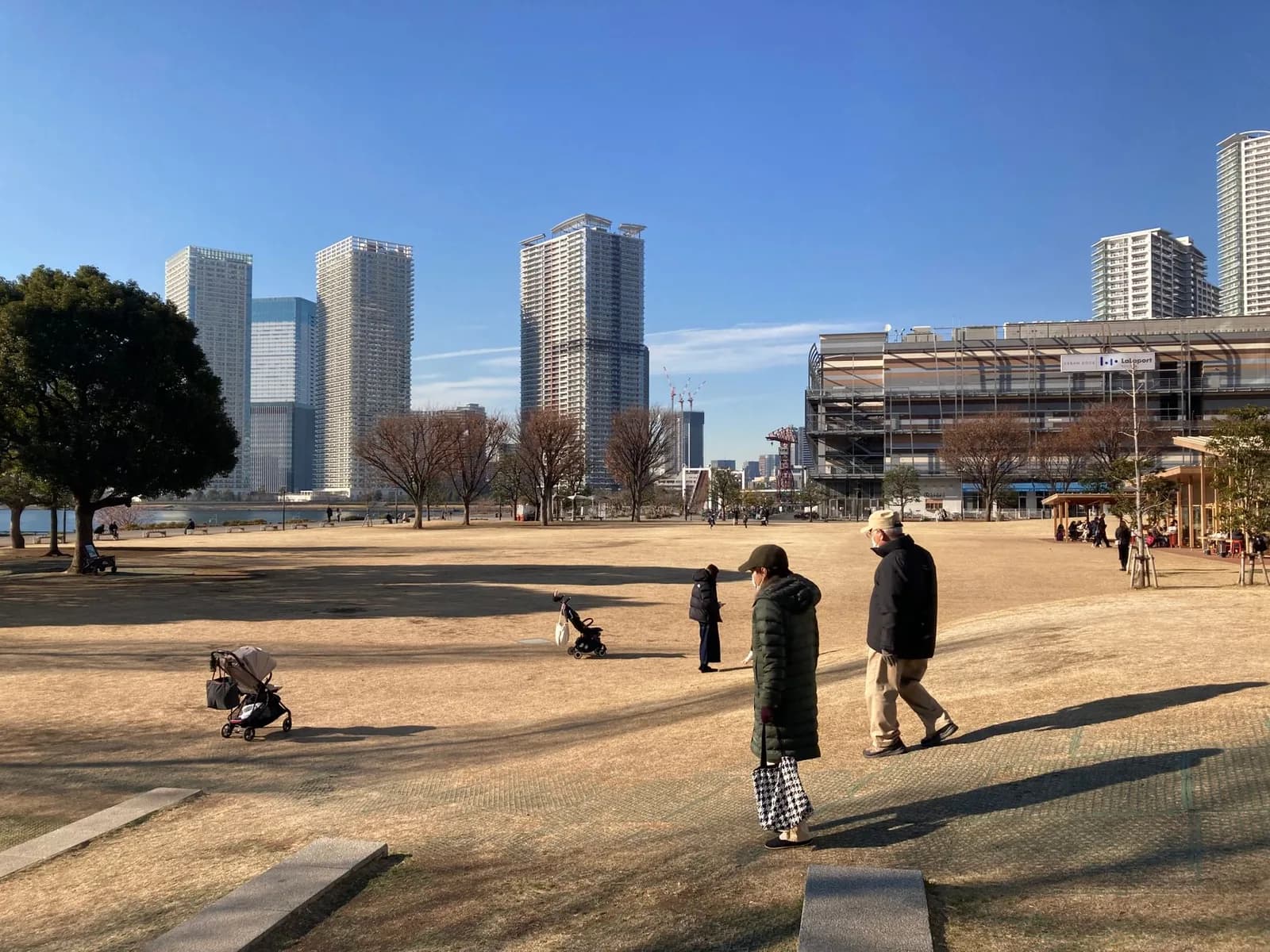
Prices in Japan split into three markets. Central Tokyo trades at world-city levels, the other big cities cost a third to a half of that, and the countryside is cheap because few people want to live there. The averages below come from the Real Estate Economic Institute for new condos, Tokyo Kantei for resale condos of 70 m² and the REINS database for detached houses, as relayed by the Japanese press.
| Area and type of home | Average price | In dollars | Period |
|---|---|---|---|
| Tokyo 23 wards, new condo | ¥142.49 million | $890,600 | January to June 2026 |
| Tokyo 23 wards, resale condo, 70 m² | ¥126.29 million | $789,300 | September 2026 |
| Tokyo, six central wards, resale condo, 70 m² | ¥177.86 million | $1.11 million | September 2026 |
| Greater Tokyo, resale condo, 70 m² | ¥77.73 million | $485,800 | September 2026 |
| Greater Tokyo, resale detached house | ¥42.15 million | $263,400 | May 2026 |
| Osaka, six central wards, resale condo, 70 m² | ¥93.27 million | $582,900 | September 2026 |
| Osaka prefecture, resale condo, 70 m² | ¥44.43 million | $277,700 | August 2026 |
| Kansai region, new condo | ¥54.53 million | $340,800 | January to June 2026 |
| Sapporo, new condo | ¥60.22 million | $376,400 | 2025 |
| Fukuoka, new condo | ¥53.05 million | $331,600 | 2025 |
| Nagoya, new condo | ¥39.41 million | $246,300 | 2025 |
| Aichi prefecture, resale condo, 70 m² | ¥24.77 million | $154,800 | August 2026 |
Three things to read into these numbers. New-build averages in Tokyo are pulled up by a handful of luxury towers, so they describe the market, not a typical family flat. Resale prices in the 23 wards fell for the fourth month in a row in September 2026, the first sustained dip after years of rises. And a detached house in the Tokyo suburbs costs about a third of a central condo, because you are paying for land far from the Yamanote line and a wooden building that the market writes down quickly.
We found no reliable 2026 average for Kyoto, so it is left out. For what these budgets mean month to month once you live here, see our breakdown of the cost of living in Japan.
Cheap houses in the countryside: akiya
Below these averages sits a separate market of vacant homes, or akiya, listed from a few hundred dollars to about ¥5 million in rural towns. The sales are real and open to foreigners on the same terms. The low price reflects renovation bills, distance from jobs and the difficulty of reselling, and the agent may charge up to ¥330,000 ($2,060) on a home priced at ¥8 million or less. That market has its own rules, municipal listings and subsidies, covered in our guide to akiya in Japan.
How to buy a house in Japan: the steps from agent to registration
A purchase usually takes 60 to 90 days from an accepted offer to the keys, less for a cash buyer. Japan has no notary or conveyancing solicitor in the Western sense. A licensed agent runs the sale, and a judicial scrivener (shiho shoshi) checks the title and registers the transfer.
| Step | What happens | Money due |
|---|---|---|
| 1. Choose an agent | A licensed agent, bilingual if you do not read Japanese, searches the shared listings database and arranges viewings | Nothing. The commission is due only if you buy |
| 2. Loan pre-approval | If you need a mortgage, the bank screens your income, visa status and the property | Nothing |
| 3. Letter of intent (kaitsuke shomeisho) | A written offer with your price, conditions and timetable. It is not binding | Nothing |
| 4. Explanation of important matters (juyo jiko setsumei) | A licensed agent reads you the legal briefing on title, zoning, rebuilding limits, hazards and building rules, before the contract | Nothing |
| 5. Sale contract | Both sides sign and seal the contract in Japanese | Deposit (tetsukekin), commonly 5% to 10% of the price, plus stamp duty and often half the commission |
| 6. Final loan approval | The bank confirms the mortgage. Contracts usually include a clause that cancels the sale if the loan is refused | Loan fees at drawdown |
| 7. Settlement (kessai) | Buyer, seller, agent and scrivener meet, usually at the bank. The balance is paid and the keys handed over | Balance of the price, rest of the commission, registration tax, scrivener fee, share of the year's property tax |
| 8. Registration | The scrivener files the transfer of title at the Legal Affairs Bureau the same day, with your nationality declaration | Already paid at settlement |
Two steps deserve attention. The explanation of important matters is where problems surface: a plot that cannot legally be rebuilt, a road setback, a flood or landslide zone, unpaid building fees in a condo. Ask for the document a few days ahead and have it translated, because the agent's duty is to explain it in Japanese. A translation is a courtesy, and only the Japanese text binds.
The deposit fixes the cost of changing your mind. Until the other side starts performing the contract, the buyer can walk away by giving up the deposit and the seller by paying back double. After that point, cancelling means the penalty written in the contract, often 10% to 20% of the price.
Closing costs when buying a house in Japan: 5% to 8% of the price
Budget about 5% of the price for a cash purchase of a resale home and 6% to 8% with a mortgage. A new home sold directly by the developer carries no agent commission, which brings the total down. The agent's fee is the largest line, and the taxes are calculated on the municipality's assessed value, which is normally well below the price you pay.
| Cost | How it is calculated in 2026 | When you pay |
|---|---|---|
| Agent commission | Legal ceiling of 3% of the price plus ¥60,000, plus 10% consumption tax, above ¥4 million. Up to ¥330,000 on homes of ¥8 million or less | Half at contract and half at settlement, or all at settlement |
| Stamp duty on the contract | ¥5,000 for ¥5 million to ¥10 million, ¥10,000 up to ¥50 million, ¥30,000 up to ¥100 million, ¥60,000 up to ¥500 million. Reduced rates for contracts signed by 31 March 2027 | At contract |
| Registration tax, land | 1.5% of the assessed value (standard rate 2%), reduced rate until 31 March 2029 | At settlement |
| Registration tax, building | 0.3% of the assessed value for a home of 50 m² or more that you will live in, until 31 March 2027. Otherwise 2% | At settlement |
| Mortgage registration | 0.1% of the loan for an owner-occupied home until 31 March 2027, otherwise 0.4% | At settlement |
| Real estate acquisition tax | 3% of the assessed value of housing and land until 31 March 2027, with the land base halved and deductions for homes | Billed by the prefecture a few months after the purchase |
| Judicial scrivener | About ¥80,000 to ¥200,000 ($500 to $1,250), more with a mortgage | At settlement |
| Loan fees and fire insurance | Set by the lender and the insurer. Lender and guarantee fees commonly add 1% to 2% of the price | At drawdown |
Worked example: a ¥50 million resale condo bought in cash
Take a resale flat at ¥50 million ($312,500) that you will live in. We assume the municipality assesses it at ¥30 million, split ¥18 million for the land share and ¥12 million for the building. Your own figures will differ, since the assessed value is printed on the property's tax certificate.
| Line | Calculation | Amount |
|---|---|---|
| Agent commission | (¥50 million × 3% + ¥60,000) × 1.1 | ¥1,716,000 |
| Stamp duty | Contract of ¥50 million | ¥10,000 |
| Registration tax | ¥18 million × 1.5% + ¥12 million × 0.3% | ¥306,000 |
| Judicial scrivener | Mid-range fee | ¥150,000 |
| Acquisition tax | 3% of half the land value and of the building, before the housing deductions | ¥0 to ¥630,000 |
| Total | 4.4% to 5.6% of the price | ¥2.18 million to ¥2.81 million ($13,600 to $17,600) |
The commission alone is ¥726,000 ($4,540) on a ¥20 million home and ¥3,366,000 ($21,040) on a ¥100 million one. The 3% is a ceiling set by the ministry, and most agents charge it in full. A buyer who lives abroad loses the reduced 0.3% building rate if the home is not their residence, which is one reason the same flat costs an overseas investor more to register than the family who will live in it.
Sending the purchase money to Japan
Unless a Japanese bank is lending, the price arrives from abroad in two instalments: the deposit at contract and the balance at settlement. On ¥50 million, a 1% difference in the exchange rate is ¥500,000 ($3,125), more than the registration tax. The margin your bank adds to the rate matters far more than its flat wire fee.
Three practical points. Without a residence card you generally cannot open an ordinary Japanese bank account, so overseas buyers usually wire the money to the agent's or the scrivener's client account, as set out in the contract. Japanese banks ask for the sale contract and proof of where the money comes from before crediting a large incoming transfer, so send it several working days before settlement. And specialist transfer services apply per-transfer limits that vary by currency, so check the ceiling for your route to yen before relying on one for the full balance. Our page on sending money to Japan compares the options and their real costs.
Converting your deposit and balance into yen
Wise, international money transfers
- Transfers and currency conversion, with fees shown before you send
- Multi-currency account and debit card to pay and withdraw in the local currency
- Check fees, limits and eligibility on the partner's website
Revolut, multi-currency account and card
- App to pay, withdraw and exchange money in several currencies
- Exchange fees and limits vary with the plan you choose
- Check fees, limits and eligibility on the partner's website
Getting a mortgage in Japan as a foreigner or non-resident
Lenders care about where you live, your visa status and where your income is earned, in that order. Nationality by itself does not matter.
| Your situation | What to expect |
|---|---|
| Permanent resident, income in Japan | The same loans as Japanese borrowers at every major bank, and the government-backed Flat 35 fixed loan |
| Resident on a work or spouse visa, no permanent residency | A short list of banks, a larger down payment, a few years of employment in Japan, and often a Japanese or permanent resident spouse as joint guarantor |
| Living abroad | Japanese banks almost never lend. Cash, a loan secured on property at home, or an offshore lender at a higher rate and a lower loan-to-value |
Banks that English-language guides name for residents without permanent residency include SBI Shinsei, Tokyo Star, Suruga, Aeon and SMBC Trust Bank Prestia. Treat any list as a starting point: conditions change and we could not confirm each bank's 2026 criteria on its own website. SBI Shinsei's English product sheet asks for Japanese nationality or permanent residency, and accepts other residents only with a Japanese or permanent resident spouse as guarantor. The English loan sheets Prestia published in June 2026 describe loans secured on a home you already own, not purchase mortgages. Ask each bank for written criteria before you make an offer.
Rates rose in 2026. The Bank of Japan lifted its policy rate to 1.25% in September 2026 and held it in October, with the next meeting on 18 December. The most common Flat 35 rate for a 35-year fixed loan was 3.81% in November 2026, just under October's 3.83%, the highest since 2017. Variable rates, which most Japanese borrowers choose, remain lower but the large banks are raising their base rates, and brokers quote wider ranges to borrowers without permanent residency.
The housing loan tax credit
Residents who borrow to buy their main home can deduct 0.7% of the year-end loan balance from income tax for 10 or 13 years, under a scheme that runs for homes occupied by 31 December 2030. For a new home occupied in 2026, the loan ceiling ranges from ¥20 million for a standard home to ¥45 million for a certified long-life or low-carbon home, which caps the credit at ¥140,000 to ¥315,000 a year ($875 to $1,970). Conditions include total income of ¥20 million or less, floor area of 50 m² or more, a loan of at least 10 years and moving in within six months. Since you must live in the home, a holiday house or a rental does not qualify.
Property taxes in Japan every year: fixed asset tax and city planning tax
Whoever is the registered owner on 1 January pays two municipal taxes for that year: fixed asset tax at the standard rate of 1.4% and, in urbanised areas, city planning tax of up to 0.3%. Both apply to the assessed value, which the municipality revises every three years. Residential land gets a large relief: for the first 200 m² per home, the taxable base is cut to one sixth for fixed asset tax and one third for city planning tax.
On the flat in our example, assessed at ¥18 million for land and ¥12 million for the building, that gives ¥42,000 and ¥168,000 in fixed asset tax, then ¥18,000 and ¥36,000 in city planning tax: about ¥264,000 a year ($1,650). In the year of purchase, buyer and seller split the bill by date at settlement.
Condo owners also pay a monthly management fee and a contribution to the building's repair reserve. Both are listed in the explanation of important matters, together with any planned increase and the state of the reserve fund, and they deserve as much scrutiny as the price. A house has no such fees, and no one else saving for the roof.
Short-term letting is tightly limited. Under the 2018 private lodging law, a home can be let to tourists for at most 180 nights a year, municipalities may cut that further, and many condo bylaws forbid it outright.
Why houses in Japan lose value: depreciation, lifespan and earthquake standards
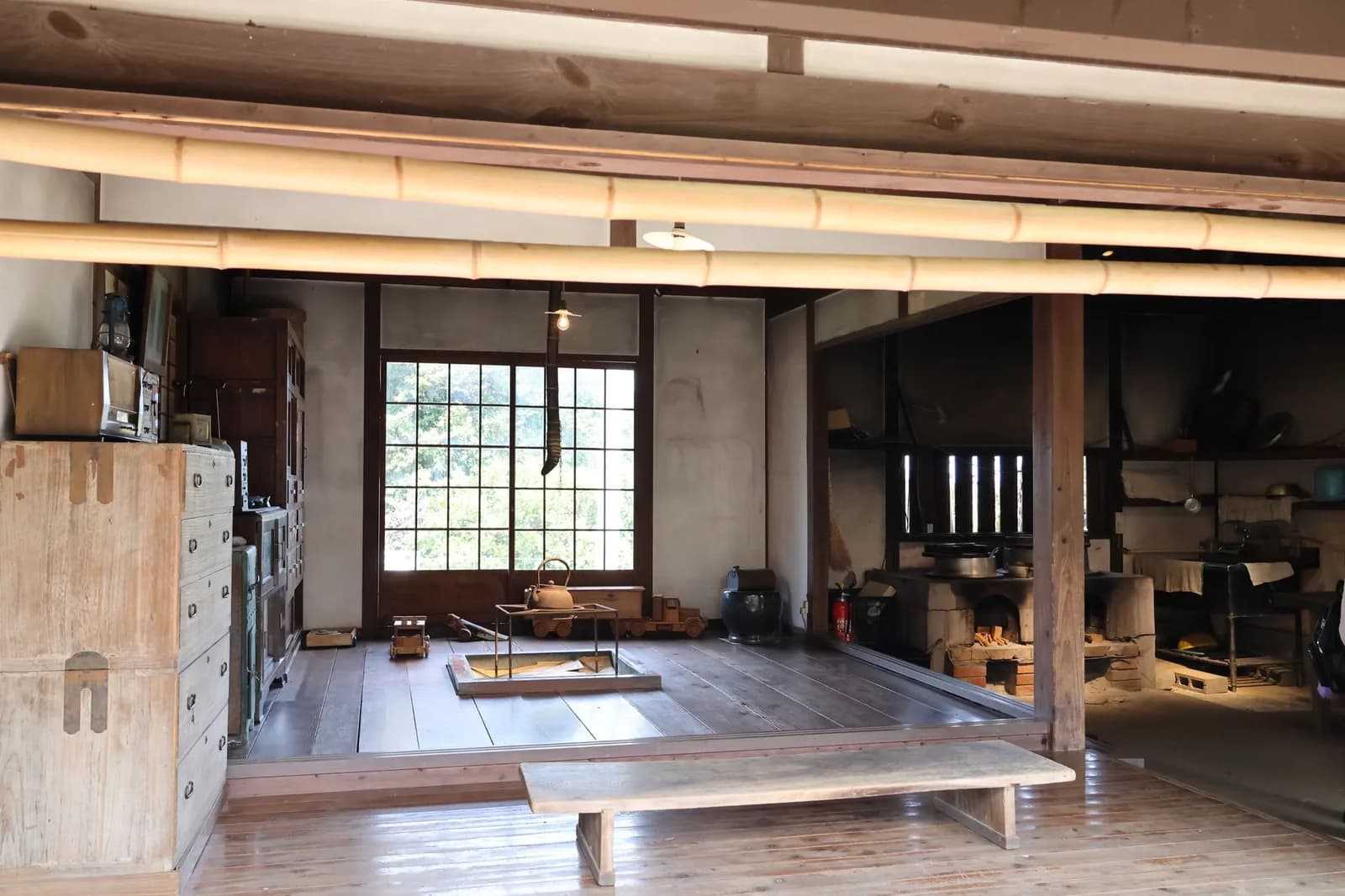
In most of Japan the land holds the value and the building loses it. For tax purposes a wooden house is written off over 22 years and a reinforced concrete building over 47. Those are accounting schedules, not lifespans, and a well-kept wooden house stands far longer. But banks and buyers price along the same lines, so a 25-year-old timber house often sells for little more than its plot.
This cuts both ways. A buyer who wants to live in the house gets a used building cheaply. A buyer counting on resale should expect the building to be worth less each year, with any gain coming from the land, which means from location. Residential land values rose 1.0% nationally in the 2026 official survey, and faster in the three largest metropolitan areas and in regional hubs such as Sapporo, Sendai, Hiroshima and Fukuoka. Outside those areas, land is flat or falling as the population shrinks.
The construction date matters for safety as much as for price. Check which standard applied when the building permit was issued:
| Building permit issued | Standard | What it means for a buyer |
|---|---|---|
| Before 1 June 1981 | Old standard (kyu-taishin) | Not designed for the strongest quakes. Harder to finance and insure, and usually needs a seismic survey and reinforcement |
| 1 June 1981 to 31 May 2000 | New standard (shin-taishin) | Designed not to collapse in a major quake. Wooden houses of this period can still have weak foundations and joints |
| From 1 June 2000 | Current standard for wooden houses | Ground survey, metal connectors and balanced bracing walls required |
The survey reported to the housing ministry after the 2016 Kumamoto earthquakes found that in central Mashiki, the worst-hit town, 28.2% of wooden houses built to the pre-1981 standard collapsed, against 8.7% of those built between 1981 and May 2000 and 2.2% of those built from June 2000. A building inspection costs around ¥50,000 to ¥100,000 and is worth it on any house more than 20 years old.
Selling a house in Japan: capital gains tax and withholding
The tax on a gain depends on how long you owned the property, counted in an unusual way: ownership must exceed five years on 1 January of the year of sale, not on the anniversary. A home bought in March 2022 and sold in June 2027 has been owned for more than five calendar years but counts as short-term, because on 1 January 2027 it had been held for less than five.
| Holding period on 1 January of the year of sale | National tax with reconstruction surtax | Local tax | Total for a resident |
|---|---|---|---|
| Five years or less | 30.63% | 9% | 39.63% |
| More than five years | 15.315% | 5% | 20.315% |
On a gain of ¥40 million ($250,000), that is ¥8,126,000 ($50,800) after more than five years and ¥15,852,000 ($99,075) before. The gain is the sale price minus the purchase price, purchase and selling costs, with the building's cost reduced by depreciation for the years you owned it. A seller who is not resident in Japan on 1 January of the following year generally pays the national part only.
If the home was your own residence, a special deduction of ¥30 million ($187,500) comes off the gain, provided you sell by 31 December of the third year after moving out and the buyer is not a close relative. For most owner-occupiers outside central Tokyo this wipes out the tax. Whether you qualify after leaving Japan depends on the facts, so check with a Japanese tax accountant before you list the property.
A seller living abroad should expect the buyer to withhold 10.21% of the sale price, unless the buyer is an individual purchasing a home at ¥100 million or less. The withholding is a prepayment: you file a Japanese return the following year, through your tax representative, and recover any excess. Your home country may tax the gain too, with a credit for Japanese tax under most treaties.
Inheritance tax on a house in Japan owned by a foreigner
Real estate located in Japan falls under Japanese inheritance tax even when the owner and the heirs live abroad. The basic exemption is ¥30 million plus ¥6 million per legal heir, so ¥42 million ($262,500) for a spouse and one child. Above that, rates run from 10% to 55% of each heir's share, and the return is due within 10 months of the death. Long-term residents of Japan can be taxed on worldwide assets, a point that matters before you take permanent residency. Heirs also have to register the change of ownership, which has been compulsory within three years since April 2024.
If owning still looks premature, our guide to renting an apartment in Japan covers the alternative, and the wider steps of the move are in our guide to moving to Japan.