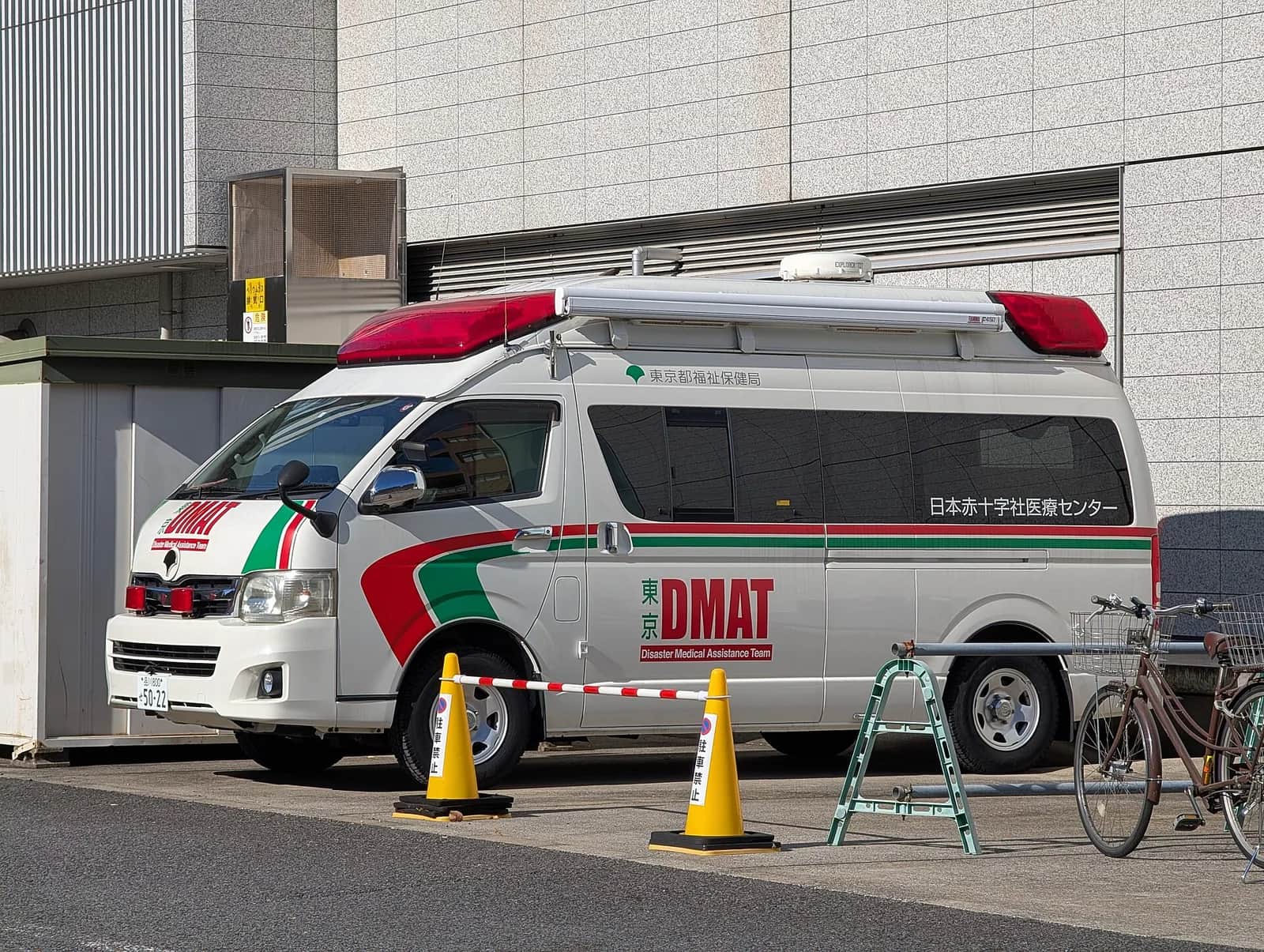
- visitors treated in Japan paid $700 (about ¥100,000) or more in medical bills (Japan Tourism Agency)
- 1 in 10
- of hospitals certified for foreign patients bill more than ¥20 per point, twice the public rate (MHLW, 2023)
- 39.5%
- minimum charge for a backcountry search and rescue in Niseko (Niseko Rules)
- ¥100,000
On this page
Do you need travel insurance for Japan?
Travel insurance is not required to enter Japan as a tourist, and no official source we found asks visitors for proof of cover at the border. But JNTO, the national tourism organization, strongly recommends it, and the reason is simple: a visitor is outside the Japanese public health system. JNTO warns that without travel insurance "you may be charged the full amount", and the UK Foreign Office tells travelers to expect to pay the whole cost of any treatment.
Care in Japan is excellent, and for most visitors the bill stays small. The risk is the rare big one: a hospital stay after a fall on the ski slopes, a scooter accident in Okinawa, appendicitis in Kyoto. JNTO also warns that foreign visitors who fail to pay their medical expenses may be denied entry into Japan in the future. Our page on the Japan tourist visa and entry requirements covers the rest of what you need at the border.
Travel insurance for Japan: SafetyWing Nomad Insurance Essential
One policy that you can buy from anywhere, before or after you leave home, and that covers a trip of a week as well as a year of travel.
It suits a traveler whose main worry is a medical bill, a long trip or a trip through several countries, and someone already abroad who needs cover quickly. It is a weaker fit for a 10-day holiday paid in advance, a backcountry ski trip or a traveler aged 70 or over: we compare it with the other options further down.
How much medical care costs in Japan without insurance
Japanese hospitals price care with the national fee schedule, in points worth 10 yen each. Japanese patients pay only part of that fee through their public insurance. A tourist is not insured, so care is "free medical treatment" in the legal sense (jiyu shinryo): the Ministry of Health (MHLW) states that each hospital may set its own price for foreign visitors.
Its survey of September 2023, published in July 2024 with answers from 5,673 hospitals, shows how they use that freedom:
| Price charged per point to foreign visitors | All hospitals | Hospitals certified for foreign patients (JMIP or JIH) |
|---|---|---|
| 10 yen or less (public rate) | 81.6% | Under a third |
| Over 10 yen, up to 15 yen | 7.0% | Not detailed |
| Over 15 yen, up to 20 yen | 4.6% | 29.6% |
| Over 20 yen | 2.4% | 39.5% |
| Does not use the points system | 4.4% | Not detailed |
So most hospitals charge you the Japanese price, in full. The ones that charge twice the public rate or more are often the hospitals best equipped for foreigners, with interpreters and international desks, which are exactly where a tourist tends to end up. Hospitals that bill above 10 yen cite paperwork (63.1%), longer consultations (56.0%), interpreting (41.7%) and unpaid bills (40.5%). Interpreting, night visits and a private room can be billed on top.
The amounts are real. In a survey of 3,069 visitors leaving from five airports between October 2023 and February 2024, the Japan Tourism Agency found that about 4% fell ill or were injured during their trip, mostly with a cold or fever. Its 2024 poster adds that about 1 in 10 visitors treated in Japan paid $700 (around 100,000 yen) or more, and its current poster shows an example bill of 7.5 million yen (about $46,900).
Do hospitals in Japan treat tourists without insurance?
Emergency care is given, but you are expected to pay. JNTO notes that clinics typically accept cash only, and the government ambulance guide tells visitors to bring their passport and cash or a credit card to pay at the hospital. The UK Foreign Office warns that hospitals may check your insurance, which could delay your treatment. Hospitals have reasons to be careful: in September 2023, 18.3% of hospitals that saw foreign patients had an unpaid bill, with a median of 11,150 yen per case and a maximum of 18.5 million yen. Unpaid bills from visitors are now reported to a national system, which is what can lead to a refusal of entry.
A good policy changes the scene at the counter. Insurers with a 24-hour assistance line can call the hospital, confirm cover and, in many cases, pay the hospital directly. Without that, keep a card with a high limit for a deposit and every receipt for your claim.
What travel insurance for Japan should cover
Japan is a safe country with good hospitals. What a policy must cover depends less on danger than on cost and on what you plan to do.
| Cover | What we suggest for Japan | Why |
|---|---|---|
| Emergency medical | At least $100,000, more for a ski trip or for travelers over 60 | Full price billed to tourists, example bill of 7.5 million yen shown by the Japan Tourism Agency |
| Medical evacuation and repatriation | Included, with a separate limit | A medical flight home from Tokyo crosses the Pacific or Asia |
| Skiing and snowboarding | Piste skiing named in the policy, search and rescue covered | Niseko charges at least 100,000 yen for a backcountry rescue |
| Earthquakes and typhoons | No blanket natural disaster exclusion, emergency accommodation | Typhoon season runs from July to October, earthquakes can happen at any time |
| Trip cancellation and delay | Cover for the prepaid cost of the trip if you spend a lot upfront | Typhoons ground flights, and ryokan and tours often charge cancellation fees |
| Baggage | Useful but secondary | Theft is rare in Japan, the main risk is a checked bag lost in transit |
| Personal liability | Worth having if you ski, cycle or drive | Injuring someone on the slopes or damaging property is billed to you |
Ski insurance for Japan: piste, backcountry and rescue
If you plan to ski in Hokkaido or Nagano, read the sports section of the policy before anything else. Many policies cover skiing on marked runs as a leisure activity and exclude the rest. SafetyWing Nomad Insurance Essential, for example, excludes "skiing/snowboarding off-piste (outside marked territory or against advice of ski school/authority)" and heli-skiing, even with its adventure sports add-on, and its list of covered activities does not name piste skiing. Ask SafetyWing to confirm in writing before a ski trip.
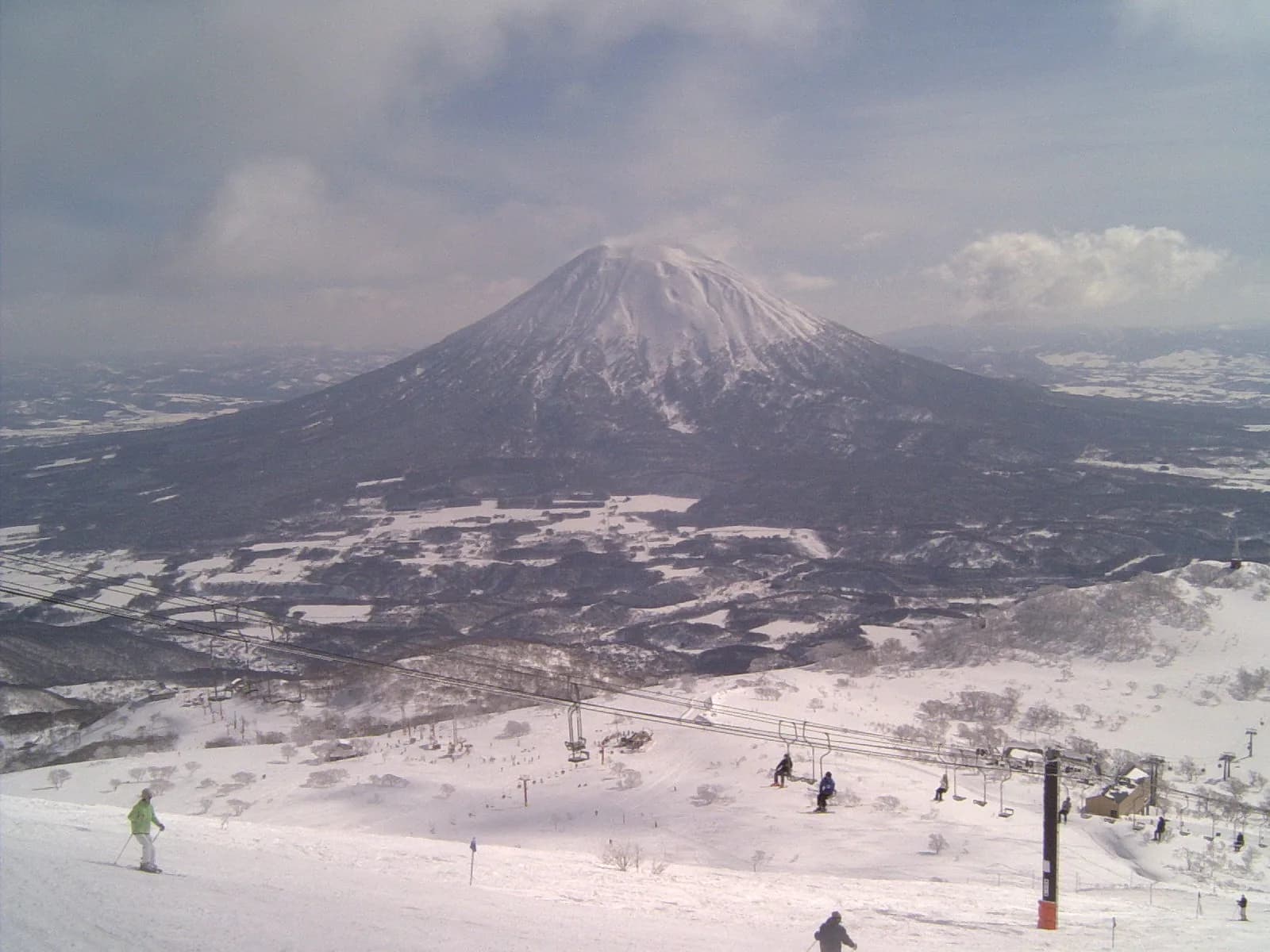
Japanese resorts take backcountry seriously. The Niseko Rules say you must enter the backcountry only through the gates, never when they are closed, with a helmet and an avalanche beacon, and that "a minimum of ¥100,000 will be charged for search and rescue operations in backcountry areas" (about $625). Most travel policies, SafetyWing included, exclude search and rescue, so that bill is yours even if your medical care afterwards is covered. Our guide to skiing in Japan in winter lists the resorts, lift prices and the access by train.
Earthquakes and typhoons: what travel insurance covers
Earthquakes are part of life in Japan, and typhoons reach the country mostly between July and October (see our guide to the best time to visit Japan for the monthly risk). The words "earthquake" and "typhoon" rarely appear in a policy: look for the natural disaster clause instead. SafetyWing's Essential plan excludes injuries from a natural disaster only when a health warning was in effect before your start date or if you stayed more than 10 days after a warning, and it pays for another place to stay if a natural disaster forces an evacuation.
An injury in an earthquake is the easy part. The money usually goes on cancelled flights, extra nights and lost bookings, and that is a trip cancellation or interruption benefit, not medical cover.
Flight cancellation and delays
A typhoon over Tokyo or Okinawa can ground flights for a day or two. Medical plans pay little here: SafetyWing Essential covers delayed transportation and inaccessible or cancelled accommodation, but does not refund a trip you have to cancel before you leave. If you have prepaid flights and ryokan nights that you cannot get back, a comprehensive policy with trip cancellation is the better buy. Our guide to flights to Japan explains which airports and fares are the most flexible.
Is SafetyWing good for a 10-day trip to Japan? Policies compared
We only work with SafetyWing on this site, so here is an honest comparison with the other policies travelers to Japan look at. The other insurers are listed for information only, without a link: check their own policy documents.
| Policy | Type | Medical cover | Trip cancellation | Price checked |
|---|---|---|---|---|
| SafetyWing Nomad Insurance Essential | Medical travel plan, 5 to 364 days, buyable once abroad | $250,000, evacuation $100,000 | No (home emergency interruption up to $5,000) | $62.72 per 4 weeks, ages 10 to 39 |
| Tokio Marine OMOTENASHI (Japan) | Illness and injury in Japan only, up to 31 days, bought after arrival | 10 million yen (about $62,500), including repatriation | No | 5,460 yen (about $34) for 10 days |
| Comprehensive trip policies (World Nomads, Allianz, AXA, Travelex, UK insurers) | Single trip, often with sports options | Varies by plan | Usually yes, on the prepaid trip cost | Quote based on age, trip cost and residence |
SafetyWing makes sense if you mostly want medical cover, you travel for several weeks or through several countries, you are already on the road, or you are a remote worker spending a few months in Japan. Its price does not depend on the cost of your trip, and you can start it once you have left home.
It is not the right fit for a 10-day holiday where you have paid thousands upfront for flights, a JR Pass and ryokan nights: it will not refund a trip you cancel before leaving. It is also weak for backcountry skiing (excluded) and has no personal liability cover. It does not cover pre-existing conditions except some emergency treatment, and you cannot buy it from age 70. In those cases, a comprehensive policy from your own country is the better choice.
The OMOTENASHI policy, promoted by JNTO, is cheap and pays the hospital directly, but its sales site only works from inside Japan, Hong Kong, China or Korea, cover starts the day after you apply, and it covers only illness and injury in Japan. It does nothing for the flight there or a cancelled trip.
Travel insurance exclusions to check before Japan
The exclusions list is where most disappointed claims start. For a trip to Japan, read these lines in particular:
- Off-piste and heli-skiing: often excluded, even with a sports add-on, as on SafetyWing.
- Search and rescue: SafetyWing excludes search and rescue, including by helicopter. A rescue on a mountain trail or in Niseko backcountry is billed to you.
- Natural disasters: check whether the exclusion is general or limited to warnings issued before you left, and whether emergency accommodation is included.
- Pre-existing conditions: SafetyWing covers only the emergency treatment of a pre-existing condition. Declare yours if the insurer asks.
- Scooters and motorbikes: SafetyWing requires a helmet on a moped or motorcycle. If you rent a car or scooter, see our guide to car rental in Japan for the international driving permit rules: an accident while driving without a valid licence is the kind of claim insurers refuse.
How to get medical help in Japan as a tourist
Japan has two emergency numbers, which work from any mobile, landline or public phone: 119 for an ambulance or fire and 110 for the police. The national guide to ambulance services states that the service is "available for anyone in Japan". In Tokyo, 119 offers three-way interpreting in English, Chinese, Korean, Portuguese and Spanish. If someone nearby speaks Japanese, ask them to make the call, and remember that you cannot choose the hospital the ambulance takes you to. The useful phrase is "Kyukyusha wo yonde kudasai" (please call an ambulance).
The ride itself is usually free, but some cities have started to charge for non-urgent transports. Matsusaka, in Mie, has billed 7,700 yen since June 2024 when a patient taken to one of its three main hospitals is not admitted.
For anything that is not an emergency, find a clinic or hospital that speaks your language first. JNTO runs a medical institution search that filters by prefecture and language, and the JMIP list shows the hospitals certified for foreign patients. In Tokyo, Kyoto and Osaka these include large general hospitals with international desks, but they are also the ones most likely to charge more than the public rate. JNTO advises calling the hospital before you go, and bringing your passport, insurance certificate, current medication and a payment card.
Does credit card travel insurance cover Japan?
JNTO points out that some credit card companies include travel insurance and tells visitors to ask for the details before leaving. Premium cards in the US, the UK, Canada and Australia often cover trip cancellation, delays and baggage when you pay the trip with the card, but emergency medical cover is the weak point: it is often missing, capped low, or limited to trips paid with the card. Read the benefits guide of your card and check three lines: the medical limit, medical evacuation, and whether you must pay the flights with that card.
For UK travelers, the GHIC and EHIC do not work in Japan: they cover state healthcare in Europe only. Australian Medicare and Canadian provincial plans are built for care at home, and US health plans vary widely abroad, so check yours before relying on it.
Travel insurance or health insurance: tourists vs residents of Japan
Everything above applies to a tourist. Once you live in Japan with a residence card for more than three months, you must join the national health insurance or your employer's plan, and you pay only part of the bill like a Japanese patient. Travel insurance then only fills the gap before you are enrolled, for example on a Japan working holiday visa, where some countries, Ireland among them, ask for proof of insurance with the application. Our guide to health insurance in Japan explains how the public system works for residents.