- vacant homes in Japan, 13.8% of all housing (Housing and Land Survey 2023, Statistics Bureau)
- 9.0 million
- cheapest house for sale in the Tome city akiya bank on 6 November 2026, about $1,250
- ¥200,000
- typical full renovation of a pre-1981 wooden house, about $62,500 to $125,000
- ¥10 to 20 million
On this page
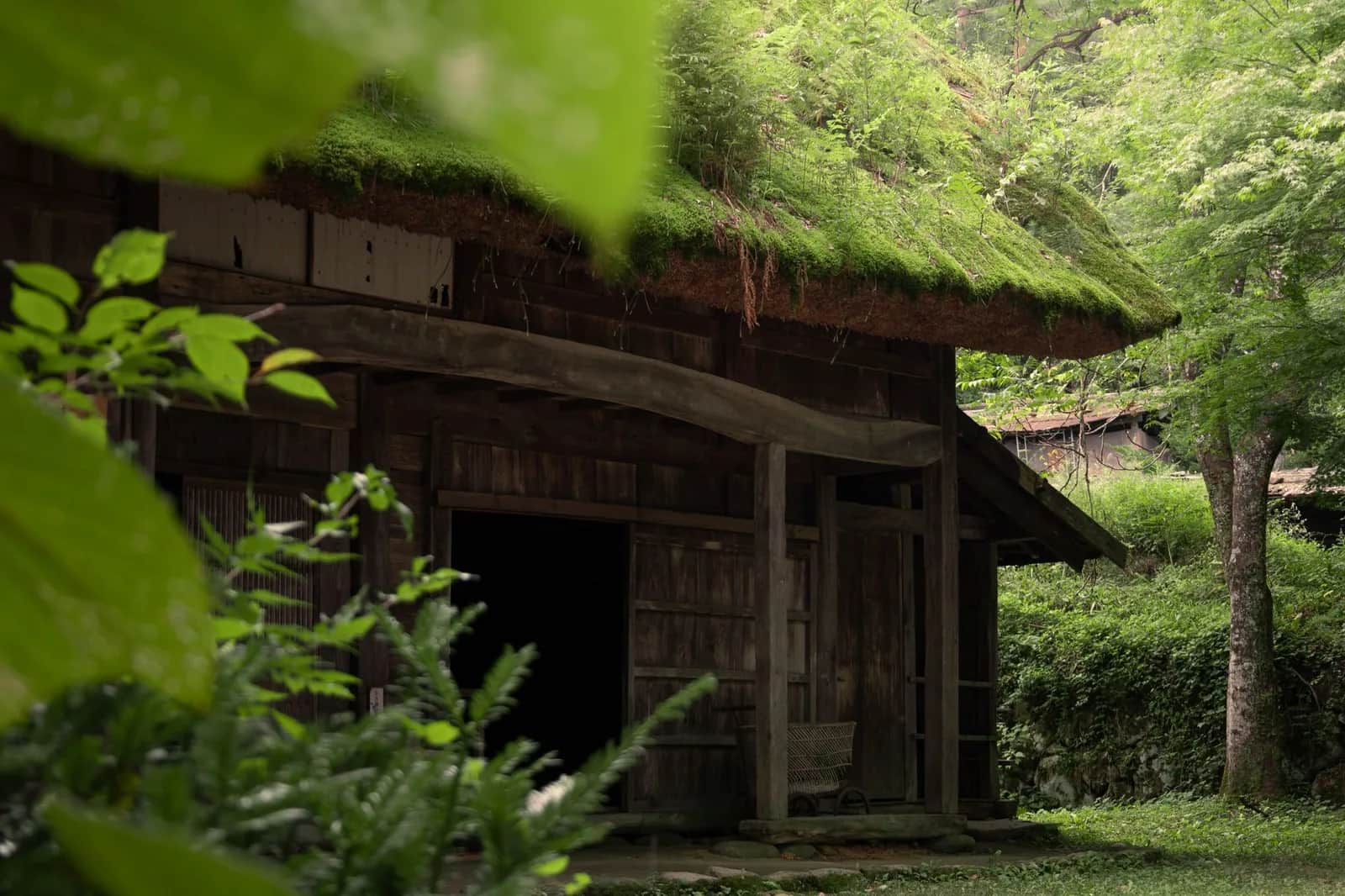
An akiya is a vacant house, and Japan has 9.0 million of them, 13.8% of its housing stock according to the last official survey. Some sell for less than a used car: the cheapest house in one town's akiya bank was listed at ¥200,000 (about $1,250) in November 2026. A foreigner can buy one without restriction, but the purchase gives no visa, and the renovation usually costs ten times the price. This guide gives the figures of 2026, real listings, where to search, and the bill line by line.
What is an akiya? Meaning of the word
Akiya (空き家) means empty house. In conversation, and on the English-language sites that sell them, it describes an older detached home that nobody lives in any more: a farmhouse in a mountain valley, a merchant house in a fading town centre, a 1970s family home on the edge of a regional city. The owner has died or moved into care, the heirs live in Tokyo or Osaka, and the house sits closed.
Official statistics use the word more broadly. The Statistics Bureau counts as vacant every dwelling without a regular occupant, which includes flats waiting for a tenant, homes on the market and second homes. A kominka is something else again: a traditional timber house, generally built before 1950, that may or may not be vacant. Most cheap akiya are ordinary post-war wooden houses, not heritage farmhouses.
How many akiya are there in Japan?
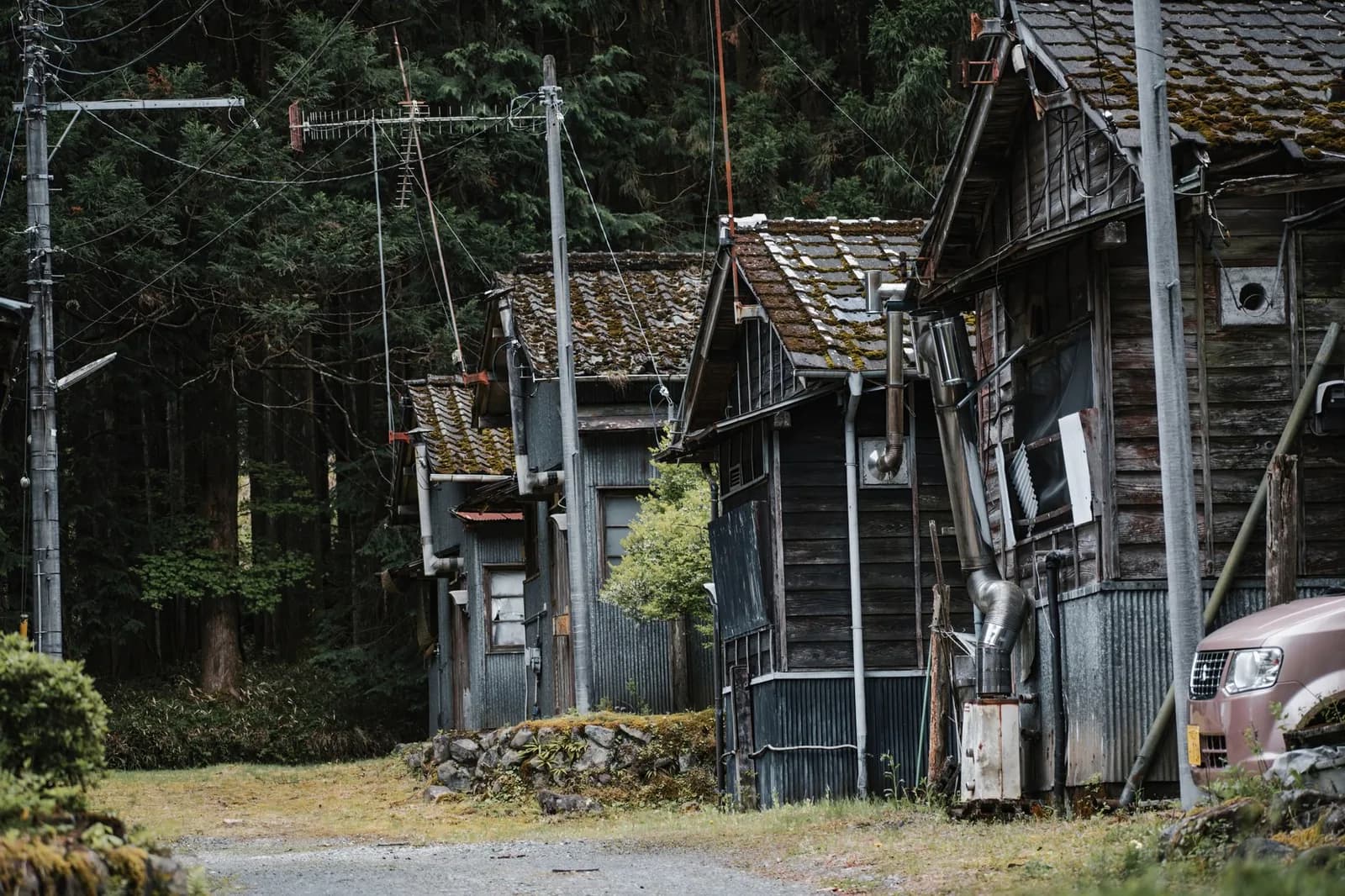
The reference is the Housing and Land Survey, run every five years by the Statistics Bureau. The 2023 edition, whose final results came out on 25 September 2024, counted 65.05 million dwellings, of which 9.002 million were vacant. That is a vacancy rate of 13.8%, the highest on record, and roughly 510,000 more empty homes than in 2018. No newer national count exists: the next survey covers 2028.
The headline number overstates the pool of houses you could actually buy. It includes rentals between tenants, homes for sale and holiday houses. The category that matches the popular idea of an akiya, homes with no planned use, stood at about 3.85 million, up by around 366,000 in five years according to figures from the same survey reported by Nippon.com. Press reports of the survey put Wakayama and Tokushima at the top of the prefecture ranking, with about one home in five empty.
The cause is demographic. The survey found that 42.7% of households include someone aged 65 or over, and a house often empties when an elderly owner living alone dies or enters a care home. The heirs already own a home elsewhere, selling a rural house brings little, and nothing forces a decision.
Why are akiya so cheap?
In Japan a house is treated as a consumable. Buyers prefer new construction, a wooden house loses most of its market value within a few decades, and what remains is the land. In a depopulating village the land is worth little too, because there are more sellers than buyers. An akiya priced at ¥500,000 is often a plot that nobody wants, with a building the seller would otherwise pay to remove.
Tax rules pushed owners to keep these houses standing. Land that carries a dwelling is taxed on one sixth of its assessed value up to 200 m² per home, and one third beyond that. Demolish the house and the reduction goes, so the land tax typically rises three to four times. Demolition itself costs ¥900,000 to ¥1.5 million (about $5,600 to $9,400) for a 100 m² wooden house, according to the portal At Home in August 2026. Leaving the house to rot was the cheap option.
That is changing. Since 13 December 2023, a revised vacant homes law lets a municipality issue a formal recommendation to the owner of a poorly managed akiya, and a house under recommendation loses the land tax reduction. Before, only houses already classed as dangerous were exposed. And since 1 April 2024, heirs must register an inherited property within three years or face a fine of up to ¥100,000. Both rules give families a reason to sell, or give away, sooner.
Akiya prices in 2026: real houses for sale
Rather than quote averages that do not exist, here is one municipal list read in full. Tome is a rural city of rice fields in northern Miyagi prefecture, about an hour and a half north of Sendai. Its akiya bank showed 40 listings on 6 November 2026 (page updated 9 November). The houses for sale ran from ¥200,000 to ¥13.5 million.
| Listing | District of Tome | Asking price |
|---|---|---|
| No. 253 | Towa-cho Nishikiori | ¥200,000 ($1,250) |
| No. 212 | Towa-cho Maya | ¥500,000 ($3,130) |
| No. 264 | Towa-cho Yonekawa | ¥700,000 ($4,380) |
| No. 211 | Towa-cho Yonekawa | ¥900,000 ($5,630) |
| No. 179 | Hasama-cho Mori | ¥3,330,000 ($20,810) |
| No. 222 | Hasama-cho Kitakata (negotiable) | ¥6,000,000 ($37,500) |
| No. 294 | Towa-cho Yonekawa | ¥10,000,000 ($62,500) |
| No. 295 | Hasama-cho Sanuma (town centre) | ¥13,500,000 ($84,380) |
The spread is the lesson. The four houses under ¥1 million are in outlying hill districts, and the ¥13.5 million one stands in the town centre. The public list gives neither floor area nor year of construction, which sit in the linked PDF sheets, so a low price says nothing yet about condition. The same list offered rentals at ¥25,000 to ¥65,000 a month (about $160 to $410), a cheap way to test a town before buying.
English-language platforms show the same order of magnitude in dollars. On 14 November 2026, Mokomoko displayed houses at $11,000 in Wakayama, $19,000 in Oita, $25,000 in Yamaguchi, $30,000 in Saitama and $60,000 in Karuizawa, and advertised more than 170,000 properties under $100,000. Close to Tokyo, Osaka or a ski resort, prices stop being symbolic.
Is it true you can buy a house in Japan for $500?
Close to it. The ¥200,000 house in Tome is about $1,250, and owners do hand over houses for ¥0 (see free houses below). What the headline leaves out is everything after the price: an agent fee that can reach ¥330,000, registration, clearing out decades of belongings, and repairs. On the worked examples further down, a ¥900,000 house ends up costing ¥11.5 million or more once it is made liveable.
Akiya banks and listing sites: where to find akiya houses for sale
Municipal akiya banks
An akiya bank is a listing service run by a town or city hall. Owners register a vacant house, the municipality publishes it, and interested buyers are put in touch with the owner or with a local agent. The town earns nothing on the sale. Its aim is to bring in residents, which is why many banks ask you to register as a user, state your plans for the house, and sometimes visit in person before you get the full details.
Listings are in Japanese, and so is the rest of the process. Small banks are updated by one employee, photos can be years old, and a house marked as under negotiation is closed to new visits. In return you see houses that never reach the commercial portals, at the owner's price.
The national akiya bank portals: LIFULL HOME'S and At Home
Since April 2018 the Ministry of Land, Infrastructure, Transport and Tourism (MLIT) has backed a nationwide akiya and vacant land bank, operated by two property portals, LIFULL HOME'S and At Home. At the end of February 2026 it gathered 1,134 of Japan's 1,788 local governments and 19,075 listings, against 949 municipalities and 11,528 listings three years earlier (MLIT figures). Both sites search by prefecture, price and features such as farmland attached, and both are in Japanese only, which a browser translation handles well enough for a first sort.
English-language akiya sites and agencies
A group of English-language businesses has grown around foreign demand. Most of them republish Japanese listings with translation, then sell a buying service on top.
| Site | What it is |
|---|---|
| Mokomoko (formerly AkiyaMart) | Search engine for low-priced houses with prices in dollars and a remote purchase service. AkiyaMart now redirects to this brand. |
| Akiya Japan | Multilingual search across a very large pool of Japanese listings, with agent introduction. |
| Akiya Air | Listing aggregator focused on vacant homes, map-based search. |
| Cheap Houses Japan | Curated selection of inexpensive houses sent as a newsletter, with a searchable archive. |
| Akiya & Inaka | Tokyo-based consultancy that searches, inspects and negotiates rural properties for foreign buyers. |
These services save real effort when you do not read Japanese. Keep in mind who pays whom: a platform that earns a fee when you buy has no interest in telling you to walk away. Ask what the fee covers, whether the inspection is done by an independent building inspector, and get the Japanese listing reference so you can compare the price with the original.
Can foreigners buy an akiya in Japan?
Yes. Japan sets no nationality, visa or residence condition on owning land or buildings. An American, British, Canadian, Australian or EU citizen buys on the same legal footing as a Japanese citizen, holds full freehold title, and can do it from abroad through a representative. The steps of a purchase, from the offer to registration, are in our guide to buying a house in Japan as a foreigner.
To live in an akiya you need a status obtained on its own grounds: work, spouse, student, business or another category described in our overview of visas for Japan. Three shortcuts that circulate online do not hold up. The digital nomad visa lasts six months and cannot be renewed in place. The Business Manager visa, sometimes sold as the way to run a guesthouse from your akiya, has required ¥30 million in capital (about $187,500) and a full-time employee since 16 October 2025. And years of ownership count for nothing toward permanent residency, which is assessed on years of legal residence, income and tax record.
Rules for foreign and non-resident buyers in 2026
The freedom to buy now comes with paperwork that most akiya sites have not caught up with.
- Report within 20 days. Under the Foreign Exchange and Foreign Trade Act, a non-resident who acquires real estate in Japan must report it to the Minister of Finance through the Bank of Japan within 20 days. Since 1 April 2026 the exemption for a home bought for your own use no longer applies to outright ownership, so an akiya bought from abroad is reportable. The form is in Japanese and can be filed by an agent in Japan. The Ministry of Finance leaflet of June 2026 cites penalties of up to six months in prison or a ¥500,000 fine.
- Who counts as a non-resident. For this rule, a foreigner is presumed resident after working at an office in Japan or staying six months or more. A resident buyer does not file the report.
- Nationality on the registration application. The Minister of Justice announced on 16 December 2025 that the buyer's nationality would be added to the information given when a transfer of ownership is registered. It is kept by the registry and not shown on the public record. Law firms report the change as applied from autumn 2026, so expect to be asked for your passport details.
- A tax agent in Japan. An owner living abroad needs someone in Japan to receive and pay the yearly property tax bill. Your judicial scrivener or agent will set this up.
Restrictions on foreign purchases are also under discussion. The government announced in January 2026 that it would define rules on land acquisition by foreigners, and an expert panel has met since March. As of mid-November 2026 we found no ban and no adopted law, and the direction reported so far is tighter control of land near sensitive facilities for all buyers. Check the state of play before you commit.
Paying is the practical hurdle. Japanese banks rarely lend on a cheap rural house, and almost never to a non-resident, so akiya are bought in cash, wired from abroad. Our page on sending money to Japan compares the ways to move a five-figure sum without losing a percent or two on the exchange rate.
Akiya renovation costs: the real price of a cheap house
A house that has stood empty for ten years in a humid climate has a leaking roof, soft floors, old wiring and a bathroom nobody would use. The fullest public breakdown we found comes from Housing Japan Research, for a wooden house built before 1981 brought up to modern comfort. It is an estimate from a Tokyo agency, not an official scale, and regional builders can be cheaper.
| Work | Range in yen | In dollars |
|---|---|---|
| Building inspection | ¥50,000 to ¥100,000 | $310 to $630 |
| Seismic diagnosis | ¥100,000 to ¥400,000 | $630 to $2,500 |
| Seismic reinforcement | ¥1,500,000 to ¥8,000,000 | $9,380 to $50,000 |
| Roof (repair to full replacement) | ¥1,000,000 to ¥5,000,000 | $6,250 to $31,250 |
| Foundations | ¥200,000 to ¥2,000,000 | $1,250 to $12,500 |
| Full rewiring | ¥500,000 to ¥2,000,000 | $3,130 to $12,500 |
| Plumbing | ¥500,000 to ¥2,000,000 | $3,130 to $12,500 |
| Insulation | ¥500,000 to ¥2,000,000 | $3,130 to $12,500 |
| Kitchen, bathroom and toilet | ¥1,500,000 to ¥4,000,000 | $9,380 to $25,000 |
| Termite and mould treatment | ¥200,000 to ¥1,000,000 | $1,250 to $6,250 |
| Floors, walls and finishes | ¥1,000,000 to ¥4,000,000 | $6,250 to $25,000 |
Added up, a complete renovation typically lands between ¥10 and 20 million ($62,500 to $125,000), and passes ¥25 million (about $156,000) when the house is stripped back to its frame. A traditional kominka roof alone can take ¥4 to 5 million.
Purchase fees on a low-priced house
Fees weigh more on a cheap house because several of them are fixed. Since 1 July 2024, an agent may charge up to ¥330,000 including tax on a property sold for ¥8 million or less, a cap raised precisely so that agents would agree to handle akiya. On a ¥500,000 house, the agent can cost two thirds of the price. Add the judicial scrivener, registration tax, stamp duty and the real estate acquisition tax, set at 3% of the assessed value for residential property until 31 March 2027. The full list of fees and how each is calculated is in our house buying guide.
Two worked examples: what a ¥900,000 and a ¥6 million akiya really cost
Both prices are real listings from the Tome table above. The renovation lines apply the ranges of the previous table, and the ¥300,000 for registration and scrivener is our working assumption, to be replaced by a quote.
| Line | House A: full renovation | House B: roof, wet rooms, termites |
|---|---|---|
| Asking price | ¥900,000 | ¥6,000,000 |
| Agent fee (maximum) | ¥330,000 | ¥330,000 |
| Registration, scrivener, taxes (assumption) | ¥300,000 | ¥300,000 |
| Renovation | ¥10,000,000 to ¥20,000,000 | ¥2,700,000 to ¥10,000,000 |
| Total | ¥11,530,000 to ¥21,530,000 | ¥9,330,000 to ¥16,630,000 |
| Total in dollars | $72,060 to $134,560 | $58,310 to $103,940 |
The house that costs six times more to buy can be the cheaper project. Condition matters more than price, and the only way to know the condition is a paid inspection before you sign. For comparison, our cost of living in Japan page puts these totals next to years of rent.
Septic tank, water and toilets
Many rural houses are not connected to a sewer. Some still have a pit toilet emptied by truck, others a johkasou, an individual treatment tank that must be inspected and desludged every year at the owner's expense. Converting an old system is a job of several hundred thousand yen at least. A national scheme subsidises part of the conversion, but each municipality decides whether to offer it. Ask the town hall three things before making an offer: sewer or tank, mains water or well, and whether a subsidy is open this fiscal year.
Roof, termites and what an inspection looks for
Water and insects do the damage. A cracked tile or a blocked gutter lets rain into the roof timbers, and damp wood at ground level attracts termites, which are present across Japan south of Hokkaido. A building inspection, at ¥50,000 to ¥100,000, checks the roof space, the underfloor, the sills and posts, the slope of the floors and the foundations. It is the best money spent in the whole project, and a seller who refuses one has answered your question.
Earthquake standards for akiya: before and after 1981
The date that matters is 1 June 1981. Houses whose building permit was confirmed from that day follow the new seismic standard (shin-taishin), designed so that a building does not collapse in a very strong earthquake. Houses approved before follow the old standard (kyu-taishin), which only aimed at resisting a moderate one. Most akiya under ¥2 million are pre-1981.
For wooden houses there is a second step. The Building Standards Act was tightened again in June 2000, with rules on foundations, metal connectors at joints and the balanced placement of bracing walls. A wooden house built between 1981 and 2000 is therefore better than an older one, without matching current practice. Ask for the date of the building confirmation certificate, not the completion date printed on the listing.
A seismic diagnosis costs ¥100,000 to ¥400,000 and many municipalities subsidise it for pre-1981 houses, sometimes along with part of the reinforcement. The reinforcement itself, at ¥1.5 to 8 million, is the line that most often decides whether a project makes sense. An old-standard house also weighs on earthquake insurance terms and on what the next buyer will pay.
Property tax and yearly running costs of an akiya
Two municipal taxes fall due every year on whoever owns the property on 1 January.
| Tax | Rate | Applies to |
|---|---|---|
| Fixed asset tax (kotei shisan zei) | 1.4% standard rate | Assessed value of land and building, everywhere |
| City planning tax (toshi keikaku zei) | Up to 0.3% | Properties inside urbanisation promotion areas only |
Both are calculated on the assessed value held by the municipality, not on the price you paid. For an old house on rural land the assessment is low, and with the one-sixth reduction on residential land the yearly bill is often a few tens of thousands of yen. Ask the seller for the latest tax notice, which shows the exact amount. The reduction is what you lose if the town issues a recommendation for poor upkeep, so an owner who lives abroad needs someone to cut the grass and check the roof.
Budget as well for fire and earthquake insurance, the basic charges for electricity and water even when the house is empty, the yearly service of a septic tank, and snow clearing in the north and along the Sea of Japan. Rental income or a later sale brings Japanese income tax into play even for non-residents, a point covered in our guide to tax in Japan for foreigners.
Neighbourhood association fees and duties
Villages run on their neighbourhood association, the jichikai or chonaikai. It collects a membership fee, manages the rubbish collection point, and organises shared work such as clearing irrigation ditches, mowing verges and preparing the local festival. Amounts and obligations vary from one hamlet to the next and no national figure exists. Ask the akiya bank officer for the fee and the calendar of communal work before you buy. In a village of thirty households, an owner who never turns up is noticed, and access to the rubbish point can depend on membership.
Municipal akiya programmes: residency, age and occupancy conditions
Towns subsidise akiya to gain residents, not owners. Almost every scheme therefore requires you to register your address in the house and stay for a set number of years, and many add an age limit or a condition on status of residence. Three programmes read on the municipalities' own pages show the pattern.
| Municipality | Renovation subsidy | Main conditions |
|---|---|---|
| Tome, Miyagi (page of 14 September 2026) | Half of the works, up to ¥500,000 (about $3,100) | House from the city akiya bank, residence for at least 5 years, application before works and within a year of the contract, once per house |
| Oamishirasato, Chiba (page of 6 September 2026) | Two thirds of the works, up to ¥2 million (about $12,500) | Continuous residence for at least 10 years, age limit on the applicant, Japanese nationals or foreigners with a listed status such as permanent resident or spouse of a Japanese national |
| Nagano City (fiscal 2026) | Two thirds of the works, up to ¥500,000 in the urbanised zone and ¥1 million elsewhere | Newcomers aged 18 to 59 who have lived outside Nagano City for 3 years, bonus of ¥200,000 per child aged 15 or under, closes when the budget is spent |
Three points come back everywhere. You must apply before the works start, often before signing with the builder. The budget is annual and closes when spent, which in popular towns means spring. And relatives of the owner, usually up to the third degree, are excluded. Leaving before the end of the residence period normally means repaying the grant.
Subsidies cover a fraction of a renovation: ¥500,000 against a bill of ¥10 million changes little. Their real use is as a signal that a town wants newcomers and has an officer whose job is to help you. If you are still choosing a region, our guide on how to move to Japan covers the order of the steps, from status of residence to resident registration.
Free houses in Japan: how ¥0 akiya work
Free houses exist in two forms. In the first, a private owner transfers the house for ¥0 to be rid of the tax and the upkeep. Platforms such as Minna no 0 yen Bukken (zero.estate) only put the two sides in touch and do not act as agents, so nobody checks the title or the building for you. In the second, a town lends or lets a house cheaply and hands over ownership after a long stay.
Okutama, a mountain town on the western edge of Tokyo, is the example quoted everywhere. Its resettlement housing schemes transfer the house free of charge after 15 years of continuous residence, with household and age criteria aimed at young families, and the house is taken as it stands. That is a fifteen-year commitment to live in a remote valley, not a giveaway. We found no open call for these free-transfer houses in 2026, so check the town's page for current offers.
A ¥0 house still costs money on day one. You pay the registration and the scrivener, possibly gift tax when the donor is an individual (the yearly allowance is ¥1.1 million), then the property tax every year, and one day the demolition, at ¥900,000 to ¥1.5 million for a typical wooden house. Getting rid of it is harder than receiving it: the state scheme that takes back unwanted land is closed to plots acquired by purchase or gift. Treat a free house as a liability that comes with a building.
Akiya pitfalls: inheritance, farmland, road access and risk zones
Unsettled inheritance and missing owners
Many akiya are still registered in the name of someone who died decades ago. Every heir, sometimes a dozen cousins scattered across Japan, must then consent to the sale. Until April 2024 nothing obliged families to update the register. Have a judicial scrivener pull the certificate of registered matters at the Legal Affairs Bureau and confirm that the seller is the registered owner, and the only one, before paying anything. Estates opened before April 2024 have until 31 March 2027 to be registered, so the backlog is still being cleared.
Farmland attached to the house
Listings often include a field or a rice paddy. Farmland follows its own law: its transfer needs the approval of the municipal agricultural committee, which looks at who will farm it, and it cannot be built on or turned into a garden without permission. A house plot and a field are separate parcels on the register, and the field can block or delay the deal. Ask the akiya bank which parcels are classed as farmland and what the committee requires from a newcomer.
Road access and houses that cannot be rebuilt
To build, a plot must touch a road recognised by the Building Standards Act along at least 2 metres. Plenty of old houses sit at the end of a footpath or on a private lane that fails the test. They are labelled saikenchiku fuka (再建築不可), not rebuildable: you may repair, but if the house burns or collapses you cannot put up a new one. Banks will not lend against such a plot, and the resale market shrinks to cash buyers. The same caution applies in urbanisation control areas, where new building is restricted by zoning.
Flood, landslide and tsunami zones
Cheap land is often cheap for a reason. Every municipality publishes hazard maps showing flood depth, landslide warning zones and tsunami reach, and MLIT gathers them on a national hazard map portal. The agent must explain the hazard classification in the pre-contract disclosure, but that comes late. Look up the address yourself first, and look at the slope behind the house.
What is left inside
Akiya are usually sold as they stand, with furniture, futons, a family altar and a shed full of tools. Clearing a full house is a paid service, and some towns, Nagano City among them, subsidise part of it. The contract normally excludes the seller's liability for defects, which is one more reason to inspect before signing.
Reselling an akiya and renting it out as a minpaku
Buy an akiya to live in it, not as an investment. The forces that made it cheap keep working after your purchase: fewer residents every year, more empty houses on the same street, and buyers who cannot get a loan for an old or non-rebuildable house. Renovation money is rarely recovered on resale. A house that cost ¥12 million to buy and restore may sell for the price of its land. Exceptions exist near ski resorts, hot spring towns and commuter lines, where the purchase price was never symbolic.
Short-term rental is the other plan foreigners arrive with. Private lodging (minpaku) has been regulated by a national law since 15 June 2018. You notify the prefecture before hosting, display a registration number, and may host for at most 180 days a year. An owner who does not live on site must appoint a registered management company, which takes a share of the income.
Local rules go further. Municipalities can restrict the zones and the days by ordinance, and according to Kyodo News reporting, the Japan Tourism Agency told local governments in July 2026 that an ordinance may amount to a ban in practice. Hosting all year requires a simple lodging licence under the Inns and Hotels Act, with fire safety equipment and zoning conditions that many village houses do not meet without further works. Check the town's ordinance before you count on a single night of income, and remember that managing guests does not give you a status of residence either.
If the numbers do not add up, renting is the reversible choice. Akiya banks list houses to let for a few tens of thousands of yen a month, and our guide to renting in Japan explains leases, deposits and what landlords ask from foreign tenants.