- of sunshine in Tokyo in January, against 56 h in Niigata on the Sea of Japan coast (JMA normals, 1991-2020)
- 193 h
- an adult day lift ticket for 2026-27, from Nozawa Onsen to Rusutsu at the window
- ¥7,800 to ¥16,700
- the Sapporo Snow Festival, at Odori, Tsudome and Susukino
- 4 to 11 Feb 2027
On this page
Is winter a good time to visit Japan? What to expect from December to February
Japan in winter splits in two. The Pacific side, with Tokyo, Kyoto and Osaka, is cold but dry and sunny: Tokyo gets more sunshine in January than in any summer month. The Sea of Japan side and Hokkaido are buried under some of the heaviest snowfall of any inhabited place on earth, which is what makes the ski resorts so good. Between the two, you can ski in the morning and be back in the Tokyo lights by dinner.
The season gives you powder snow from late December to early March, onsen in the snow, the Sapporo Snow Festival from 4 to 11 February 2027, light-ups in Shirakawa-go and city illuminations. It also gives you the cheapest city hotels of the year once the New Year break is over. Plan around two things: the New Year closures from 29 December to 3 January and the short days, with sunset around 4:30 pm in Tokyo in December.
Winter tours and activities in Japan
These tours run in the snow season, from day trips out of Tokyo to winter excursions from Sapporo.

From Tokyo: Snow Monkey 1-Day Tour with Beef Sukiyaki Lunch
A full day from Tokyo to the Jigokudani macaques in Nagano, with a beef sukiyaki lunch included.
4.6(362 reviews)
- 1 day
- Free cancellation
From $107per person
See prices & availability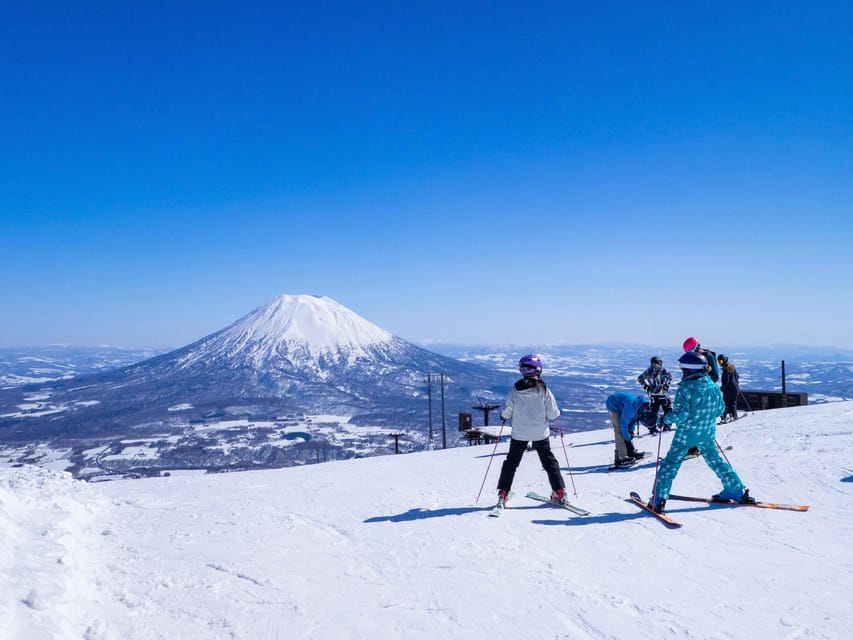
From Tokyo: Fujiyama Snow Resort Yeti Winter Ski Day Tour
An 11-hour day from Tokyo to the Yeti slopes at the foot of Mount Fuji, one of the closest ski areas to the capital.
4.7(32 reviews)
- 11 hours
- Free cancellation
From $50per person
See prices & availability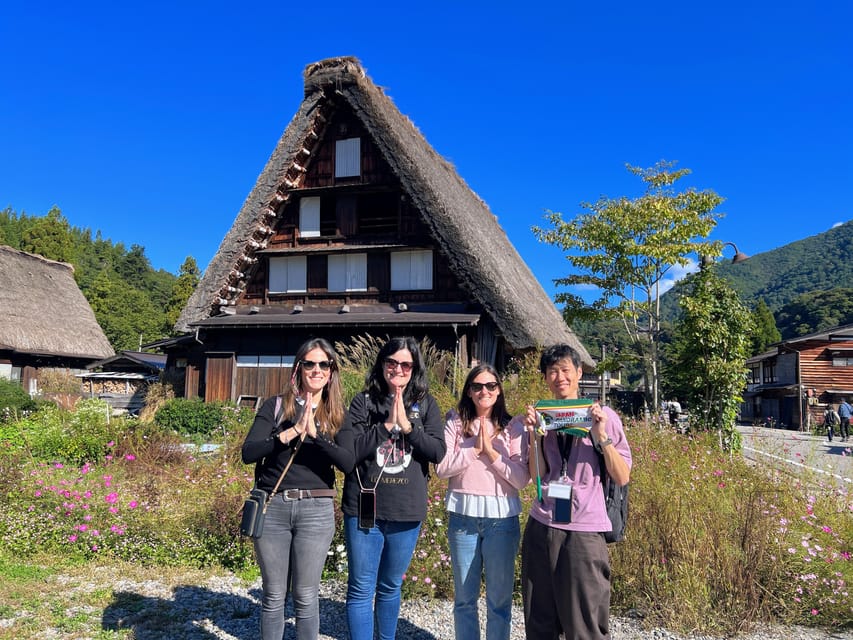
Kanazawa: World Heritage Shirakawa-go Morning Guided Tour
A 5-hour guided morning in Shirakawa-go from Kanazawa, when the thatched farmhouses sit under deep January snow.
4.9(1,879 reviews)
- 5 hours
- Free cancellation
From $75per person
See prices & availability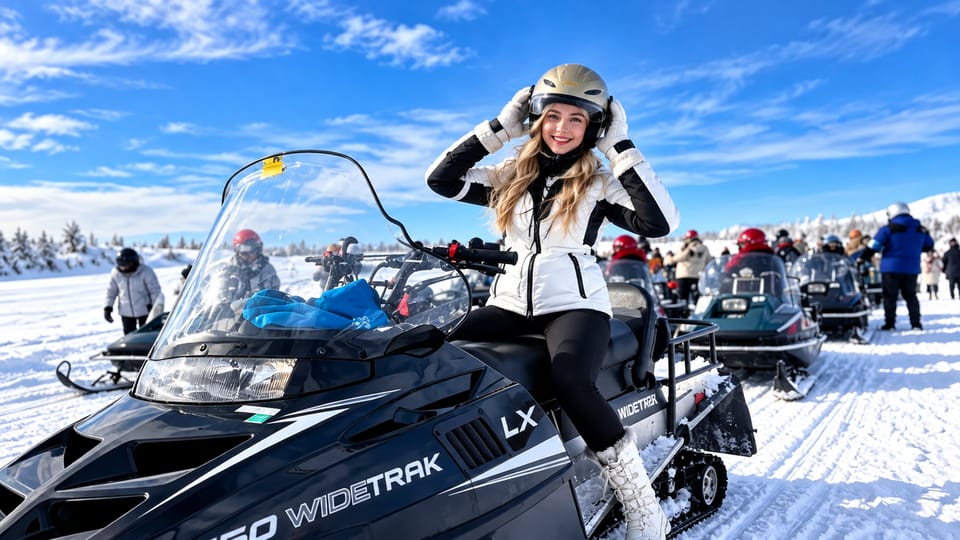
Sapporo: Hokkaido Asahiyama Zoo, Shikisai-no-Oka & Snowmobile
A winter day from Sapporo to the Asahiyama Zoo, the Shikisai-no-Oka hills near Biei and a snowmobile ride.
5.0(30 reviews)
- 9 hours to 1 day
- Free cancellation
- Pickup included
From $56per person
See prices & availability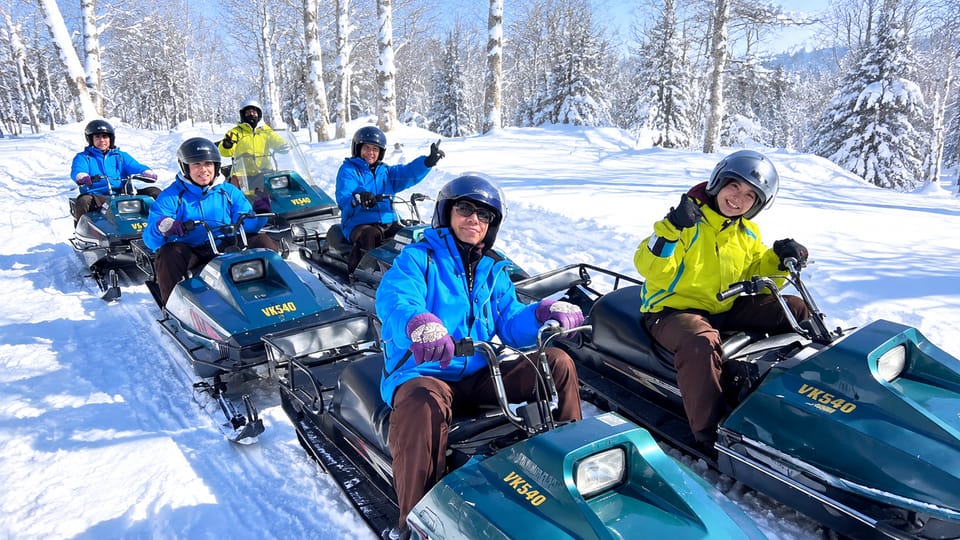
Sapporo: Hokkaido Lake Toya, Noboribetsu Jigokudani & Snowmobile Day Tour
A seasonal day from Sapporo to Lake Toya and the steaming Jigokudani valley of Noboribetsu, with a snowmobile stop.
4.6(196 reviews)
- 1 day
- Free cancellation
From $53per person
See prices & availability
From Tokyo: Snow-Capped Mt. Fuji & Arakurayama Day Trip
A 10-hour coach day from Tokyo to Arakurayama and Lake Kawaguchi, in the clear-sky months when Fuji is most often visible.
4.4(902 reviews)
- 10 hours
- Free cancellation
- Pickup included
From $41per person
See prices & availability
See more activities in Sapporo
Japan winter weather and temperatures by region
The table gives the Japan Meteorological Agency (JMA) normals for 1991-2020, the average daily high and low and the monthly snowfall and sunshine. The contrast is the story of a Japanese winter: Tokyo gets 193 hours of sunshine in January, Niigata only 56, because the snow clouds unload on the mountains before reaching the Pacific.
| City | December high / low | January high / low | February high / low | Snowfall Dec / Jan / Feb | Sunshine in January |
|---|---|---|---|---|---|
| Sapporo (Hokkaido) | 2.0 / -4.0 °C | -0.4 / -6.4 °C | 0.4 / -6.2 °C | 113 / 137 / 116 cm | 90 h |
| Niigata (Sea of Japan) | 8.7 / 2.4 °C | 5.3 / 0.1 °C | 6.4 / -0.1 °C | 19 / 63 / 48 cm | 56 h |
| Kanazawa (Sea of Japan) | 10.2 / 3.5 °C | 7.1 / 1.2 °C | 7.8 / 1.0 °C | 24 / 67 / 53 cm | 62 h |
| Nagano (Japanese Alps) | 6.9 / -1.5 °C | 3.8 / -3.9 °C | 5.3 / -3.7 °C | 30 / 63 / 50 cm | n/a |
| Tokyo | 12.0 / 3.8 °C | 9.8 / 1.2 °C | 10.9 / 2.1 °C | Rare | 193 h |
| Kyoto | 11.6 / 3.5 °C | 9.1 / 1.5 °C | 10.0 / 1.6 °C | Light, a few days | n/a |
| Naha (Okinawa) | 21.5 / 16.8 °C | 19.8 / 14.9 °C | 20.2 / 15.1 °C | None | n/a |
JMA normals for 1991-2020, as published for each city station. Snowfall is the monthly total of fresh snow, not the depth on the ground.
Tokyo, Kyoto and Osaka in winter: cold, dry and clear
On the Pacific side, a typical January day is around 10 °C and cloudless, with nights just above freezing. Rain is low, under 60 mm a month in Tokyo. It is the season for city walking, temples without the crowds of spring and autumn, and the clearest views of Mount Fuji, from Tokyo itself on cold mornings. Snow in Tokyo is a news event, a few days a winter at most. Kyoto is slightly colder at night, and a dusting on the Kinkaku-ji pavilion draws photographers when it happens. For what to see in each city, our guides to things to do in Tokyo and things to do in Kyoto work just as well in January.
The Sea of Japan side: Niigata, Toyama, Kanazawa and the Alps
Cold air from Siberia picks up moisture over the Sea of Japan and drops it as snow on the first mountains it hits. That is why Niigata, Nagano and the northern Alps get 60 cm or more of fresh snow in January at city level, and several metres at the ski resorts above them. The coastal cities are grey and wet more than freezing, with highs of 5 to 8 °C. This is the land of Shirakawa-go, Kanazawa, Hakuba, Nozawa Onsen and Myoko.
Hokkaido in winter: below freezing for three months
Sapporo stays below 0 °C on average from December to February, with January nights at -6.4 °C, and gets more than a metre of snow in each of those months. Inland, around Furano and Asahikawa, nights below -15 °C are not unusual. The snow is dry and light, which is the reason skiers fly from Australia, Asia and North America. Our Hokkaido guide covers Sapporo, Otaru and the rest of the island.
Okinawa in winter: mild, not beach weather
Naha averages about 20 °C by day in January, too cool for most swimmers but pleasant for walking, and it is where the year's first cherry blossoms open, in mid-January. For the full year, month by month, see our guide to the best time to visit Japan.
Skiing in Japan: the best resorts, 2026-27 lift prices and how to get there
Japanese resorts are famous for "Japow", the dry powder that falls almost daily on the Sea of Japan side and in Hokkaido. The best weeks are from mid-January to mid-February: December can open on a thin base, and from mid-March the snow gets heavier, but lift prices drop. Most resorts open in late November or December and close between late March and early May.
The table lists the adult one-day lift ticket for the 2026-27 season, taken from each resort's official site on 14 November 2026, with the dollar figure at ¥160 to $1.
| Resort | Region | 2026-27 season | Adult day ticket | Getting there |
|---|---|---|---|---|
| Niseko United (All Mountain) | Hokkaido | 28 Nov 2026 to early May 2027 | ¥13,500 ($84) from 24 Dec to 28 Feb, ¥12,600 ($79) otherwise in mid-season | About 2.5 to 3 hours by bus from New Chitose Airport |
| Rusutsu | Hokkaido | 28 Nov 2026 to 31 Mar 2027 | ¥16,700 ($104) at the window, ¥13,200 ($83) online, 19 Dec to 14 Mar | About 2 hours by bus from New Chitose Airport |
| Furano | Hokkaido | 28 Nov 2026 to 5 May 2027 | ¥9,000 ($56), 5 Dec to 22 Mar | About 2 hours from Sapporo by road |
| Hakuba Valley (10 resorts) | Nagano | Happo-one from 1 Dec 2026 (planned) | ¥11,100 ($69) for the valley pass, ¥9,800 ($61) for Happo-one alone | Hokuriku Shinkansen to Nagano, then about 70 minutes by bus |
| Nozawa Onsen | Nagano | From 28 Nov 2026 (planned) | ¥7,800 ($49), 19 Dec 2026 to 28 Mar 2027 | Hokuriku Shinkansen to Iiyama, then a shuttle bus of about 25 minutes |
| GALA Yuzawa | Niigata | 19 Dec 2026 to 5 May 2027 | ¥8,000 ($50) at the window, ¥7,500 ($47) online | 71 minutes from Tokyo Station by Joetsu Shinkansen at the fastest, station in the resort |
| Myoko (Akakura Kanko) | Niigata | Usually mid-December to early April | 2026-27 price not yet published (¥7,000 in 2025-26) | Hokuriku Shinkansen to Joetsu-Myoko, then local train or bus |
| Zao Onsen | Yamagata | Usually December to early April | 2026-27 price not yet published (about ¥7,500 in 2025-26) | Yamagata Shinkansen to Yamagata, then about 40 minutes by bus |
Prices went up for 2026-27 at many resorts, and several now charge less online than at the window, so buy your lift ticket online the day before at Rusutsu and GALA Yuzawa. Rental is easy to find at every resort in this list. At GALA Yuzawa, an adult ski or snowboard set costs ¥6,500 (about $41) a day and a jacket and trousers ¥5,500 more, a fair guide to rental prices at the bigger resorts.
Niseko: the best-known powder in Japan
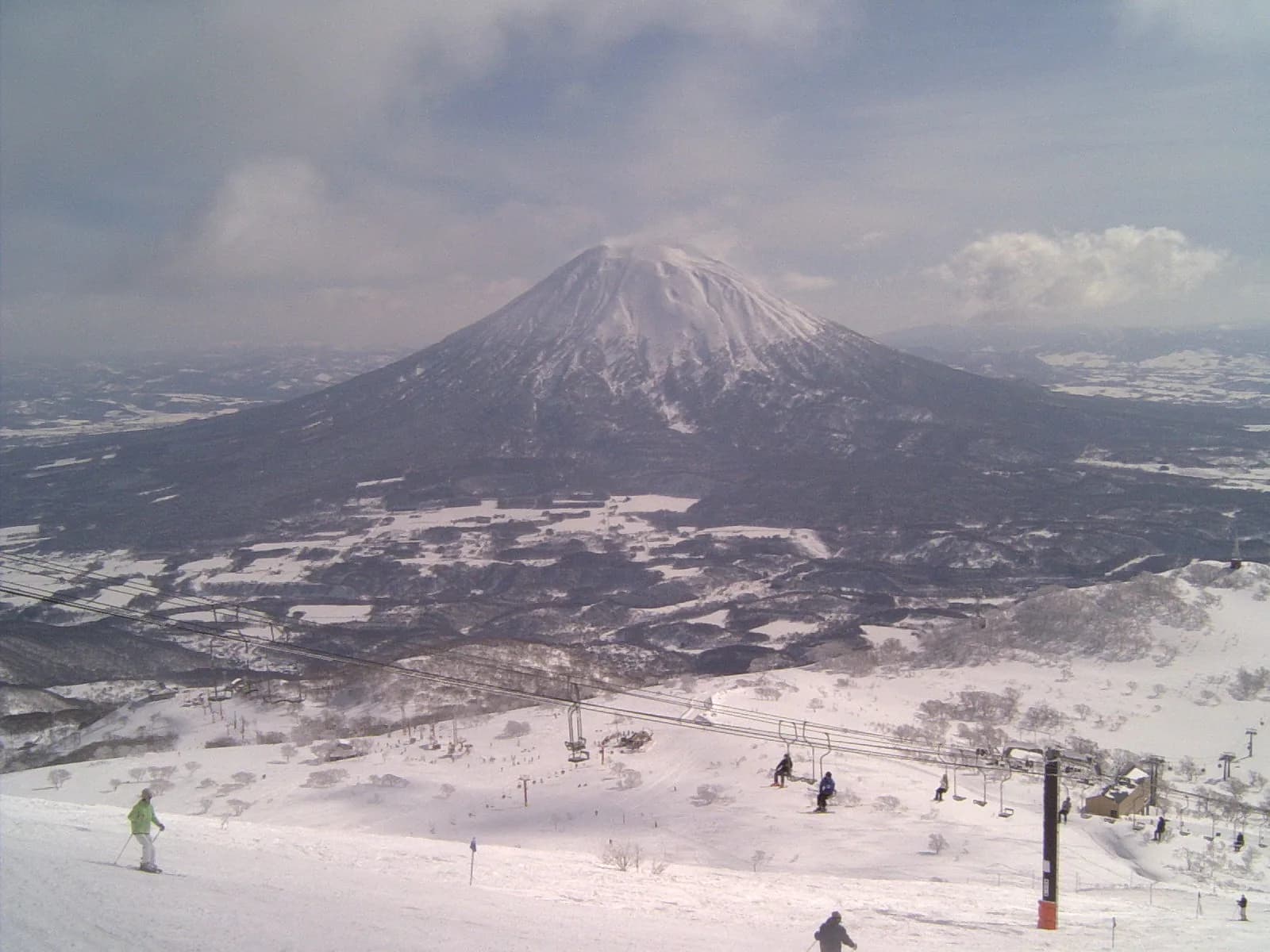
Niseko United links four resorts on Mount Annupuri (Grand Hirafu, Hanazono, Niseko Village and Annupuri) on one pass, facing the volcano of Mount Yotei. It has the most English spoken, the most Western-style lodging and the highest prices in Japan, with the peak tariff from Christmas Eve to the end of February. Night skiing under lights is a Niseko signature. We cover lodging and the village in our Niseko guide, and what a policy must include before you ski in our page on travel insurance for Japan.
Rusutsu and Furano: Hokkaido without the Niseko crowds
Rusutsu, about 40 minutes by road from Niseko, spreads over three mountains and is known for tree runs, but its window price of ¥16,700 is the highest in this list, so book online. Furano, in the centre of Hokkaido, is colder and drier, with long groomed runs and a real town at the bottom, at ¥9,000 a day.
Hakuba, Nozawa Onsen and Myoko: the Japanese Alps from Tokyo
Hakuba Valley, host of the 1998 Nagano Winter Olympics, has ten resorts on one pass, from Happo-one to Tsugaike, and some of the steepest terrain in Japan. Nozawa Onsen is a hot-spring village first, with 13 free public baths and a ski area above it, and the cheapest major resort here at ¥7,800. Myoko, across the Niigata border, gets some of the deepest snow in Honshu and keeps a quieter, local feel. All three are reached by the Hokuriku Shinkansen, and the Japan Rail Pass covers the train part.
GALA Yuzawa and Zao: skiing near Tokyo and the snow monsters
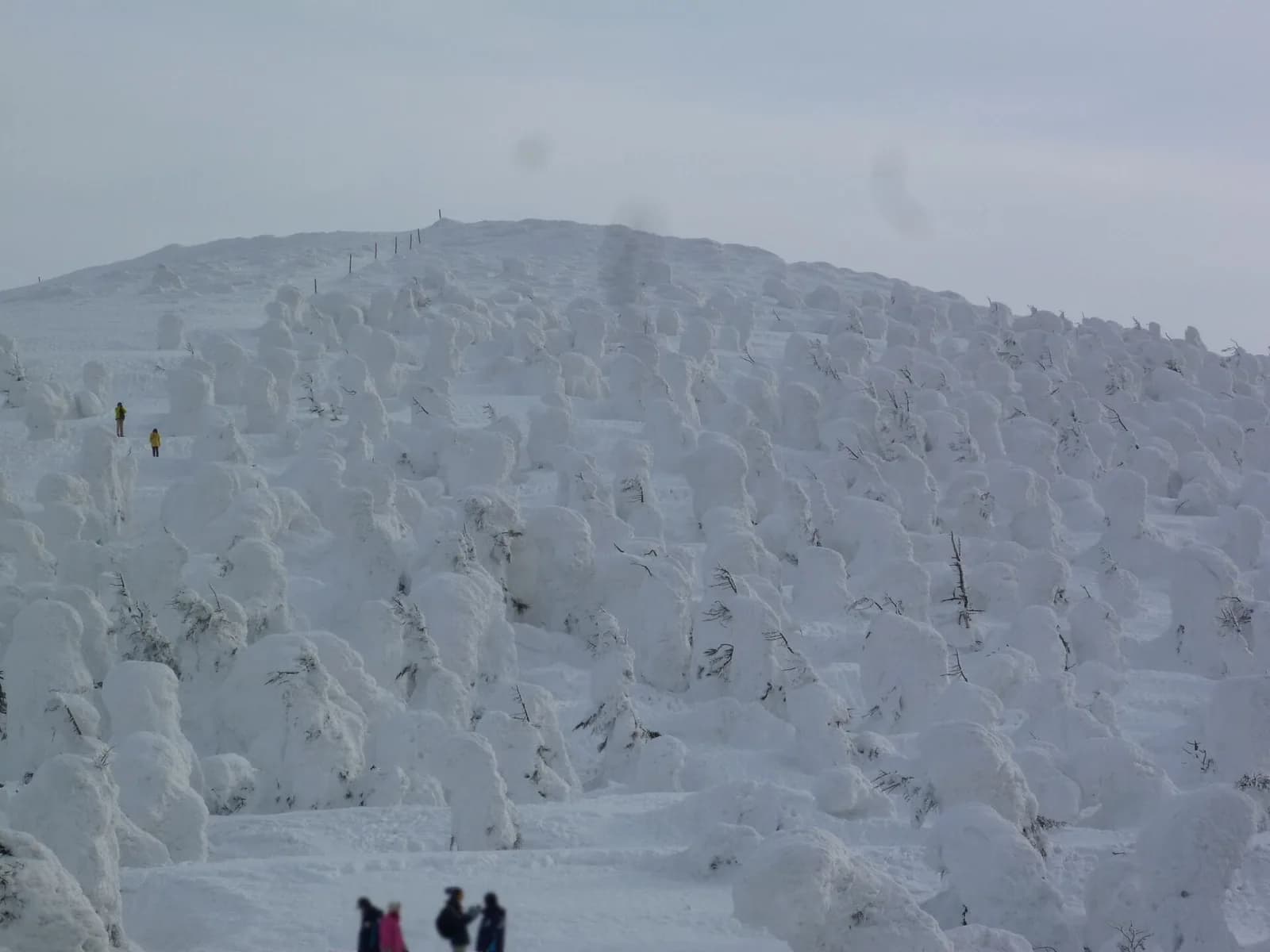
GALA Yuzawa is the easiest ski day from Tokyo: the Shinkansen stops inside the resort building, so you can leave Tokyo Station after breakfast and be on the gondola about 90 minutes later. It runs from 19 December 2026 to 5 May 2027, and its south area is closed for the 2026-27 season. The trains are described in our Shinkansen guide. Zao Onsen, in Yamagata, is known for its juhyo or "snow monsters", conifers coated in frozen rime that form at the top of the ropeway, best seen in January and February and lit up on some evenings.
Onsen in the snow and the Jigokudani snow monkeys
A rotenburo, an outdoor hot-spring bath, under falling snow is the image most visitors bring home from a Japanese winter. Nozawa Onsen, Zao Onsen, Noboribetsu in Hokkaido and the villages around Hakuba all have them, and a night in a ryokan with dinner included is the classic way to do it. Our guide to ryokan and onsen explains how to choose one and the bath etiquette, tattoos included.
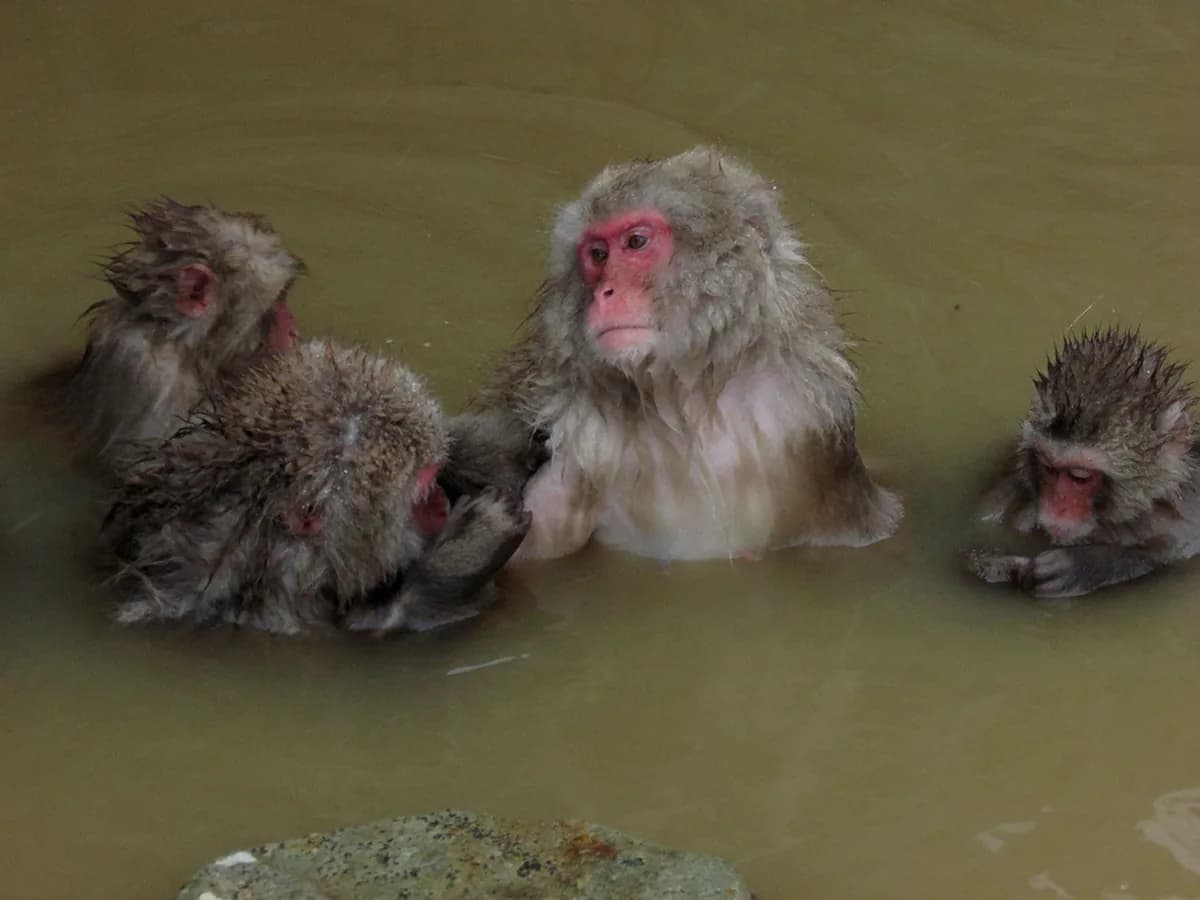
The macaques of the Jigokudani Monkey Park, at 850 m in the mountains of Nagano, are the other winter icon: wild monkeys warming themselves in a hot pool while snow falls. The park sits under snow for about a third of the year and, from December to April, gives priority entry to visitors holding a web ticket bought in advance. Access, walking time and the best hours are in our snow monkeys guide.
Winter festivals in Japan in 2027: Sapporo, Otaru, Yokote and drift ice
| Event | Where | 2027 dates |
|---|---|---|
| Sapporo Snow Festival | Sapporo, Hokkaido | 4 to 11 February 2027 |
| Otaru Snow Light Path (Yuki Akari no Michi) | Otaru, Hokkaido | Expected around 6 to 13 February, not yet confirmed |
| Yokote Kamakura Festival | Yokote, Akita | Traditionally 15 and 16 February, 2027 dates not yet published |
| Shirakawa-go Light-up | Shirakawa, Gifu | 11, 17, 24 and 31 January 2027 |
| Drift ice cruises (Aurora) | Abashiri, Hokkaido | 20 January to 31 March |
| Lunar New Year in the Chinatowns | Yokohama, Kobe, Nagasaki | New Year's Day on 6 February 2027 |
Sapporo Snow Festival 2027
The Sapporo Snow Festival (Yuki Matsuri) runs from Thursday 4 to Thursday 11 February 2027 on three sites. Odori Park has the giant snow and ice sculptures along 1.5 km of the city centre, lit until late evening. Susukino has the ice sculptures in the nightlife district, and Tsudome, out of the centre, has snow slides for children. Entry is free. Hotels in Sapporo fill months ahead for that week, so book as soon as your dates are fixed.
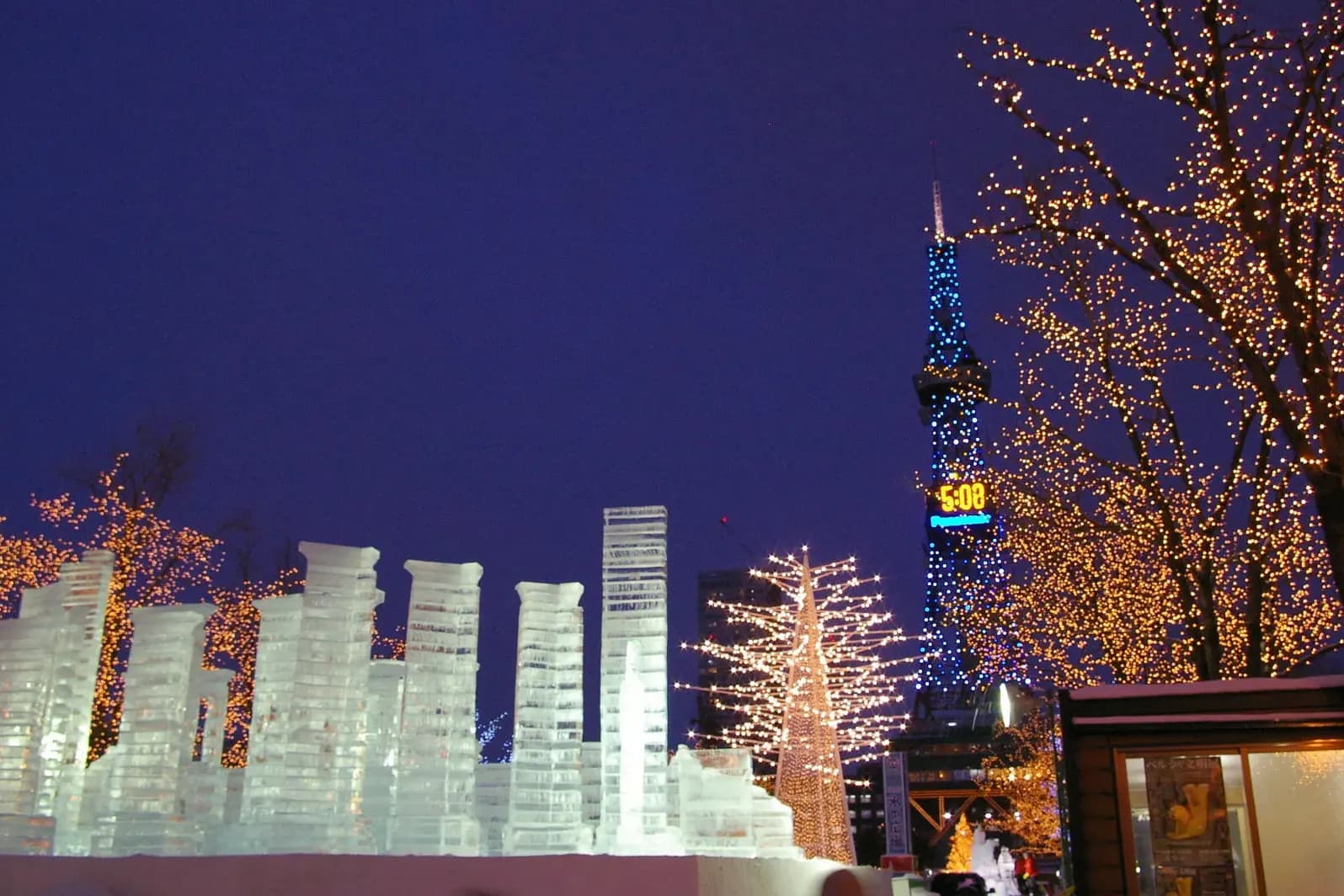
Otaru, Yokote and the kamakura snow huts
In Otaru, 40 minutes by train from Sapporo, the Snow Light Path lines the old canal and the former railway with candles in snow lanterns, usually in the same week as the Sapporo festival. In Yokote, in Akita, the town builds kamakura, snow huts large enough for children to sit inside around a brazier and offer rice cakes to visitors. Neither event had published its 2027 dates on 14 November 2026.
Drift ice in Abashiri and Shiretoko
From late January, sea ice drifts down from the Sea of Okhotsk onto the coast of eastern Hokkaido. In Abashiri, the icebreaker Aurora sails through it from 20 January to 31 March: the large ship takes about an hour for ¥7,000 (about $44) per adult, the smaller Aurora 3 about two hours for ¥9,800. The ice depends on the wind, so allow two days in the area in February, when it is most reliable.
Winter illuminations in Tokyo and the big cities
From mid-November, the big cities light up their avenues and gardens with LED illuminations, most of them free: the Marunouchi trees near Tokyo Station, Roppongi's Keyakizaka, the Caretta Shiodome show and the theme-park displays further out. Many run until Christmas, some into February. They are the main reason December evenings in Tokyo feel busy despite the cold.
Shirakawa-go winter light-up 2027: dates and reservations
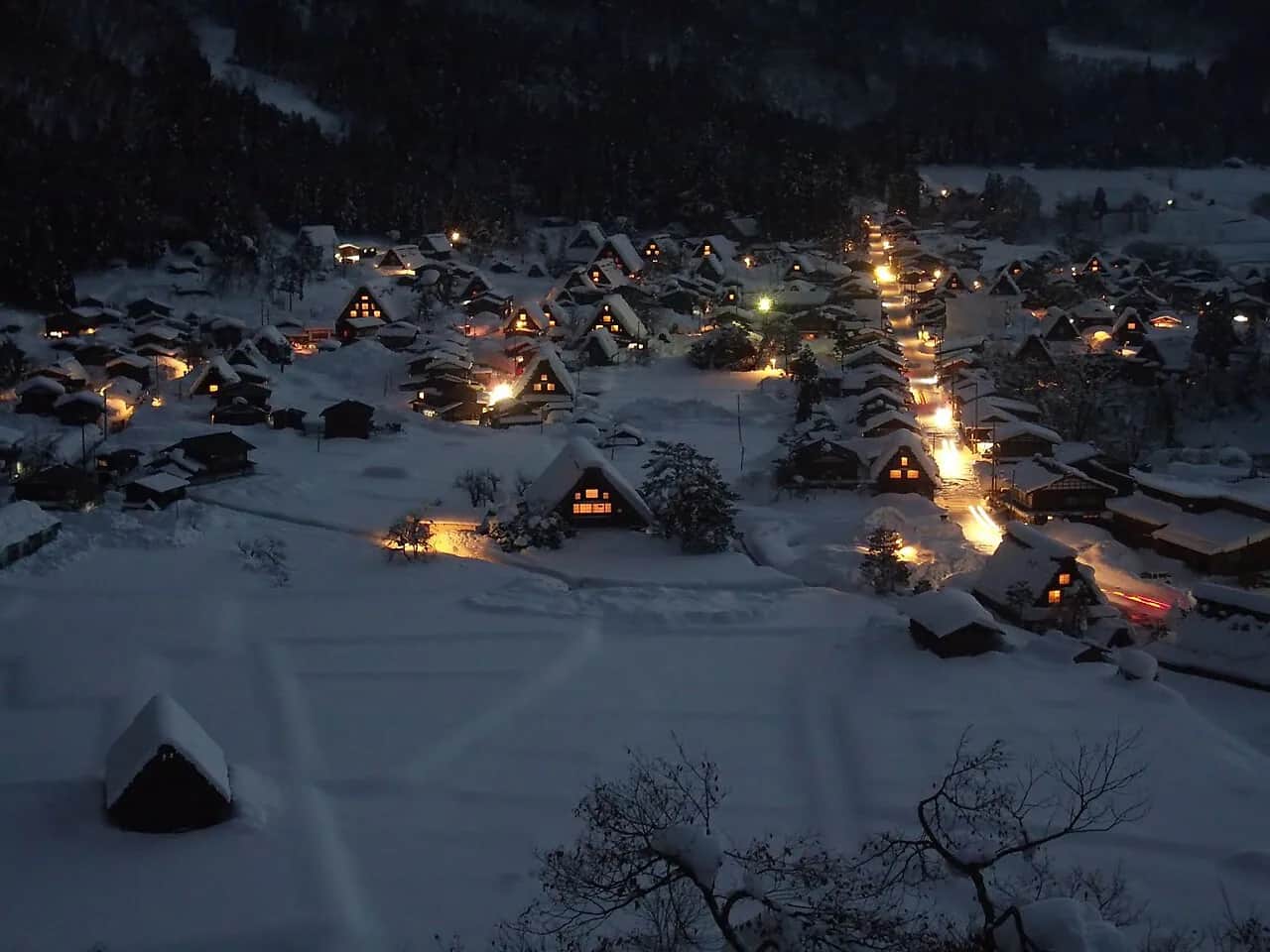
The thatched gassho-zukuri farmhouses of Shirakawa-go, a UNESCO World Heritage village in Gifu, are lit up on a handful of winter evenings. In 2027 the light-up is on 11, 17, 24 and 31 January. You cannot just turn up: access is controlled by reservation.
- By car: parking must be booked in advance, and the first round of reservations, opened on 10 September 2026, was already full by mid-November.
- Staying overnight: rooms in the village were allocated by lottery, with results sent on 10 November 2026.
- By tour coach: coaches must book a slot at the Seseragi Park Oro car park, under a system in force from 1 December 2026.
Without a parking slot or a room, the realistic option is a coach tour sold with the reservation included, from Takayama, Kanazawa or Nagoya. On the other days of January and February, the village is open as usual in the daytime, under a metre of snow, and the day tours from Kanazawa run without a light-up booking. Questions go to the Shirakawa-go Tourist Association (+81 5769-6-1013, 9 am to 5 pm).
Christmas and New Year in Japan: what closes and hatsumode
Christmas is not a holiday in Japan. Shops and offices are open on 25 December, and Christmas Eve is a date night for couples, with illuminations and fried chicken. New Year (shogatsu) is the big family holiday. From 29 December to 3 January:
- Closed: government offices (29 December to 3 January), banks (31 December to 3 January), many museums, small restaurants and family-run shops for a few days around 1 January.
- Open: trains, convenience stores, most hotels and chain restaurants. Department stores open again on 1 or 2 January with their fukubukuro lucky-bag sales.
- Busier and pricier: Shinkansen and flights out of Tokyo around 28 to 30 December and back around 2 to 4 January, and ski resorts over the whole break.
Hatsumode, the first shrine or temple visit of the year, is the moment to be out. At midnight on 31 December, temples ring their bells 108 times, and the crowds start at once. Meiji Jingu in Tokyo is usually the busiest shrine in the country over the first three days, with queues that can take an hour to reach the main hall. Sensoji in Asakusa and Fushimi Inari in Kyoto are just as full. For a calmer visit, go on 4 or 5 January, when the stalls are still up.
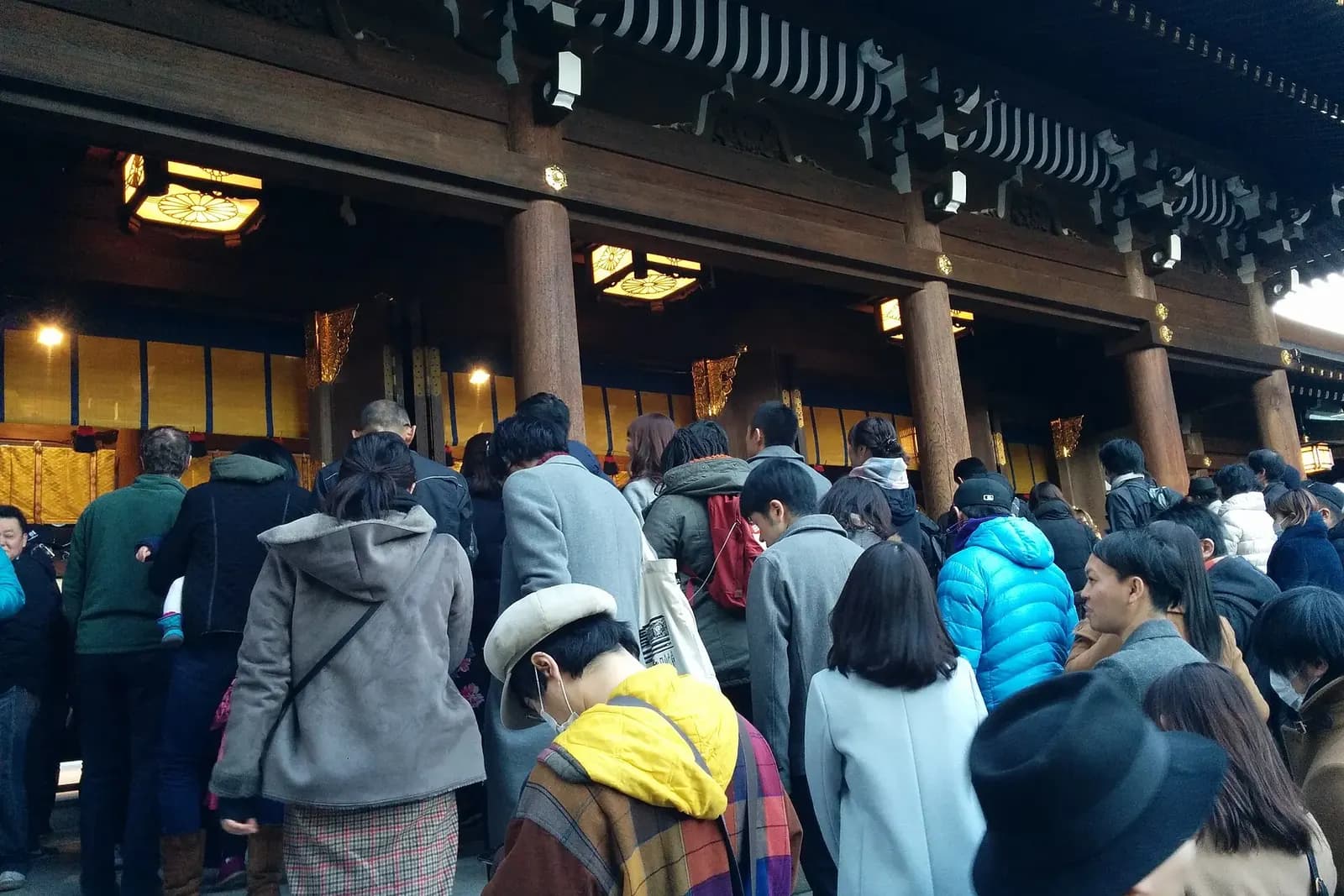
Japan in winter: prices and crowds by week
Winter is two seasons in one for prices. From about 5 January to mid-February, outside the ski resorts, Japan is at its quietest and cheapest of the year: city hotels in Tokyo, Kyoto and Osaka drop their rates, and the main temples are calm. The exceptions are short and predictable:
- Christmas to 3 January: domestic travel peaks and ski resorts charge their top rates.
- 4 to 11 February 2027: the Sapporo Snow Festival fills hotels in Sapporo and Otaru.
- Around 6 February 2027: Lunar New Year brings visitors from across Asia to the big cities and Hokkaido for about a week.
- All of January and February in Niseko and Hakuba: the powder season is the high season there, the reverse of the cities.
If you combine a city trip with skiing, our Japan itinerary gives the 10-day base that a few days in Nagano or Niigata slot into, and the cherry blossom guide covers the early Kawazu-zakura trees that open in February.
What to wear in Japan in winter
For Tokyo, Kyoto and Osaka, dress as you would for a dry winter in London or New York: a warm coat, a sweater and layers you can take off in heated trains and shops. For Hokkaido and the snow country, pack for real cold:
- Boots with a grip sole: pavements in Sapporo and Otaru are often packed ice. Clip-on spikes sell in shops in Hokkaido.
- Thermal base layers: Uniqlo's Heattech is sold all over Japan if you arrive underdressed.
- Hat, gloves and a neck warmer: wind on the Hokkaido coast makes -5 °C feel much colder.
- Kairo heat packs: disposable hand and body warmers, sold for a few hundred yen in any convenience store.
- Shoes you can slip off: you take them off in temples, ryokan and many restaurants.
- Lip balm and moisturiser: the air on the Pacific side is very dry.
Driving in Japan in winter: permits, winter tyres and snow roads
You need an International Driving Permit under the 1949 Geneva Convention to rent a car in Japan. That covers drivers from the US, UK, Canada and Australia, who get the permit at home before leaving. Holders of German, French, Swiss, Belgian, Monegasque and Taiwanese licences use an official Japanese translation instead. Permits under the 1968 Vienna Convention are not accepted.
In Hokkaido, Tohoku and the Alps, ask for studless winter tyres and four-wheel drive when you book, and check they are confirmed. Expressways can impose mandatory chains on some sections in heavy snow, roads over mountain passes close, and daylight ends before 5 pm. If you have never driven on ice, the train and resort shuttle buses reach every resort in this guide. Our car rental guide covers agencies, prices and tolls.