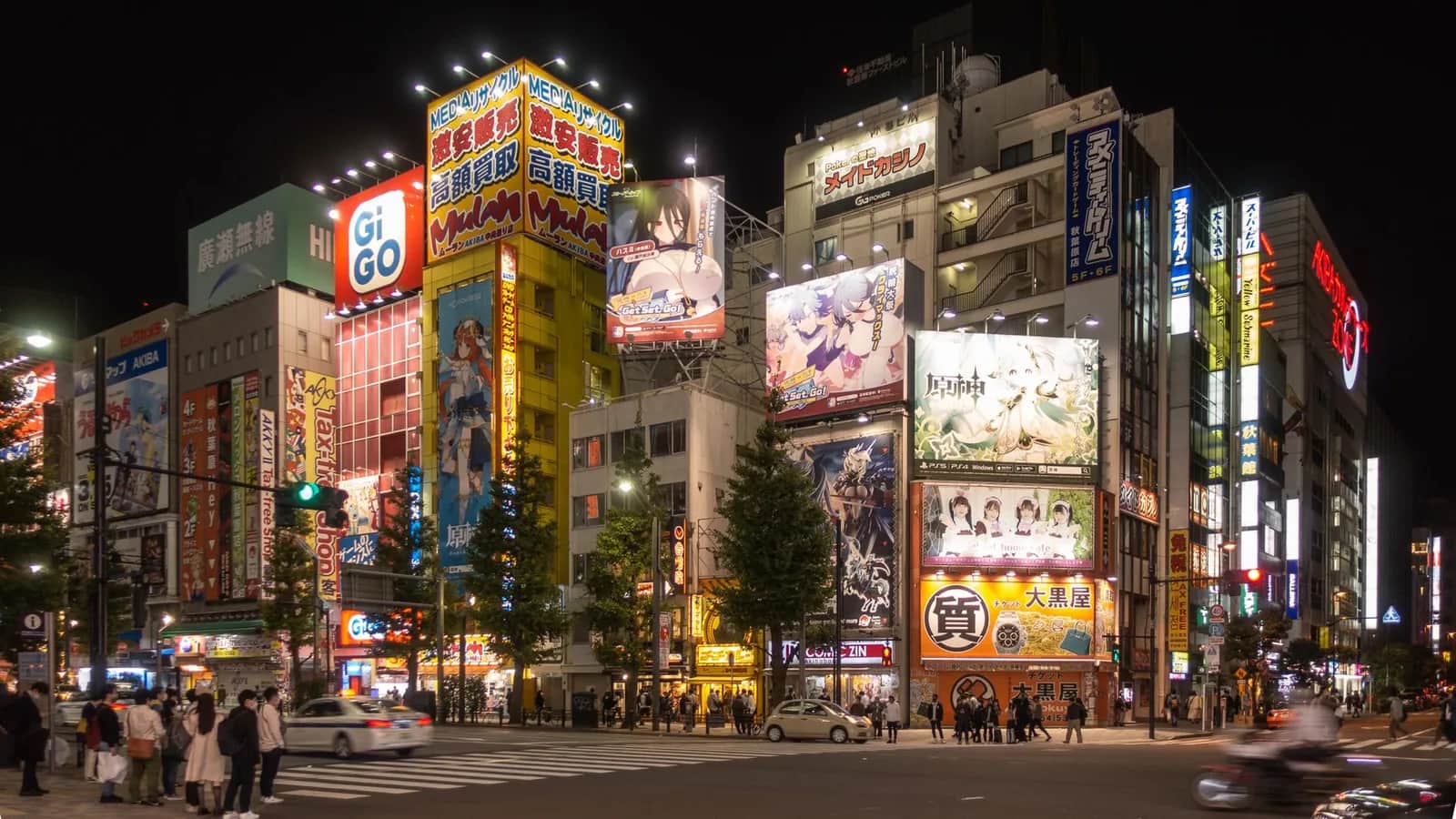
- to walk around, with most shops open from about 10:00 or 11:00 to 20:00
- Free
- Chuo-dori closes to cars from 13:00, weather permitting
- Sundays
- from Tokyo Station on the JR Yamanote Line, for ¥160 ($1)
- 3 minutes
On this page
Akihabara Electric Town, or Akiba, is the district of Tokyo where anime, manga, video games and idols took over from the radio and electronics shops that gave it its name. It is free to wander, most shops open from 10:00 or 11:00 to 20:00, and it sits 3 minutes from Tokyo Station on the JR Yamanote Line. Plan half a day for the arcades, the retro game shops, a maid café and the electronics stores around Chuo-dori.
Akihabara tours and experiences
Akihabara is easy alone, but a guide helps with the floors hidden in the side streets, and a few experiences only exist here.
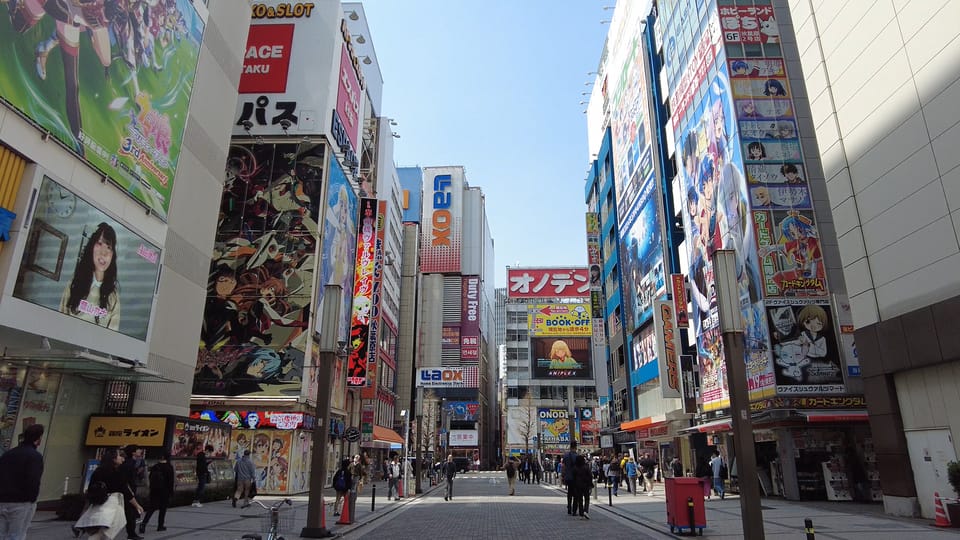
Tokyo Akihabara, Anime, Manga, Video Games & Maid Cafe Tour
Two to three hours with a guide through the anime, manga and game shops of Akihabara, with a stop at a maid café.
4.8(232 reviews)
- 2 to 3 hours
- Free cancellation
From $30per person
See prices & availability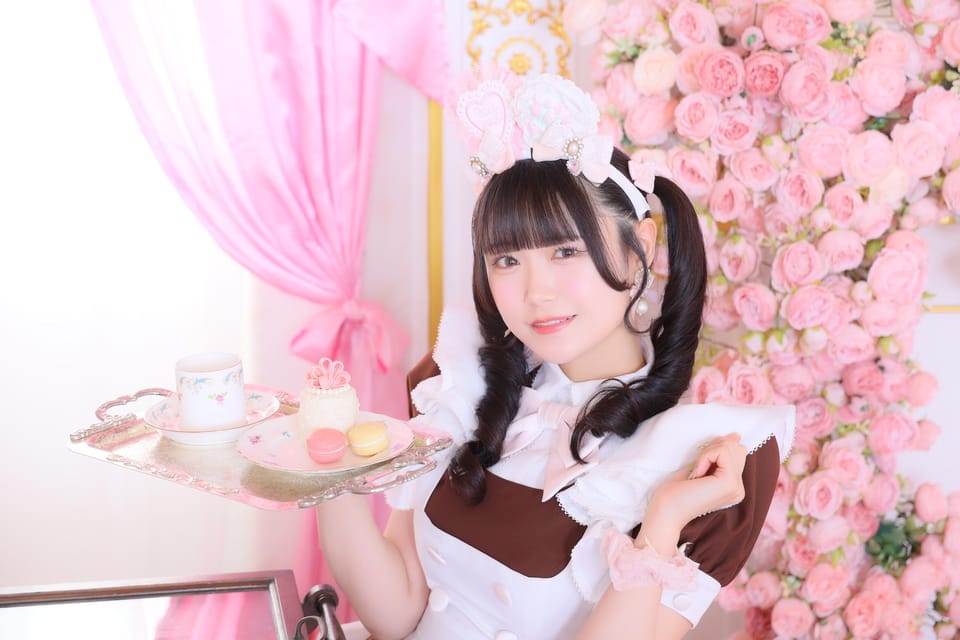
Akihabara: at-home cafe Priority Entry with a Set
Skip the queue at @home cafe, the best-known maid café in Akihabara, with a set included. Allow about an hour.
4.7(33 reviews)
- 1 hour
- Free cancellation
From $24per person
See prices & availability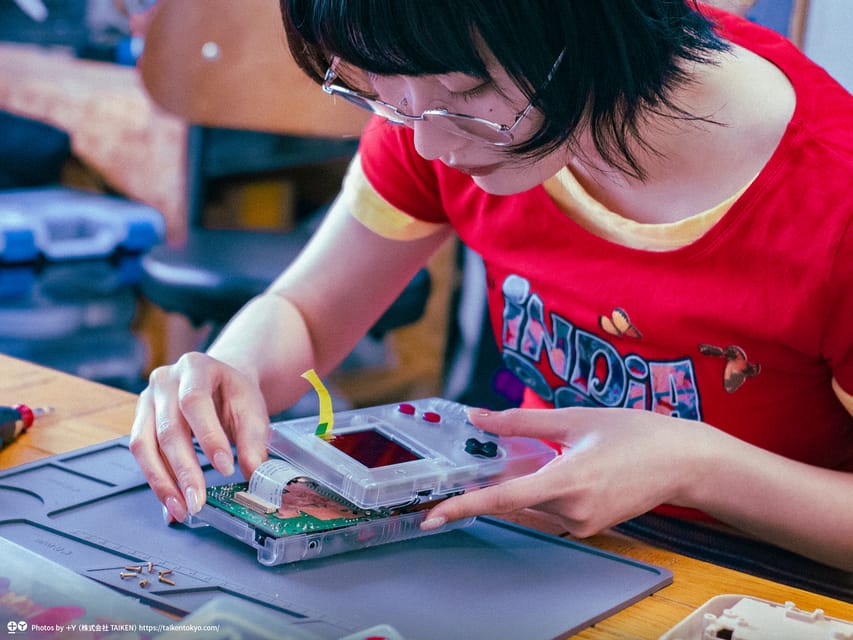
Tokyo: Game Boy Modding in Akihabara by +Y
A two-hour Game Boy modding workshop in Akihabara run by +Y. Expensive, but made for retro gaming fans.
4.9(387 reviews)
- 2 hours
- Free cancellation
From $376per person
See prices & availability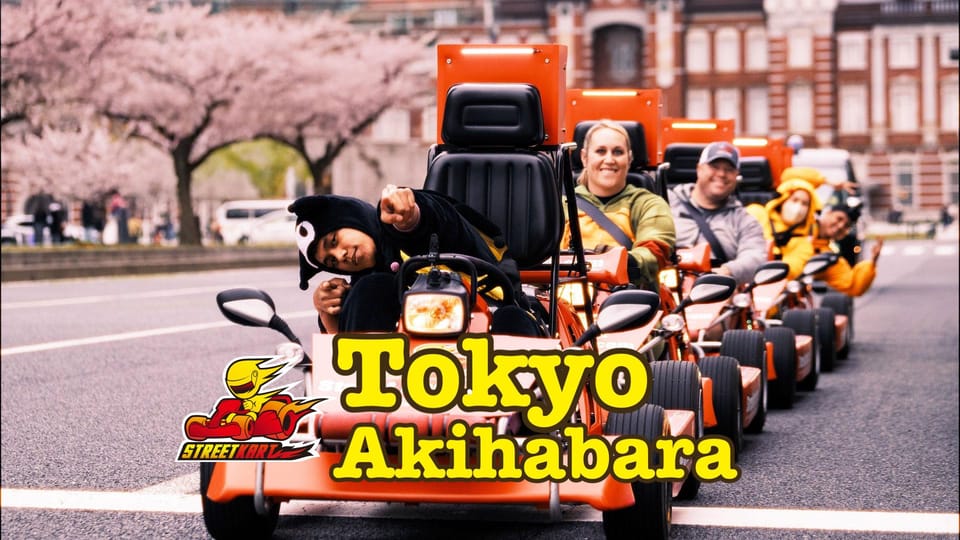
Tokyo: Original Street Kart Experience from Akihabara
One hour on public roads from Akihabara in a street kart. Cancellation is not free and you need a valid driving permit.
4.8(141 reviews)
- 1 hour
From $72per person
See prices & availability
What Akihabara Electric Town is today: electronics, anime and idols
Radio parts stalls set up around the station after 1945, and by the 1970s and 1980s Akihabara was the place to buy a stereo, a TV or a computer. The Tokyo tourist board still counts more than a thousand electronics shops around the station. From the 1990s, game, anime and manga shops moved into the same buildings, and the district became the centre of otaku culture, the Japanese word for devoted fans.
Today the two worlds share every block. A tower of new electronics stands next to eight floors of second-hand figures, and the streets behind Chuo-dori still have tiny stalls selling cables, LEDs and circuit boards. Idols are part of the scene too: the pop group AKB48, named after the district, plays shows at its own theatre on the 8th floor of Don Quijote, with tickets of about ¥2,400 to ¥3,400 ($15 to $21) according to japan-guide.
Akihabara Electric Town shops and arcades worth your time
Leave the station by the Electric Town exit and you are on the main block. Everything below is within ten minutes on foot. Hours are those listed by japan-guide in November 2026, and floors inside the same building can keep different hours.
Radio Kaikan
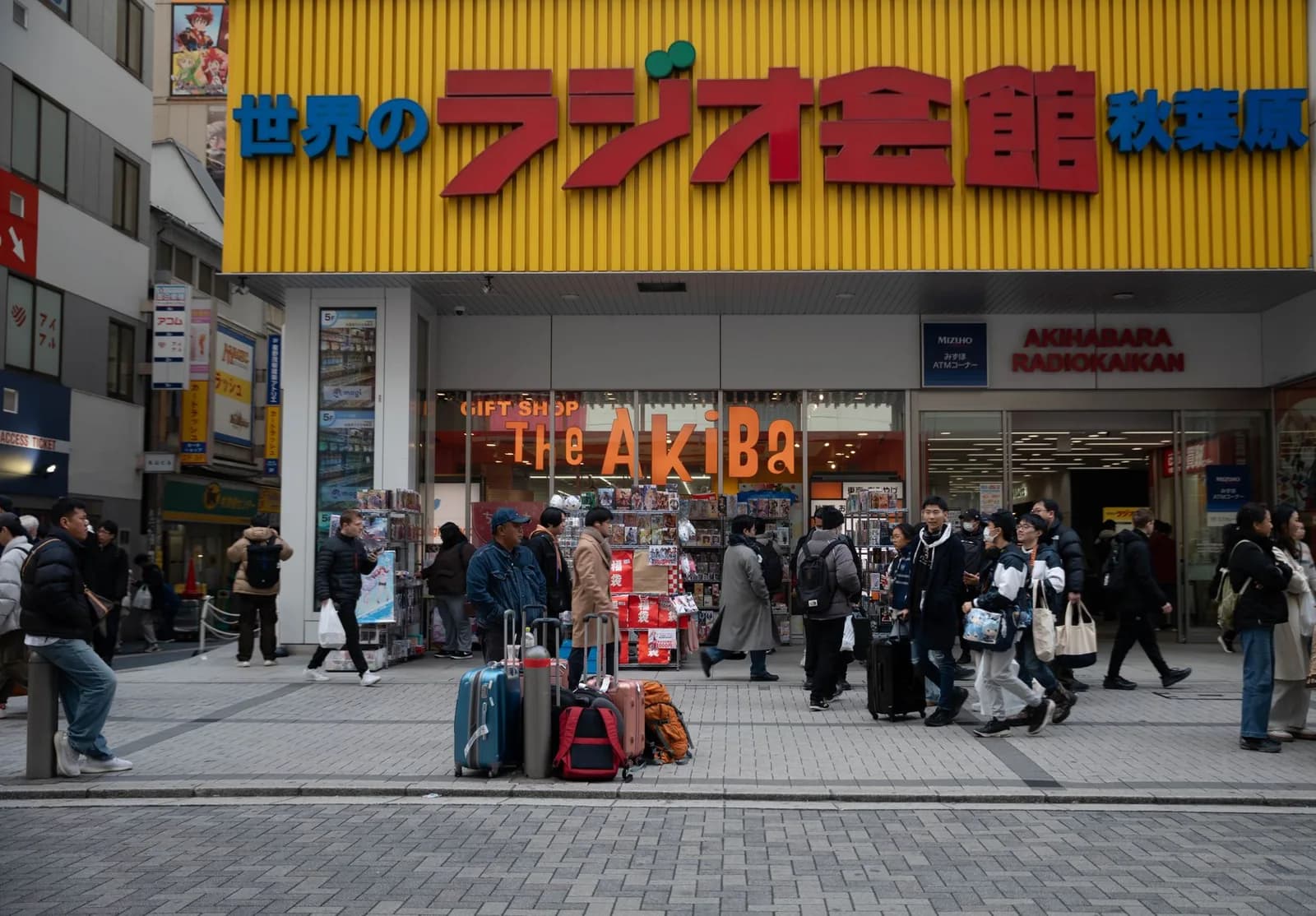
The yellow sign opposite the station marks the landmark of Akihabara, rebuilt as a ten-storey tower in 2014. More than 30 shops share it, including K-Books, Kaiyodo and Volks, for figures, models, trading cards and doujinshi. Open 10:00 to 20:00. Start here to get a sense of prices before you climb other buildings.
Mandarake Complex
The black building on a side street west of Chuo-dori is eight floors of second-hand manga, figures, dolls, posters and toys, sorted by series. Rare items sit in glass cases with prices in the hundreds of thousands of yen, but most shelves are affordable. It opens later than its neighbours, at 12:00, and closes at 20:00.
Super Potato
The retro game shop everyone photographs: shelves of Famicom, Super Famicom, Mega Drive and PlayStation games, boxed consoles and accessories, with a small arcade of old cabinets on the top floor. Open 11:00 to 20:00. Check the region before you buy an old cartridge, because Japanese consoles and games do not always work on Western machines.
GiGO and Taito Station arcades
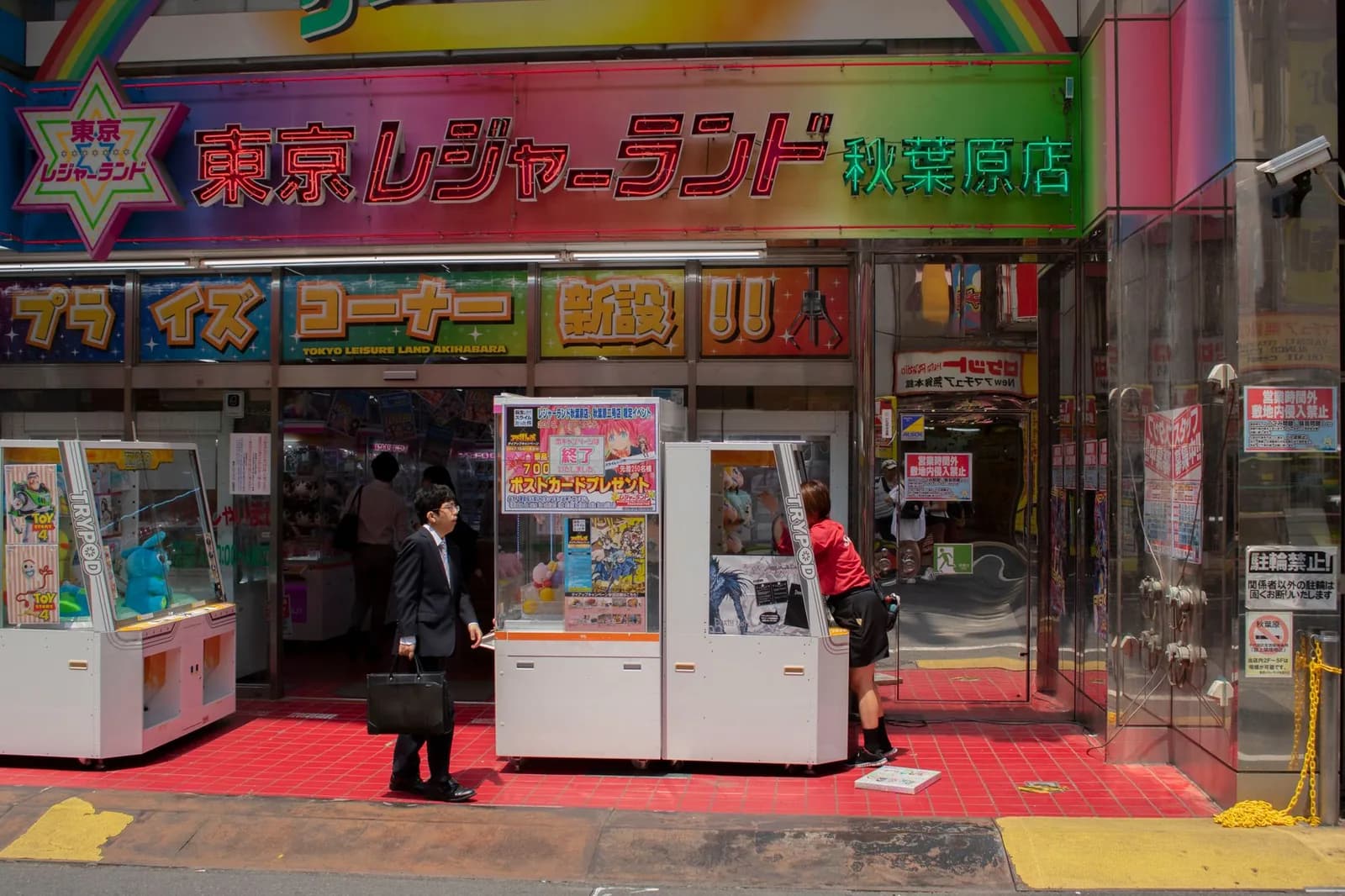
The big game centres line Chuo-dori: GiGO, the former Sega arcades, and Taito Station. Each building stacks crane games on the ground floors, then purikura photo booths, rhythm games and fighting games higher up. A play costs ¥100 or ¥200 on most machines. Crane games eat coins fast: set a budget, and ask the staff to move the prize if it is stuck, which they often do.
Yodobashi Akiba
On the quieter east side of the station, this electronics store fills a whole block: cameras, computers, consoles, watches, toys and Gunpla kits, with a restaurant floor at the top. Open 9:30 to 22:00, restaurants from 11:00. It sells tax-free and international models, which makes it the simplest place for a big purchase.
Don Quijote, Gamers and Sofmap
Don Quijote is the 24-hour discount store with the AKB48 theatre at the top and a branch of @home cafe on the 5th floor. Gamers covers anime goods, music and games, open 10:00 to 22:00 (21:00 at weekends). Sofmap runs several themed branches, from computers to second-hand games, from 11:00 to 20:00.
2k540 Aki-Oka Artisan and Kanda Myojin
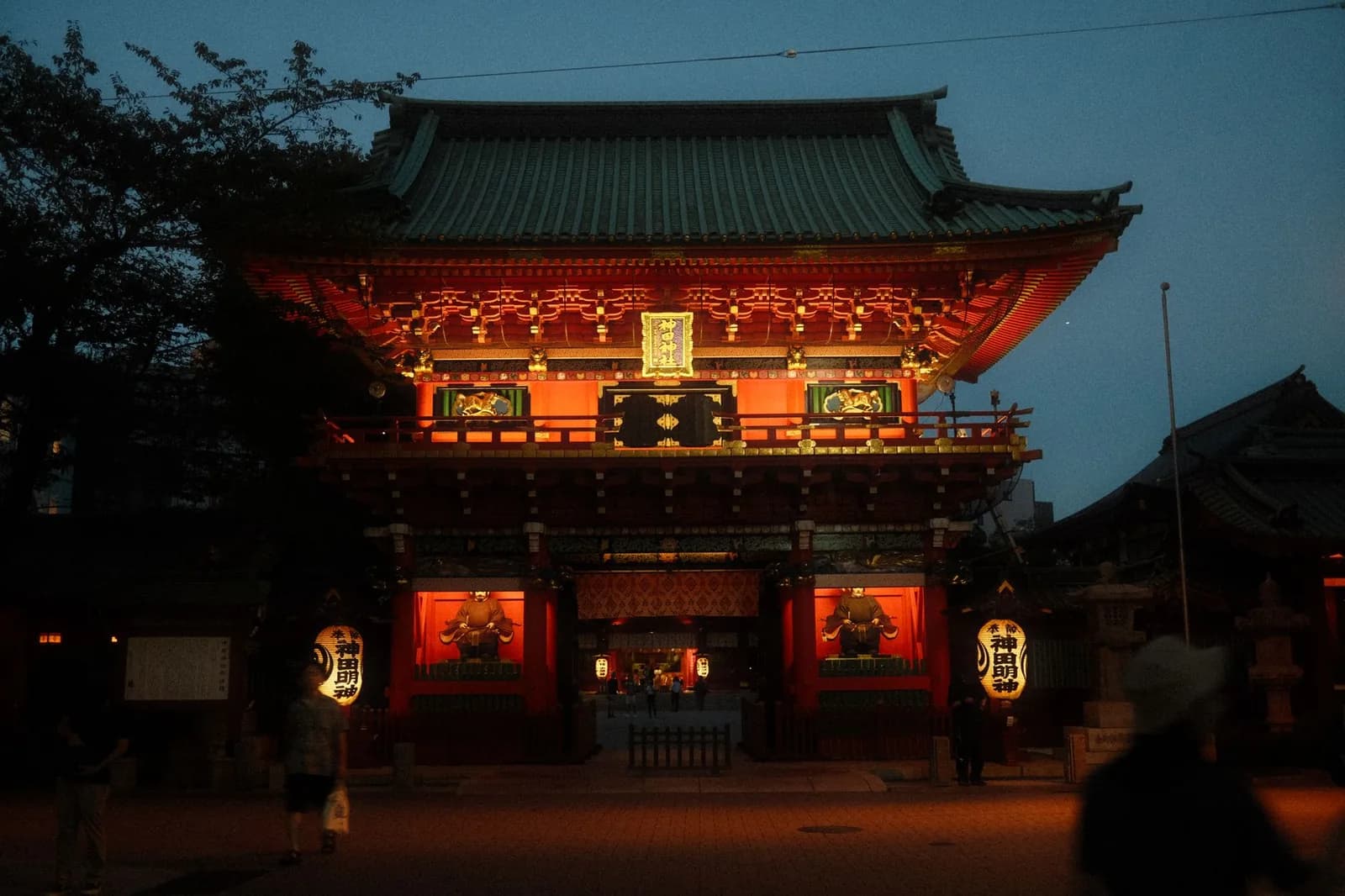
For a break from screens, 2k540 is a row of around 50 craft shops and workshops built under the JR tracks between Akihabara and Okachimachi: leather, ceramics, jewellery and small cafés. In the other direction, Kanda Myojin shrine is a 7-minute walk from the Electric Town exit, according to the shrine. Founded in the 8th century, it is the guardian shrine of the old Kanda and Akihabara districts, and a quiet place to end the afternoon.
Akihabara pedestrian street on Sunday: Chuo-dori hours
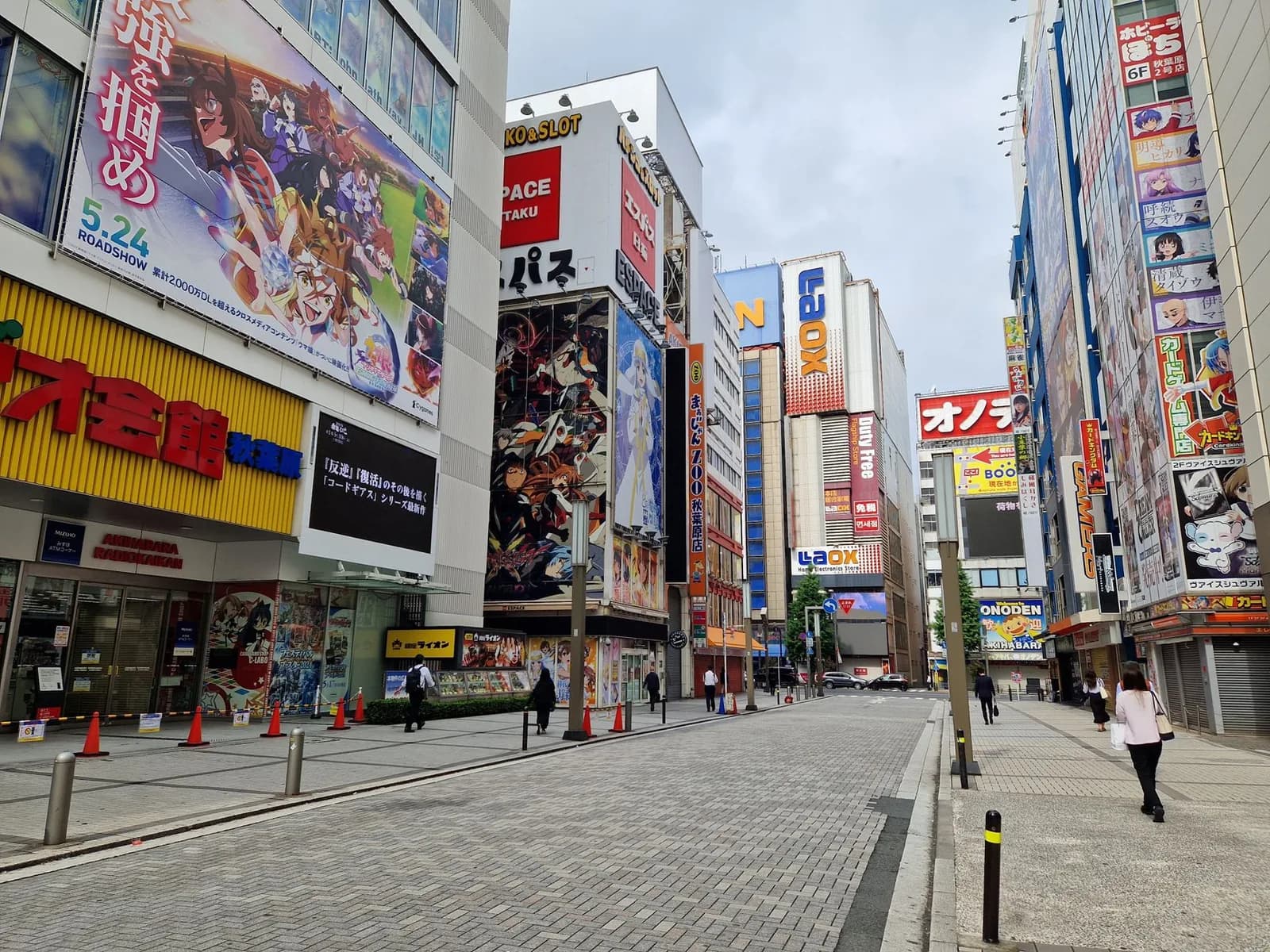
On Sundays, Chuo-dori closes to cars and becomes a pedestrian zone, the Pedestrian Paradise (hokosha tengoku). The Tokyo tourist board gives the hours as 13:00 to 18:00 from April to September and 13:00 to 17:00 from October to March. The closure is cancelled in rain, strong wind or bad weather, so do not plan a whole day around it.
The tradition was suspended after a deadly attack on the crossing in June 2008 and later restored. Walking down the middle of the road between the arcades and the billboards is the best view of the district. Cosplayers and street performers are fewer than they once were, and photographing strangers without asking is badly received.
Akihabara maid cafés: prices, time limits and photo rules
A maid café is a café where waitresses in maid costumes greet you as "master" or "princess", decorate your food with drawings and sometimes lead the room in a short chant or a game. It is staged and family-friendly, and many visitors go once for the experience. The two names most visitors know are @home cafe, which has English-speaking maids, and Maidreamin.
What surprises first-timers is the bill. On top of the menu, most maid cafés charge an entry fee, often by the hour. Maidreamin's official site lists ¥880 ($5.50) per adult per hour, tax included, before any food or drink. Drinks and desserts are priced like a theme park, and a set with a drink, a dish and a souvenir photo usually costs more than a normal café meal. Expect a queue at weekends.
- No photos of the maids or of the room with your own phone. A souvenir photo with a maid, often a small instant print called a cheki, is sold separately.
- Do not touch the maids or ask for personal contact details. Staff will step in.
- Check the price list and whether the fee is per hour before you sit down. The cafés on Chuo-dori post theirs at the door.
- Most cafés suit children. A few "concept cafés" in the side streets are bars for adults with a drinks minimum.
The young women handing out flyers on the pavements are touts for these cafés. A flyer is harmless. Skip any place, maid café or bar, that will not show you its prices before you go upstairs.
Buying electronics in Akihabara: voltage, warranty and tax-free
Prices on cameras, lenses and gadgets can be good, but three checks matter more than the price tag.
Voltage and plugs
Japan runs on 100 V, at 50 Hz in Tokyo and the east and 60 Hz in Osaka and the west, with two-pin type A plugs like North America. Most chargers for phones, laptops and cameras accept 100 to 240 V, so they work everywhere with a plug adapter. Appliances sold for the Japanese market, such as hair dryers, rice cookers and some speakers, may be 100 V only. In the UK, Europe or Australia (220 to 240 V) they need a step-down transformer or they will burn out. Read the label on the box before you pay.
Warranty and language
A product made for the Japanese market often comes with Japanese-only instructions and a warranty valid only in Japan, as japan-guide warns. Cameras from the domestic range can also have fewer menu languages. Yodobashi Akiba and Akky stock international models for overseas use. Ask for one by name and check the menu languages on the demo unit.
Game consoles
Nintendo sells a Japan-only Switch 2, launched at ¥49,980 against ¥69,980 for the multilingual model. It is cheaper for a reason: the system works in Japanese only and needs a Nintendo account registered in Japan, so it is useless for most visitors. Check the box for the multilingual version, and remember that Japanese prices changed again in 2026.
Tax-free shopping since 1 November 2026
Japan changed its tax-free system on 1 November 2026. For purchases made from that date you pay the full price including consumption tax in the shop, and the tax is refunded once your departure with the goods is confirmed. What stays: the minimum of ¥5,000 before tax (about $31) per shop, per day. What changed: a single deadline of 90 days between purchase and departure for all goods. At the airport, go to the tax-free procedure terminal before you check in your bags, because customs may ask to see the goods. Our Visit Japan Web guide explains the refund step by step and the tax-free QR code.
Best time to visit Akihabara, and how long to spend
Come in the afternoon and stay until dark. Before 11:00 many shops are still closed, and the neon of Chuo-dori only shows after sunset. Sunday afternoon adds the pedestrian street, but also the biggest crowds. On weekdays the buildings are calmer and the queues at maid cafés shorter. Plan to finish your shopping by 20:00, when most shops close.
Three to four hours is enough for Radio Kaikan, one arcade, Super Potato, Mandarake and a café. A collector hunting for something specific can lose a whole day. Akihabara pairs well with Ueno, two stops north, or with Asakusa, and our guide to things to do in Tokyo puts it in the same east-side day as Senso-ji in Asakusa, a few minutes away on the Tsukuba Express.
Where to eat in Akihabara
Akihabara eats fast and cheap. The streets around the station are full of ramen counters, curry shops, gyudon chains and standing soba bars, where a lunch costs under ¥1,200 ($7.50). Most use a ticket machine at the door: pay first, hand the ticket to the cook. For a calmer meal, the restaurant floor at the top of Yodobashi Akiba, open from 11:00, has sit-down Japanese restaurants with picture menus. Themed cafés tied to an anime or a game open for a few weeks at a time in the district, usually with timed booking on their own sites.
How to get to Akihabara Electric Town
Akihabara Station is served by the JR Yamanote, Keihin-Tohoku and Chuo-Sobu lines, the Tokyo Metro Hibiya Line and the Tsukuba Express. Suehirocho Station on the Ginza Line sits at the northern end of the district. For Electric Town, follow the signs to the JR Electric Town exit.
- From Tokyo Station: Yamanote or Keihin-Tohoku Line, two stops, 3 minutes, ¥160 ($1).
- From Shinjuku: the yellow Chuo-Sobu local train runs direct in 17 minutes, ¥210 ($1.30).
- From Ueno: Yamanote or Keihin-Tohoku Line, two stops south.
- From Asakusa: Tsukuba Express, two stops to Akihabara.
A Suica card on your phone covers every one of these lines. If you want to stay nearby, our guide to where to stay in Tokyo compares Akihabara with Ueno and Asakusa as a base, and our Japan itinerary shows where an Akihabara afternoon fits in a first trip.